
Main Courses
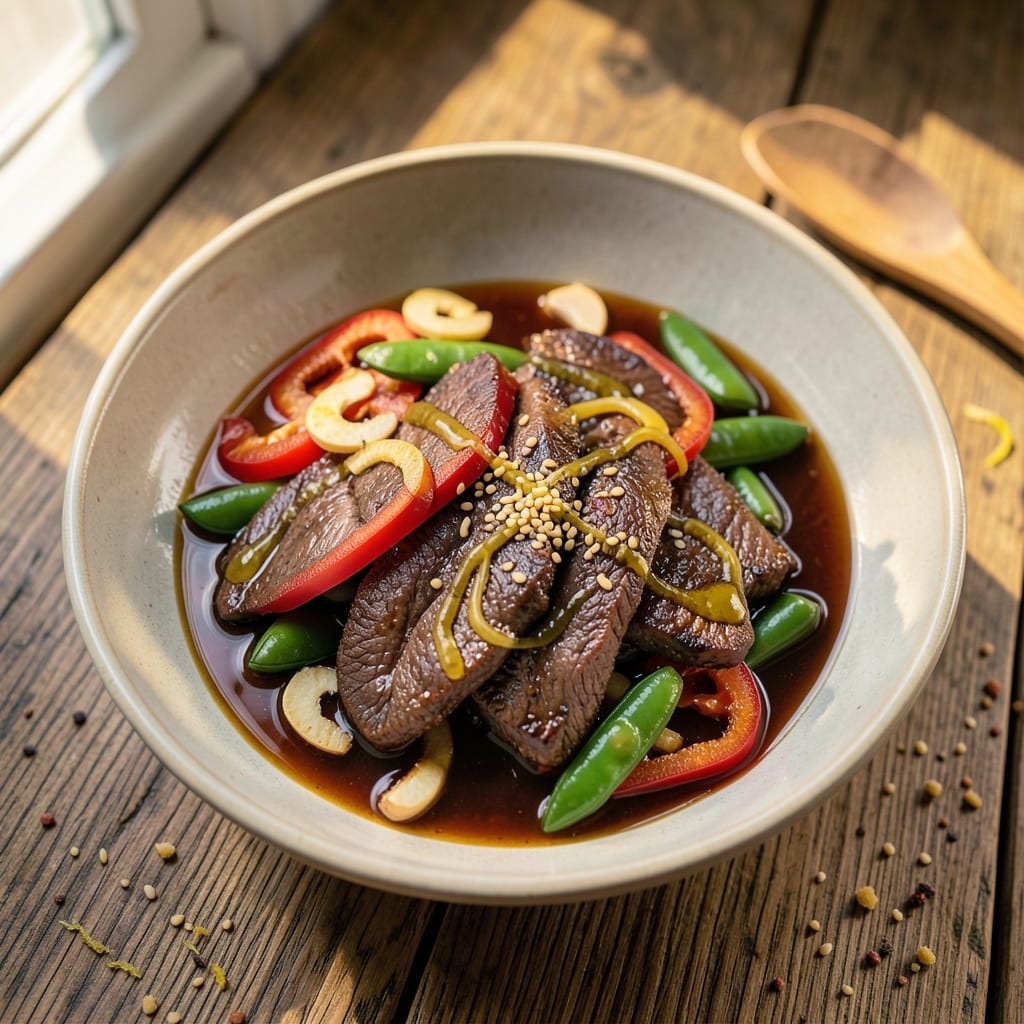
This awesome beef stir fry recipe delivers restaurant-quality wok-heated bites with a perfect balance of crispy edges and tender centers. The secret lies in a quick soy-ginger marinade that infuses deep umami flavor while keeping the beef juicy, paired with a high-heat stir-fry technique that creates that signature caramelized crust. I've perfected this method through countless weeknight dinners, and it consistently delivers results that impress even the most critical eaters.
The beauty of this recipe is its adaptability—whether you prefer a classic teriyaki finish, a spicy chili kick, or a rich soy-ginger glaze, the base technique remains the same. You'll work with just 5 key ingredients (plus pantry staples) and master a foolproof stir-frying method that transforms simple beef slices into flavor-packed, crispy-edged morsels in under 20 minutes. The sauce comes together in minutes and coats every piece perfectly without making the beef soggy.
What you'll end up with is a vibrant stir fry bursting with texture—crispy beef bites that stay tender inside, bright vegetables that maintain their crunch, and a glossy sauce that ties everything together. The aroma alone will have everyone gathering at your table, and each bite delivers that perfect combination of smoky wok heat, savory umami, and just the right amount of sweetness or spice, depending on your preference.
Serve this over steamed jasmine rice or noodles for a complete meal, or pair it with simple steamed greens for a lighter option. The leftovers reheat beautifully, making this an ideal recipe for meal prep when you want something exciting without spending hours in the kitchen. Ready to master this technique?
Ingredients for awesome beef stir fry
Five essential ingredients create the stir-fry base, while pantry staples elevate it to restaurant-quality crispy perfection.
| Ingredient | Amount | Notes |
|---|---|---|
| Flank Steak 🥩 | 1 ½ lb | Thinly sliced against grain for tenderness |
| Low-Sodium Soy Sauce 🥢 | ½ cup | Kikkoman preferred for authentic flavor |
| Fresh Ginger 🌿 | 2 tbsp | Finely grated, aromatic variety |
| Sesame Oil 🫒 | 1 tbsp | Toasted sesame for nutty aroma |
| Garlic Cloves 🧄 | 6 cloves | Minced for robust flavor foundation |
| Vegetable Oil 🫒 | ¼ cup | High smoke point for wok heat |
| Bell Peppers 🧅 | 2 whole | Red/yellow for sweetness, sliced thin |
| Broccoli Florets 🥦 | 2 cups | Fresh, bright green for crunch |
| Green Onions 🧅 | 4 whole | White and green parts, sliced |
| Honey 🍯 | 1 tbsp | For balancing soy sauce sweetness |
| Cornstarch 🌾 | 1 tbsp | For crispy beef coating |
| Jasmine Rice 🍚 | 1 ½ cups | Uncooked, for serving base |
| Red Chili Flakes 🌶️ | ½ tsp | Optional for heat preference |
| Sesame Seeds 🌰 | 1 tbsp | Toasted for garnish |
| Diamond Crystal Kosher Salt 🧂 | ½ tsp | For seasoning balance |
The flank steak is non-negotiable for this technique—its lean yet tender texture responds perfectly to the high-heat wok method. Costco's pre-sliced variety saves time, but if buying whole, slice against the grain for maximum tenderness. Look for bright red, well-marbled cuts at Whole Foods or your local butcher for optimal results. The bell peppers should be firm and vibrant—Trader Joe's organic selection holds up best during stir-frying. Broccoli florets should be bright green and compact, not yellowing or woody. Fresh ginger and garlic? Penzeys Spices carries the most aromatic varieties, but any fresh produce section will have suitable options.
No low-sodium soy sauce? Regular soy sauce with half the amount of salt works, but you'll need to adjust the final seasoning. Substituting honey? Maple syrup or agave nectar maintains sweetness, though the flavor profile shifts slightly. For the cornstarch coating, arrowroot powder is a 1:1 substitute if you're avoiding gluten. The sesame oil is crucial—avoid the cheap, perfume-grade versions that lack nutty aroma. If you can't find toasted sesame oil, lightly toast regular sesame oil with a pinch of sesame seeds for depth. The green onions add freshness; if they're bitter, blanch them briefly in boiling water before slicing.
Prep the steak first—slice it thinly and toss with cornstarch immediately to prevent sticking. Store raw beef in the coldest part of your fridge and use within 2 days for best texture. The sauce components (soy, ginger, honey) can be pre-mixed and stored in an airtight container for up to 1 week. For meal prep, portion the cooked stir fry into glass containers—it reheats beautifully in the microwave or skillet. The rice? Cook it fresh for best texture, but day-old rice reheats perfectly** for stir-fry leftovers. Garnish with toasted sesame seeds right before serving to maintain their crunch.
Why You'll Love This Recipe
- One-Pan Magic: I swear by this—just the steak, veggies, and a hot pan. No bowls, no mess, no stress. The sesame oil smells like a shortcut to happiness while you cook.
- Umami Bomb: That low-sodium soy sauce? It’s the MVP. Thin, salty-sweet, and packed with depth—especially when it caramelizes just a little on the flank steak. (Between us, I double the amount for leftovers.)
- Lunchbox Hero: Make it Sunday, eat it Thursday. The stir-fry reheats like a dream (microwave or skillet, no judgment) and keeps its edge—no sad, mushy takeout vibes here.
- Budget Flex: Flank steak stretches further than you’d think, and ginger/garlic are dirt cheap. Honestly, this is my go-to when I’m broke but refuse to eat sad food. (Also, it’s the only time I buy fancy sesame oil.)
Step-by-step instructions for wok-heated crispy beef stir fry
Master this technique for restaurant-quality texture and flavor every time.
Marinate and Slice the Flank Steak
Slice the 1.5 lb flank steak thinly against the grain into ¼-inch thick strips. This ensures maximum tenderness. In a bowl, combine the 0.5 cup low-sodium soy sauce, 1 tbsp honey, and 0.5 tsp diamond crystal kosher salt. Add the steak strips and toss to coat evenly. Cover and refrigerate for at least 30 minutes—this marinade creates a flavorful crust while keeping the beef tender.
For best results, slice the steak as evenly as possible. If you struggle with knife control, freeze the steak for 20 minutes first—it'll be easier to slice without tearing. The marinade should penetrate fully, giving you juicy beef with a perfect sear.
Prepare the Vegetables and Sauce Base
Slice the 2 whole bell peppers into ¼-inch thick strips and cut the 2 cups broccoli florets into even-sized pieces. Thinly slice the 4 whole green onions and set aside. In a small bowl, whisk together the 1 tbsp cornstarch, remaining 0.5 cup low-sodium soy sauce, and 1 tbsp sesame oil. This slurry will create the signature glossy sauce.
Keep the vegetables separate until ready to cook. The broccoli should be bright green and crisp—overcrowding the wok will steam them instead of stir-frying. The sauce mixture should be smooth and free of lumps, ready to thicken beautifully when heated.
Cook the Beef to Crispy Perfection
Heat a 14-inch wok or large skillet over high heat until smoking. Add 0.25 cup vegetable oil and swirl to coat. Working in batches, add the marinated steak strips and stir-fry for 1-2 minutes until they develop a deep golden brown crust. Remove the beef and set aside.
This high-heat searing is critical for that signature crispy texture. If the oil isn't hot enough, the beef will steam instead of develop that perfect crust. You'll know it's ready when the edges are crispy and caramelized—don't walk away during this step.
Stir-Fry Vegetables and Combine
Return the wok to high heat and add the minced 6 cloves garlic and 2 tbsp fresh ginger. Stir for 30 seconds until fragrant. Add the bell peppers and broccoli florets, stir-frying for 3-4 minutes until the vegetables are bright green and just tender-crisp. Pour in the cornstarch slurry and stir vigorously for 1 minute until the sauce thickens.
The vegetables should retain their vibrant color and slight crunch—overcooking will turn them mushy. The sauce should coat the back of a spoon with a glossy sheen. If it thickens too quickly, add 1-2 tablespoons water to achieve the perfect consistency.
Finish and Serve with Jasmine Rice
Return the crispy beef to the wok and toss everything together for 1-2 minutes until evenly coated. Sprinkle with 0.5 tsp red chili flakes (if using) and 1 tbsp toasted sesame seeds. Serve immediately over 1.5 cups cooked jasmine rice, garnished with sliced green onions.
The dish should be hot, vibrant, and packed with contrasting textures—crispy beef, tender vegetables, and glossy sauce. Each bite should deliver that perfect balance of umami, sweetness, and heat. For extra authenticity, serve with a side of steamed bok choy or cucumber salad.
Pro Tips For Making Awesome Beef Stir Fry
- SLICE THIN, SLICE FAST: Flank steak’s stubborn fibers need to be cut against the grain—use a sharp knife and work in one swift motion, not sawing. I used to waste time with uneven slices; now I do it in under 2 minutes, and the beef stays tender every time.
- GINGER: GRATE, DON’T CHOP: Fresh ginger loses its punch when chopped—zest it with a microplane for fine, aromatic bits that dissolve into the sauce. (Yes, it’ll look like confetti, but your stir-fry won’t taste like it’s missing half its soul.)
- HIGH HEAT, THEN LOWER: Sear the steak in a screaming-hot wok or pan for 30 seconds per side, then drop the heat to medium. The initial blast locks in juices; the lower temp finishes it without turning it into shoe leather—trust me, I’ve tried both ways.
- SOY SAUCE: ADD LAST: Toss the beef and veggies in sesame oil first, then finish with soy sauce—it’ll caramelize slightly and coat everything evenly. Dumping it early just makes your stir-fry taste flat and watery. (And no, low-sodium doesn’t mean flavorless—just balance it with a splash of rice vinegar.)
Pro cooking tips for great awesome beef stir fry
High-Heat Wok Mastery
Your wok or skillet needs to be scorching hot—so hot that oil smokes when added. I use a 14-inch carbon steel wok (like the Mauviel M'Heritage) because it heats up faster than cast iron and retains heat better. If you don’t have a wok, a heavy-bottomed stainless steel skillet works too. Let the pan heat for 3-5 minutes until it’s ready—you should see a slight shimmer of heat waves before adding oil. 🔥
Batch Cooking for Crispy Beef
Never overcrowd the pan! Cook the beef in two batches to maintain the high heat needed for that signature crispy crust. If you try to cook all the beef at once, the temperature will drop, and you’ll end up with steamed, soggy strips instead of restaurant-quality bites. I like to work in batches of 8-10 strips per batch—this ensures each piece gets that perfect sear. 🥩
Cornstarch is Non-Negotiable
The 1 tbsp cornstarch in the sauce isn’t just for thickening—it’s the secret to that glossy, silky finish. Whisk it into the soy sauce and sesame oil before adding to the wok, and stir vigorously for 1 full minute after pouring. This creates a natural roux that coats every piece of beef and vegetable without making them mushy. For extra shine, add 1 tsp water to the sauce if it thickens too quickly. ✨
Vegetable Timing Matters
Broccoli and bell peppers cook at different speeds, so add them in stages. Toss the bell peppers in first—they’re more tender and will soften faster. After 2 minutes, add the broccoli florets and stir-fry for another 2 minutes. This ensures both vegetables stay crisp-tender and vibrant, not limp or overcooked. 🥦
Resting the Beef Before Combining
After searing the beef, let it rest on a plate for 1-2 minutes before adding it back to the wok with the vegetables. This prevents the beef from releasing too much juice all at once, which can dilute the sauce and make it watery. When you toss everything together at the end, the beef will reabsorb just enough sauce to coat it perfectly without turning soggy. 💡
Garnish at the Last Second
Toast the sesame seeds in a dry skillet over medium heat for 30 seconds until fragrant, then sprinkle them over the finished stir fry right before serving. The same goes for the red chili flakes and green onions—adding them too early will make them wilt or lose their pop. This final touch keeps all the textures and flavors at their peak. 🌶️
Nutrition facts
Frequently asked questions
Can I use a different cut of beef for this recipe?
Flank steak is ideal for its tenderness when sliced thin, but sirloin, ribeye, or even lean ground beef (formed into small patties) work too. For ground beef, shape into ½-inch thick pieces and sear until browned on all sides. Avoid tougher cuts like chuck—they won't achieve the same crispy texture.
How do I adjust the spice level for picky eaters?
Skip the red chili flakes entirely, or replace them with ½ tsp smoked paprika for warmth without heat. For extra mildness, add 1 tsp sugar to the sauce to balance any lingering soy saltiness. The sesame seeds and green onions already provide subtle earthy notes without spice.
What if I don't have a wok?
Use a 12-inch cast iron skillet or heavy stainless steel pan—just make sure it's preheated over medium-high heat until smoking. A nonstick pan works too, but avoid overcrowding to prevent sticking. The key is maintaining high heat for that crispy crust.
Can I make this stir fry ahead of time?
Cook the beef and vegetables separately, then refrigerate in airtight containers for up to 2 days. Reheat the beef in a skillet over high heat for 2 minutes, then toss with the veggies and sauce. For best texture, serve over freshly cooked rice. The sauce reheats well, but the beef will be slightly less crispy.
What's the best way to store leftovers?
Let the stir fry cool completely, then store in an airtight container in the fridge for 3-4 days. For reheating, microwave for 1-2 minutes with a splash of water to restore moisture, or reheat in a skillet over medium heat for 3-4 minutes to revive crispiness. Portion into single servings for easy grab-and-go meals.