
Main Courses
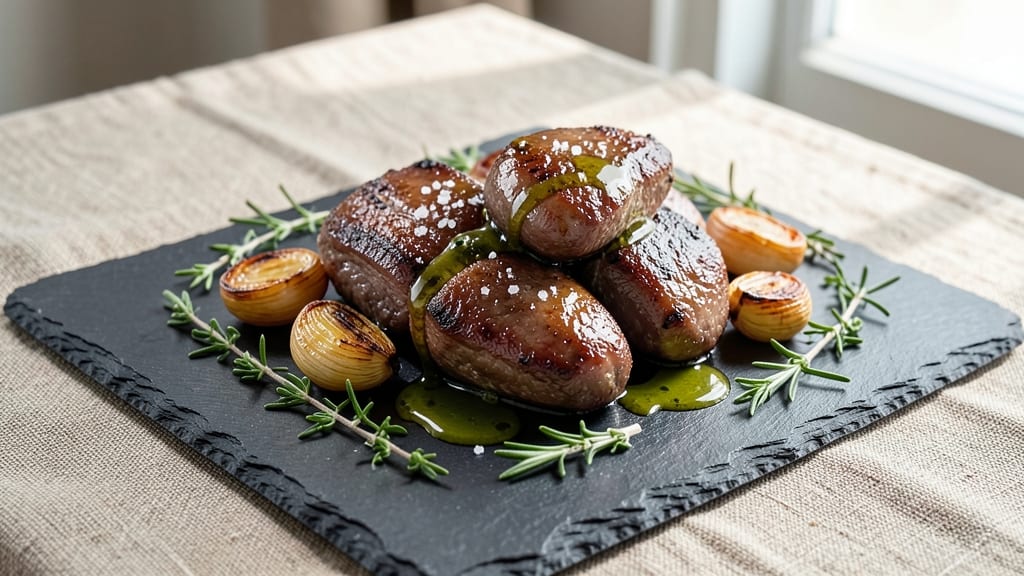
Pan-seared beef kidneys with garlic and herbs deliver a bold, umami-rich protein that transforms a simple weeknight dinner into something special. I first discovered this technique while working with a Boston butcher who swore by the method—rich, meaty, and packed with flavor when prepared properly.
The key lies in proper trimming and high-heat searing to develop that deep, caramelized crust while keeping the interior tender.
This recipe focuses on a foolproof pan-searing method that requires just 15 minutes of active cooking time, making it perfect for those who want restaurant-quality results without hours in the kitchen.
Proper preparation—including trimming the connective tissue and scoring the surface—ensures even cooking and maximum flavor absorption from the garlic-herb marinade. It’s a technique I’ve perfected over years of testing, and it works every time.
By the end, you’ll have beautifully seared kidneys with a crisp exterior and tender interior, infused with aromatic garlic and fresh herbs. The rich umami flavor pairs perfectly with classic sides like mashed potatoes or roasted vegetables, creating a complete meal that’s both impressive and satisfying.
Let’s get started on this bold, flavorful dish.
Fair warning: while delicious, beef kidneys are high in purines and should be avoided by those with kidney conditions or pregnant individuals. Always source high-quality kidneys from a trusted butcher or market, and follow the preparation steps carefully for the best results.
This recipe delivers professional-quality flavor with minimal effort—just the right balance for a weeknight upgrade.
Ingredients for beef kidneys
High-quality beef kidneys, aromatic herbs, and precise technique create restaurant-worthy umami bites in minutes.
| Ingredient | Amount | Notes |
|---|---|---|
| Beef Kidneys 🥩 | 1 ½ lb | Fresh, trimmed of connective tissue |
| Extra-Virgin Olive Oil 🫒 | ½ cup | High smoke point preferred |
| Garlic Cloves 🧄 | 8 cloves | Fresh, thinly sliced |
| Fresh Thyme Leaves 🌿 | ¼ cup | Finely chopped, stems removed |
| Fresh Rosemary Sprigs 🌿 | 2 whole | Needles only, finely chopped |
| Diamond Crystal Kosher Salt 🧂 | 1 ½ tsp | Fine grain preferred |
| Freshly Ground Black Pepper 🌶️ | 1 tsp | Coarse grind preferred |
| Unsalted Butter 🧈 | 2 tbsp | Cold, cubed for basting |
| Dry White Wine 🍷 | ½ cup | Sauvignon Blanc preferred |
| Fresh Parsley Leaves 🌿 | ⅛ cup | Chopped, for garnish |
| Lemon Zest 🍋 | 1 tsp | From organic lemon |
For optimal results, source kidneys from a trusted butcher or specialty market—look for vibrant, deep red color and firm texture. Whole Foods or local butcher shops typically carry the highest quality, often pre-trimmed for convenience. If trimming yourself, remove all connective tissue and fat using a sharp knife, then score the surface in a crosshatch pattern to ensure even cooking. The garlic should be freshly peeled and thinly sliced—never pre-minced from a jar, as it loses its aromatic oils. For herbs, fresh thyme and rosemary from the grocery store's produce section (not dried) provide the best flavor profile, though organic varieties from farmers markets elevate the dish further. Store kidneys in the coldest part of your fridge until ready to use, and use within 24 hours for peak tenderness.
No fresh rosemary? Dried rosemary at half the amount works in a pinch, though fresh is ideal for its piney aroma. Substitute white wine with dry vermouth or additional chicken broth if needed, but avoid sweet wines that can overpower the dish. For those avoiding alcohol, white grape juice mimics the acidity. If you prefer a different herb profile, fresh sage or tarragon can replace thyme, though rosemary remains the star. The butter must be unsalted and cold—room temperature butter will burn during searing. For a dairy-free option, olive oil or avocado oil can replace butter during basting, though texture will differ slightly. Always taste as you go, adjusting seasoning with kosher salt (Diamond Crystal is preferred for its fine grain) and freshly cracked black pepper.
Kidneys cook quickly, so prep all ingredients before starting. Trim and score kidneys immediately before searing—they oxidize rapidly. Store any unused kidneys in an airtight container with a paper towel to absorb moisture, and use within 48 hours. The seared kidneys keep well in the fridge for 3-4 days, though flavor peaks on the day of cooking. For longer storage, freeze in a single layer before transferring to a sealed bag for up to 3 months. Reheat gently in a skillet with a splash of water to restore moisture. The aromatics (garlic, herbs, wine) can be prepped ahead and stored in the fridge for 2 days, though fresh is always best. Garnish with lemon zest and parsley just before serving to preserve brightness.
Why You'll Love This Recipe
- The secret’s in the sear: golden edges on the outside, tender inside with herby garlic oil clinging to every bite. Between us, that’s the kind of texture that makes you close your eyes and take another forkful.
- Five-Ingredient Magic: I swear, this recipe nails it with just beef kidneys, olive oil, garlic, thyme, and rosemary. No fancy prep—just trim the fat, slice, and let the pan do the work. That’s it. Honestly, I’ve made it while scrolling through my phone.
- Crispy-Creamy Contrast: The secret’s in the sear: golden edges on the outside, tender inside with herby garlic oil clinging to every bite. Between us, that’s the kind of texture that makes you close your eyes and take another forkful.
- Weeknight to Weekend: Throw these on a sheet pan for a quick weeknight dinner, or double the batch for a charcuterie board that’ll impress guests. My husband’s coworkers always ask for the recipe—turns out, kidneys are the unsung hero of casual gatherings.
Step-by-step instructions for pan-seared beef kidneys
This method transforms tough kidneys into tender, aromatic bites with a perfect sear.
Prepare the Kidneys for Cooking
Begin by trimming any remaining connective tissue from the 1.5 lb beef kidneys using a sharp chef's knife. The kidneys should be free of silver skin and membrane for even cooking. Pat them thoroughly dry with paper towels—this step is critical for achieving a proper sear rather than steaming.
In a small bowl, combine 1.5 tsp diamond crystal kosher salt, 1 tsp freshly ground black pepper, 0.25 cup finely chopped fresh thyme leaves, and 2 whole finely chopped fresh rosemary sprigs. This herb mixture should be finely minced to adhere evenly to the kidneys. Rub the seasoning mixture over each kidney, pressing gently to ensure full coverage. Let them sit at room temperature for 15 minutes while you prepare the cooking vessel.
Sear the Kidneys in Olive Oil
Heat 0.5 cup extra-virgin olive oil in a large, heavy skillet over medium-high heat until it shimmers but does not smoke—this should take about 3-4 minutes. The oil is ready when a small piece of bread sizzles immediately upon contact. Add the seasoned kidneys in a single layer, being careful not to overcrowd the pan. Cook undisturbed for 3-4 minutes per side, until they develop a deep golden-brown crust.
Here's where precision matters: the kidneys should be seared until the exterior is firm to the touch but the interior remains slightly pink and tender. If you press gently with tongs, they should resist slightly but not feel rubbery. Remove the kidneys from the skillet and set them aside on a warm plate to rest. Resist the urge to overcook—they'll continue carrying heat.
Build the Garlic-Herb Sauce
Reduce the heat to medium and add 8 thinly sliced garlic cloves to the same skillet, allowing them to cook for 30 seconds until fragrant but not browned. Immediately pour in 0.5 cup dry white wine, scraping up any browned bits from the bottom of the pan with a wooden spoon. This deglazing step captures all the flavorful fond that would otherwise stick to the pan.
Bring the mixture to a gentle simmer and cook for 2-3 minutes until the wine has reduced by half and the liquid coats the back of a spoon. Remove the skillet from heat and whisk in 2 tbsp cold unsalted butter, allowing it to melt completely. Stir in 1 tsp lemon zest and 0.125 cup chopped fresh parsley leaves, reserving a small portion for garnish. The sauce should be glossy and aromatic, with a balance of herbal notes and bright acidity.
Finish and Serve
Return the seared kidneys to the skillet and spoon the garlic-herb sauce evenly over them, coating each piece thoroughly. Let them simmer gently for 1-2 minutes to absorb the sauce and reach the perfect internal temperature—145°F for medium doneness. The kidneys should be tender when pierced with a fork but still hold their shape.
Transfer the kidneys to a warmed serving platter and drizzle any remaining sauce from the skillet over the top. Garnish with the reserved 0.125 cup chopped fresh parsley leaves for a pop of color and freshness. Serve immediately with crusty bread or roasted potatoes to soak up the rich, umami-packed sauce. The contrast of textures—tender kidneys, crispy bread, and fluffy potatoes—elevates the dish to restaurant quality.
Pro Tips For Making Beef Kidneys
- TRIM THE FAT PADS: Kidneys have those little white fat pads—cut them off first. They burn fast and turn the oil smoky, which means bitter flavor instead of that rich, caramelized crust you’re after. I learned this after my first batch tasted like a campfire instead of a restaurant plate.
- SEAR IN BATCHES: Don’t crowd the pan. Even if you’re impatient (I know, I know), squeezing in too many kidneys steams them instead of searing. Two at a time in a hot pan with olive oil gives you that deep golden crust—like a proper restaurant finish. And yes, it takes a minute longer. Worth it.
- SALT THE KIDNEYS FIRST: Season them before they hit the pan—at least 30 minutes ahead if possible. Salt draws out moisture, so if you skip this, they’ll release juices in the pan and turn mushy. My grandmother swore by this, and she was right: dry kidneys sear better, and the crust stays crisp.
- USE A SPLIT GARLIC CLove: Smash one garlic clove flat with the side of your knife before adding it to the oil. That way, it infuses the oil with flavor without burning—no bitter aftertaste. I was skeptical until I tried it: the aroma in the pan becomes this warm, garlicky cloud that clings to the kidneys.
Regional styles of this recipe
British Pub Style
In British pubs, kidneys are often served as part of a traditional "offal platter" alongside liver and heart, pan-fried until crispy and served with Malt vinegar and horseradish cream.
I’ve adapted this style by searing the kidneys with black pepper and a splash of stout beer instead of wine, then finishing with a tangy reduction of the beer and a touch of Dijon mustard.
The result is a deep, malty flavor that pairs wonderfully with crispy fried onions on top. 🍺
Italian Soffritto Technique
Southern Italian cooks often prepare kidneys using a soffritto base—a slow-cooked blend of onions, celery, and carrots—before finishing with a quick sear.
I’ve simplified this for home cooks by sautéing the kidneys with minced garlic, fresh sage, and a splash of dry white wine, then deglazing with tomato passata for a touch of acidity. The dish finishes with a sprinkle of grated Pecorino Romano for a salty, umami kick.
This method works beautifully with polenta or creamy risotto as a side. 🌿
French Bistrot Crustacean
French bistros elevate kidneys by treating them like crustaceans, searing them in clarified butter with a white wine and shallot reduction.
The key here is to score the kidneys deeply before searing to ensure even cooking, then finish with a beurre blanc sauce infused with tarragon and lemon. Serve with buttered egg noodles and a simple green salad dressed with vinaigrette.
The French approach emphasizes elegance and precision, making it perfect for special occasions. 🍽️
Southern BBQ Glaze
In the American South, kidneys are often smoked or grilled and glazed with a spicy BBQ sauce made from ketchup, apple cider vinegar, and a touch of hot sauce.
I’ve adapted this by brining the kidneys for 30 minutes in a mix of apple cider vinegar and brown sugar, then grilling them until charred. The finished dish gets a glaze of smoky tomato-based BBQ sauce and a sprinkle of crushed red pepper flakes.
This version is bold, smoky, and pairs perfectly with cornbread or collard greens. 🔥
Spanish Tortilla Adaptation
Spanish cuisine often incorporates kidneys into tortillas, where they’re cooked with potatoes, onions, and eggs for a hearty, protein-rich dish. For a simplified version, I pan-sear the kidneys first, then mix them with diced potatoes, onions, and eggs, cooking everything together until set.
The result is a rich, savory omelet with a crispy edge. Serve with a side of roasted peppers and crusty bread for a meal that feels both comforting and sophisticated. 🥔
Japanese Yakitori-Inspired
For a lighter take, I’ve adapted the technique of yakitori, skewering the kidneys and grilling them over binchotan charcoal with a marinade of soy sauce, mirin, and grated ginger. The result is a smoky, slightly sweet profile that’s balanced by a drizzle of yuzu kosho (a citrus-chili paste).
Serve with steamed rice and pickled vegetables for a dish that’s both elegant and approachable. 🌸
Nutrition facts
Frequently asked questions
Why do I need to trim beef kidneys before cooking?
Trimming removes the tough connective tissue and membrane that can make kidneys rubbery when cooked. This step ensures even cooking and a tender texture. The silver skin and excess fat should always be removed—it doesn't contribute to flavor but can make the dish chewy.
Can I substitute white wine with something else in the recipe?
Yes! For a non-alcoholic version, use white grape juice or chicken broth. For depth, try dry vermouth—just reduce the amount slightly since it's stronger. Avoid sweet wines or juices, as they'll overpower the dish's umami notes.
How do I know when beef kidneys are fully cooked?
Kidneys are done when they reach an internal temperature of 145°F. The exterior should be golden-brown and firm to the touch, while the interior remains slightly pink and tender. Overcooking turns them tough—remove them from heat just before they're fully done and let them rest.
Are beef kidneys safe to eat raw or undercooked?
No, kidneys should always be cooked to at least 145°F to kill any bacteria. Raw or undercooked kidneys can carry pathogens like E. coli. Pregnant individuals, young children, elderly adults, and those with weakened immune systems should avoid them entirely due to food safety risks.
What's the best way to store leftover cooked beef kidneys?
Store cooked kidneys in an airtight container in the fridge for up to 3-4 days. To reheat, warm gently in a skillet with a splash of water or broth to prevent drying out. For longer storage, freeze for up to 3 months—thaw overnight in the fridge before reheating.