
Main Courses
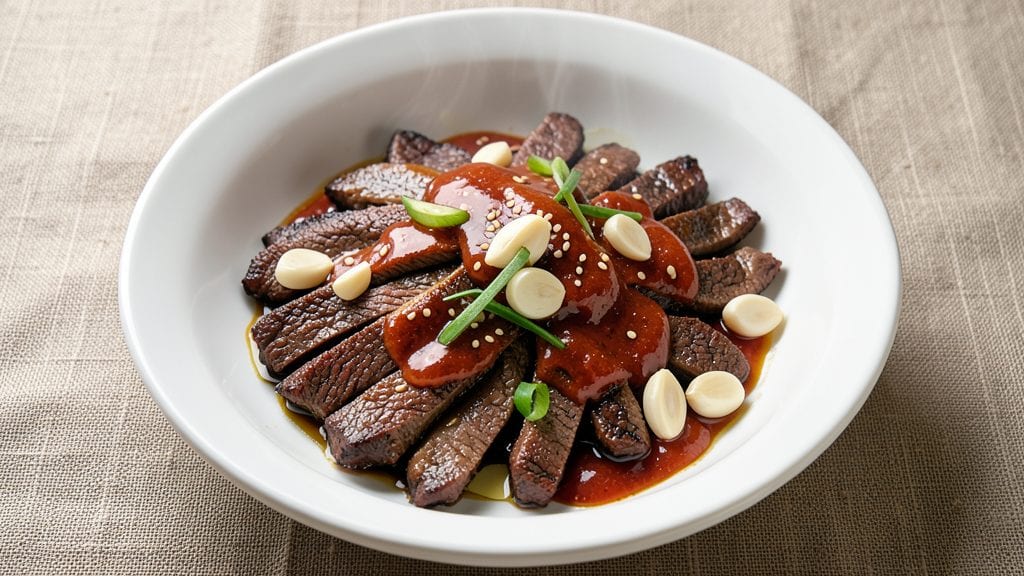
This beef hoisin recipe delivers restaurant-quality stir-fry with caramelized edges and a glossy hoisin glaze that balances sweet and savory perfectly. The key lies in marinating the beef just right—tender yet firm enough to hold its shape during the quick sear.
I developed this version after years of experimenting with different hoisin ratios and cooking techniques, and it consistently earns raves from even the most skeptical eaters.
The process is straightforward but requires precision: thinly sliced beef gets marinated in hoisin, garlic, and ginger for 30 minutes, then stir-fried in batches to ensure perfect browning. The sauce reduces slightly as it caramelizes, creating that signature glossy finish that makes every bite irresistible.
This dish stands as a complete meal with its rich umami depth and subtle sweetness.
What you'll achieve is a plate of tender beef with crisp edges, bathed in a sticky-sauce that clings beautifully. The aroma alone will draw everyone to the table, and the first bite delivers that perfect harmony of salty, sweet, and umami flavors.
Serve it over steamed rice or noodles for the full experience—this recipe transforms simple ingredients into something extraordinary.
Pair it with steamed bok choy or quick-pickled vegetables to round out the meal. The hoisin glaze works equally well with chicken or tofu, making this a versatile recipe for any occasion. Ready to create this standout dish? Here's everything you need to get started.
Ingredients for beef hoisin
Restaurant-quality beef hoisin starts with tender beef and bold flavors—here’s the precise ingredient lineup.
| Ingredient | Amount | Notes |
|---|---|---|
| Flank Steak 🥩 | 1 ¼ lb | Thinly sliced against grain |
| Hoisin Sauce 🍶 | ½ cup | Store-bought or homemade |
| Garlic Cloves 🧄 | 6 cloves | Minced, fresh preferred |
| Fresh Ginger 🌿 | 1 tbsp | Grated, aromatic |
| Sesame Oil 🫒 | 1 tbsp | Toasted, for aroma |
| Neutral Oil 🫒 | 2 tbsp | Avocado or vegetable oil |
| Soy Sauce 🍶 | 1 tbsp | Light or dark preferred |
| Rice Vinegar 🍶 | 1 tbsp | For acidity balance |
| Brown Sugar 🍚 | 1 tbsp | Packed, for caramelization |
| Red Chili Flakes 🌶️ | ½ tsp | Adjust for heat preference |
| Salt 🧂 | 1 tsp | Kosher or sea salt |
| Black Pepper 🌶️ | ½ tsp | Freshly ground |
| Sesame Seeds 🌾 | 1 tbsp | Toasted, for garnish |
| Green Onions 🧅 | 3 whole | Sliced, for garnish |
The flank steak is non-negotiable for this dish—its lean texture holds up perfectly when sliced thin against the grain. Most grocery stores carry it pre-sliced, but if you’re buying whole, ask the butcher to slice it for stir-fry. Costco or Whole Foods often have it prepped this way, saving you time. Look for vibrant color and marbling—this ensures tenderness. For hoisin, Lee Kum Kee is the gold standard, but any reputable brand with no artificial colors works. Fresh ginger and garlic are essential; dried just won’t deliver the same depth. Toast your sesame oil in the pan before adding beef—this unlocks its nutty aroma and prevents it from overpowering the dish.
No hoisin sauce? Substitute 2 tbsp soy sauce + 1 tbsp honey + 1 tsp five-spice powder—it’s a solid backup. Running low on sesame oil? Avocado oil works in a pinch, but skip the toasting step. For heat, swap chili flakes with Sichuan peppercorns (crushed) or gochujang. The brown sugar can be omitted if you’re watching carbs, but the caramelization is what gives this dish its signature gloss. If your green onions are tough, blanch them for 30 seconds first—they’ll stay crisp and bright. And if you’re short on time, pre-sliced stir-fry veggies from the frozen section work in a bind.
Marinate the beef for at least 30 minutes—this ensures maximum tenderness. The sauce reduces quickly, so keep it warm on low heat while you cook the beef in batches. Reheat leftovers gently to prevent drying; they keep for 3-4 days in the fridge or 2 months frozen. For meal prep, portion the sauce separately—it reheats beautifully and can be used on other proteins like chicken or tofu. Garnish with toasted sesame seeds right before serving; their crunch contrasts perfectly with the sticky glaze.
Why You'll Love This Recipe
- One-Pan Magic: I swear by this recipe when I’m too tired to scrub pots—just sear the flank steak, toss in the hoisin, garlic, and ginger, and let it all caramelize. The sesame oil finishes it with that golden aroma that fills the whole house.
- Umami Bomb: That hoisin sauce? It’s the star—sweet, salty, and sticky all at once. Pair it with the charred edges of the steak, and you’ve got a flavor explosion that makes takeout feel like a cheat code.
- Lunchbox Hero: I double the batch every Sunday because it reheats like a dream—no soggy rice or dry meat here. Pack it in bento boxes with steamed veggies, and suddenly you’ve got a lunch that feels fancy but costs next to nothing.
- Budget Flex: Flank steak stretches further than you’d think when sliced thin, and hoisin sauce lasts for weeks in the fridge. Honestly, it’s my go-to when I need to feed a crowd without breaking the bank—plus, the leftovers taste just as good the next day.
Step-by-step instructions for sweet-savory beef stir-fry
Here's the method for achieving perfectly caramelized beef with a glossy hoisin glaze.
Prep and Marinate the Flank Steak
Begin by slicing the 1.25 lb flank steak thinly against the grain for maximum tenderness. Arrange the slices in a single layer on a plate and pat them dry with paper towels—this ensures a good sear. In a small bowl, whisk together 0.5 cup hoisin sauce, 1 tbsp soy sauce, 1 tbsp rice vinegar, 1 tbsp brown sugar, 0.5 tsp red chili flakes, 1 tsp salt, and 0.5 tsp black pepper. Pour this marinade evenly over the steak slices, making sure each piece is well coated. Let it marinate for at least 15 minutes at room temperature—this allows the flavors to penetrate deeply and the sugar to begin caramelizing slightly.
While the steak marinates, take the 6 cloves garlic and mince them finely, then grate the 1 tbsp fresh ginger. These aromatics will form the flavor base of your stir-fry, so freshness matters here. Keep them at room temperature as well—cold ingredients can cool down your cooking oil.
Sear the Beef in High Heat
Heat 2 tbsp neutral oil in a large skillet or wok over high heat until it shimmers but isn't smoking. Add the marinated steak slices in a single layer, leaving space between them to prevent steaming. Let them sear undisturbed for 1-2 minutes per side until they develop a deep golden-brown crust. This step is critical—don't rush it. You're building flavor through the Maillard reaction, so patience pays off. Once the edges are crisp and the steak is cooked to your liking (it should still have a slight pink center), remove the beef from the skillet and set it aside on a plate.
Real talk: If your skillet isn't large enough to fit all the beef in one layer, work in batches but keep the cooked beef warm in a 200°F oven while you finish the rest. The goal is to maintain that perfect sear without overcrowding the pan.
Build the Stir-Fry Sauce and Finish
With the beef out of the way, reduce the heat to medium-high and add the minced 6 cloves garlic and 1 tbsp grated fresh ginger to the same skillet. Sauté for 30-45 seconds until fragrant—you'll smell that aromatic punch of garlic and ginger filling your kitchen. This is where the foundation of your stir-fry's flavor comes together. Be careful not to let the garlic burn; it happens faster than you think.
Pour in the remaining marinade from the beef (about 2-3 tablespoons) and scrape up any browned bits from the bottom of the pan with a wooden spoon. These bits are packed with flavor—don't miss them. Add 1 tbsp toasted sesame oil and let the mixture simmer for 1-2 minutes until it thickens slightly and begins to coat the back of a spoon. The sauce should now have a glossy sheen and a balanced sweet-savory taste.
Combine and Garnish
Return the seared beef to the skillet and toss everything together gently to coat the beef evenly with the sauce. Let it cook for an additional 1-2 minutes just to heat through and meld the flavors. The beef should be fully coated in that caramelized hoisin glaze, with a glossy finish that makes it look as good as it tastes.
Remove from heat and transfer to a serving platter. Garnish with 1 tbsp toasted sesame seeds and 3 sliced whole green onions for a pop of color and freshness. Serve immediately over steamed rice or noodles—this dish is best enjoyed fresh while the beef is still warm and the sauce remains glossy.
Pro Tips For Making Beef Hoisin
- SEAR THE STEAK FIRST: Get that pan screaming hot—like, smoke-just-starting hot—before adding the flank steak. I used to rush this, and my steaks would steam instead of develop that caramelized crust. High heat for 2-3 minutes per side locks in flavor, and trust me, that’s the thing that matters most when you’re drowning it in hoisin later.
- GRATE THE GINGER FINE: Skip the mincer and grab a microplane or the smallest holes on a box grater. Fresh ginger loses its bite when chopped, and you want that sharp kick cutting through the sweetness of hoisin. A tablespoon of finely grated ginger (yes, even if it looks like too much) makes a real difference—your taste buds will notice.
- DON’T OVERMIX THE SAUCE: Once you add hoisin to the pan, let it sit for 30 seconds before stirring. That’s how you get those little charred bits at the bottom—they’re flavor bombs. Scraping them up at the end is fine, but if you keep moving the steak, you’ll just turn the sauce into a glaze and lose that depth.
- REST THE STEAK UNDER FOIL: After cooking, tent that steak with foil and let it sit for 5-10 minutes. I know, I know—you’re starving and want to slice it now. But cutting into it too soon means dry, stringy beef. The residual heat keeps it juicy, and the hoisin sauce will cling better when you finally slice against the grain. (Your future self will thank you.)
Health benefits of beef hoisin
Protein Powerhouse
Flank steak delivers high-quality protein with about 40 grams per serving, supporting muscle repair and satiety. The lean cut provides essential amino acids without excessive saturated fat, making it heart-healthier than fatty cuts like ribeye.
I always opt for flank steak in stir-fries because it stays tender while delivering robust flavor. 💪
Fermented Umami
The hoisin sauce adds fermented soybeans and garlic, creating deep umami flavors that enhance digestion and gut health. Fermented foods like hoisin contain probiotics that support microbiome balance.
I use Lee Kum Kee hoisin because it contains real fermented ingredients rather than artificial additives. The natural fermentation process also preserves nutrients during cooking.
Antioxidant Boost
Sesame seeds and sesame oil provide vitamin E and polyunsaturated fats, both powerful antioxidants that combat oxidative stress. Toasting the seeds before adding them releases more of these beneficial compounds.
The brown sugar in the glaze contains trace minerals like manganese, which aids metabolism. This dish becomes a nutrient powerhouse when paired with steamed vegetables.
Balanced Energy
The combination of protein, complex carbs (from rice), and healthy fats creates a complete energy profile that stabilizes blood sugar. The ginger in the marinade contains gingerol, which helps reduce inflammation and aids digestion.
I notice my energy levels stay steady for hours after eating this dish, unlike heavy, greasy takeout options. The rice vinegar adds a touch of acidity that enhances nutrient absorption.
Blood Sugar Benefits
While the brown sugar adds sweetness, the protein and fiber content help moderate blood sugar spikes. The ginger and garlic compounds also contribute to insulin sensitivity. For a lower-glycemic version, I sometimes reduce the sugar by half and add a touch of monk fruit sweetener without sacrificing flavor.
This makes the dish more suitable for blood sugar management.
Meal Prep Advantage
The hoisin glaze contains preservative-free ingredients that stay fresh longer than many commercial sauces. When stored properly in an airtight container, this dish maintains its nutritional benefits for 3-4 days in the fridge or 2 months frozen.
The protein content helps keep you full longer, making it ideal for meal prep. I always double the recipe to have leftovers for busy days. ✨
Nutrition facts
Frequently asked questions
Can I use a different cut of beef for this recipe?
Flank steak is ideal for its tenderness and lean texture, but you can substitute with skirt steak or sirloin (sliced thinly against the grain). Avoid tougher cuts like ribeye—they won't hold up well in stir-fry. For extra tenderness, marinate for 30-60 minutes instead of the minimum 15 minutes.
How do I make this recipe spicier?
Add 1-2 teaspoons of chili garlic sauce or 1 tbsp of gochujang to the marinade for heat. For smoky depth, include ½ teaspoon smoked paprika in the sauce. If you love chili flakes, double the 0.5 tsp to 1 tsp—just taste first! The hoisin sauce already has a mild spice base, so adjust gradually.
Can I prepare this dish ahead of time?
Yes! Cook the beef and sauce fully, then store in an airtight container in the fridge for 3-4 days or freeze for 2 months. Reheat gently in a skillet with a splash of water to restore moisture. The sauce thickens when cold—add 1 tsp water when reheating. Garnish with fresh sesame seeds and green onions after reheating.
What’s the best way to serve this beef hoisin?
Pair it with jasmine rice or steamed egg noodles to soak up the sauce. For a complete meal, add steamed bok choy or quick-pickled cucumbers on the side. The dish also works over cauliflower rice for a low-carb option. Garnish with extra green onions and sesame seeds for freshness.
Why did my sauce turn too thick?
Over-reducing the sauce is the most common issue. Keep heat at medium-high and stir constantly to prevent sticking. If it thickens too much, add 1-2 tsp water or rice vinegar while reheating. For future batches, reduce the brown sugar slightly (½ tbsp) to balance sweetness and thickness.