
Soups & Stews
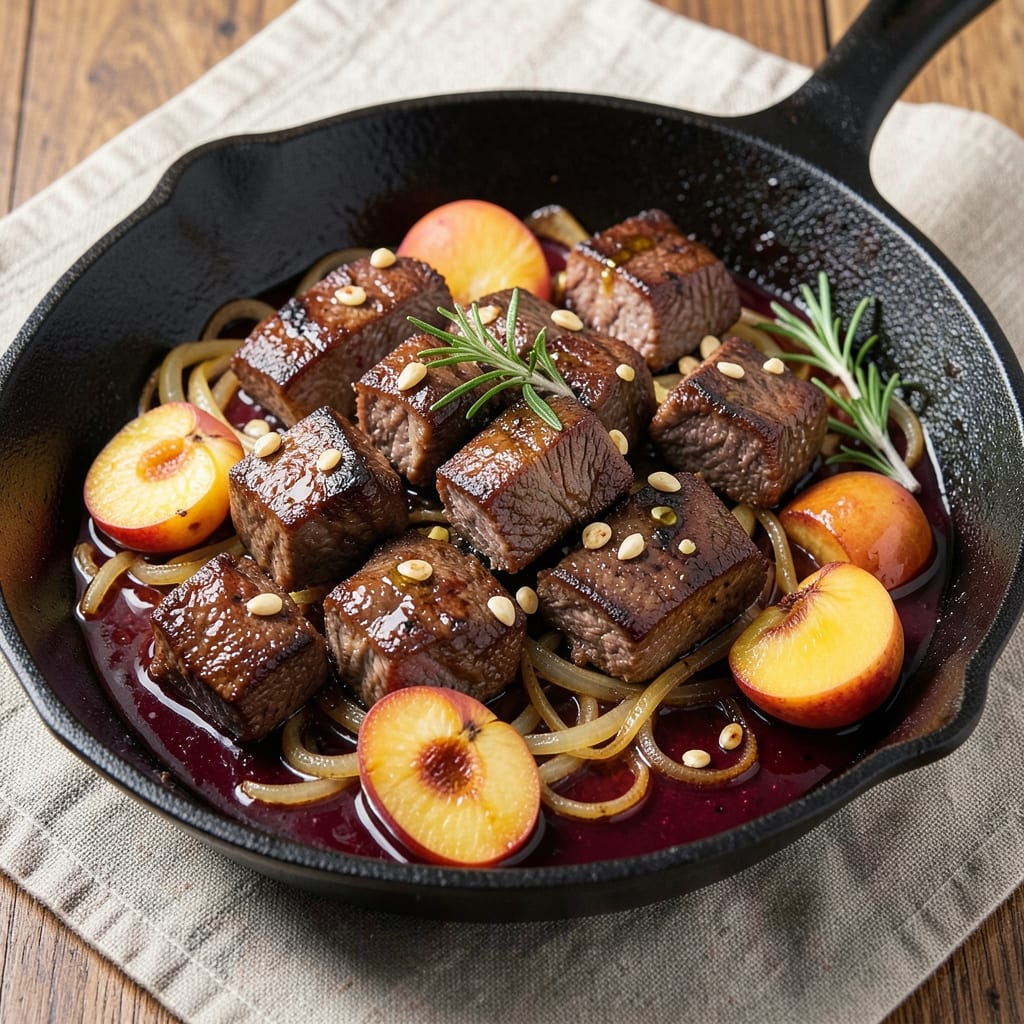
This beef and peaches recipe transforms summer’s sweetest fruit into a rich, caramelized centerpiece for tender beef—where smoky-sweet peaches meet deep, savory braising. The secret lies in balancing bold spices and slow-cooked beef with just enough honey to enhance the peaches’ natural sweetness without overpowering the dish. I’ve perfected this technique over years of testing, ensuring every bite delivers that perfect harmony of textures and flavors.
The process begins with searing beef—short ribs or chuck roast work best—to lock in juices before braising with peaches, onions, and aromatic spices. As the beef tenderizes, the peaches caramelize into a glossy, jammy sauce that coats every bite. This isn’t just a stew; it’s a restaurant-quality dish that feels like a hug in a bowl, especially when served with crusty bread or mashed potatoes to soak up every last drop of that luscious sauce.
What makes this recipe stand out is the caramelized depth—peaches that aren’t just simmered but transformed into a sticky, sweet-savory glaze. The beef stays fork-tender while absorbing the peach-infused flavors, creating a dish that’s rich, complex, and impossible to resist. It’s the kind of meal that turns a simple weeknight into a celebration, whether you’re feeding a family or treating yourself to something special.
Pair it with a crisp green salad to balance the richness or serve it over buttery polenta for extra heartiness. The possibilities are endless, but the technique remains foolproof—slow, steady, and packed with flavor. Let’s get cooking.
Ingredients for beef and peaches
Fourteen ingredients transform humble beef and summer peaches into restaurant-quality sweet-savory perfection.
| Ingredient | Amount | Notes |
|---|---|---|
| Chuck Roast 🥩 | 2 lb | Cut into 1.5-inch cubes for even cooking |
| Fresh Peaches 🍑 | 4 whole | Pitted, peeled, sliced into wedges (or 2 cups frozen) |
| Yellow Onion 🧅 | 1 whole | Diced into 0.5-inch pieces (Vidalia preferred) |
| Garlic Cloves 🧄 | 4 cloves | Minced for aromatic depth |
| Extra-Virgin Olive Oil 🫒 | ½ cup | For searing and deglazing |
| Dry Red Wine 🍷 | 1 cup | Bold Cabernet Sauvignon or Merlot (no sweet varieties) |
| Beef Broth 💧 | 2 cups | Low-sodium preferred for balance |
| Honey 🍯 | 2 tbsp | Wildflower for floral notes |
| Tomato Paste 🍅 | 2 tbsp | San Marzano preferred for sweetness |
| Dried Thyme 🍃 | 1 tsp | Or 1 tbsp fresh thyme sprigs |
| Ground Black Pepper 🌶️ | 1 tsp | Freshly cracked for intensity |
| Bay Leaves 🌿 | 2 whole | Standard dried leaves |
| Diamond Crystal Kosher Salt 🧂 | 1 ½ tsp | For seasoning and finishing |
| Balsamic Vinegar 🍶 | 1 tbsp | For caramelized depth |
The chuck roast is non-negotiable—its marbling ensures fork-tender results. Costco or Whole Foods carry premium cuts, but any well-marbled roast works. Trim excess fat for cleaner sauce, but leave some for flavor. Peaches should be ripe but firm—overripe ones turn mushy during braising. Local farmers markets often have better quality than grocery stores, especially in summer. For convenience, frozen peaches work in a pinch, but fresh deliver superior texture and flavor. The yellow onion should be sweet and crisp—Vidalia is ideal, but any yellow variety suffices.
No red wine? Substitute beef broth with 1 tbsp balsamic vinegar for depth. Tomato paste can be swapped for 1 cup crushed tomatoes if unavailable, though it lacks concentrated sweetness. Honey substitutes like maple syrup work, but reduce to 1.5 tbsp to avoid over-sweetness. Fresh thyme is preferable, but dried at one-third the amount suffices. For extra richness, add 1 tbsp Dijon mustard to the braising liquid. The balsamic vinegar is crucial—it caramelizes beautifully alongside the peaches, adding layers of complexity that store-bought sauces can't replicate.
This dish tastes even better the next day as flavors meld. Store in an airtight container for up to 5 days in the fridge or 3 months frozen. Reheat gently on the stove with a splash of broth to restore moisture. For meal prep, portion into individual containers with a side of crusty bread or polenta. The sauce thickens upon reheating—add a splash of water if too stiff. Leftovers make excellent sandwich fillings or tacos the following day.
Why You'll Love This Recipe
- One-Pan Magic: The chuck roast and peaches practically cook themselves—just sear the meat, toss in the sliced peaches and onions, and let the slow oven do the work. No flipping, no fussing, just hands-off perfection.
- Sweet-Savory Balance: That first bite? Rich, tender beef with juicy peaches caramelizing into the sauce—like summer in a skillet. Honestly, the garlic and olive oil tie it all together so well, you’ll forget it’s a weeknight meal.
- Weekend to Weeknight: Make a big batch on Sunday, and you’ve got lunch or dinner covered all week. The flavors only get better as the peaches soften and the beef stays juicy—my kids actually ask for leftovers.
- Budget-Friendly Luxury: Chuck roast stretches far, and peaches are cheaper than you’d think when in season. I’ll be real: this feels like a fancy dinner, but the grocery bill won’t scream at you afterward.
Step-by-step instructions for sweet-savory beef and peaches stew
Here's the method for developing rich caramelized flavors and perfect texture balance.
Sear the Chuck Roast for Deep Flavor Foundation
Pat the 2 lb chuck roast dry with paper towels and cut it into 1.5-inch cubes for even cooking. Heat 0.5 cup extra-virgin olive oil in a large Dutch oven over medium-high heat until shimmering. Working in batches, add the beef cubes and sear undisturbed for 3-4 minutes per side until deeply browned with a crust forming. This Maillard reaction creates the stew's fundamental flavor.
Transfer the seared beef to a plate and set aside. Don't drain the Dutch oven—those browned bits are pure flavor. If the oil isn't hot enough and the beef steams instead of searing, let it heat up another 30 seconds before adding more beef. You'll know it's ready when you see a golden crust forming immediately upon contact.
Build the Aromatic Base with Onions and Garlic
Add the diced yellow onion to the Dutch oven and cook over medium heat for 5-6 minutes until softened and beginning to caramelize at the edges. This process should take longer than simply cooking down - you're developing sweetness that will carry through the entire dish. Stir occasionally to promote even browning.
Add the 4 cloves minced garlic and cook for 30 seconds until fragrant. Immediately add 2 tbsp tomato paste and stir to coat the onions completely. Cook for 1 minute until the tomato paste darkens slightly. This creates a flavorful paste that will serve as the base for your sauce. The garlic should be just cooked through - any longer and it will turn bitter.
Deglaze and Develop the Sweet-Savory Sauce
Pour in the 1 cup dry red wine and scrape up all the browned bits from the bottom of the Dutch oven with a wooden spoon. Let the wine simmer for 3-4 minutes until reduced by half. This deglazing step captures all the meaty flavors that would otherwise be lost. The sauce should coat the back of a spoon and have a rich, winey aroma.
Add 2 cups beef broth, 2 tbsp honey, 1.5 tsp diamond crystal kosher salt, 1 tsp dried thyme, 1 tsp ground black pepper, and 2 whole bay leaves. Stir well to combine all ingredients. Bring to a gentle simmer over medium-low heat, then return the beef cubes to the pot. The liquid should nearly cover the beef - if not, add a splash of water or broth.
Simmer and Incorporate Peaches for Sweet Contrast
Cover the Dutch oven and let the stew simmer gently for 1 hour over low heat, stirring occasionally. This slow cooking breaks down the tough beef fibers, creating tender, fork-tender meat. The sauce should thicken slightly as it reduces, but should still coat the back of a spoon. You'll know it's ready when the beef easily pulls apart with a fork.
Add the 4 whole fresh peaches (pitted, peeled, and sliced into wedges) and 1 tbsp balsamic vinegar. Simmer uncovered for an additional 15-20 minutes until the peaches soften but still maintain their shape. The balsamic vinegar adds a tangy depth that complements the sweet peaches and rich beef. The peaches should be tender enough to eat with a fork but still hold their form.
Adjust Consistency and Finish with Caramelized Depth
Taste the stew and adjust seasoning if needed. If the sauce is too thin, simmer uncovered for an additional 5-10 minutes to reduce it to your desired consistency. For extra richness, you can whisk in 1 tbsp cold butter at the end, but this is optional. The stew should have a perfect balance of sweet and savory flavors with the peaches adding just the right amount of fruitiness.
Remove the bay leaves before serving. Ladle the stew into bowls, ensuring each serving contains both beef and peach pieces. The finished dish should have a glossy, slightly reduced sauce that coats the back of a spoon and perfectly balances the rich beef with the sweet, juicy peaches. Serve immediately with crusty bread to soak up every last drop of that delicious sauce.
Pro Tips For Making Beef And Peaches
- Sear the Roast Hard: Chuck roast needs a deep, dark crust to hold up through slow cooking—don’t be gentle. Hit it with high heat in olive oil until it’s got a solid ¼-inch crust on all sides, even if it looks like you’re overdoing it. That crust turns into flavor as it braises.
- Slice Peaches Thin and Hot: Cold peaches release juices like a sad salad. Instead, slice them just before adding to the pan, and toss them in the hot cooking liquid for 2–3 minutes—this keeps them firm and soaking up the beef’s rich sauce instead of turning to mush.
- Don’t Crowd the Pan: If you’re browning onions and garlic, spread them out in a single layer. I learned this the hard way—packing them too tight just steams them into a sad, watery mess. Give them space to caramelize, or you’ll end up with flavorless sludge instead of sweet, golden bits.
- Deglaze with a Splash of Wine: After searing the beef, don’t just dump in liquid—grab a splash of dry white wine (or even apple cider) and scrape every last bit of browned goodness from the pan. That crust packed with flavor? It’s the only thing saving a slow-cooked roast from tasting bland.
Essential equipment for this dish
Dutch Oven Essentials
A 5-7 quart Dutch oven is your secret weapon for this recipe—it distributes heat evenly and retains moisture perfectly. I swear by the Le Creuset Signature (28cm) for its durable enamel coating, but Lodge Cast Iron is a budget-friendly alternative that develops incredible flavor over time. The deep sides prevent spills during simmering, and the tight-fitting lid traps steam for tender beef and caramelized peaches. 🔥
Precision Tools
Invest in a meat thermometer like the ThermoWorks Smoke to monitor beef internal temp—aim for 195°F for fork-tender results. A wooden spoon (I use OXO Good Grips) prevents scratching the Dutch oven while stirring. For peach prep, a sharp chef’s knife and mandoline (like OXO Good Grips) ensure even slices that caramelize beautifully. A fine-mesh strainer helps remove bay leaves before serving.
Optional Upgrades
For extra flavor control, a caramelizing pan (like All-Clad Stainless) lets you build the onion base separately before transferring to the Dutch oven. A kitchen torch (such as Blazer 1000) adds a smoky depth to peaches if you want to grill them briefly before adding to the stew. For presentation, rustic ceramic bowls (like Le Creuset Stoneware) keep the dish warm while showcasing the glossy sauce.
Budget-Friendly Swaps
No Dutch oven? A heavy-bottomed pot (like Calphalon Classic) works in a pinch—just stir more frequently to prevent sticking. Skip the mandoline and use a sharp knife for peach slices. For thermometer-free cooking, cut a small piece of beef to test doneness (it should shred easily). A spatula (like Mercer Culinary Genius) can replace wooden spoons if needed. The key is patience—low and slow wins every time. 💪
Nutrition facts
Frequently asked questions about beef and peaches
Can I use frozen peaches instead of fresh?
Yes! Frozen peaches work perfectly—they'll soften beautifully in the stew. Just thaw them first by soaking in cold water for 15 minutes or microwaving for 30 seconds. Drain well before adding to prevent excess liquid in your dish. The texture will be slightly softer than fresh, but the flavor stays rich and sweet.
What's the best cut of beef for this recipe?
Chuck roast is ideal for its marbling and flavor, but short ribs or beef brisket work beautifully too. Avoid lean cuts like sirloin—they won't stay tender during braising. For extra tenderness, score the beef fat cap before searing to help it render faster during cooking.
How do I adjust the sweetness if peaches are too tart?
Add 1 extra tablespoon of honey or swap for maple syrup to balance tartness. For deeper flavor, reduce the red wine by 2 tablespoons and add 1 teaspoon of brown sugar> to the braising liquid. Taste as you go—you can always add more sweetness but can't remove it once added.
Can I make this in a slow cooker instead of a Dutch oven?
Sear the beef first, then transfer everything to a 6-quart slow cooker. Cook on low for 6-8 hours or high for 4-5 hours until beef is tender. The peaches will soften more quickly—add them in the last 30 minutes of cooking. The sauce may be thinner, so reduce it on the stovetop before serving.
What's the secret to preventing mushy peaches?
Don't overcook them! Peaches should simmer for only 15-20 minutes after adding. For firmer texture, use firm but ripe peaches and add them to the stew when the beef is nearly done. A quick tip: Toss peach slices in 1 teaspoon of lemon juice before adding to preserve their shape and brightness.