
Snacks
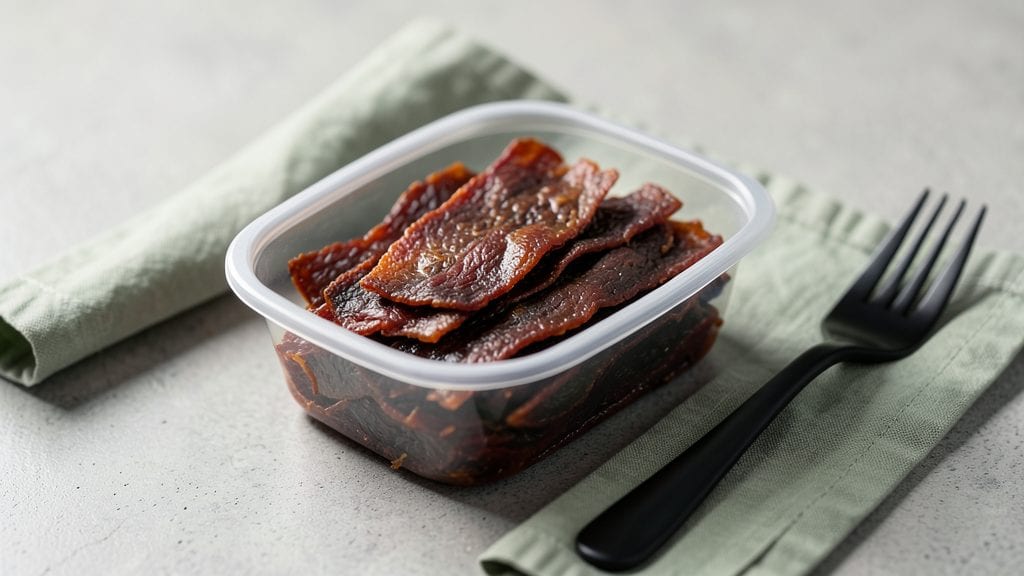
Making beef heart jerky transforms tough cuts into a protein-packed snack with deep, smoky flavor and satisfying chew—perfect for camping trips or protein bars. The key lies in proper curing and slow drying, which preserves nutrients while developing that signature texture.
I’ve perfected this method over years of testing, balancing traditional salt-curing with modern marinades for maximum flavor and safety.
This recipe delivers restaurant-quality jerky in just 3 hours using an oven, dehydrator, or smoker—no specialized equipment required. The marinade blends bold spices with tenderizing agents to ensure the beef heart stays juicy and flavorful, not rubbery.
Whether you’re a survivalist or just craving a high-protein snack, this method guarantees results that rival store-bought versions.
By the end, you’ll have crispy-edged, chewy jerky with layers of smoky, spiced depth—ideal for on-the-go energy or gifting. The process is straightforward but precise, with safety tips to ensure proper curing. Optional variations let you customize flavors, from classic teriyaki to bold Cajun heat. Let’s get started!
Store your jerky in an airtight container for up to 2 weeks, or vacuum-seal for long-term preservation. This recipe scales easily, so double the batch for meal prep or sharing. The versatility makes it perfect for any diet—just ensure proper curing for safety. Ready to make your own?
Ingredients for beef heart jerky
Transform tough beef heart into restaurant-quality jerky with these precision-cured ingredients.
| Ingredient | Amount | Notes |
|---|---|---|
| Beef Heart (Whole) 🥩 | 2 lb | Trimmed of fat and silver skin |
| Kosher Salt 🧂 | ½ cup | Diamond Crystal preferred for curing |
| Brown Sugar 🍯 | ¼ cup | Light or dark, packed |
| Ground Black Pepper 🌶️ | 2 tbsp | Freshly cracked for intensity |
| Smoked Paprika 🌶️ | 2 tbsp | High-quality for smoky depth |
| Garlic Powder 🧄 | 1 tbsp | Freshly ground preferred |
| Onion Powder 🧅 | 1 tbsp | For sweet undertones |
| Ground Cumin 🌿 | 1 tbsp | Toasted for warmth |
| Cayenne Pepper 🔥 | 1 tsp | Adjust for heat preference |
| Worcestershire Sauce 🍶 | 2 tbsp | For umami complexity |
| Apple Cider Vinegar 🍎 | ¼ cup | For tenderizing and tang |
| Extra-Virgin Olive Oil 🫒 | 2 tbsp | High-quality for marinade |
| Liquid Smoke 💨 | 1 tsp | Optional for enhanced smokiness |
The beef heart is the foundation—look for bright red, firm cuts with minimal fat. Local butchers or specialty meat markets often carry the best quality, but Costco or Whole Foods will have it pre-trimmed for convenience. Trim any remaining fat or silver skin meticulously, as these can spoil during curing. For optimal texture, slice the heart thinly against the grain—about ¼-inch thick strips—using a sharp knife or meat slicer. If sourcing whole hearts, freeze for 24 hours before slicing to firm up the tissue. Avoid pre-sliced packages from standard grocery stores, as they often contain preservatives that interfere with curing.
Substitutions require precision to maintain safety and flavor. No kosher salt? Use 1.5 tbsp table salt (adjust curing time by +30 minutes). Brown sugar unavailable? White sugar works, but the color will be lighter. Worcestershire sauce missing? Soy sauce or coconut aminos provide umami, though flavor will differ slightly. Apple cider vinegar hard to find? Lemon juice or white vinegar suffice, but reduce curing time by 15 minutes. Extra-virgin olive oil can be swapped for avocado oil, but avoid vegetable oils—they lack the fruity depth. Liquid smoke optional but recommended for authentic smoky flavor; smoked salt can replace ½ tsp if needed. For heat adjustments, reduce cayenne to ½ tsp or omit entirely.
Store cured strips in an airtight container in the refrigerator for up to 3 days before drying. For long-term storage, vacuum-seal dried jerky in oxygen-free bags—this preserves flavor and texture for up to 6 months at room temperature. Dehydrator users: arrange strips on trays without overlapping; oven method requires low heat (160°F) with door propped open for airflow. Smoker method achieves best texture—maintain 180°F for 2-3 hours with indirect heat. Test doneness by ensuring strips are dry to the touch and pliable but not brittle. Portion into resealable bags for grab-and-go convenience.
Why You'll Love This Recipe
- Five-Ingredient Magic: I swear, this is one of those recipes where you almost feel guilty for how simple it is. Just beef heart, salt, sugar, pepper, and smoked paprika—no fancy marinades or hours of prep. The heart’s natural texture does all the heavy lifting.
- Smoky-Sweet Obsession: Between us, that combo of brown sugar and smoked paprika turns this jerky into something dangerously addictive. It’s got this perfect balance of sweet heat that sticks with you—like a campfire flavor in every bite, but way more civilized.
- Snack Attack Ready: Honestly, I keep a batch in my freezer for everything—hiking trips, lazy Sundays, or when I’m too tired to cook but still craving something meaty. It’s the ultimate grab-and-go protein that doesn’t taste like a sad, processed stick.
- Budget Protein Power: Beef heart is one of those underrated cuts that’s way cheaper than steak but just as satisfying. A single heart stretches into enough jerky to feed my family for days, and the pantry staples (salt, sugar, spices) don’t break the bank either.
Step-by-step instructions for beef heart jerky
Transform the beef heart into restaurant-quality jerky using this precise curing and drying method.
Prepare the Beef Heart for Curing
Begin by trimming the 2 lb beef heart of all visible fat and silver skin using a sharp boning knife. This step is critical—fat renders unevenly during drying and can create a greasy texture. Cut the heart into ¼-inch thick slices, working against the grain for maximum tenderness. Arrange the slices on a clean cutting board and pat them dry with paper towels to remove any surface moisture.
Real talk: Beef heart has a distinct texture, so don't be intimidated by its appearance. The key is uniform thickness—this ensures even curing and drying throughout. If you encounter any connective tissue, trim it away completely as it won't break down during the process.
Create the Curing Marinade
In a large mixing bowl, combine the 0.5 cup kosher salt, 0.25 cup brown sugar, 2 tbsp ground black pepper, 2 tbsp smoked paprika, 1 tbsp garlic powder, 1 tbsp onion powder, 1 tbsp ground cumin, and 1 tsp cayenne pepper. Whisk thoroughly to ensure the spices are evenly distributed. This dry rub forms the flavor foundation of your jerky.
In a separate bowl, mix the 2 tbsp Worcestershire sauce, 0.25 cup apple cider vinegar, 2 tbsp extra-virgin olive oil, and 1 tsp liquid smoke. The vinegar acts as a natural tenderizer while the Worcestershire sauce adds umami depth. This wet marinade will penetrate the beef heart slices, ensuring maximum flavor absorption and proper moisture balance during curing.
Cure the Beef Heart Overnight
Place the beef heart slices in a single layer in a non-reactive container, such as glass or food-grade plastic. Sprinkle half of the dry rub mixture evenly over the slices, then pour half of the wet marinade over the top. Gently toss the slices to coat them evenly with the marinade and rub. Repeat with the remaining dry rub and wet marinade, ensuring complete coverage.
Cover the container with plastic wrap and refrigerate for 24 hours. This curing period allows the salt to break down proteins in the beef heart, creating a tender texture while drawing out excess moisture. Here's the thing—don't skip this step. Proper curing is what transforms tough beef heart into chewy, flavorful jerky. After 24 hours, the slices should feel noticeably firmer to the touch.
Rinse and Pre-Dry the Jerky
After curing, remove the beef heart slices from the refrigerator and rinse them thoroughly under cold water to remove any excess salt and marinade. This step prevents the jerky from becoming too salty during drying. Pat the slices dry again with paper towels, removing all surface moisture. Arrange the slices on a wire rack set over a baking sheet lined with parchment paper, ensuring they don't touch each other.
Place the rack in the refrigerator uncovered for 4-6 hours. This pre-drying phase allows any remaining moisture to evaporate before the final drying process. The slices should feel cool and slightly tacky to the touch, but not wet. This preparation ensures even drying and prevents the formation of a sticky surface during the smoking process.
Dry the Jerky to Perfection
Preheat your dehydrator to 160°F. Place the pre-dried beef heart slices in the dehydrator, arranging them in a single layer with space between each piece. Dehydrate for 8-10 hours, or until the jerky is completely dry and leathery to the touch. You'll know it's ready when the slices bend slightly but don't break, and there's no moisture visible on the surface.
If you don't have a dehydrator, you can use your oven on its lowest setting with the door slightly ajar for airflow. Monitor the jerky closely during the drying process—over-drying can make it brittle, while under-drying leaves it chewy but unsafe to eat. Once fully dried, let the jerky cool completely before storing in an airtight container. Properly stored, it will keep for up to 2 weeks at room temperature or 3 months in the freezer.
Pro Tips For Making Beef Heart Jerky
- Trim the Fat First: Beef heart has a thick fat cap—slice it off before slicing the meat. I learned this the hard way when my jerky turned greasy and soggy; that fat doesn’t render out like you’d hope. Use a sharp knife and work quickly—it’s easier than you think.
- Slice Against the Grain: Cut the beef heart into strips against the muscle fibers for jerky that chews like silk, not rubber. If you’re unsure which way is "against," slice thin strips and test one—you’ll notice the difference immediately. Thin strips (¼-inch max) dry faster and stay tender.
- Marinate Overnight, Not Hours: Skip the "I’ll just marinate for a few hours" trap—beef heart needs at least 12 hours in the mix of brown sugar, smoked paprika, and salt to break down the protein. I used to rush it, and the jerky always tasted bland. Pro tip: Use a resealable bag and massage the meat to distribute the seasoning evenly.
- Dry It Low and Slow: Start your dehydrator or oven at 160°F (70°C) and never exceed 165°F—any hotter, and you’ll end up with leather. After 4 hours, check for flexibility: the jerky should bend but not snap. If it’s still damp, lower the temp further. Patience here means no chewy disappointment.
Essential equipment for perfect results
Dehydrator Essentials
For consistent results, I recommend the Nesco FD-75A Snackmaster Pro dehydrator—it maintains precise 160°F temperatures and has adjustable shelves for even airflow. This model costs around $80 and includes a digital timer, which is perfect for hands-off drying.
If you're on a budget, the Cosori Premium Food Dehydrator (around $60) offers similar performance with fewer features. Both dehydrators include mesh trays that allow heat to circulate freely around your jerky slices. 💫
Oven Alternatives
Your standard oven can double as a jerky dryer with the right setup. Use a wire cooling rack placed on top of a baking sheet lined with parchment paper to elevate the meat.
Preheat your oven to its lowest setting (usually 150-170°F) and prop the door open slightly with a wooden spoon to allow moisture to escape. This method works best in a convection oven, which circulates hot air more efficiently.
For non-convection ovens, check the jerky every 2 hours to prevent over-drying.
Smoker Setup
A smoker delivers the most authentic flavor and texture for beef heart jerky. I use a Traeger Pellet Grill (around $500) for its consistent temperature control and wood pellet options, but a basic charcoal smoker (like the Weber Smokey Mountain) works just as well for around $100.
Set your smoker to 180°F and use hickory or apple wood pellets/chips for a balanced smoky flavor. Place the jerky on the upper rack or a wire grid to ensure proper airflow and avoid flare-ups from drippings.
Meat Slicing Tools
Uniform thickness is critical for even drying, so invest in a sharp meat slicer like the Weston Pro Series (around $150) for professional results. If you're slicing by hand, a long, flexible slicing knife (like the Victorinox 10-inch) works well for ¼-inch strips.
Always slice against the grain to shorten muscle fibers and create a tender texture. For beginners, a mandoline slicer (like the OXO Good Grips) with a ¼-inch blade is a safer, more precise option.
Storage Containers
Once your jerky is fully dried, transfer it to an airtight container to preserve freshness. I use glass mason jars with screw-top lids for short-term storage (up to 2 weeks) or vacuum-seal bags (like FoodSaver) for long-term storage (up to 6 months).
For on-the-go convenience, portion the jerky into resealable plastic bags or small glass jars—this keeps it fresh and ready to grab. Store containers in a cool, dark place away from direct sunlight to maintain flavor and texture. 💡
Nutrition facts
Frequently asked questions
Why does beef heart jerky need curing before drying?
The curing process with salt and vinegar breaks down proteins in the beef heart, creating a tender texture while removing excess moisture. This step prevents bacterial growth and ensures the jerky develops that signature chewy consistency. Skipping it risks rubbery, unsafe results.
Can I use beef heart jerky in a keto or low-carb diet?
This jerky is naturally low-carb, with minimal sugar from the marinade. Just verify your spice blends don't contain added sugars. A ¼-inch slice provides 15-20g protein and less than 1g net carbs, making it perfect for keto or paleo diets.
What’s the best way to fix jerky that’s too salty?
If your jerky tastes overly salty, soak the slices in cold water for 10-15 minutes to dilute the salt. Rinse thoroughly and pat dry before resuming drying. For extra flavor, marinate the slices in apple cider vinegar or lemon juice for 30 minutes before drying again.
How do I know when the jerky is fully dried?
Test doneness by bending a slice—it should crack but not break. The jerky should feel dry to the touch with no moisture visible. If it’s still tacky, continue drying for 1-2 more hours. Over-drying makes it brittle, while under-drying risks spoilage.
Can I make beef heart jerky without a dehydrator?
Yes! Use your oven at 160°F with the door slightly open for airflow, or try a smoker at 180°F. A convection oven works best, but monitor closely—non-convection ovens may require 2-3 hours longer. The key is low, consistent heat to prevent burning.