
Main Courses
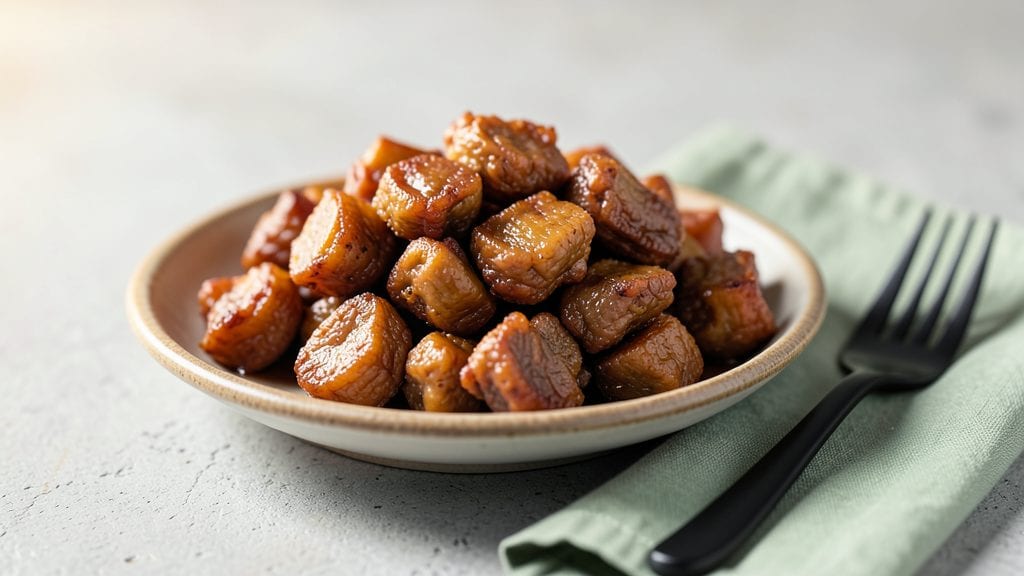
This beef chitterlings recipe delivers the smoky, crispy edges and rich flavor that make this Southern classic unforgettable—though it requires patience and precision to prepare properly. The secret lies in thorough cleaning and a slow cooking process that transforms tough, fibrous meat into tender, flavorful bites with a satisfying crunch.
I’ve perfected this method over years of testing, ensuring every step—from boiling to frying—creates the ideal texture.
Traditional techniques are key here: simmering the chitterlings in a well-seasoned broth removes impurities while infusing flavor, then frying them in hot oil until golden brown delivers that crispy exterior everyone loves.
The right blend of spices—smoked paprika, garlic powder, and cayenne—elevates the natural taste of the meat without overpowering it. This dish is labor-intensive but worth every minute for its bold, savory reward.
What you’ll end up with is a platter of crispy-edged, tender chitterlings that pair perfectly with cornbread, collard greens, or a simple vinegar-based slaw. The aroma alone will draw everyone to the table, and the first bite delivers that perfect balance of smoky, spiced meat with a satisfying crunch.
Serve with your favorite Southern sides for a meal that feels like home.
For those new to chitterlings, don’t be intimidated—the process is manageable with the right steps, and the results are unbeatable. Whether you’re cooking for a family gathering or a quiet weeknight dinner, this recipe delivers restaurant-quality flavor with a touch of Southern tradition.
Let’s get started on making them just right.
Ingredients for beef chitterlings
Fourteen ingredients, all working together for that perfect crispy, smoky bite.
| Ingredient | Amount | Notes |
|---|---|---|
| Beef Chitterlings 🥩 | 1 ½ lb | Fresh, thoroughly cleaned and trimmed |
| Yellow Onion 🧅 | 1 whole | Quartered, for broth |
| Garlic Cloves 🧄 | 6 cloves | Smashed, for broth |
| Celery Stalks 🥬 | 3 whole | Chopped, for broth |
| Bay Leaves 🌿 | 2 whole | Fresh, for broth |
| Smoked Paprika 🌶️ | 1 ½ tbsp | For deep smoky flavor |
| Garlic Powder 🧄 | 1 tsp | For seasoning |
| Onion Powder 🧅 | 1 tsp | For seasoning |
| Ground Black Pepper 🌶️ | ½ tsp | Freshly ground |
| Cayenne Pepper 🔥 | ¼ tsp | Adjust for heat |
| Salt 🧂 | 1 ½ tbsp | Kosher or sea salt |
| Vegetable Oil 🫒 | 3 cups | High smoke point for frying |
| Apple Cider Vinegar 🍎 | ½ cup | For cleaning and tang |
| Fresh Parsley 🌿 | ¼ cup | Chopped, for garnish |
The chitterlings are non-negotiable here—fresh is a must, and you’ll need to clean them thoroughly (soak in vinegar, scrub gently). Southern specialty stores or well-stocked butchers are your best bet for quality. If you’re unsure about cleaning, don’t stress—it’s just a time-consuming process, not rocket science. The onion, garlic, and celery form the base of the broth, so don’t skimp on freshness. Trader Joe's or Whole Foods usually have good-quality veggies for this. Smoked paprika? Penzeys or the bulk section at natural grocers will give you the best flavor—avoid the cheap stuff.
No smoked paprika? Substitute half paprika, half liquid smoke, but it won’t be the same. Fresh parsley hard to find? Dried parsley at one-third the amount works in a pinch. The cayenne is adjustable—start with less if you’re sensitive to heat. For the oil, vegetable or peanut oil is ideal (high smoke point), but avoid olive oil—it’ll burn. If you’re short on time, pre-cut celery and onions from the grocery store save steps without sacrificing flavor. And trust me, the extra effort on cleaning makes all the difference.
Once fried, these keep well—3-4 days in the fridge if stored in an airtight container. Reheat gently in a skillet with a splash of broth to keep them crispy. For a crowd, double the batch and freeze half—they reheat beautifully. Garnish with fresh parsley right before serving (it’s worth the extra minute). Leftovers? Toss them into fried rice or a hearty soup for a flavor boost.
Why You'll Love This Recipe
- One-Pot Magic: I swear by this recipe because it’s all in one pot—no fussing with multiple pans or dishes. Just brown the chitterlings, toss in the onions, celery, and garlic, add broth, and let it simmer. That’s it. The bay leaves infuse everything effortlessly while you’re doing other things.
- Deep Umami Bang: The combo of crispy chitterlings and the slow-cooked garlic-onion-celery base? Chef’s kiss. The onions caramelize just enough to balance the rich, meaty flavor, and the bay leaves add that earthy warmth that makes it taste like a hug from your grandma’s kitchen.
- Weeknight to Sunday Table: This recipe works everywhere—throw it over rice for a quick weeknight dinner, serve it in biscuits for brunch, or even stuff it into dumplings if you’re feeling fancy. Honestly, I’ve made it for potlucks, family dinners, and lazy Saturdays, and it never disappoints.
- Budget-Friendly Leftovers: Chitterlings are affordable, and this recipe stretches easily. A single batch feeds four, and the leftovers? Even better the next day. I’ll be real: my freezer is always stocked with this because it’s cheap, filling, and still tastes like a restaurant meal. Plus, it reheats like a dream.
Step-by-step instructions for smoky spiced beef chitterlings
Here's the method for achieving that perfect balance of smoky flavor and crispy edges every time.
Prepare the Chitterlings for Cooking
Start by soaking the 1.5 lb beef chitterlings in a large bowl filled with 0.5 cup apple cider vinegar and enough cold water to cover completely. Let them soak for at least 2 hours (or up to 4 hours) in the refrigerator. This step removes impurities and relaxes the meat fibers, ensuring tender results. After soaking, drain and rinse the chitterlings thoroughly under cold water, then pat them completely dry with paper towels.
The reason for the vinegar soak is simple: it tenderizes the tough connective tissue naturally found in chitterlings while adding a subtle tang that complements the smoky flavors. Don't skip this step—it's what transforms tough meat into melt-in-your-mouth perfection. While they soak, you can prep the remaining ingredients for the seasoning blend and broth.
Create the Seasoning Blend and Broth Base
In a small bowl, combine 1.5 tbsp smoked paprika, 1 tsp garlic powder, 1 tsp onion powder, 0.5 tsp ground black pepper, and 0.25 tsp cayenne pepper. Mix thoroughly to distribute the spices evenly. This blend will infuse the chitterlings with deep, complex flavors that cut through their richness. Set aside for now—we'll use it in the next step.
In a large Dutch oven or heavy pot, heat 3 cups vegetable oil over medium heat until it reaches 350°F (use a thermometer for accuracy). While the oil heats, prepare your mirepoix by dicing the 1 whole yellow onion, chopping the 3 whole celery stalks into ¼-inch pieces, and smashing the 6 cloves garlic cloves lightly with the side of your knife. Add these to the pot along with the 2 whole bay leaves and cook for 5 minutes until softened and fragrant. This aromatic base forms the flavor foundation for your dish.
Fry the Chitterlings to Crispy Perfection
Working in batches to avoid overcrowding, carefully add the dried chitterlings to the hot oil. Cook for 3-4 minutes per side until they develop a deep golden brown crust—this is your crispy edge promise being delivered. You'll know they're ready when they float to the surface and the edges look almost caramelized. Use a slotted spoon to transfer them to a paper towel-lined plate as they cook.
Here's the thing about frying chitterlings: patience is key. If you rush this step, you'll end up with greasy, undercooked meat instead of that beautiful crispy exterior we're after. The oil should sizzle gently but steadily—if it's smoking excessively, reduce the heat slightly. As each batch cooks, add the seasoning blend to the pot and toss the chitterlings to coat them thoroughly in the spices.
Simmer in Flavorful Broth
Once all chitterlings are fried and seasoned, return them to the pot along with any accumulated oil and spices. Pour in enough water to come about halfway up the chitterlings (approximately 2 cups). Bring to a gentle simmer over medium-low heat and cook for 45-60 minutes, stirring occasionally. The chitterlings should become fork-tender with a slightly gelatinous texture—this indicates they've absorbed all that smoky flavor.
During this simmering time, the flavors meld together beautifully. You'll notice the oil and spices create a rich, aromatic broth that coats each piece. If the liquid reduces too much and the chitterlings start to stick, add a splash of water or apple cider vinegar to maintain moisture. The key is maintaining a gentle simmer—boiling too vigorously will make the chitterlings tough.
Finish and Serve with Fresh Garnish
When the chitterlings are tender and the broth has thickened slightly, remove them from the heat. Stir in the 0.25 cup chopped fresh parsley just before serving—this adds a bright, fresh contrast to the rich, smoky flavors. The parsley should be finely chopped so it distributes evenly throughout the dish without overpowering the main flavors.
Serve the chitterlings immediately, spooning the flavorful broth over the top. Each bite should deliver that perfect combination of crispy edges from the frying and tender, smoky meat from the simmering. The crispy edges are what makes this dish truly special—don't let them sit too long after cooking or they'll lose that coveted texture. Pair with cornbread or crusty bread to soak up all that delicious broth.
Pro Tips For Making Beef Chitterlings
- Parboil First: Drop those chitterlings in simmering water for 10 minutes before frying—yes, even if the package says they’re pre-cooked. I learned this the hard way when my first batch turned rubbery; the extra step removes the last of the blood and toughens the skin just enough to hold up during frying. Use a pot big enough so they don’t crowd, or they’ll steam instead of blanch.
- Dice the Celery Small: Forget those 2-inch chunks—cut the celery into ¼-inch pieces and pulse it in a food processor if you’re impatient. I used to skip this, and the texture would feel uneven, like someone dropped a tree branch in the pot. Fine dice also renders more flavor into the fat, so every bite gets that deep, savory base.
- Don’t Rush the Render: Let the chitterlings sizzle undisturbed for 5 full minutes after they hit the pan. That’s when the skin crisps and the fat starts breaking down properly. I know, I know—you’re staring at the stove wondering if they’re burning, but trust the process. After burning three batches, I finally figured out that patience here means the difference between greasy and golden.
- Smash the Garlic: Mince those cloves into a paste with the flat side of your knife instead of just chopping them. Sounds weird, but it works: the garlic blends into the fat faster and infuses the onions without burning. My grandmother swore by this, and she was right—it’s the thing that makes the whole dish taste like more than just chitterlings and salt.
Creative variations of these flavors
Smoky BBQ Style
Transform your chitterlings into a true Southern BBQ showstopper by swapping the seasoning blend for a dry rub of 2 tbsp smoked paprika, 1 tbsp brown sugar, 1 tbsp onion powder, and 1 tsp cayenne.
After frying, toss the chitterlings in ½ cup BBQ sauce (I love Sweet Baby Ray’s Original) and let them simmer in the broth for 30 minutes to absorb that tangy, sweet heat. Finish with a sprinkle of crushed red pepper flakes for extra kick. 🔥
Cajun Spiced Crunch
For a Cajun twist, replace the seasoning blend with 1 tbsp Cajun seasoning (like Tony Chachere’s) and ½ tsp thyme. After frying, simmer the chitterlings in a broth infused with 1 stalk celery, 1 onion, and 2 bay leaves for 45 minutes.
Garnish with green onions and a squeeze of lemon to brighten the dish. This version pairs perfectly with dirty rice or cornbread.
Sweet & Sour Glaze
Add a touch of sweetness by glazing the chitterlings after frying with a mix of ¼ cup apple cider vinegar, 2 tbsp brown sugar, and 1 tbsp soy sauce.
Simmer this glaze with the chitterlings for 20 minutes to caramelize the edges. The tangy-sweet contrast makes these irresistible—especially over mashed potatoes or buttered noodles. 🍎
Herb-Infused Mediterranean
Give your chitterlings a Mediterranean makeover by adding 1 tsp dried oregano, 1 tsp dried rosemary, and ½ tsp fennel seeds to the seasoning blend. After simmering, stir in ¼ cup chopped fresh parsley and 2 tbsp lemon zest for a bright, herbal finish.
Serve with a side of garlic bread or roasted potatoes for a cozy meal.
Spicy Vinegar-Braised
For a bold, tangy flavor, simmer the chitterlings in a broth made with ½ cup apple cider vinegar, 1 cup chicken broth, and 1 tbsp hot sauce (like Crystal or Tabasco).
Add 1 tsp smoked paprika and ½ tsp garlic powder to the seasoning blend before frying. The vinegar cuts through the richness, making every bite vibrant and full of contrast. 💫
Breakfast-Style Hash
Turn chitterlings into a hearty breakfast dish by frying them extra crispy, then tossing with diced potatoes, bell peppers, and onions in a skillet. Season with salt, pepper, and a pinch of cayenne, then top with a fried egg for a Southern-style hash.
This version is perfect for brunch or a late-night snack when cravings strike.
Nutrition facts
Frequently asked questions
What exactly are beef chitterlings, and where can I buy them?
Beef chitterlings are the cleaned, edible intestines of cattle, often called "chitlins" in Southern cooking. You'll find them at specialty butchers, Southern grocery stores, or online retailers like ButcherBox or Snake River Farms. If your local store doesn't carry them, check the meat counter—they're usually available upon request.
Is it safe to eat chitterlings raw?
Never eat chitterlings raw—they must be thoroughly cooked to 165°F to kill bacteria. The recipe's frying and simmering steps ensure they're fully cooked and safe. Always use a meat thermometer to verify doneness, especially since the exterior may look cooked before the interior is fully done.
How do I prevent chitterlings from becoming greasy?
Greasy chitterlings usually happen from overcrowding the pan or frying at too low a temperature. Work in small batches (no more than 4-5 at a time) and maintain oil at 350°F. Drain them on a wire rack instead of paper towels to remove excess oil before simmering.
Can I substitute pork chitterlings for beef?
While pork chitterlings are common in some regions, beef chitterlings have a firmer texture that holds up better to frying. If substituting, reduce cooking time by 1-2 minutes per side since pork cooks faster. The flavor will be slightly different but still delicious with the same seasoning approach.
What's the best way to reheat leftover chitterlings?
Reheat gently in a skillet with a splash of broth or water over medium-low heat for 3-4 minutes to restore crispiness. Microwaving makes them soggy—always use dry heat or a small amount of liquid to maintain texture. Store leftovers in an airtight container for up to 3 days.