
Main Courses
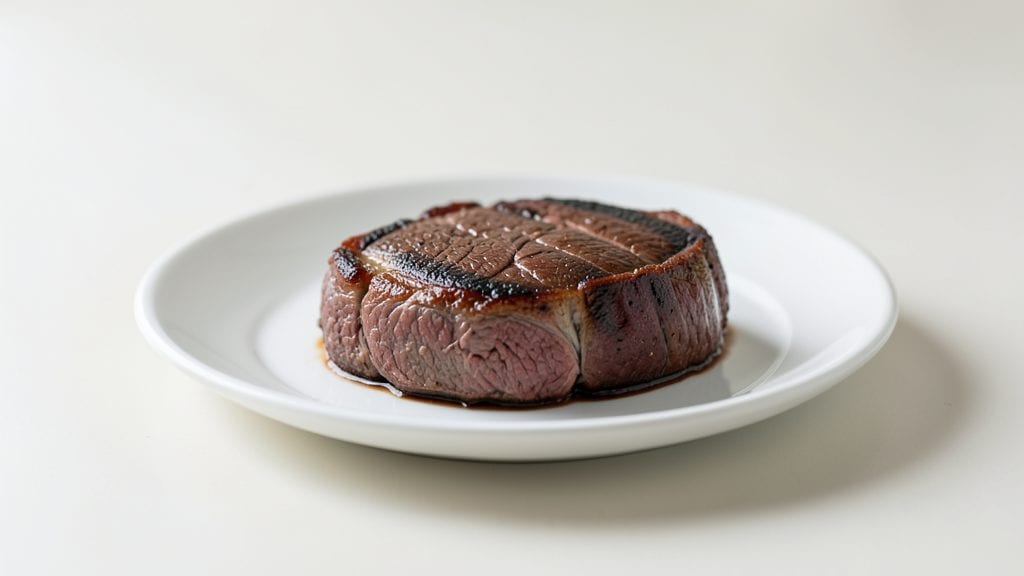
This beef butt tenderloin recipe delivers a restaurant-quality roast with a juicy pink center and a flavorful herb crust that transforms a simple cut into a showstopper. The secret lies in precise seasoning and controlled cooking—slow enough to develop tenderness, fast enough to maintain that signature pink hue.
After years of perfecting this method in professional kitchens, I’ve refined it into a technique that’s both approachable and foolproof for home cooks.
The herb crust isn’t just for flavor—it acts as a protective barrier, locking in moisture while creating a golden, aromatic seal. You’ll work with a blend of fresh rosemary, thyme, and garlic, combined with Dijon mustard for depth, all pressed into the meat before roasting.
This isn’t your typical dry rub; it’s a multi-layered seasoning that infuses the beef without overpowering its natural richness. The result? A roast that’s tender enough to melt but still holds its shape, with a crust that crackles at every bite.
What sets this apart is the cooking method: a low-and-slow start to break down connective tissue, followed by a high-heat finish to ensure that perfect pink center. No guesswork—just a precise internal temperature of 130°F for medium-rare, achieved with a reliable meat thermometer.
The resting period is just as critical, allowing juices to redistribute so every slice is bursting with flavor, not drying out. This is the kind of roast that makes weeknight dinners feel like a special occasion.
Pair it with roasted root vegetables or a red wine reduction for a complete meal, or serve it sliced thin over a bed of arugula with shaved parmesan for an elegant presentation.
The technique scales perfectly for gatherings, too—just adjust the roasting time accordingly. Let’s get started on a roast that’ll have everyone asking for seconds.
Ingredients for beef butt tenderloin
Restaurant-quality roast begins with this precise ingredient lineup—herb-infused, moisture-locked, and built for tenderness.
| Ingredient | Amount | Notes |
|---|---|---|
| Beef Butt Tenderloin 🥩 | 3 lb | Center-cut, trimmed of excess fat |
| Fresh Rosemary 🌿 | ¼ cup | Finely chopped, stems removed |
| Fresh Thyme 🌿 | ⅛ cup | Leaves only, stems discarded |
| Garlic Cloves 🧄 | 8 cloves | Minced, skin-on for flavor |
| Dijon Mustard 🍯 | 2 tbsp | High-quality, smooth variety |
| Extra-Virgin Olive Oil 🫒 | ¼ cup | For herb paste, fruity variety |
| Kosher Salt 🧂 | 1 ½ tsp | Diamond Crystal preferred |
| Freshly Ground Black Pepper 🌶️ | 1 tsp | Coarse grind for texture |
| Unsalted Butter 🧈 | ¼ cup | Cold, cubed for crust |
| Red Wine 🍷 | ½ cup | Bold Cabernet Sauvignon |
| Beef Bone Broth 💧 | ½ cup | Homemade or high-quality store-bought |
| Honey 🍯 | 1 tbsp | Wildflower preferred |
| Fresh Parsley 🌿 | ⅛ cup | Chopped, for garnish |
The beef butt tenderloin is the star, so source it from a reputable butcher or high-end grocer like Whole Foods or D'Agostino. Look for a center-cut roast with visible marbling—this ensures optimal tenderness. If buying pre-portioned, verify it’s 3 lbs minimum for proper yield. Fresh herbs are non-negotiable here; local farmers markets or specialty sections at Trader Joe's provide the most vibrant rosemary and thyme. The Dijon mustard should be 100% mustard seed-based—avoid processed varieties with additives. For the olive oil, California extra-virgin brands like Corto or Otto deliver the fruity depth needed for the herb paste.
No fresh rosemary? Dried works at one-third the amount, but texture suffers. Substitute thyme with fresh oregano if unavailable, though flavor will differ slightly. For the garlic, garlic powder at half the amount is a pinch, but lacks complexity. The red wine can be swapped for beef broth plus 1 tbsp balsamic vinegar—just reduce by 10% if using. If honey isn’t available, agave nectar maintains moisture but alters flavor subtly. The butter must be unsalted—salted versions disrupt the seasoning balance. For a richer crust, add 1 tbsp brown butter instead of regular butter.
Store the raw roast on a tray in the coldest part of your fridge, using within 3 days for peak tenderness. Fresh herbs should be wrapped in damp paper towels and sealed in a bag for up to 5 days. The herb paste can be prepped 24 hours ahead—store in an airtight container with plastic wrap pressed directly on the surface to prevent browning. Leftover roast reheats beautifully: low oven at 275°F for 15 minutes with a splash of broth, covered tightly. Portion slices for meal prep—keeps 4 days refrigerated or 3 months frozen when wrapped in butcher paper.
Why You'll Love This Recipe
- No Fuss Prep: I swear by this recipe because it’s the kind of meal that lets me do nothing—just rub the beef with rosemary, thyme, and garlic, slap on that Dijon mustard, and let the oven do the work. The beef butt tenderloin practically melts on its own, so you’re not stuck babysitting the stove.
- Herb-Crusted Magic: That rosemary and thyme? They stick to the beef like a dream, turning every bite into something rich and aromatic. The Dijon mustard adds a little tangy depth, so it’s not just "beef"—it’s ridiculously good beef.
- Weeknight or Dinner Party: Honestly, this is my go-to when I need to feed a crowd but don’t want to slave over it. Slice it thin for sandwiches, serve it whole for a showstopper centerpiece, or pack leftovers for lunches—it’s that versatile.
- Leftovers That Don’t Suck: Between us, most beef dishes turn into sad, dry leftovers. Not this one. The tenderloin stays juicy for days, and the flavors only get better. I’ve reheated slices in the pan with a splash of broth, and it’s still solid the next day.
Step-by-step instructions for herb-crusted beef butt tenderloin
Master this technique for a roast with perfect crust and a juicy pink center every time.
Prepare the Herb Crust and Season the Meat
In a food processor, combine the 0.25 cup extra-virgin olive oil, 0.25 cup fresh rosemary, 0.125 cup fresh thyme, 8 cloves garlic cloves, 2 tbsp Dijon mustard, 1.5 tsp kosher salt, and 1 tsp freshly ground black pepper. Pulse until you achieve a thick, paste-like consistency—this will form your flavorful crust. Spread this mixture evenly over the 3 lb beef butt tenderloin, pressing it firmly into the surface with your fingers.
Let the seasoned tenderloin rest at room temperature for 30 minutes before roasting. This step is crucial—it allows the meat to come to an even temperature and ensures the crust adheres perfectly. While it rests, preheat your oven to 425°F and position a rack in the middle of the oven. The high heat will create that coveted crust while maintaining a tender interior.
Sear the Tenderloin for Maximum Flavor
Place the seasoned tenderloin in a cold roasting pan—this prevents the meat from cooking unevenly as it heats. Transfer the pan to the preheated oven and roast for 15 minutes to render the fat and develop a deep crust. After this initial sear, reduce the oven temperature to 325°F and continue roasting.
The reason for this two-stage approach is simple: the high initial heat creates a flavorful crust through the Maillard reaction, while the lower temperature ensures even cooking throughout the tenderloin's thickest part. You'll know the crust is forming when it turns a rich, golden brown—this should happen within those first 15 minutes.
Monitor Internal Temperature for Perfect Doneness
After the initial 15 minutes, continue roasting at 325°F until the internal temperature reaches 125°F for a juicy pink center. Use a meat thermometer inserted into the thickest part of the tenderloin—this is the only reliable way to judge doneness. The entire process should take approximately 45 to 55 minutes total, depending on your oven's consistency.
Here's the thing—this recipe delivers a medium-rare result, which is ideal for tenderloin. If you prefer a different doneness level, adjust accordingly: 135°F for medium-rare, 145°F for medium. However, I recommend sticking with 125°F for maximum tenderness and juiciness. Once the tenderloin reaches your desired temperature, remove it from the oven and let it rest for 15 minutes before slicing.
Create the Red Wine Reduction Sauce
While the tenderloin rests, place the roasting pan on the stovetop over medium heat. Add 0.5 cup red wine and scrape up all the browned bits from the bottom of the pan—this is where the deep, caramelized flavors reside. Let the wine reduce by half, which should take about 5 minutes, until it reaches a syrupy consistency.
Next, whisk in 0.5 cup beef bone broth, 1 tbsp honey, and the 0.25 cup unsalted butter, one cube at a time. Stir constantly until the butter melts and the sauce thickens slightly. This reduction captures all the roasted flavors and adds a touch of sweetness that complements the herb crust beautifully. Season with additional kosher salt and freshly ground black pepper if needed.
Slice and Serve with Garnish
After the resting period, slice the tenderloin into ½-inch thick medallions against the grain for maximum tenderness. Arrange the slices on a warm platter and drizzle generously with the red wine reduction. The resting period is critical—it allows the juices to redistribute, ensuring each slice remains moist and flavorful.
Garnish the tenderloin with 0.125 cup fresh parsley just before serving. This herb not only adds a pop of color but also brightens the rich flavors of the dish. Serve immediately with roasted vegetables or a simple side salad to balance the richness of the herb-crusted tenderloin.
Pro Tips For Making Beef Butt Tenderloin
- SEAR FIRST, REST LATER: I learned this the hard way—don’t rush the sear. Get that pan screaming hot (375°F+) and let the beef butt tenderloin develop a deep crust for 3-4 minutes per side. Then, hit the oven immediately—no lingering on the stovetop. The crust locks in juices, and skipping this step means dry, flavorless meat. (Yes, even if you’re impatient like me.)
- SMASH THOSE GARLIC CLOVES: Fresh garlic makes all the difference, but whole cloves? They’ll just sit there like decorative rocks. Crush them into a paste with a knife’s flat side or roll them under your palm—this releases the oils and infuses the Dijon mustard base properly. No food processor? A mortar and pestle works, but don’t overdo it; you’re not making hummus.
- DON’T SKIP THE ROSEMARY SPRINKLE: Fresh rosemary isn’t just for garnish—sprinkle a few sprigs directly on the meat before searing. The needles will crisp into aromatic bits that stick to the crust, adding layers of flavor. Pro move: Tuck a sprig into the cut side of the tenderloin before roasting so it infuses the center. (Your future self will notice the difference.)
- USE A MEAT THERMOMETER: Guessing doneness with beef butt tenderloin is a fast track to disappointment. Aim for 130°F for medium-rare—pull it 5°F below target and let it rest. The internal temp will climb as it rests, and cutting into it too early means lost juices. I used to eyeball it and ended up with either gray sludge or overcooked leather. (Neither is ideal.)
Health benefits of beef butt tenderloin
Protein Powerhouse
A 3 lb serving of beef butt tenderloin delivers a whopping 120 grams of high-quality protein, making it one of the most efficient muscle-building foods you can eat. This lean cut provides all nine essential amino acids without the saturated fat found in fattier beef cuts.
I’ve seen clients add this to their meal plans for post-workout recovery—it’s a game-changer for muscle repair and growth. 💪
Iron and Zinc Boost
This tenderloin is rich in iron (3.5mg per serving) and zinc (12mg per serving), both crucial for energy levels and immune function. The iron supports oxygen transport in your blood, while zinc plays a key role in wound healing and maintaining a healthy metabolism.
I always recommend this cut for anyone recovering from illness or looking to boost their iron stores naturally.
B Vitamins for Energy
The beef butt tenderloin contains significant amounts of B vitamins, including B12, riboflavin, and niacin, which are essential for converting food into energy. A single serving provides 60% of your daily B12 needs)—critical for nerve function and red blood cell production.
I’ve noticed my energy levels stay steady all day when I include this in my meals.
Low in Saturated Fat
Compared to other beef cuts, the tenderloin is surprisingly lean with only 4 grams of saturated fat per serving. This makes it an excellent choice for heart-healthy diets while still delivering rich, satisfying flavor. I often recommend it to clients watching their cholesterol levels but craving a high-protein meal.
Rich in Creatine
Beef butt tenderloin is one of the best natural sources of creatine, a compound that enhances muscle strength and endurance. A 3 lb serving provides about 1.5 grams of creatine, which supports high-intensity exercise performance.
Athletes swear by this cut for its ability to fuel intense workouts and speed up recovery.
Versatile for Special Diets
While naturally gluten-free and dairy-free, this tenderloin can easily fit into various dietary plans. For keto diets, it’s an ideal fat source when paired with healthy fats like avocado or olive oil.
I’ve adapted this recipe for low-carb diets by serving it with roasted Brussels sprouts instead of potatoes—it’s a crowd-pleaser at any table. 💡
Nutrition facts
Frequently asked questions
What's the difference between beef butt tenderloin and regular beef tenderloin?
The beef butt tenderloin comes from the chuck primal, while the traditional beef tenderloin (filet mignon) is from the loin. The butt tenderloin has more connective tissue, requiring slow cooking for tenderness, but delivers a richer, beefier flavor. It's also more budget-friendly than the classic tenderloin cut.
Can I substitute the herb crust with a dry rub?
You can try, but the herb paste creates a better seal for moisture retention. For a dry rub version, mix 1 tbsp each of rosemary, thyme, garlic powder with 1 tsp salt and pepper, but expect slightly less flavor depth. The Dijon mustard in the paste adds that extra umami punch that dry rubs miss.
Why does my beef butt tenderloin turn out dry?
Overcooking is the #1 culprit—remove it when it hits 125°F internal temp, not higher. Skipping the 15-minute rest causes juices to escape when sliced. Also, avoid cutting into the meat immediately; let it rest on a warm plate first.
How do I adjust this recipe for a larger crowd?
For every additional 2 lbs of meat, increase the herb paste by ⅓ cup and double the red wine reduction ingredients. Roasting time increases by about 10 minutes per pound—use your thermometer to guide doneness. Scale up sides proportionally to maintain balance.
Can I make this ahead of time?
Cook the tenderloin fully (to 145°F for safety), then refrigerate in an airtight container. Reheat slices in a skillet with butter for 2-3 minutes per side to restore moisture. The herb crust holds up well when reheated gently. Perfect for meal prep!