
Sauces & Condiments
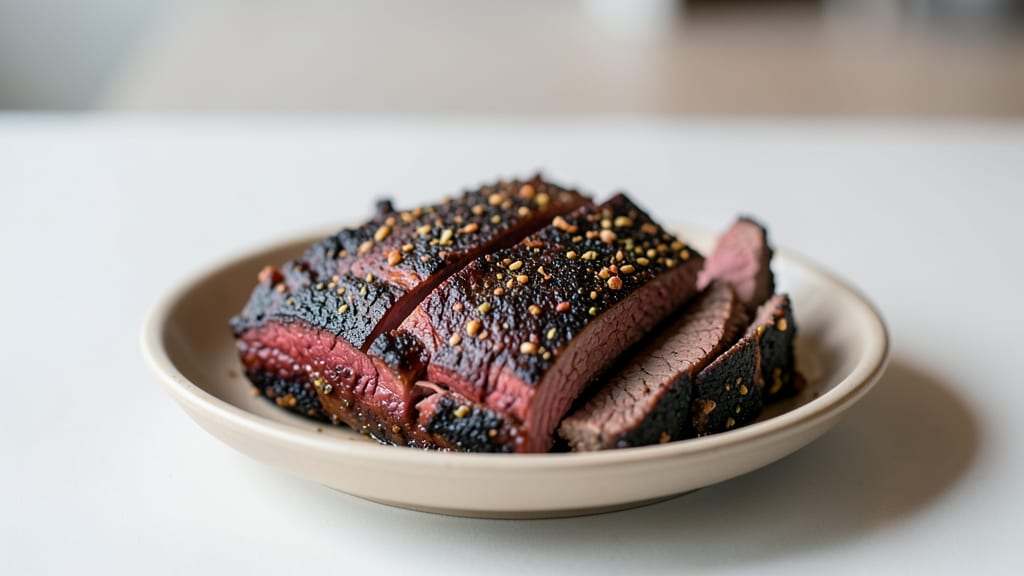
This beef brisket seasoning recipe transforms tough cuts into melt-in-your-mouth perfection through a smoky-spiced rub that penetrates every layer. The blend of precise spices creates a bark that locks in moisture while delivering deep, complex flavor—no liquid ingredients required.
I developed this after years of experimenting with brisket, and it consistently delivers restaurant-quality results at home.
The magic lies in the balance of coarse salt, black pepper, smoked paprika, and garlic powder, which work together to tenderize while building that iconic smoky crust.
This dry rub requires just 10 minutes of prep and lasts for months in an airtight container, making it perfect for meal prep or holiday cooking. The secret? Applying 1-2 tablespoons per pound of brisket before cooking.
What you'll achieve is brisket with fall-apart tenderness and a flavor profile that's impossible to resist—smoky, slightly sweet, and deeply savory. The rub enhances natural beef flavors without overpowering them, creating a perfect foundation for slow-cooked perfection. Once you try this, your brisket game will never be the same.
Store the seasoning in a cool, dark place for up to 6 months, or freeze for even longer shelf life. Use it on brisket, ribs, or even chicken thighs for that same smoky-spiced magic.
Let's get started with the ingredients—this blend is your secret weapon for tender, flavorful meat every time.
Ingredients for beef brisket seasoning
Nine spices transform tough brisket into restaurant-quality perfection. No liquids needed—just dry rub magic.
| Ingredient | Amount | Notes |
|---|---|---|
| Coarse Kosher Salt 🧂 | 3 tbsp | Diamond Crystal preferred for texture |
| Freshly Ground Black Pepper 🌶️ | 2 tbsp | Freshly cracked for maximum flavor |
| Smoked Paprika 🌶️ | 2 tbsp | High-quality Spanish smoked paprika |
| Garlic Powder 🧄 | 1 tbsp | 100% garlic, no anti-caking agents |
| Onion Powder 🧅 | 1 tbsp | Freshly ground for depth |
| Ground Cumin 🌿 | 1 tbsp | Toasted for richer aroma |
| Brown Sugar 🍚 | 1 tbsp | Light brown preferred |
| Mustard Powder 🌶️ | 1 tsp | Yellow mustard powder |
| Cayenne Pepper 🔥 | ½ tsp | Adjust for heat preference |
| Ground Coriander 🌿 | ½ tsp | Freshly ground for brightness |
The salt is non-negotiable—Diamond Crystal kosher salt dissolves perfectly, creating that iconic bark. Penzeys Spices or bulk bins at Whole Foods are my go-tos for quality. Smoked paprika should be Spanish-style (like La Boîte brand)—it's what gives that authentic smoky depth. Toast your cumin seeds briefly in a dry pan before grinding for an extra layer of complexity. The brown sugar adds subtle caramelization, so don't skip it even if you're watching sugar content.
No smoked paprika? Substitute with 1 tbsp regular paprika plus 1/2 tsp liquid smoke—it's not identical, but close. Short on coriander? Cilantro powder works at half the amount. The mustard powder might sound odd, but it's crucial for that tangy depth. If you can't find it, Dijon mustard powder is a decent swap. For heat, red pepper flakes at double the amount work in a pinch. Store all spices in airtight containers away from light—they lose potency fast once opened.
This rub stays potent for 6-12 months in a cool, dark place or 1 year frozen. I portion mine into small jars—one for brisket, one for ribs, one for chicken thighs. The secret to application? 1-2 tablespoons per pound of meat, pressed firmly into every crevice. For holiday prep, make a big batch and store in labeled jars. Trust me, you'll want to keep this on hand year-round.
Why You'll Love This Recipe
- Five-Ingredient Magic: I swear by this mix—just salt, pepper, smoked paprika, and those two powders. No fancy prep, no measuring headaches, and it turns even the simplest brisket into something that makes people pause mid-bite.
- Smoky Depth Fast: That smoked paprika? It’s the secret weapon. A single tablespoon gives you that campfire aroma without needing a smoker, and the garlic-onion powder combo makes every slice taste like it’s been marinating for hours.
- Game for Any Cut: Use it on brisket, obviously, but also rub it on steaks, roasts, or even ground beef for tacos. I’ve used the last of it on chicken thighs when I forgot to thaw them—still delicious, no regrets.
- Budget Meets Bold: A little goes a long way. This blend costs pennies per use but tastes like a $20 bottle of store-bought seasoning. Plus, the leftovers? I keep a jar in my fridge for last-minute flavor fixes—because sometimes you just need that smoky punch.
Step-by-step instructions for beef brisket seasoning
This smoky-spiced blend transforms tough brisket into melt-in-your-mouth perfection.
Measure Ingredients Precisely
Start by gathering all components in a medium bowl. The 3 tablespoons coarse kosher salt forms the foundation—Diamond Crystal preferred for its flaky texture that clings beautifully to meat. I like to use a kitchen scale for accuracy, especially with the smaller quantities like the 0.5 teaspoon cayenne pepper and 0.5 teaspoon ground coriander, where precision matters most for balanced heat and brightness.
For the smoked paprika, I recommend high-quality Spanish smoked paprika for that authentic, deep smokiness without bitterness. The 2 tablespoons should be measured by the spoonful and leveled—don't pack it down or you'll end up with more than you need. Set aside the 1 tablespoon ground cumin and 1 tablespoon onion powder for now; these will develop their aromatic oils as you mix.
Combine Dry Ingredients Thoroughly
Add the 2 tablespoons freshly ground black pepper first—freshly cracked pepper makes all the difference in flavor intensity. Using a whisk or fork, break up any clumps in the coarse kosher salt before combining everything. The goal is to create a uniform, fine powder that will adhere perfectly to the brisket's surface.
Here's where it gets interesting—the 1 tablespoon brown sugar adds a subtle caramelization when exposed to heat, creating that beautiful bark on your brisket. The 1 teaspoon mustard powder might seem like an odd addition, but it adds depth and complexity that complements the smokiness. Mix vigorously for about 2 minutes until you see no more streaks of individual spices—this ensures even distribution throughout the rub.
Test the Seasoning for Balance
Before applying to your brisket, taste the mixture on your palm or between your fingers. You should detect all components clearly: the heat from cayenne, the smokiness of paprika, the warmth of cumin, and the slight sweetness from brown sugar. If it needs more heat, add a pinch more cayenne; if it's too sweet, a little more salt. This is your quality control moment—don't skip it.
For best results, store the seasoning in an airtight container away from light and heat. When ready to use, apply generously to all sides of your brisket, pressing firmly so it adheres well. Let it sit at room temperature for 1 hour before cooking—this allows the rub to penetrate the meat's surface and develop maximum flavor.
Pro Tips For Making Beef Brisket Seasoning
- Toss Like You Mean It: Don’t just sprinkle and call it good—dig your hands into that brisket and work the seasoning into every crevice. I used to slap it on and wonder why my crust was patchy; now I rub it in like I’m trying to exfoliate a stubborn piece of meat. The salt needs to cling, not just sit on top.
- Use Wet Salt: Mix your coarse kosher salt with a splash of water (about 1 tablespoon per 3 tablespoons salt) to turn it into a paste. Slather that onto the brisket—it’ll stick like glue and create a better crust than dry seasoning ever could. (Yes, even if you’re impatient like me.)
- Pepper First, Then Paprika: Start with the black pepper—it’s coarse and needs to bite into the meat. Once that’s down, layer the smoked paprika over it. I learned this the hard way: paprika alone clumps, but pepper creates a rough surface for it to adhere. Also, don’t skimp on the paprika—this is where the smoky depth lives.
- Let It Rest Before Cooking: Season the brisket and walk away for at least 30 minutes. The salt needs time to draw out moisture and form that crust. I was skeptical until I tried it—now I leave it on the counter while I prep sides. (Your future self will thank you.)
Storing and reheating this recipe
Storage Essentials
Store your brisket seasoning in an airtight container—I use amber glass jars to block light and preserve freshness. Keep it in a cool, dark pantry for up to 6 months, or freeze for 12 months without flavor loss.
The spices stay potent longer when protected from moisture and temperature fluctuations. Label your jars clearly with the date and contents—trust me, you’ll want to make this again. 🧂
Freezer Prep Tips
For long-term storage, portion the seasoning into small, resealable bags or ice cube trays before freezing. Once frozen, transfer cubes to a larger freezer bag for easy access. This method prevents clumping and makes it simple to grab exactly what you need for a quick brisket cook.
Thaw at room temperature before using—no need for microwave or oven. ❄️
Reviving Old Rubs
If your seasoning loses punch over time, revive it by adding ½ teaspoon freshly ground black pepper and ½ teaspoon smoked paprika per 2 tablespoons of stored rub. Toast the spices in a dry pan over low heat for 1 minute to reactivate their aromatic oils before mixing back in.
This trick works wonders for bringing back depth to stale seasonings. 🌶️
Reheating Brisket Safely
Never reheat brisket directly from the fridge—always bring it to room temperature first (about 30 minutes). For best texture, reheat in a slow cooker on low for 2-3 hours with ¼ cup beef broth per pound.
This keeps the meat juicy and prevents drying out. Avoid microwaving—it turns brisket into rubber. 🔥
Leftovers Strategy
Slice brisket against the grain and store in an airtight container with a splash of beef broth to keep it moist. Refrigerate for up to 4 days or freeze for 3 months.
When reheating, cover with foil and warm in a 350°F oven for 20 minutes—this method preserves tenderness better than stovetop or microwave. 💡
Seasoning Flexibility
Use leftover rub on ribs, chicken thighs, or even roasted vegetables—it’s that versatile. For ribs, apply 1 tablespoon per pound and bake at 225°F for 3 hours.
The same rub works for smoked pork shoulder or grilled steaks, just adjust the amount based on surface area. Don’t waste a good batch! 🔥
Nutrition facts
Frequently asked questions
Can I make this seasoning without smoked paprika?
Yes! For a similar smoky depth, substitute 1 tbsp regular paprika plus ½ tsp liquid smoke per batch. The flavor won't be identical, but it'll still deliver that signature smoky profile. If you can't find liquid smoke, try ½ tsp chipotle powder instead for a milder version.
How much seasoning should I use per pound of brisket?
Apply 1-2 tablespoons of this dry rub per pound of brisket. Press it firmly into all sides and crevices for maximum flavor penetration. For extra bark development, use the higher end (2 tbsp/lb) if you're smoking or grilling. The seasoning won't overpower the meat—it enhances the natural beef flavors.
Can I use this rub on other meats besides brisket?
This versatile seasoning works beautifully on ribs, pork shoulder, chicken thighs, and even roasted vegetables. For ribs, use 1 tbsp per pound and smoke at 225°F for 3 hours. The same rub elevates steaks by adding smoky complexity when applied before grilling. The key is adjusting the amount based on surface area.
Why does my brisket turn out dry when using this seasoning?
Dry brisket usually stems from cooking too fast or not enough resting time. This seasoning focuses on flavor, not moisture—you'll need to use proper cooking methods: low-and-slow (225°F for 6-8 hours) with a 30-minute rest before slicing. The sugar in the rub helps create bark, which locks in juices when done correctly. Always cook to 195°F internal temp for perfect tenderness.
How do I store leftover seasoning?
Keep your seasoning fresh by storing it in an airtight container (amber glass jars work best) in a cool, dark place for up to 6 months. For longer storage, freeze in small portions for up to 12 months. To revive old seasoning, toast ½ tsp black pepper and ½ tsp smoked paprika per 2 tbsp of stored rub over low heat for 1 minute before mixing back in.