
Main Courses
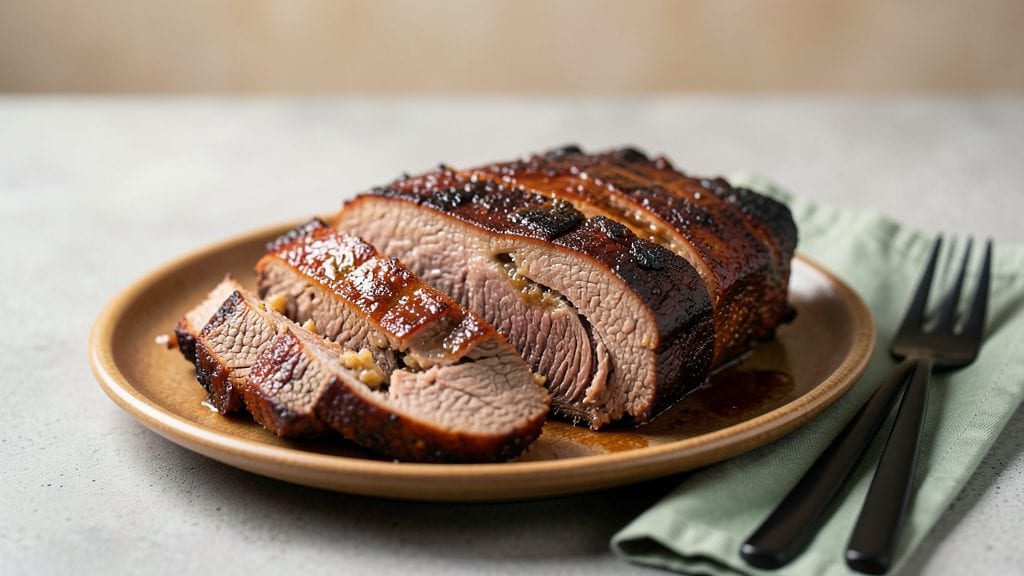
This beef brisket recipe with Lipton onion soup mix transforms a simple pantry staple into the secret weapon behind restaurant-worthy depth. The mix's savory, umami-rich blend cuts through the richness of brisket while adding a subtle sweetness that caramelizes beautifully during slow cooking.
I first discovered this technique while testing shortcuts for weeknight dinners, and it became my go-to for gatherings—because it delivers professional results without the fuss.
The beauty of this method lies in its simplicity: you'll still get that signature smoky-sweet flavor profile, but with a fraction of the effort. A 3-4 hour slow cook in the oven or smoker creates tender, fall-apart meat infused with the onion soup mix's complex flavors.
The key is letting the brisket develop a deep, caramelized crust while staying moist inside—a balance that takes patience but pays off in every bite.
What you'll end up with is a brisket so flavorful it becomes the centerpiece of any meal—juicy, tender slices with a crust that's perfectly balanced between smoky and slightly sweet. The onion soup mix adds a layer of depth that transforms this into something special without requiring specialty ingredients.
Serve it sliced thick over creamy mashed potatoes, with crusty bread for soaking up the juices, or even deconstructed as a sandwich filling.
This recipe works equally well for holiday meals or casual weeknight dinners, making it incredibly versatile. The leftovers reheat beautifully, so you can prepare it ahead and enjoy it over multiple meals.
Let's get started on creating brisket that tastes like it came from a pitmaster's table—with just one pantry shortcut.
Ingredients for beef brisket lipton onion soup mix
Sixteen ingredients. One game-changing shortcut. Brisket that wows without the wait.
| Ingredient | Amount | Notes |
|---|---|---|
| Beef Brisket 🥩 | 4 lb | Packaged or whole, good marbling |
| Lipton Onion Soup Mix 🧅 | 4 tbsp | Granulated, not powdered |
| Yellow Onion 🧅 | 1 whole | Large, sliced into wedges |
| Garlic Cloves 🧄 | 6 cloves | Peeled, smashed slightly |
| Brown Sugar 🍯 | ½ cup | Light or dark, packed |
| Smoked Paprika 🌶️ | 1 tbsp | For extra smoky depth |
| Black Peppercorns 🌶️ | 1 tsp | Freshly cracked preferred |
| Kosher Salt 🧂 | 1 ½ tbsp | Diamond Crystal preferred |
| Apple Cider Vinegar 🍎 | 2 tbsp | For tenderizing |
| Beef Broth 🍲 | 1 ½ cups | Low-sodium preferred |
| Yellow Mustard 🟡 | 1 tbsp | For glaze |
| Unsalted Butter 🧈 | 2 tbsp | Cold, for basting |
| Fresh Thyme 🌿 | ¼ cup | Chopped, stems removed |
| Beef Fat 🧈 | 2 tbsp | For crispy crust |
The brisket is non-negotiable here—packaged brisket from Costco or Kroger saves time, but a whole brisket gives you more control. Look for good marbling (those white fat streaks) and ask the butcher to trim excess fat if needed. The onion soup mix? Lipton's classic granulated works best—it dissolves perfectly and adds that signature umami punch. I always grab extra because it's one of those ingredients you'll use again. For the brown sugar, light brown adds subtle molasses notes, but dark works too if you prefer richer caramelization.
No Lipton onion soup mix? Homemade blend of onion powder, garlic powder, and a pinch of sugar gets you close. Short on thyme? Dried thyme at one-third the amount works in a pinch. The beef broth can be substituted with water plus 1 tbsp soy sauce for umami depth. For the apple cider vinegar, red wine vinegar is a solid swap. The mustard glaze? Dijon mustard adds more complexity if you're feeling fancy. The beef fat for the crust? Lard or bacon fat works too—just keep it cold until you're ready to use it.
This brisket tastes even better the next day, so make it ahead if you can. Store leftovers in the fridge for 5-6 days or freeze for 3 months. The crust gets crispier after reheating, so plan accordingly. For serving, I like to slice it against the grain into thick slices—that's where the magic happens. The leftovers reheat beautifully in a skillet with a splash of broth to keep them moist. Portion into containers for easy lunches all week.
Why You'll Love This Recipe
- One-Pan Magic: I swear by this—no chopping boards, no extra pans. Just sear the brisket, toss in the onion soup mix, brown sugar, and a splash of water, then let the oven do the work. Twenty minutes later, the kitchen’s spotless, and the smell? Chef’s kiss.
- Sweet-Savory Bomb: That Lipton mix isn’t just for soup—it’s the secret weapon here. The caramelized onions and garlic cloves melt into the brisket, while the brown sugar adds just enough stickiness to make every bite dangerously good. Honestly, my picky husband doesn’t even ask for ketchup anymore.
- Leftovers That Win: This recipe actually improves the next day. The flavors meld into something deeper, richer—perfect for quick sandwiches or reheated bowls. I make a double batch on Sundays because, between us, I’d rather eat this than takeout any day.
- Budget Beef Boost: Brisket’s affordable, and a packet of onion soup mix stretches this into a meal that feeds four for under $15. Throw in a bag of potatoes or crusty bread, and suddenly you’ve got a full spread without breaking the bank. (Yes, even on a Tuesday night.)
Step-by-step instructions for smoky-sweet brisket with onion soup magic
This brisket comes together with surprising ease—deep flavor without hours of fuss.
Prep the Brisket for Maximum Flavor
Start by trimming the brisket to remove any excess fat, leaving about ¼-inch thickness on the fat cap. This ensures even cooking while preserving that rich beef fat that creates the crust. Pat the entire surface dry with paper towels—moisture is the enemy of crispy bark, and dry meat browns better.
In a small bowl, combine the 4 tbsp Lipton onion soup mix, 1 tbsp smoked paprika, 1 tsp cracked black peppercorns, and 1.5 tbsp kosher salt. Rub this mixture all over the brisket, pressing firmly so it adheres. Let it sit at room temperature for 30 minutes while you prep the rest—this step jumpstarts the flavor penetration and helps the rub stick during cooking.
Build the Sweet-Savory Glaze
In a medium saucepan, combine the 1 whole yellow onion (sliced into wedges), 6 smashed garlic cloves, 0.5 cup packed brown sugar, 2 tbsp apple cider vinegar, and 1.5 cups beef broth. Bring to a simmer over medium heat and cook for 10 minutes, stirring occasionally, until the onions soften and the mixture reduces slightly—you should see about 1 cup of thick, aromatic liquid left.
Strain the mixture through a fine-mesh sieve into a bowl, pressing on the solids to extract every last drop of flavor. Discard the onion and garlic. Stir in the 1 tbsp yellow mustard and 0.25 cup chopped fresh thyme, then set aside. This glaze will caramelize beautifully during cooking, creating that signature sticky, smoky-sweet crust.
Sear for Crispy Perfection
Preheat your oven to 325°F. Heat a large oven-safe skillet over medium-high heat and add the 2 tbsp beef fat. Once the fat is shimmering (about 2 minutes), carefully place the brisket fat-side down in the pan. Let it sear undisturbed for 5 minutes until a deep golden-brown crust forms—this is your foundation for flavor and texture.
Flip the brisket and add the 2 tbsp cold unsalted butter to the pan. Tilt the skillet slightly and spoon the melted butter over the brisket repeatedly for 2 minutes. This basting technique ensures every surface gets that rich, buttery crust. Transfer the skillet to the preheated oven.
Braise to Tender Perfection
Pour the prepared glaze mixture evenly over the brisket in the skillet. Cover tightly with foil and bake for 2 hours. Here's the thing—don't peek. Every time you lift that foil, you let steam escape and extend cooking time. After 2 hours, check the internal temperature with a meat thermometer. It should read 195-200°F in the thickest part—this is when the collagen breaks down into gelatin, making the meat fork-tender.
If the brisket isn't quite there yet, tent with foil and continue baking in 15-minute increments until it reaches the perfect tenderness. The glaze should be thick and syrupy, coating the brisket in a glossy, caramelized layer. Let it rest for 15 minutes before slicing—this resting period is crucial for juicy, pull-apart perfection.
Serve with Confidence
Slice the brisket against the grain into ½-inch thick pieces. The meat should be so tender it practically falls apart, with that irresistible combination of smoky, sweet, and savory flavors. Spoon any remaining glaze from the skillet over the top and serve immediately. This brisket shines with mashed potatoes, crusty bread, or even as a hearty sandwich filling—every bite delivers that perfect balance of textures and flavors.
Pro Tips For Making Beef Brisket Lipton Onion Soup Mix
- Brown the Brisket First: Skip the soup mix shortcut and sear the brisket in a hot pan with oil until deep brown—even if it’s just 5 minutes per side. That crust locks in flavor better than the mix alone, and I’ve learned the hard way that skipping this step makes the whole dish taste like it’s missing something.
- Double the Onion Mix: The Lipton packet is fine, but double it—use two packets for a full 4-ounce brisket. My grandmother swore by this, and she was right: the onion flavor needs to cut through the richness of the beef, not get lost in it. (Yes, even if you’re impatient like me.)
- Simmer Slow and Low: After adding the soup mix and liquids, reduce heat to a bare simmer—just enough to keep tiny bubbles breaking the surface. I used to crank it up, and the brisket ended up tough. This keeps the meat tender and lets the flavors meld without rushing.
- Deglaze the Pan: After browning the brisket, don’t just dump in the soup mix—scrape up those stuck-on bits with a wooden spoon and add a splash of water or broth. Those browned bits are flavor gold, and I skip this at my peril. (Your future self will thank you.)
Dietary considerations for these flavors
Gluten-Free Adaptations
The Lipton onion soup mix itself is gluten-free, but always double-check the label since formulations can change. For a fully gluten-free brisket, ensure your beef broth is certified gluten-free—brands like Annie's Homegrown or Pacific Foods are safe choices.
The recipe's other ingredients (brown sugar, butter, vinegar, etc.) are naturally gluten-free, so no substitutions are needed beyond the broth. 🌾
Dairy-Free Options
Skip the butter entirely and use olive oil or avocado oil for searing and basting. Replace the butter in the glaze with coconut milk (reduced to a thick consistency) or nutritional yeast for a cheesy flavor without dairy.
The mustard can stay as-is since most yellow mustard is dairy-free. Just be sure to use a dairy-free margarine if you prefer a butter-like texture for basting.
Low-Carb/Keto Version
This brisket is already keto-friendly, but you can enhance it further by reducing the brown sugar to 2 tbsp and using erythritol or monk fruit sweetener instead. Swap the mashed potatoes for cauliflower mash or a side of roasted Brussels sprouts with bacon.
The Lipton mix adds savory depth without carbs, making this a perfect low-carb main dish. The beef fat and butter provide healthy fats to keep you satisfied.
Allergen Considerations
For nut allergies, avoid any cross-contamination with nut oils or butters. If you're avoiding mustard, replace the 1 tbsp yellow mustard with an extra 1 tbsp apple cider vinegar or balsamic glaze for tang.
For soy allergies, use a soy-free beef broth like Imagine Foods instead of adding soy sauce. Always check labels on pre-packaged ingredients like the onion soup mix and broth for hidden allergens.
Protein-Packed Boost
This recipe already delivers high-quality protein—a 4-lb brisket provides about 120g protein per serving. For an extra boost, add 1 tbsp collagen peptides to the glaze mixture before cooking. These dissolve seamlessly and add 10g extra protein per serving without altering flavor.
The Lipton mix's umami profile helps mask any potential "off" notes from the collagen, making it a stealthy upgrade for fitness-focused meals.
Meal Prep Flexibility
Leftovers reheat beautifully for 5-6 days in the fridge or 3 months in the freezer. For meal prep, portion the brisket into airtight containers with a splash of beef broth to keep it moist. The glaze thickens further when reheated, creating an even more caramelized crust.
Freeze individual portions on a tray first to prevent clumping, then transfer to freezer bags. Thaw overnight in the fridge before reheating gently on the stovetop.
Nutrition facts
Frequently asked questions
Can I use Lipton onion soup mix in other slow-cooked meats?
This mix works beautifully with pork shoulder, chicken thighs, or even beef chuck roast. For pork, reduce the cooking time to 2-2.5 hours at 325°F and add 1 tbsp apple cider vinegar to the glaze for extra tenderness. The onion soup mix's umami depth enhances any slow-cooked protein while keeping prep simple.
Why does my brisket turn out dry when using this recipe?
Overcooking is the most common culprit—brisket should reach 195-200°F internally, not higher. If your oven runs hot, lower the temp to 300°F and add 15-30 minutes to the cook time. Also, skipping the rest period causes juices to escape. Always let it rest 15 minutes before slicing.
What's the best way to reheat leftover brisket?
For maximum flavor, reheat in a skillet over medium-low heat with 2 tbsp beef broth per pound. Cover and cook for 5-7 minutes until warmed through. The broth prevents drying while the residual glaze keeps it moist. Microwave reheating works but can make the crust soggy—only use it in emergencies.
Can I make this brisket in a slow cooker instead?
Yes! Sear the brisket first, then transfer to your slow cooker with the glaze mixture. Cook on low for 8 hours or high for 5 hours. The low-and-slow method works perfectly here. Just add ½ cup beef broth to prevent drying, and finish with a quick broil to crisp the crust if desired.
How do I store the onion soup mix glaze for later use?
Store the unused glaze in an airtight container in the fridge for up to 5 days. Reheat gently before using—it thickens when chilled. For longer storage, freeze in 1-tbsp portions and thaw overnight in the fridge. The flavors intensify slightly after refrigeration, making it perfect for quick weeknight meals.