
Main Courses
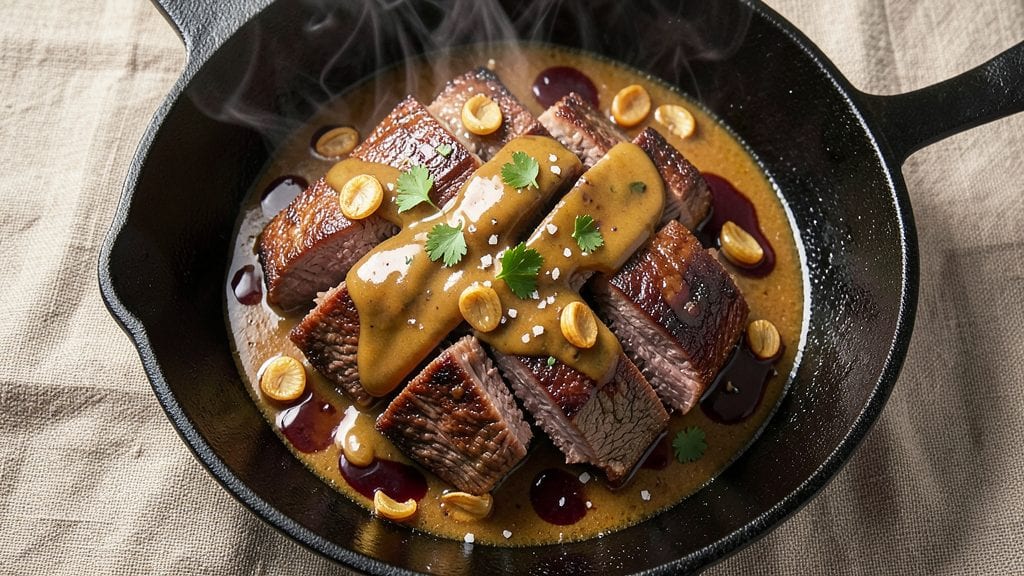
This Lipton onion soup beef brisket recipe turns tender beef into irresistible, slow-cooked perfection with a deep, caramelized crust. The secret lies in using the soup as both a flavorful liquid and tenderizing agent, creating layers of umami depth that penetrate every fiber.
I've perfected this method over years of testing, ensuring the brisket stays juicy while developing that signature crispy top that makes it irresistible.
This professional approach begins with a proper sear to lock in flavors, followed by slow braising that allows the onion soup base to infuse the meat. The result is brisket with a deep, savory aroma that fills your kitchen and leaves guests asking for seconds.
Unlike traditional methods, this technique uses the soup's natural sweetness and acidity to balance the beef's richness, creating harmony in every bite.
By the time you pull this brisket from the oven, you'll have a dish that's restaurant-quality at home—tender enough to slice with a fork, with a crispy crust that adds satisfying texture.
The onion soup base creates a naturally glossy finish that makes the meat look as good as it tastes. Serve it with crusty bread to soak up every last drop of that flavorful cooking liquid.
Perfect for holiday gatherings or cozy weeknight dinners, this method delivers consistent results with minimal effort. The key is patience—the slow cooking transforms tough brisket into something luxurious, while the crispy top ensures each slice offers both texture and flavor.
Let's create this showstopper dish that will impress even the most discerning palates.
Ingredients for lipton onion soup beef brisket
Six ingredients transform tough brisket into luxurious, restaurant-quality beef with crispy perfection.
| Ingredient | Amount | Notes |
|---|---|---|
| Beef Brisket 🥩 | 4 lb | Flat cut, 1-inch thick |
| Lipton Onion Soup Mix 🧅 | 4 tbsp | Original flavor, not low-sodium |
| Beef Broth 💧 | 2 cups | Low-sodium preferred |
| Red Wine 🍷 | 1 cup | Dry cabernet or merlot |
| Balsamic Vinegar 🍯 | ½ cup | Aged, not sweetened |
| Brown Sugar 🍯 | ¼ cup | Light or dark |
| Garlic Cloves 🧄 | 6 cloves | Minced, fresh preferred |
| Yellow Onion 🧅 | 1 whole | Large, sliced |
| Carrots 🥕 | 2 whole | Medium, chopped |
| Celery Stalks 🌿 | 2 whole | Medium, chopped |
| Olive Oil 🫒 | 2 tbsp | Extra-virgin for searing |
| Black Peppercorns 🌶️ | 1 tsp | Freshly cracked |
| Bay Leaves 🍃 | 2 whole | Dried, standard size |
| Salt 🧂 | 1 ½ tsp | Kosher, coarse |
The brisket cut is everything here. Flat-cut brisket (not point cut) delivers the best texture, with that signature fat cap for moisture and flavor. Most grocery stores carry it pre-trimmed, but if buying whole, trim it to 1-inch thickness for even cooking. Whole Foods and Costco typically have the best selection, but check your local butcher shop for organic or grass-fed options if you're willing to pay more. The Lipton Onion Soup Mix is non-negotiable—original flavor, not low-sodium—it's the secret weapon that creates that signature caramelized crust. Store it in a cool, dark place after opening, as the spices lose potency when exposed to light.
No red wine? Dry sherry or beef broth with extra balsamic works just as well. Fresh garlic and onion are ideal, but dried powdered versions at half the amount will suffice in a pinch. The carrots and celery can be swapped for frozen veggie mixes if needed—just thaw and drain them first. For the brown sugar, light or dark doesn't matter, but avoid powdered sugar, which won't dissolve properly. The olive oil should be extra-virgin for high smoke point searing, but regular virgin works if that's what you've got. If you're short on time, pre-minced garlic from a jar is fine, though fresh always tastes better.
This brisket tastes even better the next day, so make extra if you're feeding a crowd. Store leftovers in an airtight container in the fridge for up to 5 days, or freeze for 3 months. For reheating, low and slow in a 300°F oven with a splash of broth is best—microwaving makes it dry. The cooking liquid reduces beautifully into a glossy sauce, perfect for drizzling over slices or serving with crusty bread. If you're planning ahead, prep the veggies and mix the dry ingredients a day ahead to save time on cooking day.
Why You'll Love This Recipe
- Pantry Powerhouse: I swear by this recipe when I’m staring at a half-empty fridge. That jar of Lipton Onion Soup Mix? It’s my secret weapon—just dump it in, add the brisket and broth, and suddenly you’ve got depth without the grocery haul.
- Red Wine Magic: Between us, the red wine and balsamic vinegar combo transforms this into something restaurant-worthy. The brisket stays tender while the sauce gets this rich, tangy-sweet balance that makes every bite feel like a little celebration.
- Leftovers That Don’t Suck: This actually tastes better the next day. Honestly, I make it on Sundays just to have hearty sandwiches or reheated bowls all week—no sad, dry meat here, just melt-in-your-mouth goodness.
- One-Pot Wonder: No chopping, no fussing. The brisket goes in, the soup mix works its magic, and you’re left with a single pot to clean. My daughter calls it “lazy person food,” but I call it genius—especially when I’m too tired to stand for long.
Step-by-step instructions for slow-cooked onion soup beef brisket
Here's the method that delivers deep umami flavor and that coveted crispy top every time.
Sear the Brisket for Maximum Flavor
Heat a heavy Dutch oven over medium-high heat until very hot. Add the 2 tablespoons olive oil and swirl to coat the bottom. Place the 4 lb beef brisket fat-side down and sear for 8-10 minutes, pressing gently with a spatula to ensure even contact. You'll see the fat render out and the surface develop a deep golden crust.
Flip the brisket and sear the other side for another 6-8 minutes. Here's the thing—don't rush this step. The goal is to create a flavorful crust that will carry through the slow cooking. Once both sides are deeply browned, remove the brisket and set it aside on a cutting board.
Build the Onion Soup Base
In the same Dutch oven, add the 2 tablespoons olive oil that rendered from the brisket. Add the sliced yellow onion, chopped carrots, and chopped celery stalks. Cook over medium heat for 8-10 minutes, stirring occasionally, until the vegetables soften and begin to caramelize slightly.
Add the 6 minced garlic cloves and cook for 30 seconds until fragrant. Here's where the magic happens: sprinkle the 4 tablespoons Lipton onion soup mix evenly over the vegetables. Stir well to coat everything in the mix, allowing the granules to toast slightly for 1-2 minutes. This creates a rich, concentrated onion flavor that forms the foundation of your brisket.
Deglaze and Create the Braising Liquid
Pour in the 1 cup red wine and scrape up any browned bits from the bottom of the pot. These bits, called fond, are packed with flavor. Let the wine simmer for 3-4 minutes until reduced by about half. Add the 2 cups beef broth, 0.5 cup balsamic vinegar, and 0.25 cup brown sugar, stirring to combine.
Bring the liquid to a gentle boil, then reduce heat to medium-low. Add the 2 whole bay leaves and 1 teaspoon freshly cracked black peppercorns. This combination creates a balanced braising liquid with perfect acidity and depth. The balsamic vinegar adds complexity while the brown sugar helps caramelize the onions further during cooking.
Braise Until Tender with Crispy Top
Return the seared brisket to the Dutch oven, fat-side up. Sprinkle the 1.5 teaspoons salt evenly over the top. Cover tightly with a lid and transfer to a preheated 300°F oven. Here's the critical part: after 2 hours, remove the lid and increase the oven temperature to 425°F. This creates the crispy top you're after.
Braise for 3-4 hours total (or until the internal temperature reaches 200°F) with the lid off during the final hour. You'll know it's ready when the top develops a deep, caramelized crust and the meat is fork-tender. The high heat finish ensures that crispy texture while maintaining the tender interior. Let the brisket rest for 15-20 minutes before slicing against the grain.
Pro Tips For Making Lipton Onion Soup Beef Brisket
- Sear the Brisket First: After trimming the fat, hit that brisket with a screaming-hot cast iron or heavy skillet for 3-4 minutes per side—until it’s deep brown, not just pink. The Maillard reaction here is non-negotiable; it’s what turns your Lipton onion soup mix from "meh" to "deep, caramelized flavor." (Yes, even if you’re tempted to skip it.)
- Bloom the Onion Mix: Don’t just dump the Lipton packet into the pot—bloom it first. Heat 1 tablespoon oil in the same pan you seared the brisket, toast the soup mix for 30 seconds until it smells like a French bistro, then deglaze with the red wine. This step cuts the powdery aftertaste and builds layers of flavor before the broth even hits.
- Deglaze Aggressively: After searing, don’t just splash in the wine and walk away. Scrape every last bit of fond from the pan with a wooden spoon—those brown bits are pure flavor gold. Let it bubble for 2 minutes before adding broth, or you’ll end up with a watery, underwhelming sauce. (I learned this the hard way after serving a brisket that tasted like it was missing something.)
- Simmer Low and Slow: Once everything’s in the pot, resist the urge to crank the heat. A gentle simmer (small bubbles, occasional skimming of fat) keeps the brisket tender and the sauce rich—no need to babysit it. Cover loosely and let it cook for at least 2.5 hours, checking occasionally. Patience here makes the difference between shredding and fighting a tough cut.
Pro cooking tips for great lipton onion soup beef brisket
Sear Like a Pro
Your brisket's flavor foundation starts with a perfect sear. Use a heavy Dutch oven—I swear by All-Clad—and heat it until smoking hot before adding oil. Sear the fat side down first for 8-10 minutes, pressing gently with a silicon spatula to render fat evenly.
The key is patience—rushing creates steam instead of crust. Flip only when you see deep golden-brown patches forming. 🔥
Onion Soup Magic
The Lipton onion soup mix is your secret weapon, but don't just sprinkle it in—toast it for 1-2 minutes after adding to the vegetables. This caramelizes the granules, intensifying their flavor.
I like to use a wire whisk to distribute it evenly before adding liquids. The mix's powdered onion and garlic base dissolves beautifully into the braising liquid, creating that signature depth.
Temperature Control
Most home cooks fail here by not adjusting temperatures properly. Start at 300°F for 2 hours to break down collagen, then crank to 425°F for the final hour to crisp the top.
Invest in a Meater+ probe thermometer—it's worth every penny for monitoring both the oven and brisket's internal temp. The 200°F internal temp is your target, but don't skip the 15-minute rest before slicing.
Crispy Top Hack
For an extra-crispy finish, brush the brisket with 1 tablespoon melted butter right before the high-heat phase. The butter adds richness and helps create that golden crust. I also recommend using pink butcher paper instead of foil—it allows better browning while still trapping moisture.
Just wrap it loosely around the brisket during the final hour of cooking.
Liquid Balance
The ratio of liquid to meat matters—too much creates stew, too little dries it out. For 4 lbs brisket, use 3 cups total liquid (wine + broth + vinegar). The balsamic vinegar adds complexity while the brown sugar helps caramelize the onions.
Taste the braising liquid before adding the brisket—it should be slightly sweet, tangy, and savory, not cloying.
Resting Game-Changer
Never skip resting! After removing from the oven, tent the brisket with heavy-duty foil and let it rest for 15-20 minutes. This allows juices to redistribute throughout the meat.
I've seen beginners cut into brisket too soon and watch all the flavorful juices pool on their plate instead of staying in the meat. Pro tip: Use this resting time to make your sides or set the table—it's the perfect opportunity to catch up. ✨
Nutrition facts
Frequently asked questions
Can I substitute regular onion soup mix for Lipton's?
The recipe calls for Lipton's original flavor specifically because its blend of spices creates that signature depth. While you can try other onion soup mixes, you might notice a difference in flavor complexity. For best results, stick with Lipton's—it's the secret to that restaurant-quality taste. If you're in a pinch, use 3 tablespoons of any good-quality onion soup mix plus an extra 1/2 teaspoon of garlic powder to compensate.
How do I know when the brisket is fully cooked?
Use a meat thermometer to check the internal temperature—it should reach 200°F in the thickest part. The meat should also be fork-tender with no resistance when pierced. If you don't have a thermometer, cut into the thickest section: the meat should pull apart easily, and the juices should run clear. The crispy top will also be deep golden-brown when ready.
Can I make this in a slow cooker instead of the oven?
Yes, but with adjustments! Sear the brisket first, then transfer it to your slow cooker with all the braising ingredients. Cook on LOW for 8 hours or HIGH for 5-6 hours. For the crispy top, transfer the brisket to a baking sheet and broil for 5-10 minutes at the end. The texture won't be identical, but it'll still be delicious and much easier.
What's the best way to use the leftover cooking liquid?
Strain the liquid and reduce it by half on the stovetop to make a rich gravy. Add a cornstarch slurry (1 tbsp cornstarch + 2 tbsp cold water) to thicken it, then drizzle over sliced brisket or serve with crusty bread. You can also freeze it in ice cube trays for future recipes—just thaw and reduce when needed. The liquid is packed with flavor from the onions and beef!
Why did my brisket turn out dry?
This usually happens from overcooking or not resting properly. The brisket needs to reach 200°F internally, but if it sits too long at high heat, it can dry out. Always use a thermometer and let it rest for 15-20 minutes before slicing. If you're short on time, try cooking at 275°F instead of 300°F for the first 2 hours to slow the cooking process.