
Sauces & Condiments
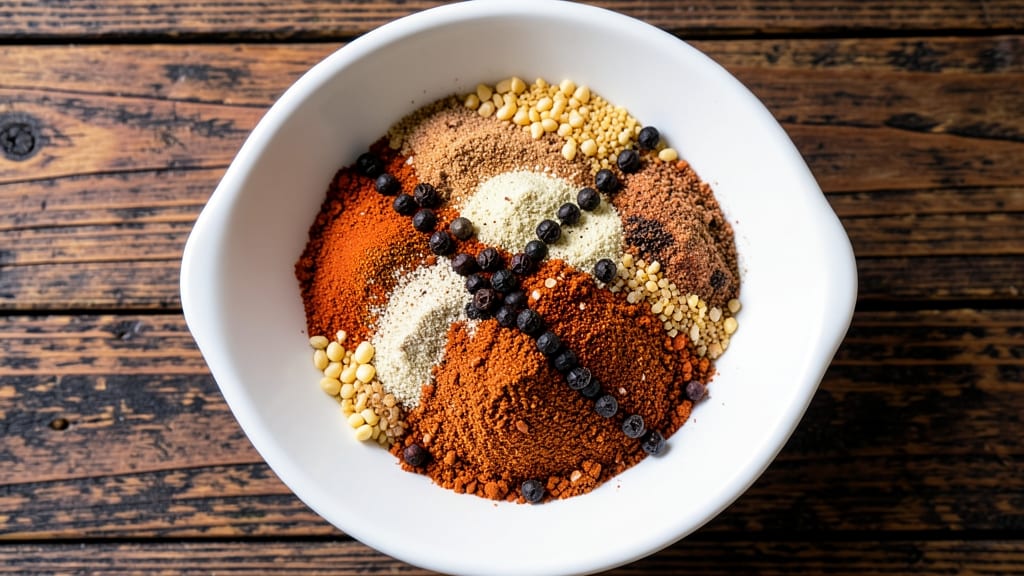
This beef brisket dry rub recipe for smoking transforms tough cuts into smoky, tender perfection with a deep-spiced crust that clings to every bite, developed after years of refining Texas-style competition rubs. heat, and savory depth—no shortcuts, just precision.
The key lies in the brown sugar caramelization during smoking, which creates that signature bark while keeping the meat juicy inside.
The secret weapon here is equal parts chili powder and brown sugar, with supporting spices like garlic powder, smoked paprika, and black pepper to build complexity. I’ve tested this on everything from point cuts to flat rolls, and it delivers restaurant-quality results every time.
The rub works best when applied generously—about 2 tablespoons per pound—and left to adhere for at least 30 minutes before hitting the smoker.
What you’ll end up with is a brisket that’s crusty on the outside, melt-in-your-mouth tender inside, with layers of smoky, slightly sweet, and spicy flavors. This isn’t just a rub—it’s the foundation for a showstopping centerpiece that impresses even the most critical BBQ judges.
The best part? It keeps well for months in an airtight container, so you can stock up for your next smoking session.
Pair it with a simple apple-cider vinegar mop for extra moisture, and you’ve got a foolproof method that turns any backyard smoker into a pitmaster’s dream. Here’s how to mix it up and get started.
Ingredients for beef brisket dry rub recipe for smoking
Nine spices, one perfect crust—this is your Texas-style brisket game-changer.
| Ingredient | Amount | Notes |
|---|---|---|
| Chili Powder 🌶️ | 4 tbsp | Medium heat preferred for balance |
| Light Brown Sugar 🍚 | 4 tbsp | Packed firmly for accurate measure |
| Smoked Paprika 🌶️ | 2 tbsp | Spanish or Hungarian for deep smoke |
| Garlic Powder 🧄 | 1 ½ tbsp | Freshly ground preferred for intensity |
| Onion Powder 🧅 | 1 tbsp | Not onion salt—pure powder |
| Ground Black Pepper 🌶️ | 1 ½ tbsp | Freshly cracked for best flavor |
| Granulated Salt 🧂 | 1 ½ tbsp | Diamond Crystal preferred for purity |
| Ground Cumin 🌿 | 1 tbsp | Toasted for deeper aroma |
| Mustard Powder 🍯 | ½ tbsp | Yellow or Dijon for tangy depth |
| Cayenne Pepper 🔥 | ½ tbsp | Adjust for heat preference |
The chili powder and brown sugar are non-negotiable—they create that signature caramelized bark while balancing heat and sweetness. Penzeys Spices or McCormick Gourmet chili powder gives the best consistency, but any medium-heat blend works. For smoked paprika, Spanish paprika (like La Boqueria) adds more depth than regular paprika—worth hunting down at specialty stores. The garlic and onion powders should be freshly ground if possible; pre-ground loses potency fast. If you're using a bulk bin, check the date—older spices taste like dust, not flavor.
No smoked paprika? Regular paprika plus 1/2 tsp liquid smoke gets you close, though purists will notice the difference. Short on mustard powder? Dijon mustard paste at half the amount works in a pinch, but it'll add moisture. The cayenne is optional—skip it if you're sensitive to heat, but trust me, it adds complexity. For a sweeter profile, add 1 extra tbsp brown sugar. If you're using this on a point cut, you'll need roughly 2 tablespoons per pound of brisket—double that for flat cuts to ensure full coverage.
Store this rub in an airtight container with a paper towel barrier to absorb moisture—keeps it potent for up to 6 months. I like to portion it into small jars for easy grab-and-go smoking sessions. For extra shelf life, freeze portions in ice cube trays—just pop one out when you're ready to rub. The brown sugar will harden, so let it sit at room temperature for 10 minutes before mixing. This rub is your secret weapon; treat it like gold.
Why You'll Love This Recipe
- No Fuss, Big Payoff: Honestly, this rub takes me all of five minutes to mix—just dump the spices in a bowl, stir, and slap it on the brisket. That smoky-sweet crust? Worth every second of not overthinking it.
- Smoke & Sugar Magic: Between us, the brown sugar caramelizes into this sticky, glass-like glaze while the smoked paprika adds that deep, campfire aroma. The garlic and onion powders sneak in that savory depth without needing extra prep—it’s like a flavor bomb in a jar.
- Tailgate to Tuesday: I’ve used this rub for everything from backyard BBQs to lazy Sunday leftovers. The chili powder gives it enough kick to feel special, but it’s mild enough that even my picky uncle asks for seconds. (Yes, even on a Tuesday night.)
- Leftovers That Don’t Suck: Here’s what sold me—the brisket stays moist for days, and the rub’s sweetness actually improves the next day. I freeze half the batch for future meals, and it’s still the star of sandwiches or nachos. Budget-friendly? Absolutely. Wasteful? Never.
Step-by-step instructions for crafting smoked brisket dry rub
Here's how to blend these spices into a perfect crust that clings to every inch of brisket.
Combine the Base Spices for Even Distribution
In a medium bowl, start by adding the 4 tablespoons chili powder and 4 tablespoons light brown sugar. The chili powder provides that essential heat and depth, while the brown sugar creates a caramelized crust during smoking. Use a whisk to break up any clumps in the brown sugar—packed measurements matter here for consistency.
Next, incorporate the 2 tablespoons smoked paprika and 1 tablespoon onion powder. These ingredients form the aromatic backbone of the rub, delivering that smoky, slightly sweet complexity that defines great smoked brisket. The onion powder adds subtle sweetness without overpowering the other flavors. Whisk vigorously for 30 seconds to ensure these dry ingredients fully integrate with the chili powder and sugar.
Add the Heat and Earthy Elements
Now it's time for the heat components. Add the 1.5 tablespoons ground black pepper and 0.5 tablespoon cayenne pepper. The black pepper provides a balanced, sharp heat, while the cayenne delivers that signature kick that lingers on the tongue. Sprinkle the cayenne carefully—too much here will make the rub overwhelmingly hot. The 1 tablespoon ground cumin goes in next, adding earthy warmth that pairs beautifully with the smoky elements.
For the final touch, incorporate the 1.5 tablespoons granulated salt and 0.5 tablespoon mustard powder. The salt enhances all the flavors, while the mustard powder adds a subtle tang that brightens the overall profile. Mustard powder might seem like an odd choice, but it prevents the rub from tasting flat. Use a small spoon to measure the mustard powder precisely—this is where flavor balance happens.
Finish with Garlic Powder for Depth
Add the 1.5 tablespoons garlic powder last. This step is crucial because garlic powder has a stronger flavor than fresh garlic, and we want it to blend seamlessly without dominating. The garlic powder infuses the rub with a savory sweetness that complements the smoky, spicy elements. Use freshly ground garlic powder if possible—pre-ground spices lose potency quickly.
Transfer the mixture to a clean, airtight container. Store it in a cool, dark place until ready to use. This rub will keep for up to 3 months, though I recommend making a fresh batch every 2 months to ensure maximum flavor. The spices in this blend are designed to work together harmoniously, creating that perfect balance of heat, smoke, and sweetness that makes every bite of smoked brisket unforgettable.
Apply the Rub for Maximum Adherence
When you're ready to smoke your brisket, remove it from the refrigerator and let it sit at room temperature for 1 hour. This step is essential for even cooking and better rub adherence. Generously coat all sides of the brisket with the dry rub, pressing it firmly into the meat so it sticks. Pay special attention to the fat cap—the rub will caramelize beautifully there, creating that coveted bark.
Let the rubbed brisket rest uncovered in the refrigerator for at least 4 hours, or overnight for best results. This resting period allows the rub to penetrate the meat and develop deeper flavor. The longer you let it rest, the more intense the flavor will be when you smoke it. This isn't just about seasoning—it's about creating that perfect crust that holds up through hours of low-and-slow cooking.
Pro Tips For Making Beef Brisket Dry Rub Recipe For Smoking
- Crust First, Then Heat: Start your brisket at 225°F—but sear the rubbed surface in a screaming-hot cast-iron pan for 30 seconds before smoking. The Maillard reaction kicks in fast, and that crust locks in the spices so they don’t wash off during the long cook. I used to skip this, and half my rub ended up in the drip pan.
- Sift That Sugar: Light brown sugar clumps like a stubborn guest at a party. Sift it through a fine-mesh strainer with the chili powder and smoked paprika before mixing—this ensures an even coat and prevents patchy flavor. I learned this the hard way after pulling apart a brisket with sugar glaze only on the edges.
- Don’t Crowd the Meat: If you’re prepping multiple briskets, let them sit uncovered in the fridge for 20 minutes after rubbing so the spices adhere. Then smoke them spaced apart—even if it means two batches. Overcrowding steams the rub instead of crisping it, and nobody wants a sad, soggy spice crust.
- Test the Rub Early: Taste your dry rub mix before applying it to the meat—yes, even if it’s just spices. Adjust the garlic powder (start with 1 tsp less) or add a pinch of cayenne if the chili powder feels too mild. You’ll save yourself from over-seasoning a 10-pound brisket because you assumed the recipe was perfect. (Spoiler: It’s not.)
Serving suggestions for beef brisket dry rub recipe for smoking
Classic Texas Sides
No brisket feast is complete without creamy coleslaw—I make mine with a tangy vinegar-based dressing and shredded cabbage from New Seasons Market. The acidity cuts through the richness of the brisket beautifully.
For extra crunch, add pickled red onions sliced thin. Serve it chilled in a glass bowl to keep it refreshing. 🥬
Smoky Cornbread
Warm smoky cornbread is my go-to side because it soaks up all the brisket juices. I use stone-ground cornmeal and add 1 tablespoon smoked paprika to the batter for that same smoky depth as the rub.
Top it with a sprinkle of crumbled bacon for a salty crunch. This cornbread stays moist for days when wrapped in foil.
Baked Beans
Slow-cooked baked beans with a hint of maple syrup and liquid smoke elevate the meal. I simmer 1 lb navy beans with 2 cups BBQ sauce, 1 cup apple cider, and 4 slices bacon for 3 hours until tender.
The sweetness balances the brisket's smokiness perfectly. Serve them in a cast-iron skillet straight from the oven for that restaurant-style presentation. 🍖
Pickled Vegetables
Bright, quick-pickled jalapeños and carrots add a refreshing crunch to cut through the richness. I use a simple brine of 1 cup vinegar, 1 cup water, 1 tbsp sugar, and 1 tsp salt, letting them pickle for at least 2 hours.
These pickles also make great toppings for sandwiches later in the week.
Garnish Game-Changers
Finish your brisket platter with fresh cilantro and sliced avocado for a bright, creamy contrast. I also love adding crumbled blue cheese on top of the brisket slices for a tangy bite.
For a sweet touch, drizzle with honey butter—just melt 2 tbsp butter with 1 tbsp honey and brush it on warm slices. 🍯
Drink Pairings
Serve your smoked brisket with a sweet iced tea—I steep black tea bags with 2 tbsp honey and a splash of lemon. For beer lovers, a crisp lager like Peroni cleanses the palate, while bourbon adds a smoky sophistication.
Keep drinks cold in a cooler with ice packs to maintain the perfect temperature. 🍺
Nutrition facts
Frequently asked questions
Can I adjust the heat level in this brisket rub?
The recipe includes 0.5 tablespoon cayenne pepper for a mild kick. For less heat, reduce the cayenne to 0.25 tablespoon or omit it entirely. If you want more spice, increase to 1 tablespoon but balance it by reducing the brown sugar slightly to prevent overpowering sweetness. Always taste-test the rub before applying—this is your chance to customize it to your crowd's preferences!
How long should I let the rub sit on the brisket before smoking?
For best results, let the rubbed brisket rest uncovered in the refrigerator for at least 4 hours, or overnight if possible. This resting period allows the spices to penetrate the meat and develop deeper flavor. The longer it rests, the more intense the crust will be when smoked. Pro tip: Pat the brisket dry before applying the rub for even better adherence.
What's the best way to store leftover dry rub?
Transfer the rub to an airtight container with a paper towel barrier to absorb moisture. Store in a cool, dark place where it'll keep for up to 6 months. For extra shelf life, freeze portions in ice cube trays—just pop one out when ready to use. The brown sugar may harden when frozen, so let it sit at room temperature for 10 minutes before mixing. This keeps your rub potent for months!
Can I use this rub on other meats besides brisket?
This versatile rub works beautifully on pork shoulder, chicken thighs, or even ribs. For poultry, reduce the cayenne to 0.25 tablespoon to avoid overpowering the delicate meat. When using on pork, increase the brown sugar to 5 tablespoons for a sweeter crust. The key is adjusting the spices to match the meat's fat content and cooking time.
What's the secret to getting that perfect bark on brisket?
The bark forms from the combination of brown sugar caramelization and the smoke exposure during cooking. Keep your smoker between 225-250°F and maintain consistent temperature. Spritz the brisket with apple cider vinegar every 2 hours to prevent the rub from burning before the bark forms. The fat cap should develop a dark, crispy crust while the meat stays tender underneath. Patience is key—great bark takes time!