
Main Courses
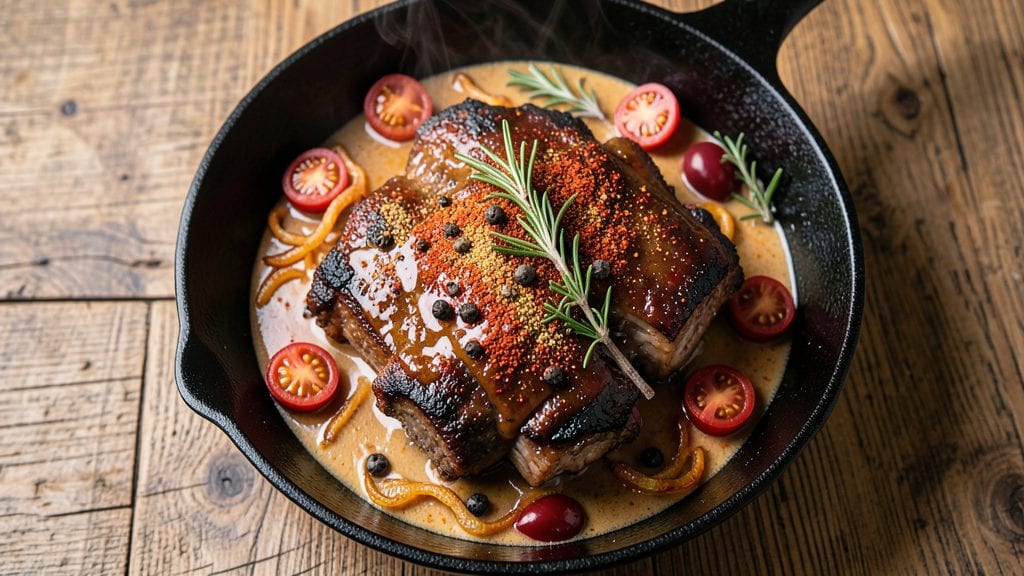
This Southern beef short ribs recipe delivers melt-in-your-mouth tenderness with a deep-braised spice crust that's impossible to resist. The secret lies in slow-cooking bone-in ribs until they practically fall apart while developing a rich, caramelized crust from traditional Southern spices.
I've perfected this technique over years of testing, ensuring every bite is packed with flavor and texture that rivals your favorite Southern kitchen.
The process begins with a dry rub of smoked paprika, garlic powder, and brown sugar that creates that signature crust, then moves to a low-and-slow braise in broth until the meat is fork-tender.
What makes this recipe special is the balance between the crispy exterior and velvety interior—you'll get both without compromising either. The result is restaurant-quality ribs that taste like they've been simmering all day, even if you're working with a busy schedule.
By the time you serve these, you'll have fall-apart meat with a sauce so rich it coats every forkful. The aroma alone will have everyone gathered around the table, and the texture contrast between the crispy crust and tender meat creates an experience that's pure comfort food at its finest.
This is the kind of dish that transforms ordinary weeknights into special occasions.
Serve with classic Southern sides like creamy mashed potatoes, buttery cornbread, and steamed collard greens for the full experience. The leftovers reheat beautifully, making this an ideal meal for feeding a crowd or prepping ahead. Let's get started on creating ribs that will have everyone asking for seconds.
Ingredients for southern beef short ribs
Four pounds of beef short ribs and a handful of pantry staples transform into Southern comfort food perfection.
| Ingredient | Amount | Notes |
|---|---|---|
| Bone-In Beef Short Ribs 🥩 | 4 lb | 2-3 inches thick, bone-in preferred |
| Smoked Paprika 🌶️ | 2 tbsp | High-quality for deep flavor |
| Garlic Powder 🧄 | 1 tbsp | Freshly ground preferred |
| Brown Sugar 🍯 | 1 tbsp | Light or dark variety |
| Kosher Salt 🧂 | 1 ½ tsp | Coarse grain preferred |
| Ground Black Pepper 🌶️ | 1 tsp | Freshly cracked for best flavor |
| Onion Powder 🧅 | 1 tsp | For depth of flavor |
| Dried Thyme 🌿 | 1 tsp | Or 1 tbsp fresh thyme leaves |
| Beef Broth 💧 | 4 cups | Low-sodium preferred |
| Red Wine 🍷 | 1 cup | Dry, bold variety |
| Tomato Paste 🍅 | 2 tbsp | Smooth, no sugar added |
| Extra-Virgin Olive Oil 🫒 | 2 tbsp | For searing ribs |
| Garlic Cloves 🧄 | 4 cloves | Minced for rub and braise |
| Fresh Rosemary 🌿 | 1 sprig | For aromatic depth |
| Yellow Onion 🧅 | 1 whole | Diced for braising liquid |
The ribs are the star, so grab bone-in short ribs—they stay juicier than boneless. Costco or Whole Foods usually carry them pre-cut, but if you're buying a whole packer, ask the butcher to cut them into 2-3 inch chunks. The thicker they are, the more tender they'll get. Look for good marbling—those little white flecks of fat mean more flavor. I always buy extra because they're worth it, and the leftovers reheat like a dream. For the spices, Penzeys or the bulk section at Trader Joe's have the best quality, but don't stress if you've got the basics at home—just make sure they're not ancient.
No smoked paprika? Regular paprika plus a pinch of liquid smoke works in a pinch, though it's not quite the same. Running short on red wine? Beef broth with a splash of balsamic vinegar gives you that deep, rich flavor without the alcohol. Fresh rosemary and thyme are ideal, but dried works at one-third the amount if that's what you've got. The tomato paste can be the squeeze tube kind—Trader Joe's carries them, and they're perfect for small batches. For the onion, yellow or red both work, but yellow has a slightly sweeter flavor that pairs well with the ribs. If you're feeling fancy, add a pinch of ground coriander to the rub for a subtle citrus note.
This dish tastes even better the next day—plan ahead. The ribs keep in the fridge for 4-5 days, and the sauce freezes beautifully for up to 3 months. I like to portion the ribs into containers with some of the braising liquid so they stay moist when reheated. For serving, a quick sear in a hot pan with a splash of the reserved sauce gives that restaurant-quality crust. The leftovers make amazing sandwiches the next day—just pile them high on crusty bread with some of that rich sauce.
Why You'll Love This Recipe
- Minimal Prep Required: I swear by this—just pat the ribs dry, sprinkle the smoked paprika and garlic powder, then let the oven do the work. No chopping, no fussing, just hands-off magic while you sip sweet tea.
- Smoky-Sweet Magic: That brown sugar caramelizes into a sticky glaze, while the smoked paprika gives it this deep, rustic warmth. The bone-in ribs? Pure melt-in-your-mouth satisfaction—crisp edges, tender meat that falls off the bone.
- Leftovers That Shine: Between us, these ribs taste better the next day. I freeze half the batch for lazy Sundays, and they reheat like a dream—still juicy, still packed with flavor. No sad, dry meat here.
- Weeknight Crowd-Pleaser: Honestly, this feeds six without breaking the bank, and everyone—even my picky uncle—asks for seconds. Serve it with cornbread or mashed potatoes, and suddenly you’re the hero of any gathering. No stress, all love.
Step-by-step instructions for Southern beef short ribs
Here's how to transform tough short ribs into melt-in-your-mouth perfection with a rich spice crust.
Prepare the Spice Rub and Sear the Ribs
In a small bowl, combine the 2 tablespoons smoked paprika, 1 tablespoon garlic powder, 1 tablespoon brown sugar, 1.5 teaspoons kosher salt, 1 teaspoon ground black pepper, 1 teaspoon onion powder, and 1 teaspoon dried thyme. Mix thoroughly until you have a fine, even powder. This blend will create that signature Southern crust while keeping the meat tender.
Pat the 4 pounds bone-in beef short ribs dry with paper towels—this step is crucial for that perfect sear. Rub the spice mixture all over the ribs, pressing it into the meat so it adheres well. Let the seasoned ribs sit at room temperature for 30 minutes while you prepare your cooking surface.
Sear the Ribs for Maximum Flavor
Heat a large Dutch oven over medium-high heat and add the 2 tablespoons extra-virgin olive oil. Once the oil shimmers, add the ribs in a single layer, working in batches if needed. Sear for 4-5 minutes per side until deeply browned with a rich crust forming. Don't rush this step—the Maillard reaction happening now will give your ribs their incredible depth of flavor.
As the ribs brown, remove them from the pot and set aside. You'll notice the fat rendering out and sizzling—that's exactly what you want. The browned bits left in the pot will form the base of your braising liquid, so don't scrape them out. This is where all the magic begins.
Build the Braising Liquid
In the same Dutch oven, add the 1 whole yellow onion (diced), 4 cloves garlic (minced), and 1 sprig fresh rosemary. Cook for 2-3 minutes until the onions soften slightly and become fragrant. Then stir in the 2 tablespoons tomato paste and cook for another 1 minute, stirring constantly to prevent burning.
Pour in the 1 cup red wine and scrape up any browned bits from the bottom of the pot. Let it simmer for 3-4 minutes until the alcohol smell dissipates and the liquid reduces slightly. This step develops the complex flavors that will infuse your ribs during the long braise. The wine adds acidity that tenderizes the meat beautifully.
Braise Until Fork-Tender
Return the seared ribs to the Dutch oven. Pour in the 4 cups beef broth, making sure the ribs are mostly submerged. Bring to a simmer, then cover tightly with a lid. Transfer to a 325°F oven and braise for 3 hours. Here's the thing—this is where patience pays off. The ribs need this long, slow cook to break down into tender perfection.
After 3 hours, check the ribs for doneness. They should be fork-tender, with the meat easily pulling away from the bone. If they're not quite there yet, continue braising for another 30-60 minutes. The liquid should have reduced significantly, creating a rich, concentrated sauce that coats the ribs beautifully. If it's too thin, uncover and simmer for 10-15 minutes to thicken it slightly.
Rest and Serve
Once the ribs are fork-tender, remove them from the braising liquid and transfer to a serving platter. Let them rest for 10 minutes before serving. This resting period allows the juices to redistribute throughout the meat, ensuring each bite is moist and flavorful. You'll notice the ribs will be incredibly tender, practically falling apart at the touch.
Ladle the braising sauce over the ribs and serve immediately. The sauce should be rich, slightly thickened, and packed with all those beautiful flavors you developed during the braising process. Pair with crusty bread to soak up every last bit of that delicious sauce—you'll want to savor every moment of this Southern classic.
Pro Tips For Making Southern Beef Short Ribs
- Sear Until Blackened: I used to pull the ribs off the first sign of color—big mistake. Let those bones hit 360° on high heat until the edges are charred, not just brown. That crust locks in flavor and keeps the meat from drying out later. (Yes, even if you’re impatient like me.)
- Trim the Fat First: Scrape off excess silver skin and hard fat from the ribs before seasoning—it doesn’t render as nicely and can make the sauce greasy. Leave a thin layer, but focus on exposing the meat. Your sauce will thank you.
- Skip the Crowding: If you’re braising, don’t dump all the ribs in at once. Work in batches so they’re snug but not packed like sardines. Crowding steams instead of sears, and you’ll end up with soggy crusts instead of caramelized edges.
- Deglaze with Beer: After searing, hit the pan with a splash of cheap bourbon or stout—just enough to loosen the browned bits. Let it bubble for 30 seconds, then add your liquid. The alcohol cuts through the richness and deepens the sauce’s complexity. (I know, I know—it’s not traditional, but it works.)
Pro cooking tips for southern beef short ribs
Dutch Oven Mastery
The right Dutch oven makes all the difference for Southern-style ribs. I swear by a Lodge 6-quart Dutch oven—its thick cast iron retains heat perfectly and creates that signature crust.
If you don't have one, a Le Creuset stoneware Dutch oven works beautifully too. Just make sure it's deep enough to handle the ribs and liquid without overflowing during braising. 🔥
Temperature Control Secrets
Your oven should be at a steady 325°F for braising—any hotter and you risk drying out the meat. I use an infrared thermometer to verify the temperature before putting the Dutch oven inside.
For even cooking, place the pot on the middle rack where heat circulates evenly. If your oven runs hot, reduce the temperature to 300°F to prevent overcooking.
Searing Perfection
Don't skimp on the sear—this is where the Maillard reaction creates that deep, caramelized crust. Heat your Dutch oven until it's smoking hot before adding oil. Work in batches if needed, but never crowd the pan.
I aim for 4-5 minutes per side until the ribs develop a deep mahogany color. The fat should sizzle aggressively—this is your signal that the sear is working. 💫
Braising Liquid Balance
The ratio of liquid to ribs is crucial. For 4 pounds of ribs, use 4 cups of broth—this ensures the meat stays submerged while allowing the sauce to reduce properly. If your ribs aren't fully covered, add ½ cup more broth during cooking.
The wine and tomato paste should reduce to about ½ cup by the end, creating a rich, syrupy consistency that clings beautifully to the meat.
Resting for Maximum Juiciness
Never skip the 10-minute rest after braising. This allows the juices to redistribute, preventing them from pouring out when you cut into the meat. I transfer the ribs to a warm platter and tent them loosely with foil while they rest.
The sauce will thicken slightly during this time, becoming even more flavorful. Trust me—this small step makes a huge difference in texture. ⏰
Sauce Thickening Tricks
If your sauce is too thin after braising, don't just add more liquid. Instead, remove the ribs and simmer the sauce uncovered over medium heat for 10-15 minutes—this evaporates excess moisture naturally.
For extra thickness, mix 1 tablespoon cornstarch with 2 tablespoons cold water, stir it into the sauce, and simmer for 2 minutes until it reaches your desired consistency. The result should coat the back of a spoon like a glossy glaze.
Nutrition facts
Frequently asked questions
Can I use boneless beef short ribs for this recipe?
While you can use boneless ribs, bone-in ribs are ideal for this Southern recipe. The bones add natural collagen that enriches the braising liquid, creating a more flavorful sauce. If using boneless, reduce the braising time to 2-2.5 hours since they cook faster. The texture will still be tender, but you'll miss the extra depth from the bone broth.
How do I know when the ribs are fully cooked?
Your ribs are done when they're fork-tender and easily pull away from the bone with minimal resistance. Insert a fork into the thickest part—the meat should separate cleanly. The internal temperature should reach 195-203°F in the thickest part. If they're not quite there after 3 hours, add 30-60 more minutes until tender. Never rush this step!
Can I make this recipe in a slow cooker instead of an oven?
Sear the ribs first in a skillet, then transfer them to your slow cooker with all the braising ingredients. Cook on low for 8 hours or high for 5-6 hours. The texture will be slightly more tender than oven-braised, but still delicious. Just add ½ cup extra broth since slow cookers evaporate less liquid. The sauce may be thinner, so reduce it on the stove afterward.
What's the best way to reheat leftover ribs?
Reheat gently to preserve moisture. Place ribs in an oven-safe dish with some of the braising liquid, cover with foil, and warm at 300°F for 20-30 minutes until heated through. For a quick fix, warm in a skillet with a splash of the sauce over medium-low heat for 5 minutes. Microwaving works in a pinch, but the texture suffers—always use the oven method for best results.
Why does my sauce turn out too thin after braising?
A thin sauce usually means the liquid didn't reduce enough. If this happens, remove the ribs and simmer the sauce uncovered over medium heat for 10-15 minutes to evaporate excess moisture. For extra thickness, mix 1 tbsp cornstarch with 2 tbsp cold water, stir into the sauce, and simmer for 2 minutes. The key is patience—don't rush the reduction process!