
Soups & Stews
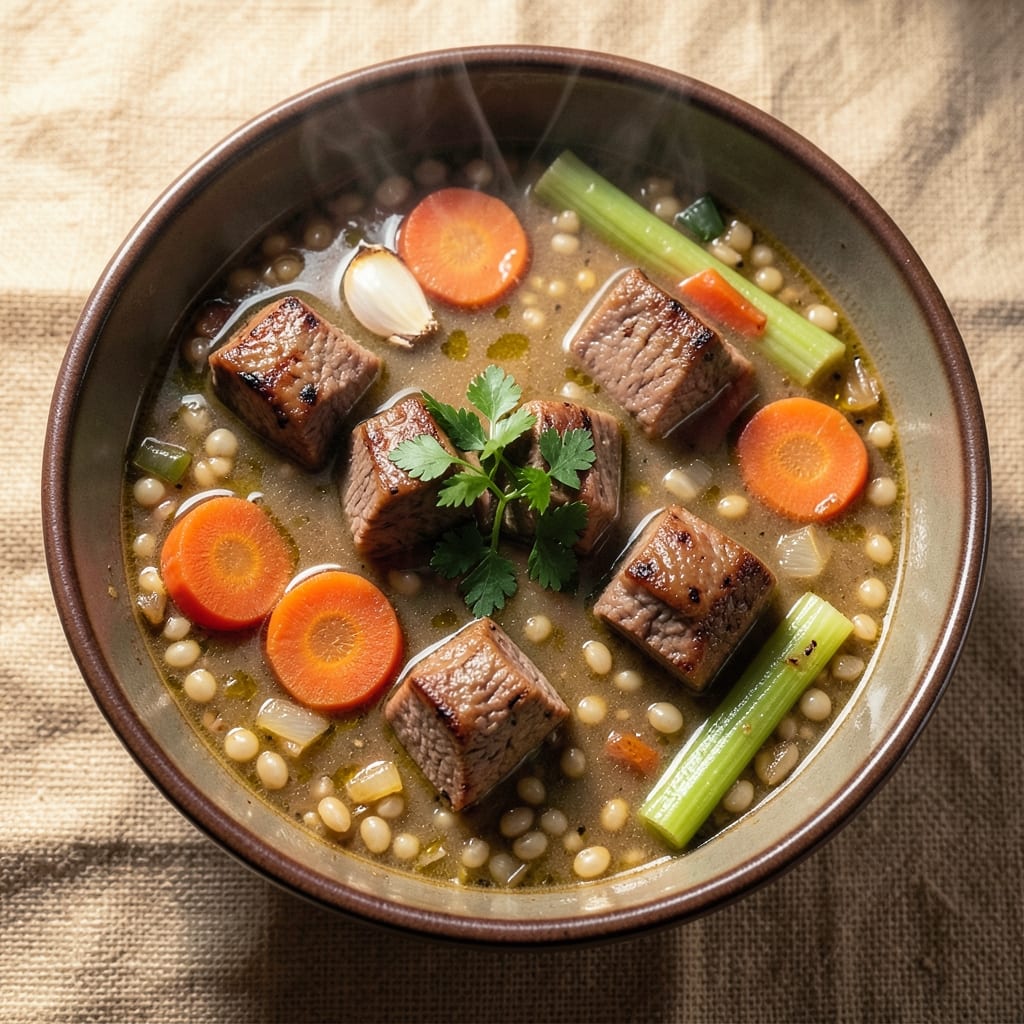
Transforming leftover prime rib into this beef barley soup is one of the most satisfying ways to repurpose holiday leftovers. The rich umami from those tender prime rib bites elevates an already comforting dish, creating layers of depth that store-bought broth simply can't match. I've been perfecting this technique for years, and it's become my go-to solution for turning expensive cuts into multiple meals without waste.
What sets this recipe apart is the balance of textures and flavors—tender barley, hearty beef chunks, and a broth so flavorful it practically sings. The key is slow simmering, which allows the barley to soften just enough while the prime rib absorbs and re-releases its deep, savory notes into the broth. This isn't just any beef barley soup; it's a restaurant-quality meal that comes together in one pot.
The result is a soup that's hearty enough for a cold winter evening but flexible enough for any day you need comfort. Each spoonful delivers that perfect combination of chewy barley, tender beef, and a broth so rich it feels like a hug in a bowl. The best part? You'll use up that prime rib completely while creating something even more special than the original roast.
Perfect for meal prepping, feeding a crowd, or simply enjoying a bowl of warmth on a chilly evening. Here's how to make it—every step designed to maximize flavor while minimizing effort.
Ingredients for beef barley soup recipe with leftover prime rib
Prime rib leftovers transform into restaurant-quality soup with these simple, flavor-packed ingredients.
| Ingredient | Amount | Notes |
|---|---|---|
| Leftover Prime Rib 🥩 | 1 ½ lb | Tender, trimmed of excess fat |
| Pearl Barley 🌾 | 1 cup | Rinsed before cooking |
| Yellow Onion 🧅 | 1 whole | Diced, medium size |
| Carrots 🥕 | 3 medium | Peeled, sliced into rounds |
| Celery Stalks 🧄 | 3 whole | Diced, including leaves |
| Garlic Cloves 🧄 | 4 cloves | Minced, fresh preferred |
| Tomato Paste 🍅 | 2 tbsp | High-quality, no sugar added |
| Beef Broth 💧 | 4 cups | Homemade or high-quality store |
| Red Wine 🍷 | ½ cup | Bold, dry variety |
| Thyme Sprigs 🌿 | 2 whole | Fresh, stems removed |
| Bay Leaves 🍃 | 2 whole | Dried, standard size |
| Salt 🧂 | 1 ½ tsp | Kosher or sea salt |
| Black Peppercorns 🌶️ | ½ tsp | Freshly cracked |
| Olive Oil 🫒 | 2 tbsp | Extra-virgin for richness |
| Fresh Parsley 🌿 | ¼ cup | Chopped, for garnish |
That prime rib is the star here—look for tender, well-marbled pieces from your holiday roast. Costco or Whole Foods often have great pre-sliced options if you didn't save yours. Pearl barley is key for that perfect chewy texture—avoid quick-cooking varieties unless you're in a rush. For the veggies, I always grab the organic carrots and celery at Trader Joe's—they hold up better during simmering. Fresh thyme and parsley make all the difference, so don't skip them if you've got them (dried works in a pinch).
No red wine? Substitute with extra beef broth plus a splash of balsamic vinegar—it adds that same depth without alcohol. Pearl barley taking too long? Soak it for 30 minutes first to cut cooking time. Using store-bought broth? Add a bouillon cube to intensify flavor**—but don't skip the tomato paste, that's where the umami magic happens. The carrots can be baby carrots if that's what's in your fridge, but regular ones hold their shape better. For extra richness, stir in a spoonful of vegetable oil at the end if your soup feels too thin.
This soup tastes even better the next day—make a double batch and freeze portions for quick meals. Keeps in the fridge for 5 days or freezes beautifully for 3 months. I always portion mine into containers so lunches are ready to grab. The barley thickens as it cools, so add a splash of broth when reheating. Garnish with fresh parsley right before serving—that bright green color makes it look restaurant-worthy instantly.
Why You'll Love This Recipe
- Zero-Waste Magic: I swear by this trick—turning last night’s prime rib into today’s soup without a single slice going to waste. Just shred that leftover meat, toss it in, and let the broth work its magic while you chop veggies in five minutes flat.
- Rich, Deep Umami Bomb: That prime rib isn’t just filling—it’s flavor-packed. The tender, fatty bits melt into the broth, while the barley soaks up all that savory goodness. Honestly, the first spoonful makes me forget I’m eating leftovers.
- Meal Prep MVP: I make a double batch on Sundays, and it lasts me all week. The barley thickens beautifully when reheated, and the flavors only get better as the broth reduces. Perfect for busy nights when I don’t want to think.
- Budget Booster: Prime rib feels fancy, but this soup stretches it into three meals instead of one. Add a handful of barley, some cheap veggies, and suddenly you’ve got a hearty, restaurant-worthy dish without breaking the bank. My wallet thanks me.
Step-by-step instructions for beef barley soup with leftover prime rib
Transform your leftover prime rib into a hearty, umami-rich soup that's packed with deep flavor and satisfying texture.
Sear the Leftover Prime Rib for Maximum Flavor
Cut the 1.5 lb leftover prime rib into ½-inch cubes—this size ensures even cooking and bite-sized tenderness. Heat 2 tablespoons olive oil in a large Dutch oven over medium-high heat until shimmering. Working in batches if needed, add the prime rib cubes and sear for 2-3 minutes per side until deeply browned. You're building flavor here, so don't rush this step.
Once all the meat is browned, transfer it to a plate and set aside. The browned bits left in the pot are pure flavor gold—this is called fond, and it's the secret to a rich soup base. I like to press down gently on the meat with a spatula during searing to prevent curling, which helps create that perfect crust.
Sauté the Vegetable Base for Aromatic Depth
In the same Dutch oven, add the diced yellow onion, sliced carrots, and diced celery stalks (including leaves). Cook over medium heat for 8-10 minutes, stirring occasionally, until the vegetables soften and the onion becomes translucent. You'll smell that sweet, caramelized aroma developing—that's when you know you're on the right track.
Add the 4 cloves minced garlic and cook for an additional 30 seconds until fragrant. Then stir in the 2 tablespoons tomato paste and cook for 1 minute to deepen its flavor. This step forms the aromatic foundation of your soup, so take your time and don't skip it.
Deglaze and Simmer the Barley
Pour in the ½ cup red wine and scrape up all those browned bits from the bottom of the pot using a wooden spoon. This deglazing step captures all that meaty flavor you worked so hard to create. Let the wine simmer for 3-4 minutes until reduced by half, allowing its alcohol to cook off and its richness to concentrate.
Add the 1 cup rinsed pearl barley, 4 cups beef broth, 2 thyme sprigs, 2 bay leaves, 1.5 teaspoons salt, and ½ teaspoon cracked black peppercorns. Stir well to combine, then return the seared prime rib cubes to the pot. Bring everything to a gentle boil, then reduce heat to low and let it simmer uncovered for 45-50 minutes. The barley should be tender but still have a slight bite—this is key for the perfect texture.
Finish and Garnish for Restaurant-Quality Presentation
Once the barley is tender, taste the soup and adjust seasoning if needed. I usually add a pinch more salt or a crack of black pepper at this stage. Remove the thyme sprigs and bay leaves—they've done their job. The soup should be rich, savory, and deeply flavorful with the umami from the prime rib shining through.
Ladle the soup into bowls and garnish each serving with ¼ cup chopped fresh parsley. The bright green parsley cuts through the richness and adds a fresh finish. Serve immediately with crusty bread to soak up every last drop of that delicious broth. This soup tastes even better the next day as the flavors continue to meld!
Pro Tips For Making Beef Barley Soup Recipe With Leftover Prime Rib
- USE COLD WATER START: The prime rib won’t turn tough if you shock it—chop the meat into ½-inch cubes and add them to cold broth first, then bring to a simmer. I used to drop it in hot, and the edges would tighten up like overcooked steak. Cold water guarantees tender chunks every time.
- SOAK BARLEY 30 MINUTES: Pearl barley swells up like a sponge, and dry-packing it makes the soup gummy. Rinse it first, then soak in warm water for 30 minutes before adding to the pot. This cuts cooking time by 20 minutes and keeps the texture creamy, not mushy.
- DON’T SKIP THE MISO: A tablespoon of white miso paste (yes, even if you’re not a fan) deepens the broth’s umami without overpowering. Stir it in the last 10 minutes—it’s the thing that matters most when turning leftover meat into something richer than the original roast.
- CHAR THE VEGETABLES FIRST: Sauté onions, carrots, and celery in butter until the edges darken—about 8 minutes. This caramelization adds sweetness and depth that raw veggies can’t match. I was skeptical until I tried it, and now I refuse to skip this step.
Common mistakes when making your beef barley soup recipe with leftover prime rib
Skipping the Sear
I’ve seen people skip searing the prime rib cubes completely, thinking it’s not necessary since they’re leftovers. Big mistake! That sear creates the Maillard reaction, which builds deep, meaty flavor that transforms your soup from good to extraordinary. Even with leftover meat, those few minutes of browning make all the difference. If your prime rib is already cooked through, just sear it for 1-2 minutes per side—you don’t need to fully cook it again. 🔥
Undercooking the Barley
Pearl barley needs time to soften properly, but I’ve watched many home cooks rush this step. If you pull it out too soon, you’ll end up with crunchy, unappetizing bits. Simmer for the full 45-50 minutes—the barley should be tender but still hold its shape slightly. Pro tip: If you’re short on time, soak the barley in warm water for 30 minutes before adding it to the pot, cutting the cooking time by about 15 minutes. 🌾
Ignoring the Fond
After searing the prime rib, the browned bits stuck to the bottom of your pot—called fond—are flavor gold. Never skip deglazing with wine! These bits dissolve into the liquid, adding layers of richness that store-bought broth can’t replicate. If you’re in a hurry, use ¼ cup beef broth instead of wine, but scrape up every last bit with a wooden spoon. This is where the magic happens, and it’s the difference between a simple soup and a restaurant-quality bowl. 💛
Overcrowding the Pot
I’ve seen people try to make this soup in a pot that’s too small, leading to crowded ingredients that steam instead of sear or simmer properly. Use a Dutch oven or large pot—at least 6-quart capacity—to give everything room to breathe. If your pot is too small, cook the vegetables in batches or use a larger vessel. Crowding also makes it harder to stir and adjust seasoning, so plan ahead. 🍲
Using the Wrong Barley
Not all barley is created equal, and using the wrong type can ruin your soup. Pearl barley is the classic choice here because it holds its shape and absorbs flavor beautifully. Avoid quick-cooking barley or other varieties—they’ll turn mushy and ruin the texture. If you can’t find pearl barley, Arborio rice is a decent substitute, but the flavor and texture won’t be the same. Always rinse your barley before cooking to remove excess starch. 🌟
Skipping the Rest
After simmering, it’s tempting to dive right in and serve the soup immediately. Resist the urge!** Let the soup rest for 10-15 minutes off the heat before serving. This allows the flavors to meld and the barley to absorb even more of the rich broth. I’ve found that resting also helps the soup thicken slightly, giving it that perfect, hearty consistency. Trust me, this small step makes a huge difference. ⏳
Nutrition facts
Frequently asked questions
Can I use other cuts of beef instead of prime rib?
While prime rib delivers that luxurious umami, chuck roast or brisket work beautifully too—just increase cooking time to 2-3 hours for tender results. For quick meals, use pre-cooked roast beef from the deli counter and sear it briefly. The key is choosing well-marbled beef that stays tender when reheated.
How do I adjust this for a slow cooker?
Transfer all ingredients (except parsley) to a 6-quart slow cooker and cook on low for 6-7 hours or high for 3-4 hours. The barley will soften more than in stovetop cooking, so check for doneness at 4 hours if using high heat. Add extra broth if needed—slow cookers evaporate more liquid.
What if I don't have red wine?
No problem! Use ½ cup beef broth plus 1 tablespoon balsamic vinegar for depth, or substitute with apple cider vinegar. For alcohol-free, try ½ cup beef broth + 1 teaspoon soy sauce. The wine adds complexity, but these alternatives still create a rich, savory base.
Can I make this soup dairy-free?
This recipe is naturally dairy-free, but you can enhance it with 1 tablespoon olive oil or coconut milk at the end for creaminess. The prime rib and barley provide enough body without dairy. For extra richness, stir in ½ cup cashew cream (blend soaked cashews with broth) when serving.
How do I prevent the barley from turning mushy?
Rinse the barley thoroughly before cooking to remove excess starch, and simmer uncovered on low heat. If using quick-cooking barley, reduce simmer time to 30-35 minutes. For extra insurance, add the barley 10 minutes before the end of cooking. The goal is tender but still slightly firm barley—not mushy!