
Soups & Stews
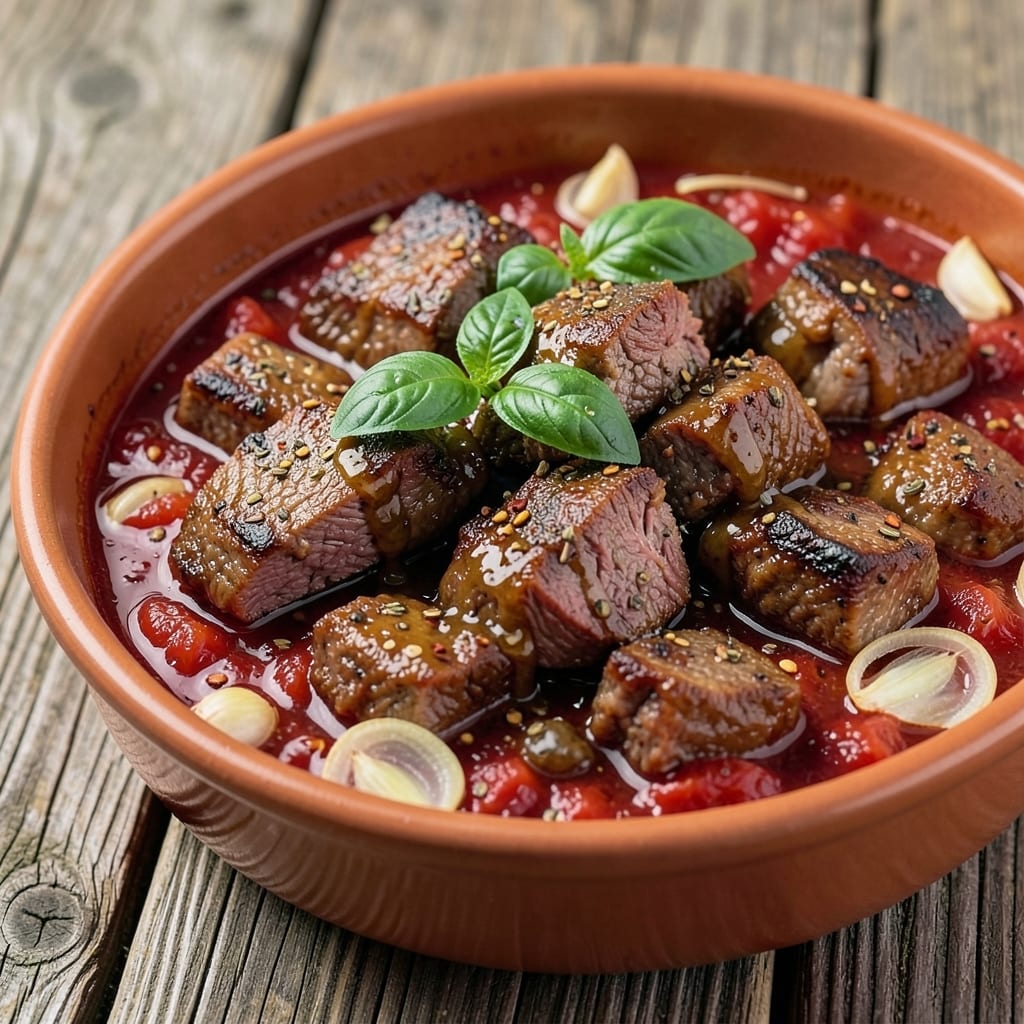
This beef arrabiata recipe transforms tough beef chunks into melt-in-your-mouth tenderness with a bold, spicy tomato-garlic sauce that simmers to perfection. The secret lies in slow cooking—allowing the meat to break down while absorbing the rich, aromatic flavors of garlic, chili, and fresh herbs. I developed this version after years of perfecting the balance between heat and depth, ensuring every bite delivers that restaurant-quality satisfaction at home.
The process is straightforward but requires patience: sear the beef first to lock in juices, then braise it in a vibrant tomato base infused with garlic, red pepper flakes, and a splash of white wine. As the sauce reduces, it thickens into a glossy, clingy coating that clings to each tender piece of beef. This method guarantees a dish that's hearty enough for a weeknight dinner but elegant enough for company.
What you'll end up with is a steaming bowl of beef arrabiata where the beef is fork-tender, the sauce is rich and slightly sweet with a kick of heat, and the aromas fill your kitchen with an irresistible warmth. The dish pairs beautifully with creamy polenta or crusty bread to soak up every last drop of that flavorful sauce.
Ready in about 2 hours (with minimal hands-on time), this recipe is perfect for feeding a crowd or meal prepping for the week. The flavors only deepen as it sits, making leftovers even more delicious. Let's get cooking—this is comfort food at its finest.
Ingredients for beef arrabiata
Sixteen ingredients for a dish that tastes like a restaurant favorite—just with more love.
| Ingredient | Amount | Notes |
|---|---|---|
| Chuck Roast 🥩 | 2 ½ lb | Cut into 1.5-inch chunks |
| San Marzano Crushed Tomatoes 🍅 | 28 oz | Canned, high quality |
| Garlic Cloves 🧄 | 6 cloves | Minced for depth |
| Red Pepper Flakes 🌶️ | 2 tsp | Adjust for heat preference |
| Dried Oregano 🍃 | 2 tsp | Or 1 tbsp fresh |
| Dried Basil 🌿 | 1 tsp | Or 1 tbsp fresh |
| White Wine 🍷 | 1 cup | Dry variety preferred |
| Beef Broth 💧 | 2 cups | Low-sodium preferred |
| Olive Oil 🫒 | ½ cup | Extra-virgin for richness |
| Tomato Paste 🍅 | 2 tbsp | Squeeze tube preferred |
| Salt 🧂 | 1 ½ tsp | Kosher or sea salt |
| Black Pepper 🌶️ | 1 tsp | Freshly ground preferred |
| Fresh Parsley 🌿 | ¼ cup | Chopped for garnish |
| Red Wine Vinegar 🍋 | 1 tbsp | For brightness |
The beef is where this dish shines. Chuck roast breaks down beautifully into tender chunks, but sirloin or flank steak works too if you're in a hurry. I always grab mine from the butcher counter—Costco or Whole Foods have the best quality. Look for good marbling and ask for it cut into 1.5-inch pieces if they don't already. The tomatoes? San Marzano is non-negotiable here—sweeter, richer flavor that makes all the difference. If you can't find it, Muir Glen is a solid backup. The garlic gets minced fine—this is where the magic happens, so don't skimp.
No white wine? Substitute extra beef broth—just add a splash of vinegar for brightness. Fresh herbs? Use double the dried amount, but honestly, the dried stuff works fine in a pinch. Red pepper flakes too spicy? Cut it in half or use mild paprika instead. The tomato paste is key for thickening—those little squeeze tubes at Trader Joe's are perfect because you only need a couple tablespoons. And if you're worried about the wine smell lingering, don't be—it cooks off completely during the long braise. The parsley is just for garnish, so grab a big bunch and use half for the top, half for your next salad.
This sauce gets better as it sits, so make extra—it reheats beautifully. Store in the fridge for up to 5 days or freeze for 3 months. I always portion mine into containers so lunches are sorted for the week. The beef will keep its tenderness, and the sauce will just thicken up more overnight. If you're meal prepping, cool it quickly in an ice bath first to prevent bacteria growth. And trust me, the leftovers? Even better than the first batch.
Why You'll Love This Recipe
- One-Pot Magic: I swear by this recipe because it’s all in one pot—no chopping boards, no extra pans. Just brown the chuck roast, toss in the San Marzano tomatoes and garlic, and let the slow simmer do the work. That’s it. (Yes, even on a Tuesday night.)
- Deep Umami Bomb: The chuck roast breaks down into tender, melt-in-your-mouth perfection, while the crushed tomatoes and dried oregano build layers of rich, savory flavor. Honestly, the first time I tasted it, I nearly burned the kitchen—it’s that good.
- Meal Prep MVP: This dish tastes just as good the next day, which means it’s my go-to for lunches or easy dinners. I’ll be real: I make a double batch, portion it out, and freeze half—because reheating this is basically a hug for my taste buds.
- Budget-Friendly Powerhouse: Chuck roast is affordable, and a single can of San Marzano tomatoes stretches across multiple meals. Between us, this recipe feeds four for under $15 and still feels like a restaurant-worthy meal. That’s the kind of win I’ll take any day.
Step-by-step instructions for beef arrabiata
This braise delivers melt-in-your-mouth beef with bold, spicy tomato sauce—simple steps for restaurant-quality results.
Sear the Beef Until Deeply Browned
Heat the 0.5 cup olive oil in a large Dutch oven over medium-high heat until shimmering. Pat the 2.5 lb chuck roast dry with paper towels—this ensures a proper sear. Working in batches, add the beef in 1.5-inch chunks to the pot, letting each piece develop a deep brown crust before stirring. This takes about 5-7 minutes total, so don't rush—those caramelized edges pack serious flavor.
Once all the beef is golden brown, remove it from the pot and set it aside. You should have about 2-3 tablespoons of rendered fat left in the bottom—this is your flavor foundation. If the pot looks dry, add 1 tablespoon of olive oil to maintain heat. The beef will finish cooking later, so focus on building that rich, spicy base first.
Build the Spicy Tomato Base
Reduce heat to medium and add the 2 tbsp tomato paste, stirring to coat the bottom of the pot. Cook for 2 minutes until it darkens slightly—this deepens the tomato flavor. Add the 6 cloves minced garlic and cook for 30 seconds until fragrant (don't let it burn). Stir in the 2 tsp red pepper flakes, 2 tsp dried oregano, and 1 tsp dried basil, letting them toast for 1 minute to release their aromas.
Pour in the 1 cup white wine and scrape up any browned bits from the bottom with a wooden spoon. Let it simmer for 3 minutes until reduced by half. This step concentrates the alcohol flavor and creates a glossy, flavorful base. The wine should smell rich and slightly tangy—this is your signal to move forward.
Simmer the Braise to Tender Perfection
Return the beef to the pot and add the 28 oz San Marzano crushed tomatoes, 2 cups beef broth, 1.5 tsp salt, and 1 tsp black pepper. Stir gently to combine, then bring to a gentle simmer. The liquid should just barely bubble—if it's rolling too vigorously, reduce heat. Cover and simmer for 2 hours, turning the beef occasionally to ensure even cooking.
After 2 hours, the beef should be fork-tender—you should be able to pierce it easily with a fork. If it's not quite there, continue cooking for another 30-45 minutes, adding ½ cup water if the sauce gets too thick. The sauce should coat the back of a spoon but still be saucy enough to spoon over the beef. This slow cooking transforms tough chuck roast into melt-in-your-mouth pieces.
Finish with Brightness and Fresh Herbs
Once the beef is tender, stir in the 1 tbsp red wine vinegar and 0.25 cup chopped fresh parsley. Simmer uncovered for 5 minutes to let the vinegar brighten the sauce and the parsley release its fresh aroma. Taste and adjust seasoning—you might need a pinch more salt or red pepper flakes to balance the flavors. The sauce should be vibrant, slightly tangy, and deeply aromatic.
Let the braise rest for 10 minutes before serving. This allows the juices to redistribute, ensuring each bite is moist and flavorful. Serve over al dente pasta or with crusty bread to soak up every last bit of that spicy, tomato-rich sauce. The beef should pull apart easily, and the sauce should cling beautifully to each tender chunk.
Pro Tips For Making Beef Arrabiata
- Sear the Chuck Hard: The chuck roast loves a good crust, so don’t be shy with the oil—about 2 tablespoons—and let it sit in the pan for 3-4 minutes per side until it’s deep brown, not just pink. I learned this the hard way after serving a batch that tasted more like stew than arrabiata.
- Crush Garlic Like You Mean It: Freshly minced garlic burns faster than you’d think, so cook it low and slow—just until fragrant—before adding the tomatoes. If you’re using whole cloves, smash them with the flat of your knife first; that way, they release flavor without turning bitter.
- Taste the Tomatoes First: San Marzano crushed tomatoes are sweet, but some cans are sweeter than others. If yours tastes bland, add a pinch of sugar or a splash of balsamic vinegar early on—just enough to balance the acidity. You’re not making dessert, but a little tweak here makes the sauce sing.
- Let the Meat Rest Before Slicing: After pulling the chuck from the pot, tent it with foil and let it sit for 10 minutes. I know, I know—you want to eat it now—but cutting into it too soon turns your perfect slices into dry, sad shreds. Patience here guarantees tender, pull-apart beef.
Pro cooking tips for this recipe
Sear Like a Pro
Pat the beef chunks completely dry with paper towels before searing—this ensures maximum browning and flavor development. I use a heavy Dutch oven (like Le Creuset) because it distributes heat evenly and retains it well. Work in batches if needed, but don’t overcrowd the pan—2-3 minutes per side gives that perfect crust. The rendered fat left in the pot becomes your flavor base, so don’t rush this step. 🔥
Tomato Paste Secret
The 2 tbsp tomato paste is non-negotiable—it thickens the sauce and adds depth. Cook it for 2 minutes until it darkens slightly, then immediately add the garlic. This step prevents bitterness and ensures a rich, caramelized flavor. If you’re using canned tomato paste, squeeze it directly from the tube for smoother incorporation. Never skip this—it’s the difference between good and restaurant-quality sauce.
Wine Reduction Matters
Let the 1 cup white wine reduce by half before adding the tomatoes. This concentrates the flavors and removes any harsh alcohol taste. I use Sauvignon Blanc because its crisp acidity cuts through the richness, but Pinot Grigio works too. If you’re avoiding alcohol, substitute with extra beef broth and add ½ tsp citric acid for brightness. The wine should smell rich and aromatic—this is your cue to move forward. 🍷
Low and Slow Wins
Keep the braise at a gentle simmer—not a rolling boil. If the sauce reduces too quickly, add ½ cup beef broth to maintain moisture. The beef needs 2 hours to become fork-tender, but check it at the 1.5-hour mark if you’re unsure. A meat thermometer should read 203°F for perfect tenderness. The longer it cooks, the more the flavors meld together—this is where patience pays off.
Acid Balance at the End
The 1 tbsp red wine vinegar at the end brightens the sauce and cuts through the richness. Add it 5 minutes before serving so the flavors integrate without overpowering. Fresh parsley adds a pop of color and freshness—chop it finely so it distributes evenly. Taste and adjust seasoning—sometimes the sauce needs a pinch more salt or red pepper flakes to balance the flavors. This final touch elevates the dish from good to extraordinary. ✨
Rest Before Serving
Let the braise rest for 10 minutes before serving—this allows the juices to redistribute, ensuring each bite is moist and flavorful. Skipping this step means dry beef and thin sauce. I like to serve it over al dente spaghetti or with crusty bread to soak up every last drop. The beef should pull apart easily, and the sauce should cling beautifully to each tender chunk. Trust me, this rest time makes all the difference. 💫
Nutrition facts
Frequently asked questions
Can I substitute chuck roast with a different cut of beef?
Yes! For a quicker cook (1.5 hours instead of 2 hours), use sirloin or flank steak cut into ½-inch thick strips. For a more budget-friendly option, stew meat works well but may need 10-15 extra minutes of braising. Just ensure the pieces are similar in size for even cooking.
How can I make this beef arrabiata less spicy?
Reduce the red pepper flakes to 1 teaspoon or omit them entirely. For extra mildness, add ½ teaspoon sugar or 1 tablespoon honey at the end to balance the acidity. If using fresh chili, remove seeds before dicing. Always taste as you go!
Can I make this recipe in a slow cooker?
Sear the beef first, then transfer everything (including the wine) to a 6-quart slow cooker. Cook on LOW for 7-8 hours or HIGH for 4-5 hours. The slow cooker's gentle heat ensures tender beef without drying it out. Just skip the final 5-minute simmer with vinegar—add it right before serving.
What's the best way to reheat leftovers?
Reheat gently in a saucepan over low heat with 2 tablespoons water or broth to prevent drying. Avoid microwaving—it makes the sauce watery. For best results, reheat just until warmed through (3-5 minutes) and adjust seasoning with a pinch of salt or red pepper flakes if needed.
Why did my sauce turn out too acidic?
This usually happens from over-reducing the wine or adding too much vinegar. Balance it by stirring in 1 teaspoon sugar or ½ teaspoon baking soda (a pinch!) to neutralize the acid. Next time, reduce the wine just until it's half its original volume—no need to cook it down completely.