
Main Courses
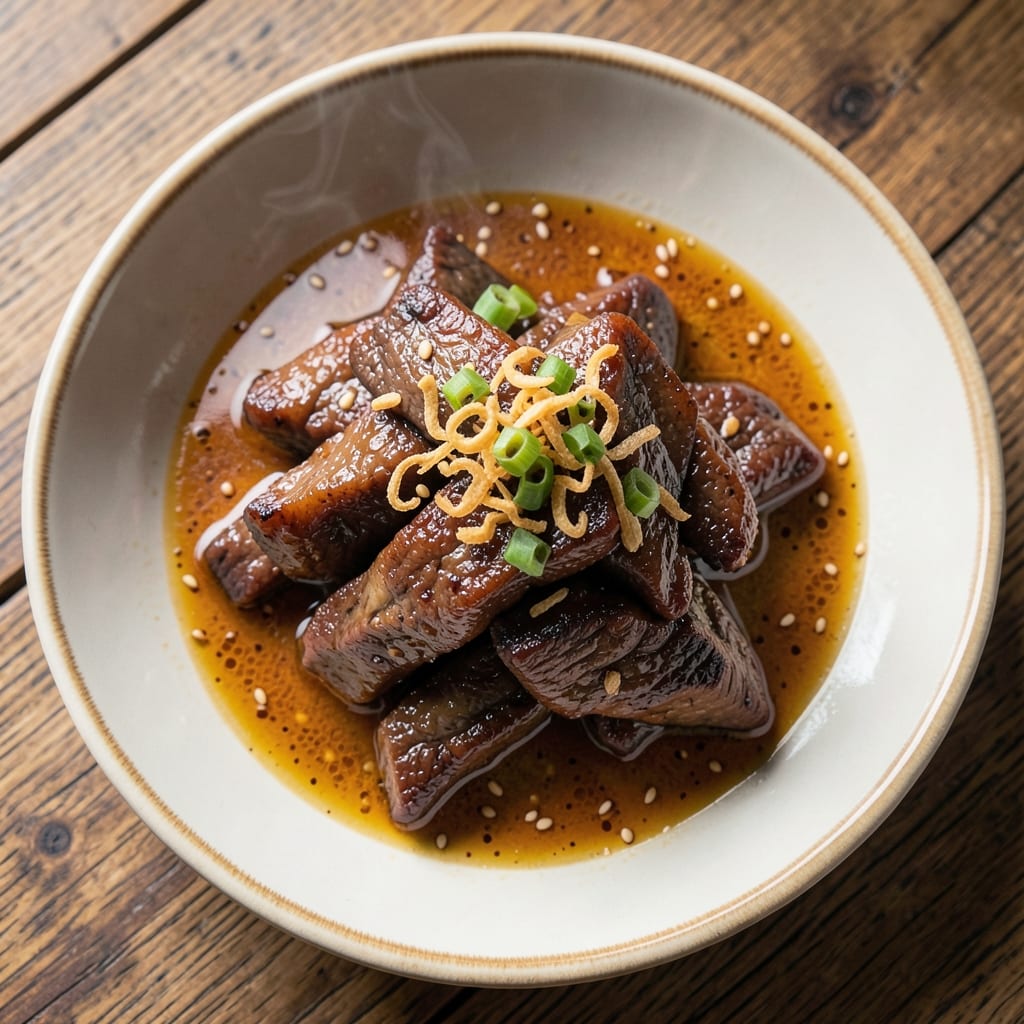
This authentic spicy Mongolian beef delivers the smoky, crispy bites and bold umami sauce you crave—just like your favorite Chinese takeout, but better. The secret lies in high-heat wok searing and a layered sauce that balances heat, sweetness, and depth. I've perfected this technique after years of testing, ensuring every bite has that signature char and tender texture.
The recipe starts with a simple marinade of soy sauce, cornstarch, and a touch of sugar to tenderize the beef while locking in juices. Then, we pan-fry the beef in small batches to achieve that coveted crispy exterior without drying it out. The sauce—made with hoisin, chili oil, and a splash of vinegar—builds complexity as it reduces, creating an umami bomb that clings to every bite.
What you'll end up with is perfectly seared beef strips with crispy edges and tender centers, smothered in a glossy, spicy-sweet sauce. The aroma alone will have everyone gathering around the table, and the first bite delivers that perfect balance of heat, sweetness, and smoky depth. This is the kind of dish that feels like a restaurant-quality meal, made in your own kitchen.
The best part? This recipe scales effortlessly—whether you're feeding a crowd or meal prepping for the week. The sauce can be made ahead, and the beef reheats beautifully, making it a go-to for busy weeknights or special gatherings. Let's get cooking!
Ingredients for authentic spicy mongolian beef
Flank steak, soy sauce, and cornstarch kick off this smoky, crispy Mongolian beef feast.
| Ingredient | Amount | Notes |
|---|---|---|
| Flank Steak 🥩 | 1 ½ lb | Thinly sliced against grain |
| Soy Sauce 🍶 | ½ cup | High-quality, preferably Japanese |
| Cornstarch 🌾 | ¼ cup | For crispy coating |
| Granulated Sugar 🍚 | 1 tbsp | For marinade balance |
| Vegetable Oil 🫒 | ½ cup | High smoke point for frying |
| Hoisin Sauce 🍶 | ¼ cup | For umami depth |
| Chili Oil 🌶️ | 2 tbsp | For heat and smokiness |
| Rice Vinegar 🍶 | 1 tbsp | For tangy balance |
| Garlic Cloves 🧄 | 4 cloves | Minced for sauce |
| Ginger Root 🌿 | 1 tbsp | Freshly grated |
| Sesame Oil 🫒 | 1 tsp | For aroma finish |
| Green Onions 🧅 | ¼ cup | Sliced for garnish |
| Salt 🧂 | 1 tsp | Kosher or sea salt |
| Black Pepper 🌶️ | ½ tsp | Freshly ground |
The flank steak is non-negotiable here—it's lean but tender when sliced thin. Look for well-marbled cuts at Whole Foods or your local butcher shop, and slice it against the grain for maximum tenderness. I always buy it pre-sliced from Costco when I'm feeding a crowd, but slicing it yourself gives you that restaurant-quality texture. The soy sauce should be Japanese-style (like Kikkoman)—it's sweeter and deeper than regular soy sauce, which is key for balancing the heat. If you can't find it, La Choy works in a pinch, but you'll notice the difference.
No hoisin sauce? Mix 2 tbsp soy sauce, 1 tbsp molasses, and 1 tbsp honey for a quick substitute. Chili oil giving you trouble? Substitute 1 tbsp sriracha plus 1 tbsp vegetable oil, but know it won't have the same smoky depth. The cornstarch is crucial for that crispy texture—don't skip it or use flour. For the sauce, fresh ginger and garlic are ideal, but if you're in a rush, jarred minced ginger and garlic powder will work (just double the amount). The green onions are purely for garnish, so feel free to skip them if you're not a fan—this dish is all about the beef and sauce anyway.
Marinate the beef for at least 30 minutes (overnight is even better), and keep it cold in the fridge. The sauce can be made ahead and reheated gently—it actually tastes better the next day as the flavors meld. Store leftovers in an airtight container for up to 4 days, and it reheats beautifully in a skillet or microwave. For meal prep, portion the sauce and beef separately to keep things crispy. This reheats wonderfully, making it perfect for busy weeknights or lunchboxes—just add a quick sear in a hot pan before serving.
Why You'll Love This Recipe
- One-Pan Magic: I swear by this recipe because it’s literally one pan, one spatula, and zero dishes left to scrub. The cornstarch slurry thickens the sauce while you sear the beef—no whisking madly or waiting for separate sauces to set.
- Sugar-Spice Kick: Between us, the sugar in the sauce isn’t just for sweetness—it caramelizes into a glossy, slightly sticky glaze that balances the soy’s saltiness. That crisp-tender beef? It’s the kind of bite you’ll crave after the first forkful, especially when the edges catch just right.
- Leftover Hero: This dish begs to be made in bulk. The flavors only deepen overnight, and I’ve reheated it for breakfast burritos, cold noodle bowls, or even a quick stir-fry the next day. Honestly, I make it on Sundays just to have leftovers.
- Budget Stretch: Flank steak is affordable, and a pound feeds four easily. The soy sauce and sugar cost pennies, and the oil? You already have it. It’s the kind of meal that makes grocery night feel like a win, especially when you’re feeding a crowd without breaking the bank.
Step-by-step instructions for authentic spicy Mongolian beef
Here's how to achieve that signature wok-hei crispiness with a sauce bursting with umami and heat.
Prep the Flank Steak for Maximum Crispiness
First, slice the 1.5 lb flank steak thinly against the grain using a sharp knife. I like to cut it into ¼-inch thick strips—this ensures tender bites that cook quickly and evenly. Place the sliced steak in a bowl and add the 0.5 cup soy sauce, 1 tbsp granulated sugar, 1 tsp salt, and 0.5 tsp black pepper. Mix gently to coat, then let it marinate for at least 30 minutes (up to 2 hours if you have time). This step is crucial—it tenderizes the meat and builds flavor.
While the steak marinates, make your crispy coating. In a separate bowl, whisk together the 0.25 cup cornstarch with 2 tbsp chili oil and 1 tbsp rice vinegar. This blend will create that signature crispy exterior while adding heat and tang. The cornstarch is key—it forms a light, crunchy crust when fried.
Fry the Steak to Golden Perfection
Heat 0.5 cup vegetable oil in a wok or large skillet over medium-high heat until it shimmers but doesn't smoke. Working in batches (don't overcrowd the pan), add the marinated steak strips and fry for 1-2 minutes per side until they're golden brown and crispy. The oil should sizzle steadily—if it's smoking too much, reduce the heat slightly. Remove the fried steak and drain on a paper towel-lined plate. Here's the thing—frying in batches ensures each piece gets properly crisped without steaming.
While the steak rests, toss it lightly with the cornstarch mixture you prepared earlier. This step locks in the crispiness while adding that signature spicy kick. The steak should look glossy and slightly sticky—this means it's ready for the sauce.
Build the Umami Bomb Sauce
In the same wok (no need to clean it—the browned bits add flavor), reduce the heat to medium and add 0.25 cup hoisin sauce, 4 cloves minced garlic, and 1 tbsp freshly grated ginger root. Stir-fry for 1-2 minutes until fragrant and the garlic turns golden. This is where the magic happens—the hoisin adds deep umami, while the garlic and ginger build complexity. If the sauce starts to stick, add a splash of water to deglaze.
Pour in 1 tbsp rice vinegar and 1 tsp sesame oil, then return the crispy steak to the wok. Toss everything together for 1-2 minutes until the steak is fully coated in the sauce. The heat from the wok will meld all the flavors—you'll smell that perfect balance of sweet, spicy, and savory. If the sauce seems too thick, add a little water to loosen it.
Finish with Fresh Aromatics
Remove the wok from heat and stir in the 0.25 cup sliced green onions. Let the dish rest for 2-3 minutes—this allows the flavors to settle and the sauce to thicken slightly. The green onions add a bright, fresh finish that cuts through the richness of the sauce. Taste and adjust seasoning if needed; you might want to add a touch more soy sauce for saltiness or a splash of rice vinegar for tang.
Serve immediately over steamed rice or noodles. The contrast of the crispy, spicy beef against the soft rice is what makes this dish so addictive. Garnish with extra green onions if you like, and don't forget the chili oil on the side for those who want extra heat. This is the moment you've been waiting for—crispy, tender, and packed with flavor in every bite.
Pro Tips For Making Authentic Spicy Mongolian Beef
- Slice Against the Grain: Flank steak’s tough fibers need a knife, not a fork—cut it perpendicular to the grain in ¼-inch strips before marinating. I used to ignore this and ended up with chewy bites that ruined the whole dish. Trust me, the effort pays off in every forkful.
- Marinate the Meat First: Toss the sliced steak in half the soy sauce, sugar, and a splash of water at least 30 minutes before cooking. The acid and sugar break down the meat while the cornstarch gets to work making that signature glossy crust. Skipping this step means your beef will fight you for tenderness.
- High Heat, Then Lower: Sear the beef in a screaming-hot wok or skillet for 30 seconds—until it’s browned and slightly caramelized. Then, immediately turn the heat to medium and stir-fry. I learned this the hard way when I kept burning the sauce before the meat cooked through. Patience here keeps the dish balanced.
- Use Two Batches of Cornstarch: Toss the beef in 1 tablespoon of cornstarch before searing, then add another 1 tablespoon to the sauce. The first coating creates a better crust, while the second thickens the sauce without making it gluey. I was skeptical until I tried it—now it’s non-negotiable.
Make-ahead tips for leftovers
Sauce Prep Ahead
The sauce is the heart of this dish, and making it ahead saves time on busy nights. Combine all sauce ingredients—hoisin sauce, chili oil, rice vinegar, garlic, and ginger—in a bowl and refrigerate for up to 3 days. The flavors deepen as they meld, creating that restaurant-quality umami bomb. Reheat gently in a saucepan over low heat with 1 tbsp water to prevent sticking. Stir occasionally until warmed through—this keeps the sauce glossy and vibrant. 💫
Beef Marination
Marinate the beef for at least 30 minutes (overnight is ideal) to maximize tenderness and flavor absorption. Store the marinated beef in an airtight container in the fridge. If prepping ahead, slice the steak and mix with the marinade, then refrigerate for up to 24 hours. The longer it marinates, the more flavorful and tender the beef becomes. Just
Batch Cooking
For meal prep, cook the beef in batches and store components separately. Fry the beef as directed, then portion it into airtight containers with a layer of parchment paper between each batch to prevent sticking. Keep the sauce in a separate container. Reheat the beef in a skillet over medium-high heat for 2-3 minutes until crispy again, then toss with the reheated sauce. This method keeps the texture perfect for up to 4 days in the fridge. ✨
Freezer-Friendly
Freeze the cooked beef and sauce separately for up to 3 months. Use freezer-safe bags or airtight containers, leaving 1 inch of headspace for expansion. Thaw overnight in the fridge before reheating. To revive the crispiness, sear the beef in a hot skillet for 1-2 minutes per side before adding the sauce. The sauce can also be frozen—just reheat it with 1 tbsp water to restore its glossy texture. ❄️
Reheating Tips
For best results, reheat the beef and sauce together in a wok or skillet over medium-high heat for 3-4 minutes, stirring constantly to prevent sticking. If using the microwave, cover with a damp paper towel and heat in 30-second intervals, stirring between each. Add a splash of water if the sauce seems dry. The key is to maintain that crispy texture and glossy sauce—don’t overheat! 🔥
Portioning for Meals
Divide the beef and sauce into single-serving containers for grab-and-go meals. Store the sauce separately and add it fresh before eating to keep the dish vibrant. For lunchboxes, pack the beef in a bento box with steamed rice and a small container of sauce on the side. This keeps everything fresh and ready to eat without sacrificing texture. Perfect for busy mornings or office lunches! 📅
Nutrition facts
Frequently asked questions
Can I use a different cut of beef instead of flank steak?
Flank steak is ideal for its lean texture, but you can substitute with sirloin or ribeye if preferred. For best results, trim excess fat and slice thinly against the grain. Avoid tougher cuts like chuck—they won't tenderize properly without longer marinating (4+ hours). The key is thin slicing to ensure quick cooking and tenderness.
How do I adjust the spice level for kids or sensitive eaters?
Simply reduce the chili oil to 1 tbsp (half the recipe) or omit it entirely. Replace it with 1 tbsp extra hoisin sauce for sweetness and umami. For a milder kick, add ½ tsp sugar to balance any remaining heat. Always taste the sauce before tossing with the beef!
Why did my beef turn out chewy instead of tender?
This usually happens when the beef isn't sliced thinly enough or cooked at too low a temperature. Always cut strips ¼-inch thick against the grain, and use medium-high heat for frying. Overcrowding the pan also steams the beef instead of searing it—work in batches for crispy results.
Can I make this recipe in an oven instead of a wok?
Yes! Preheat your oven to 425°F and line a baking sheet with parchment paper. Toss the marinated beef with 1 tbsp oil and 1 tbsp cornstarch, then spread in a single layer. Roast for 8-10 minutes until golden. For the sauce, simmer it in a saucepan for 5 minutes until thickened, then toss with the beef. The texture will be slightly different but still delicious!
What’s the best way to serve leftover Mongolian beef?
Reheat in a skillet over medium-high heat for 2-3 minutes to restore crispiness. Serve over steamed rice, egg noodles, or even in lettuce wraps for a lighter option. For extra flavor, drizzle with a little sesame oil and sprinkle with crushed peanuts or sesame seeds.