
Soups & Stews
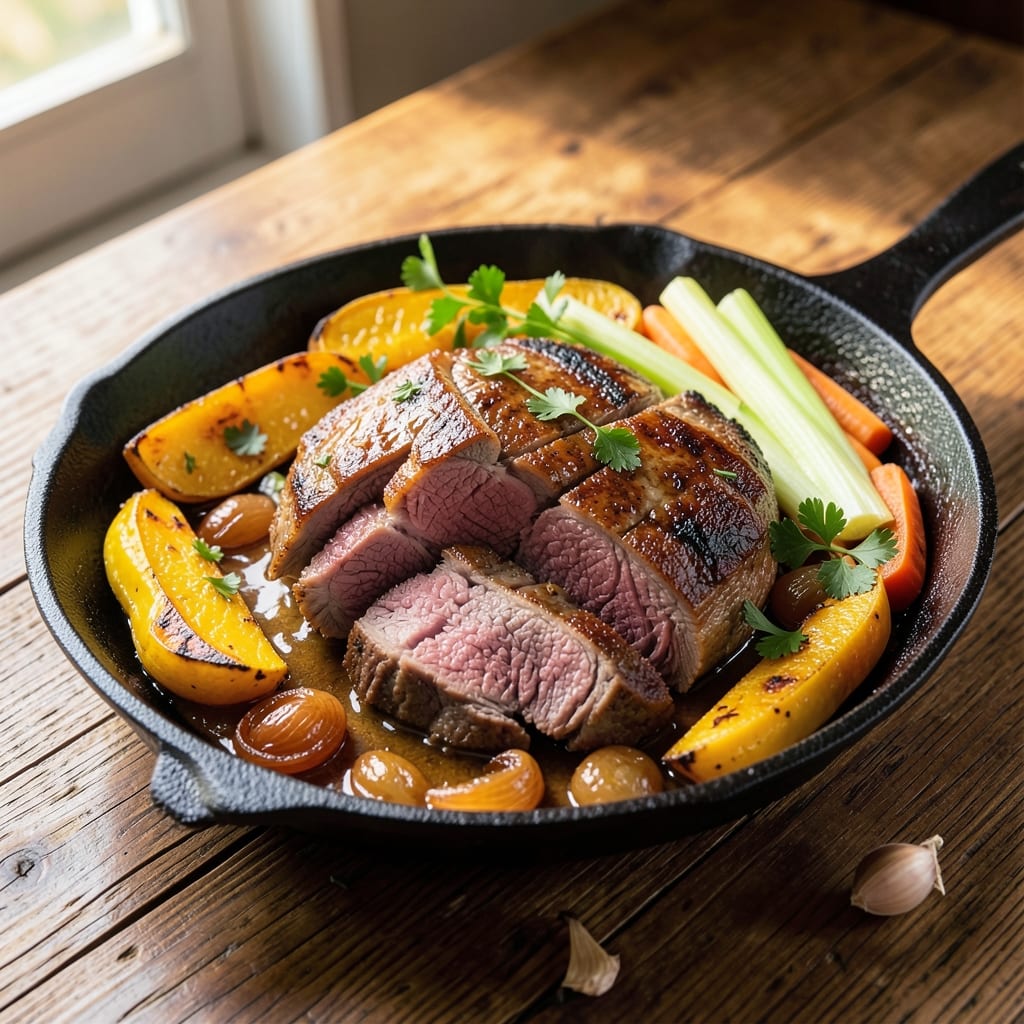
This beef and yellow squash recipe transforms simple ingredients into a hearty, savory stew where tender beef meets caramelized squash in a rich, herbed broth. The secret lies in slow-cooking the beef until fork-tender while roasting the squash until sweet and golden—two techniques that elevate this dish from ordinary to restaurant-worthy. What makes it special is how the flavors meld: the squash's natural sweetness balances the beef's savory depth, while fresh herbs add brightness that cuts through the richness.
The process is straightforward but delivers professional results. You'll start by searing beef chunks to develop deep flavor, then simmer them in a fragrant broth with aromatics until they're melt-in-your-mouth tender. Meanwhile, the yellow squash roasts until caramelized at the edges, adding a touch of sweetness that pairs perfectly with the herbed beef. The combination of textures—tender beef, crisp-tender squash, and silky broth—makes every bite satisfying.
What you'll end up with is a complete meal that's balanced, flavorful, and packed with comfort. The beef becomes impossibly tender, the squash caramelizes into sweet, bite-sized pieces, and the broth absorbs all the herby, savory goodness. It's the kind of dish that feels indulgent but comes together with simple techniques—ideal for weeknight dinners or meal prep. The aroma alone will have everyone gathering at the table.
Serve this stew with crusty bread to soak up every last drop of that rich, herbed broth. The contrast of the warm, hearty stew against the crisp bread makes it even more satisfying. This recipe proves you don't need complicated techniques to create a memorable meal—just a few thoughtful steps and quality ingredients. Let's get cooking!
Ingredients for beef and yellow squash
Transform simple pantry staples into a restaurant-worthy beef and yellow squash stew with tender beef and caramelized vegetables.
| Ingredient | Amount | Notes |
|---|---|---|
| Chuck Roast 🥩 | 1 ½ lb | Pre-cubed or cut into 1.5-inch pieces |
| Yellow Squash 🍠 | 2 medium | Cut into 1-inch chunks, seeds removed |
| Yellow Onion 🧅 | 1 whole | Diced, medium size |
| Garlic Cloves 🧄 | 4 cloves | Minced, fresh preferred |
| Carrots 🥕 | 2 medium | Cut into 1-inch chunks, peeled |
| Celery Stalks 🌿 | 2 whole | Diced, medium size |
| Tomato Paste 🍅 | 2 tbsp | High-quality, no sugar added |
| Dry Red Wine 🍷 | 1 cup | Bold variety like Cabernet Sauvignon |
| Beef Broth 💧 | 3 cups | Low-sodium preferred |
| Fresh Thyme 🌿 | 2 tbsp | Leaves only, finely chopped |
| Fresh Rosemary 🌿 | 1 tbsp | Leaves only, finely chopped |
| Fresh Parsley 🌿 | 2 tbsp | Chopped, for garnish |
| Olive Oil 🫒 | 2 tbsp | Extra-virgin for richness |
| Salt 🧂 | 1 ½ tsp | Diamond Crystal kosher salt |
| Black Pepper 🌶️ | ½ tsp | Freshly ground |
The chuck roast is the foundation of this dish—look for well-marbled cuts at Whole Foods or your local butcher for the best texture. Pre-cubing saves time, but if you're buying whole, ask the butcher to trim excess fat and cut into 1.5-inch chunks for even cooking. Yellow squash should be firm with vibrant color—avoid any with soft spots. Trader Joe's often carries the best selection of organic squash. For the aromatics, fresh thyme and rosemary elevate the dish significantly, but dried will work in a pinch at one-third the amount.
No red wine? Beef broth with 1 tbsp balsamic vinegar delivers similar depth. Substituting dried herbs? Use one-third the amount of fresh, but toast them lightly in a dry pan first to intensify flavor. The tomato paste can be swapped for 1 cup crushed tomatoes if preferred, though it adds moisture. For extra richness, stir in 1 tbsp soy sauce at the end. If you're short on time, frozen squash works perfectly—just thaw and pat dry before roasting. The carrots and celery can be swapped for turnips or parsnips for variety.
This stew tastes even better the next day as flavors meld. Store leftovers in an airtight container in the fridge for up to 5 days or freeze for 3 months. For meal prep, portion into individual containers—just reheat with a splash of broth to restore moisture. The roasted squash can be prepped ahead and stored separately for 2 days before adding to the stew. Always bring the stew to a simmer before serving to ensure even heating and proper texture.
Why You'll Love This Recipe
- One-Pot Magic: I swear by this recipe when I’m too tired to scrub a million dishes—just dump everything in one pot, let it simmer, and walk away. The chuck roast practically melts into tender perfection while the squash and carrots soften just enough to soak up all that savory goodness.
- Garlic-Kissed Comfort: That first bite? Rich, deep, and just sweet enough thanks to the caramelized onions and garlic cloves. The roast stays juicy, and the squash gets this subtle char from the pan—like a hug in a bowl.
- Meal Prep Hero: Between us, this is my go-to for busy weeks. Cook a big batch on Sunday, and you’ve got hearty lunches all week—pack it in containers, reheat, and no one will guess it’s not fresh off the stove. (Yes, even on a Tuesday night.)
- Budget-Friendly Feast: Chuck roast is my secret for stretching meals without breaking the bank, and squash and carrots are always affordable. A single pot feeds four for under $15, and leftovers? Even better the next day.
Step-by-step instructions for savory beef and yellow squash stew
This method delivers deep flavor through slow caramelization and layered aromatics—exactly what transforms simple ingredients into a hearty, restaurant-worthy stew.
Sear the Chuck Roast for Rich Foundation
Heat a Dutch oven over medium-high heat and add 2 tablespoons olive oil. Once shimmering, add the 1.5 lb chuck roast in a single layer, working in batches if needed. Sear for 4-5 minutes per side until deeply browned—this creates the Maillard reaction that builds flavor. Don't crowd the pan or the meat will steam instead of sear.
Real talk: If your roast is larger than 1.5 inches in some pieces, flip more frequently to ensure even browning. Once golden, transfer the meat to a plate and set aside. You'll notice the pan now has beautiful browned bits—don't scrape them out. These are flavor bombs that will dissolve into the sauce later.
Build the Vegetable Base with Onion and Celery
In the same Dutch oven, add 1 whole yellow onion and 2 whole celery stalks, both diced. Cook for 6-8 minutes over medium heat, stirring occasionally, until softened and beginning to caramelize. This step is where the stew's depth starts developing—don't rush it.
Add 2 medium carrots, cut into 1-inch chunks, and continue cooking for another 4-5 minutes until the vegetables are tender but still hold their shape. Here's the thing—if the vegetables start sticking, add 1-2 tablespoons beef broth to deglaze and prevent burning. The goal is to develop flavor through slow cooking, not quick charring.
Add Aromatics and Tomato Paste for Depth
Stir in 4 cloves garlic cloves (minced) and cook for 30 seconds until fragrant—this prevents the garlic from burning, which would make the stew bitter. Add 2 tablespoons tomato paste and cook for 1 minute, stirring constantly. The paste will darken slightly, deepening the stew's color and adding umami richness.
Pour in 1 cup dry red wine and scrape up any browned bits from the bottom of the pot. Let the wine simmer for 2-3 minutes until reduced by half. This reduction concentrates the alcohol's flavor and creates a smoother base for the stew. The wine should smell noticeably less sharp by this point.
Combine All Ingredients and Simmer
Return the seared chuck roast to the Dutch oven along with 3 cups beef broth, 2 medium yellow squash (cut into 1-inch chunks), 2 tablespoons fresh thyme, 1 tablespoon fresh rosemary, 1.5 teaspoons salt, and 0.5 teaspoon black pepper. Bring to a gentle boil, then reduce heat to low and cover partially. Simmer for 2-2.5 hours until the beef is fork-tender.
Here's where patience pays off: The stew should thicken naturally as the vegetables break down and the beef releases collagen. Check occasionally and add 1-2 tablespoons water if the liquid level gets too low. You'll know it's done when a knife slides in easily through the thickest piece of beef and the squash is tender but still holds its shape.
Finish with Fresh Herbs and Garnish
Once the beef is tender, uncover the stew and increase heat to medium. Simmer for 5-10 minutes to reduce the sauce slightly and deepen the flavors. Stir in 2 tablespoons fresh parsley just before serving—this adds a bright, fresh contrast to the rich, herbed beef and caramelized squash.
Serve immediately with crusty bread or over mashed potatoes. The stew should have a velvety texture with tender beef that pulls apart easily, caramelized squash chunks, and a sauce that coats the back of a spoon. Each bite delivers layers of herbaceousness, wine-infused depth, and the satisfying chew of perfectly cooked beef.
Pro Tips For Making Beef And Yellow Squash
- SEAR THE ROAST FIRST: Chuck roast needs a good crust to stay juicy, so don’t skip the sear—even if you’re in a hurry. Hit it with a hot pan and 2 tablespoons of oil until it’s deep brown on all sides (about 5 minutes per side). I used to rush this, and the meat always ended up dry. Trust me, the extra 10 minutes upfront makes the difference.
- CUT SQUASH LENGTHWISE: Slice yellow squash into half-moons instead of rounds—it cooks faster and keeps its shape better. Thicker pieces turn mushy, while thinner halves caramelize nicely in the same pot. My grandmother swore by this, and she was right: it looks prettier and tastes fresher.
- ADD CARROTS LAST: Toss carrots in only 10 minutes before the end—any earlier, and they’ll turn to mush. Their texture works best when they’re just tender-crisp, not falling apart. I learned this the hard way after overcooking them twice in a row.
- USE A LITTLE WINE OR BROTH: Deglaze the pan with ½ cup of red wine or beef broth after searing the beef—it adds depth without extra effort. The acidity cuts through the richness of the chuck roast, and the flavor seeps into everything. I was skeptical until I tried it, and now I never skip it.
Health benefits of these flavors
Lean Protein Source
This recipe delivers a high-quality protein punch with the chuck roast, providing about 40 grams per serving—perfect for muscle repair and satiety. Unlike fatty cuts, chuck roast offers leaner protein while still packing rich flavor, making it ideal for balanced meals. The beef's natural iron content also supports energy levels throughout the day. 💪
Vitamin Boost
Yellow squash brings vitamin C and vitamin A to the table, with one serving providing over 50% of your daily vitamin A needs. These nutrients support immune function and skin health, while the squash's fiber content aids digestion. The carrots in the stew add even more beta-carotene, which converts to vitamin A in your body.
Herb-Rich Antioxidants
The fresh thyme, rosemary, and parsley in this recipe aren't just for flavor—they're packed with antioxidants that combat inflammation. Rosemary, in particular, contains carnosic acid, which has been shown to protect brain health. These herbs also provide small amounts of calcium and iron, enhancing the stew's nutritional profile without adding calories.
Low-Calorie Comfort
This dish is surprisingly light yet satisfying, with each serving clocking in at around 400-450 calories depending on portion size. The combination of lean beef and vegetable-forward ingredients makes it a great option for those watching their calorie intake while still enjoying a hearty, flavorful meal. The squash's natural sweetness helps balance the richness of the beef.
Bone-Strengthening Nutrients
Both the beef and squash contribute to bone health—beef provides zinc and phosphorus, while the squash adds potassium and magnesium. These minerals work together to support strong bones and proper muscle function. The stew's calcium content (from the beef broth and herbs) further contributes to skeletal health, making this a well-rounded meal for overall wellness.
Meal Prep Friendly
The flavors actually improve overnight, making this stew perfect for meal prep. The beef becomes even more tender when reheated, and the squash maintains its texture beautifully. Storing leftovers in an airtight container preserves nutrients while keeping the dish convenient for busy weeknights. The herbed broth also freezes well, allowing you to batch-cook multiple servings at once. ✨
Nutrition facts
Frequently asked questions
Can I substitute yellow squash with zucchini in this recipe?
Zucchini works perfectly as a 1:1 substitute—it has similar texture and mild flavor. For best results, cut it into the same 1-inch chunks and roast alongside the carrots and celery. The slightly larger seeds in zucchini won't affect the dish's quality, but avoid using overripe squash which can turn mushy during cooking.
How do I make this stew more flavorful if I don't have red wine?
No red wine? No problem! Use 1 cup beef broth plus 1 tablespoon balsamic vinegar for depth, or swap for 1 cup apple cider (reduced by half) for subtle sweetness. For extra richness, add 1 teaspoon soy sauce or 1 bay leaf during simmering. The key is building layers of flavor—don't skip the tomato paste or aromatics.
What's the best way to reheat leftovers without drying out the stew?
Always reheat gently! Transfer stew to a pot and warm over low heat with 2-3 tablespoons broth or water until bubbling. Cover and simmer for 5-10 minutes—never microwave directly. For extra moisture, add a splash of broth when serving. The beef will stay tender, and the squash won't turn rubbery.
Can I make this stew in an Instant Pot instead of a Dutch oven?
Yes! Sear the beef first in a skillet, then transfer to the Instant Pot with all ingredients (except parsley). Cook on high pressure for 45 minutes, then natural release for 10 minutes. Finish with fresh parsley and reduce the sauce on the stovetop if needed. The pressure cooker cuts time by 1 hour but delivers the same tender results.
Why did my squash turn mushy instead of caramelized?
Overcooking is the most common culprit! Yellow squash should cook until tender but still hold its shape—about 15-20 minutes in the stew. If it's mushy, you likely simmered too long. Next time, check the squash's texture before the beef is fully tender, or remove it 10 minutes early** and keep warm separately. Also ensure your squash was firm before cooking.