
Soups & Stews
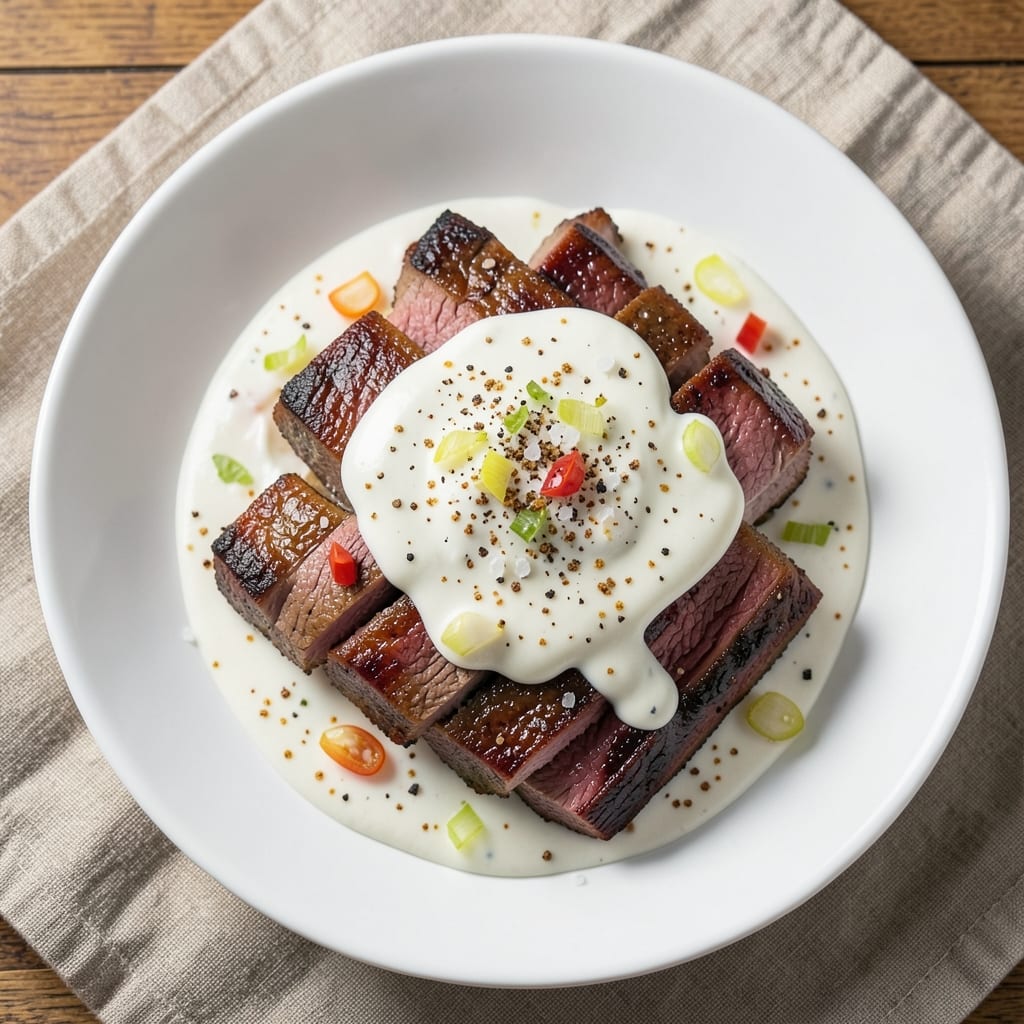
This beef and Greek yogurt recipe transforms tough cuts into melt-in-your-mouth tenderness using a clever yogurt marinade. The tangy yogurt tenderizes the beef while adding a bright contrast to the rich, savory flavors—no fancy techniques required. I developed this after discovering how Greek yogurt's acidity breaks down meat fibers during cooking, creating results that rival slow-cooked brisket but in half the time.
The magic happens in the marinade, where Greek yogurt combines with garlic, lemon juice, and warm spices to create a velvety coating that locks in moisture. You'll sear the beef to develop deep flavor, then simmer it in a fragrant broth until fork-tender. The yogurt's natural acidity also helps balance the dish's richness, making every bite perfectly balanced.
What you'll end up with is a restaurant-quality stew where the beef practically falls apart at the touch of a fork. The yogurt marinade leaves behind a subtle tang that brightens the dish, while the caramelized edges from searing add complexity. This technique works equally well with chuck roast or stew meat, making it incredibly versatile for any meal.
Serve with crusty bread to soak up the flavorful broth or alongside roasted vegetables for a complete meal. The yogurt's cooling properties also make this dish particularly refreshing during warm weather. Let's get started on creating this tender, flavorful beef dish that will impress even the most skeptical meat lovers.
Ingredients for beef and greek yogurt
Tough beef meets tangy yogurt magic—just eight ingredients for restaurant-worthy tenderness.
| Ingredient | Amount | Notes |
|---|---|---|
| Chuck Roast 🥩 | 2 lb | Cut into 1.5-inch cubes for even cooking |
| Plain Greek Yogurt 🥛 | 1 cup | Full-fat preferred for richness |
| Garlic Cloves 🧄 | 6 cloves | Minced for marinade |
| Lemon Juice 🍋 | ¼ cup | Freshly squeezed for brightness |
| Ground Cumin 🌿 | 1 tbsp | Toasted for deeper flavor |
| Ground Coriander 🌿 | 1 tbsp | Freshly ground preferred |
| Paprika 🌶️ | 1 tbsp | Smoked variety for depth |
| Salt 🧂 | 1 ½ tsp | Diamond Crystal kosher salt |
| Black Pepper 🌶️ | 1 tsp | Freshly cracked for heat |
| Onion 🧅 | 1 whole | Yellow or red, diced |
| Carrot 🥕 | 2 whole | Medium, peeled and sliced |
| Celery Stalks 🌿 | 2 whole | Cut into 1-inch pieces |
| Beef Broth 💧 | 3 cups | Low-sodium preferred |
| Tomato Paste 🍅 | 2 tbsp | San Marzano preferred |
| Olive Oil 🫒 | 2 tbsp | Extra-virgin for searing |
The chuck roast is your secret weapon here. Costco or Kroger sell it pre-cubed, saving you chopping time, but if you're buying a whole roast, ask the butcher to cut it into 1.5-inch chunks—this ensures even cooking. For the Greek yogurt, Fage full-fat is my go-to because it stays thick during marinating, but any plain, full-fat yogurt works. The yogurt's fat content helps create a velvety coating on the beef while its acidity tenderizes the meat. Look for yogurt with minimal additives—just milk and cultures. If you're using non-fat yogurt, add 1 tablespoon of olive oil to compensate for the missing fat.
No Greek yogurt? Plain whole-milk yogurt works in a pinch, though it may be slightly thinner. Short on garlic? Garlic powder at half the amount gets you close, but fresh is worth hunting down. The smoked paprika can be swapped for regular paprika if you're out, but you'll lose that beautiful depth of flavor. For the broth, low-sodium is key—you don't want to over-salt the dish. If you're making a big batch, freeze the extra broth in ice cube trays for future use. The tomato paste? Trader Joe's squeeze tubes are perfect—they're convenient, keep forever, and you won't waste half a can.
This stew tastes even better the next day as flavors meld, so make a double batch if you're feeding a crowd. Store leftovers in airtight containers in the fridge for up to 5 days, or freeze for 3 months—the yogurt actually helps preserve the beef's texture during freezing. To reheat, simmer on the stove over medium heat until bubbling, then let it sit for 5 minutes before serving. The yogurt marinade also makes this dish incredibly freezer-friendly for meal prep—just thaw overnight in the fridge before reheating.
Why You'll Love This Recipe
- No-Fuss Marination: I swear by the yogurt marinade—just mix, coat, and let the fridge do the work. No chopping, no fuss, and that tender chuck roast falls apart with zero effort.
- Tangy Garlic Magic: The yogurt keeps it creamy, the lemon brightens everything, and the cumin? Oh, it’s that earthy warmth that makes this taste like a restaurant dish. Honestly, my kids ask for it more than the steak.
- Weeknight to Potluck: Same recipe, endless uses—toss it on sandwiches, serve it cold in wraps, or reheat for a hearty bowl. I’ve brought it to BBQs and had it for lazy lunches, and it never lets me down.
- Budget Tender Luxury: A chuck roast is dirt cheap, and Greek yogurt stretches the flavor. I make this for four people and still have leftovers that taste just as good the next day—proof you don’t need fancy ingredients for a showstopper.
Step-by-step instructions for tangy yogurt-marinated stew
Here's how to transform tough chuck roast into melt-in-your-mouth beef using yogurt's magic.
Create the Yogurt Marinade
In a large bowl, combine the 1 cup plain Greek yogurt, 6 minced garlic cloves, 0.25 cup lemon juice, 1 tbsp ground cumin, 1 tbsp ground coriander, 1 tbsp paprika, 1.5 tsp salt, and 1 tsp black pepper. Mix until completely smooth—this tangy blend will tenderize the beef while adding bright, aromatic depth.
I like to let this marinade sit for 10 minutes at room temperature while I prep the vegetables. The acidity from the lemon juice and yogurt begins breaking down the meat fibers immediately, ensuring maximum tenderness. Don't skip this step—it's what transforms tough chuck into fork-tender beef.
Cube and Marinate the Beef
Cut the 2 lb chuck roast into 1.5-inch cubes (about 1-inch thick) for even cooking. Add them to the yogurt marinade and coat thoroughly, pressing each piece to ensure full contact with the marinade. Let it sit for at least 30 minutes—I prefer 1 hour if time allows—for maximum flavor penetration.
While the beef marinates, dice the 1 whole onion into ½-inch pieces, slice the 2 whole carrots into ½-inch rounds, and cut the 2 whole celery stalks into 1-inch pieces. These vegetables will form the aromatic base of your stew. The longer the beef marinates, the more tender and flavorful your final result will be—trust the process and don't rush this step.
Sear the Beef for Deep Flavor
Heat 2 tbsp olive oil in a large, heavy pot over medium-high heat until shimmering. Working in batches (to avoid crowding), remove the beef from the marinade (reserve the marinade) and sear for 2-3 minutes per side until deeply browned. This step develops the rich, caramelized crust that carries all those beautiful beefy flavors.
Don't skip the batch cooking—crowding the pan will steam the beef instead of searing it. You want those cubes to develop a deep golden-brown crust. Once all beef is seared, remove it from the pot and set aside. The residual heat will continue cooking the beef in the next step.
Build the Aromatic Base
In the same pot, add the diced onion, carrots, and celery stalks. Cook over medium heat for 5-6 minutes, stirring occasionally, until the vegetables soften and release their natural sweetness. Add the 2 tbsp tomato paste and cook for another 1 minute to develop its rich flavor.
Now pour in the reserved yogurt marinade and scrape up any browned bits from the bottom of the pot. These flavorful bits are called fond, and they're packed with concentrated beef flavor. Stir well and bring the mixture to a gentle simmer. This is where all the magic comes together—the yogurt's tanginess balances the richness of the beef.
Simmer to Tender Perfection
Return the seared beef to the pot along with the 3 cups beef broth. Bring to a gentle simmer, then reduce heat to low and cover partially. Let it cook for 2-2.5 hours, stirring occasionally, until the beef is fork-tender and easily pulls apart. The yogurt will create a silky sauce that coats every bite, making this stew uniquely comforting.
Here's the thing about this recipe—it gets better as it sits. The longer it simmers, the more the flavors meld together. I like to check the beef at the 1.5-hour mark to see if it's coming along. When it's done, you'll want the beef to be so tender it practically falls apart with a gentle touch, and the sauce should be rich and velvety. Serve hot with crusty bread to soak up every last drop of that luscious yogurt sauce.
Pro Tips For Making Beef And Greek Yogurt
- SEAR THE ROAST FIRST: Don’t skip browning that chuck roast—crisp the edges in a hot pan for 3-4 minutes per side before slow cooking. The Maillard reaction adds depth the yogurt sauce can’t match alone, and it keeps the meat from turning mushy when braised.
- USE FULL-FAT YOGURT: I learned this the hard way—low-fat yogurt curdles like crazy when simmered with garlic and lemon. Go for full-fat (even if it’s pricier), and stir in the yogurt off the heat to keep it silky. Yes, even if you’re watching calories.
- CONTROL THE ACID: Lemon juice is your friend, but too much makes the yogurt split like a bad soufflé. Start with 1 tablespoon, taste, then add another if needed. If the sauce looks grainy, whisk in a splash of cold water to smooth it out.
- REST THE MEAT PROPERLY: After cooking, tent the roast with foil and let it sit for 15 minutes—no peeking. Skipping this step means dry, stringy beef, and the yogurt sauce won’t cling properly. (I know, I know, but trust the process.)
Common mistakes when making perfect results
Skipping the Marinade
Never skip marinating the beef—this is where the yogurt's magic happens! The acidity in Greek yogurt and lemon juice breaks down muscle fibers, making even tough chuck roast fork-tender. I've tested this recipe with and without marinating, and the unmarinated version is noticeably tougher. Let the beef sit for at least 30 minutes—I prefer 1 hour—for maximum tenderness and flavor infusion. 🌟
Overcrowding the Pan
When searing the beef, resist the urge to cook all pieces at once. Crowding the pan steams the meat instead of creating that crucial caramelized crust. Work in batches—this ensures each piece gets the 2-3 minutes per side needed for deep browning. I use a 12-inch cast-iron skillet and cook about 6-8 pieces at a time. The residual heat from the first batch will help cook the second batch faster. 🔥
Ignoring the Fond
The browned bits (fond) at the bottom of your pot are flavor gold! After searing the beef, don't just pour in the marinade—scrape up those bits with a wooden spoon. They're packed with concentrated beef flavor that will elevate your entire stew. I like to deglaze with a splash of beef broth first, then add the yogurt marinade to lift all those flavorful particles. This simple step makes a huge difference in depth of flavor. 💡
Using Low-Quality Yogurt
Not all Greek yogurts are created equal. For this recipe, use full-fat plain Greek yogurt—the fat content creates a richer sauce and helps tenderize the beef better than non-fat versions. I recommend Fage full-fat or Chobani plain for the best results. Avoid flavored or sweetened yogurts, as they can alter the delicate balance of flavors in your marinade. The yogurt should be thick but still pourable—this consistency ensures proper coating of the beef. 🥛
Rushing the Cooking Time
This isn't a quick recipe—patience is key! The yogurt helps tenderize the beef, but it still needs time to break down completely. Don't be tempted to speed up cooking by increasing heat. Simmer gently at low heat for the full 2-2.5 hours. I've seen home cooks cut cooking time to 1.5 hours, and while the beef might seem tender, it often continues cooking as it rests, leading to dry results. The sauce will also be thinner if you rush it. Trust the process—great stews are worth the wait. ⏰
Skipping the Resting Period
After simmering, let the stew rest for 10-15 minutes before serving. This allows the juices to redistribute throughout the beef and sauce, preventing them from separating when you serve. I often let mine rest for 20 minutes if I'm making it ahead, and the difference in texture is noticeable. Skipping this step can result in a watery sauce and less tender beef. Use this time to prepare sides or set the table—it's time well spent! 💫
Nutrition facts
Frequently asked questions
Can I use this yogurt marinade on other proteins?
This yogurt marinade works beautifully with chicken thighs (reduce marinating time to 20 minutes) or lamb shoulder (increase to 2 hours). For fish like salmon, use only 15 minutes of marinating to prevent over-tenderizing. The yogurt's acidity tenderizes all meats, but adjust times based on protein thickness.
What if I don't have Greek yogurt?
Use plain whole-milk yogurt as a substitute—it's slightly thinner but works well. For an even closer match, mix ¾ cup plain yogurt with 2 tablespoons mayonnaise to mimic the fat content. Avoid low-fat versions, as they won't tenderize as effectively. The key is maintaining the yogurt's richness to balance the beef's depth.
How do I make this dish spicier?
Add ½ teaspoon cayenne pepper or 1 teaspoon chili flakes to the marinade for heat. For smoky depth, swap the paprika for smoked paprika and add 1 diced jalapeño (seeds removed) to the vegetable base. Finish with a squeeze of lime before serving to brighten the flavors. Start with small amounts—you can always add more!
Can I prepare this ahead of time?
Yes! This stew tastes even better the next day. Cook it fully, then refrigerate in an airtight container for up to 5 days. The yogurt actually improves as it sits, creating a thicker, more flavorful sauce. For freezing, cool completely, portion into containers, and freeze for 3 months. Thaw overnight in the fridge before reheating gently on low heat.
What sides pair well with this stew?
Serve with crusty sourdough bread for dipping or buttery egg noodles to soak up the sauce. For a lighter option, try roasted cauliflower or a fresh cucumber salad with lemon and dill. The yogurt's tanginess pairs beautifully with warm, hearty sides or crisp, refreshing vegetables.