
Sauces & Condiments
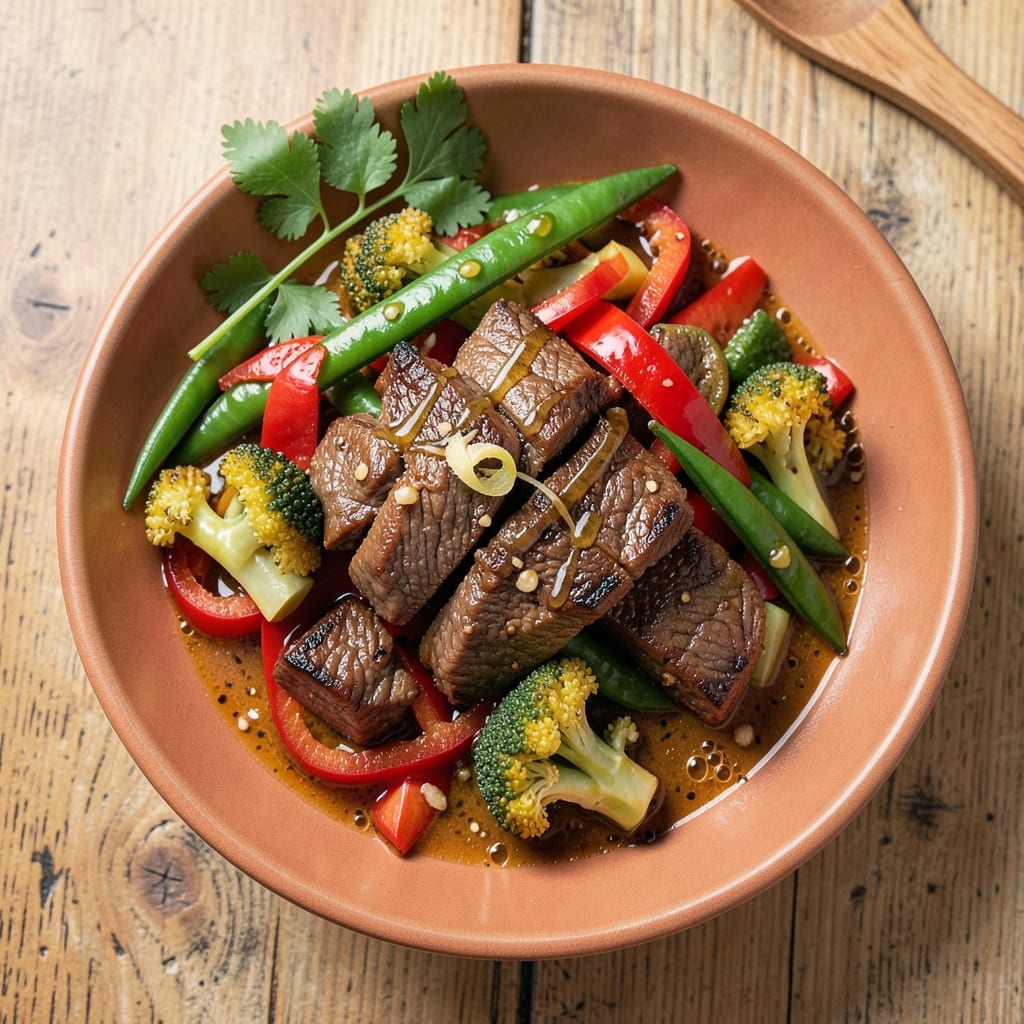
This beef and veggie stir fry sauce recipe delivers that perfect wok-hei flavor balance—bold umami, subtle sweetness, and aromatic depth in every spoonful. The secret lies in a carefully layered blend of soy sauce, garlic, ginger, and a touch of honey, creating a sauce that clings beautifully to beef and vegetables while enhancing their natural flavors. I developed this after years of testing stir-fry sauces, and it never fails to elevate even the simplest wok-cooked meal.
The sauce starts with a rich foundation of soy sauce and sesame oil, which provide that signature umami kick and nutty aroma. Fresh garlic and ginger are minced finely to release their essential oils, while a splash of rice vinegar brightens the flavor profile. A small amount of honey or brown sugar adds just enough sweetness to balance the saltiness, creating a complex sauce that works for both traditional and modern stir-fry styles. The best part? It comes together in just 10 minutes with simple pantry staples.
What makes this sauce truly special is its versatility—it works equally well with tender beef strips, crisp vegetables, or even tofu. The sauce thickens slightly as it cooks, creating a glossy finish that clings perfectly to every ingredient. Whether you're serving it over steamed rice, noodles, or as a dipping sauce, this recipe ensures every bite is packed with flavor. The sauce also stores beautifully in the refrigerator for up to 5 days or can be frozen for longer shelf life.
For an extra layer of depth, consider adding a splash of Shaoxing wine or a pinch of red pepper flakes to the sauce. This recipe is designed to be your go-to stir-fry companion, transforming simple ingredients into a restaurant-quality meal. Let’s get cooking!
Ingredients for beef and veggie stir fry sauce
Nine simple ingredients transform into a restaurant-quality stir-fry sauce with wok-hei depth.
| Ingredient | Amount | Notes |
|---|---|---|
| Soy Sauce 🥢 | ½ cup | Light or dark variety preferred |
| Sesame Oil 🫒 | 1 tbsp | Toasted for authentic aroma |
| Garlic Cloves 🧄 | 4 cloves | Minced finely for essential oils |
| Fresh Ginger 🌿 | 1 tbsp | Grated finely for zing |
| Rice Vinegar 🍶 | 1 tbsp | White or seasoned variety |
| Honey 🍯 | 1 tbsp | Or brown sugar for depth |
| Cornstarch 🌾 | 1 tsp | For thickening consistency |
| Water 💧 | 1 tbsp | To dissolve cornstarch |
| Sesame Seeds 🌰 | 1 tsp | Toasted for garnish (optional) |
| Red Pepper Flakes 🌶️ | ½ tsp | Adjust for heat preference |
The soy sauce is the backbone—light soy for brightness or dark soy for richer color. Kikkoman or Lee Kum Kee are reliable choices, but any good-quality brand works. Fresh garlic and ginger are non-negotiable here; pre-minced jars lack the punch of freshly grated. If you're using ginger root, peel it first. The sesame oil should be toasted, not the flavorless kind from the back of the pantry. For extra authenticity, toast the sesame seeds in a dry pan for 30 seconds before adding to the sauce.
No honey? Brown sugar or maple syrup work equally well—just dissolve it first. Running short on rice vinegar? Apple cider vinegar or mirin both add brightness. The cornstarch slurry is key for that glossy finish; mix it well to avoid lumps. For heat lovers, Sichuan peppercorns add a numbing tingle instead of red pepper flakes. Store-bought stir-fry sauces often contain MSG—this version lets you control the umami with soy sauce and sesame oil alone. If you want to go deeper, Shaoxing wine (1 tsp) adds complexity, but it's optional.
This sauce thickens as it sits, so stir before using. Keeps in the fridge for 5 days in an airtight container, or freeze for 3 months in ice cube trays for single-use portions. For restaurant-style service, reheat gently on low heat—never boil, or it'll separate. The sauce works best when slightly reduced, so if it's too thin, simmer uncovered for 2-3 minutes. Garnish with toasted sesame seeds just before serving for that final professional touch.
Why You'll Love This Recipe
- Pantry Magic: I swear by this sauce because it uses what’s already lurking in my cabinets—no fancy shopping required. That jar of soy sauce, a forgotten bottle of sesame oil, and a ginger root gathering dust? Suddenly, they’re the stars of the show.
- Umami Bomb: The moment garlic and ginger hit that hot pan with a splash of rice vinegar, my kitchen smells like a dim-sum dream. It’s that perfect balance—salty, tangy, with a whisper of heat—that makes every bite feel like a little victory.
- Weeknight Flex: This sauce works for takeout nights, lazy Sundays, or when my kids demand "something different" at 6 p.m. Dump it on stir-fried beef and broccoli, toss it with noodles, or even drizzle it over rice—it’s the chameleon of sauces that never lets me down.
- Budget Win: I make this sauce in bulk because it’s dirt cheap and lasts forever. A few dollars for fresh ginger? Worth it. A bottle of sesame oil that doubles as a marinade and finishing touch? Even better. My wallet and taste buds both thank me.
Step-by-step instructions for beef and veggie stir fry sauce
This sauce delivers wok-hei flavor with perfect umami balance every time.
Prepare Aromatics and Sweetener
In a small bowl, finely mince the 4 cloves garlic cloves and grate the 1 tablespoon fresh ginger using a microplane or fine grater. The goal is to release their essential oils for maximum flavor. Transfer these to a mixing bowl and set aside.
In the same bowl, add the 0.5 cup soy sauce and 1 tablespoon honey. Stir vigorously to combine—this creates the base flavor profile. The honey balances the soy's saltiness while adding subtle sweetness that caramelizes during cooking. Let this mixture sit for 2 minutes to allow the flavors to meld.
Create the Thickening Slurry
In a separate small bowl, whisk together the 1 teaspoon cornstarch and 1 tablespoon water until completely dissolved. This creates a smooth slurry that will thicken the sauce beautifully. I always dissolve the cornstarch first—it prevents clumping when added to hot liquids.
Add the 1 tablespoon rice vinegar and 0.5 teaspoon red pepper flakes to the soy-honey mixture. The vinegar brightens the sauce while the red pepper flakes add subtle heat. Stir well to distribute the spices evenly throughout the base mixture.
Combine and Toast Sesame Oil
Heat a small skillet over medium-low heat and add the 1 tablespoon sesame oil. Let it warm for 30 seconds until fragrant but not smoking—this releases the nutty aroma without burning. Remove from heat and immediately pour the oil into the sauce mixture while stirring constantly.
Add the prepared garlic-ginger mixture to the sauce and stir thoroughly. The raw aromatics will infuse the oil with their flavors instantly. This step is where the sauce comes together—don't skip it. The sesame oil carries the wok-hei essence that makes this sauce truly special.
Simmer to Perfection
Transfer the sauce to a small saucepan and bring to a gentle simmer over medium heat. Cook for 3-4 minutes, stirring frequently, until the sauce thickens slightly and coats the back of a spoon. You're looking for a glossy consistency that will cling beautifully to your stir-fry.
The sauce is ready when it reaches 160°F internally and has reduced by about 20%. Taste and adjust seasoning—add a pinch more soy sauce if needed for saltiness or a touch more honey for sweetness. Remove from heat immediately to preserve all the developed flavors.
Finish and Garnish
Let the sauce cool for 5 minutes before using. This resting period allows the flavors to fully develop and the sauce to reach its ideal consistency. The final texture should be smooth, slightly thick, and ready to coat your beef and vegetables perfectly.
Just before serving, sprinkle with 1 teaspoon toasted sesame seeds for texture and aroma. These seeds add a delightful crunch and visual appeal that elevates the dish. Store any unused sauce in an airtight container in the refrigerator for up to 5 days—it keeps beautifully and tastes even better the next day.
Pro Tips For Making Beef And Veggie Stir Fry Sauce
- Bloom the Ginger: Toss your fresh ginger into a hot, dry pan for 30 seconds before scraping it out—this unlocks the flavor without bitterness. I used to just mince it raw, and the sauce always tasted flat until I tried this; now it’s the first thing I do.
- High Heat, Low Time: Stir-fry the garlic and ginger at full blast for 10 seconds max—any longer and they’ll burn before the sauce even forms. After burning three batches, I finally memorized that the pan should be smoking but not charring. Keep a splash of water nearby to deglaze if needed.
- Toast the Sesame Oil: Add the sesame oil last, right when the sauce hits the pan, and let it sizzle for 15 seconds—this makes the aroma pop without overpowering. I learned this when I added it too early and the whole dish smelled like a gas station. Timing matters more than you’d think.
- Balance the Vinegar: Start with half the rice vinegar called for, taste, then add more—it’s easier to fix blandness than to salvage a sour mess. My first attempt had me drowning the beef in vinegar; now I measure it like salt and adjust in stages. The sauce should brighten, not dominate.
Troubleshooting this recipe
Sauce Too Thin?
If your sauce turns out too thin after simmering, don’t panic—simmer it uncovered for an extra 2-3 minutes on low heat to reduce it further. For a quicker fix, whisk in ½ teaspoon more cornstarch dissolved in 1 teaspoon water and cook for another 1 minute. I’ve found that using dark soy sauce instead of light adds natural thickness while deepening the color. 🔥
Sauce Separates?
If your sauce separates during cooking, it’s likely due to the cornstarch slurry not being fully dissolved or the heat being too high. To fix it, whisk vigorously while adding 1 teaspoon cold water to help re-emulsify the sauce. For prevention, always dissolve the cornstarch completely in cold water before adding it to the sauce. If you’re reheating stored sauce, do so on low heat and stir constantly to avoid separation. ⚡
Flavor Too Salty?
Over-salting is a common issue, but it’s easy to fix. Add 1-2 teaspoons of water or rice vinegar to dilute the saltiness, then taste and adjust. If you’re using a light soy sauce, it’s more likely to overpower—opt for dark soy sauce next time for a richer, less salty base. For a sweeter balance, stir in ½ teaspoon honey or brown sugar to round out the flavors. 💡
Sauce Too Sweet?
If your sauce tastes overly sweet, balance it by adding ½ teaspoon more rice vinegar or a pinch of red pepper flakes for acidity and heat. For a deeper umami boost, stir in ½ teaspoon fish sauce (optional but effective). If you prefer a less sweet version, reduce the honey to ½ tablespoon next time and increase the garlic or ginger slightly for extra aromatic depth. ✨
Sauce Lacks Depth?
For a more complex flavor profile, consider adding 1 teaspoon Shaoxing wine or 1 clove roasted garlic to the sauce base. Another trick is to toast the garlic and ginger in sesame oil for 30 seconds before adding them to the sauce—this caramelizes the aromatics and adds a smoky note. If you’re using store-bought stir-fry sauce as a shortcut, this homemade version will always win in flavor complexity. 💛
Nutrition facts
Frequently asked questions
Can I make this sauce without cornstarch?
Yes! For a gluten-free version, replace the cornstarch with 1 teaspoon arrowroot powder or 1 tablespoon tomato paste (for depth). If you prefer no thickener, reduce the sauce by simmering uncovered for 5-7 minutes—just stir constantly to prevent burning. The sauce will be thinner but still flavorful.
How do I adjust this sauce for spicier stir-fries?
Double the red pepper flakes to 1 teaspoon or add ½ teaspoon Sichuan peppercorns (toasted and crushed) for a numbing heat. For extra depth, stir in 1 teaspoon chili garlic sauce or a dash of hot sauce. Always taste first—you can reduce heat later with more honey or vinegar.
What’s the best way to use leftover sauce?
This sauce keeps for 5 days in the fridge—perfect for quick meals! Use it to glaze grilled beef skewers, toss with cold noodles, or drizzle over steamed veggies. For freezing, portion into ice cube trays, then transfer to a bag. Thaw overnight in the fridge before reheating gently on low heat.
Can I substitute honey with another sweetener?
Use brown sugar (1:1 ratio), maple syrup (slightly less due to water content), or agave nectar for a vegan option. For a deeper caramel note, try 1 teaspoon molasses—it adds complexity but reduces the honey amount to ½ tablespoon. Always adjust to taste after simmering.
Why does my sauce taste flat after cooking?
Flat flavor usually means the aromatics (garlic/ginger) weren’t fresh or weren’t cooked long enough. Next time, toast the garlic and ginger in sesame oil for 30 seconds before adding to the sauce. Also, ensure your soy sauce is high-quality—cheap brands lack depth. For extra umami, add ½ teaspoon fish sauce (optional) or a splash of Shaoxing wine.