
Main Courses
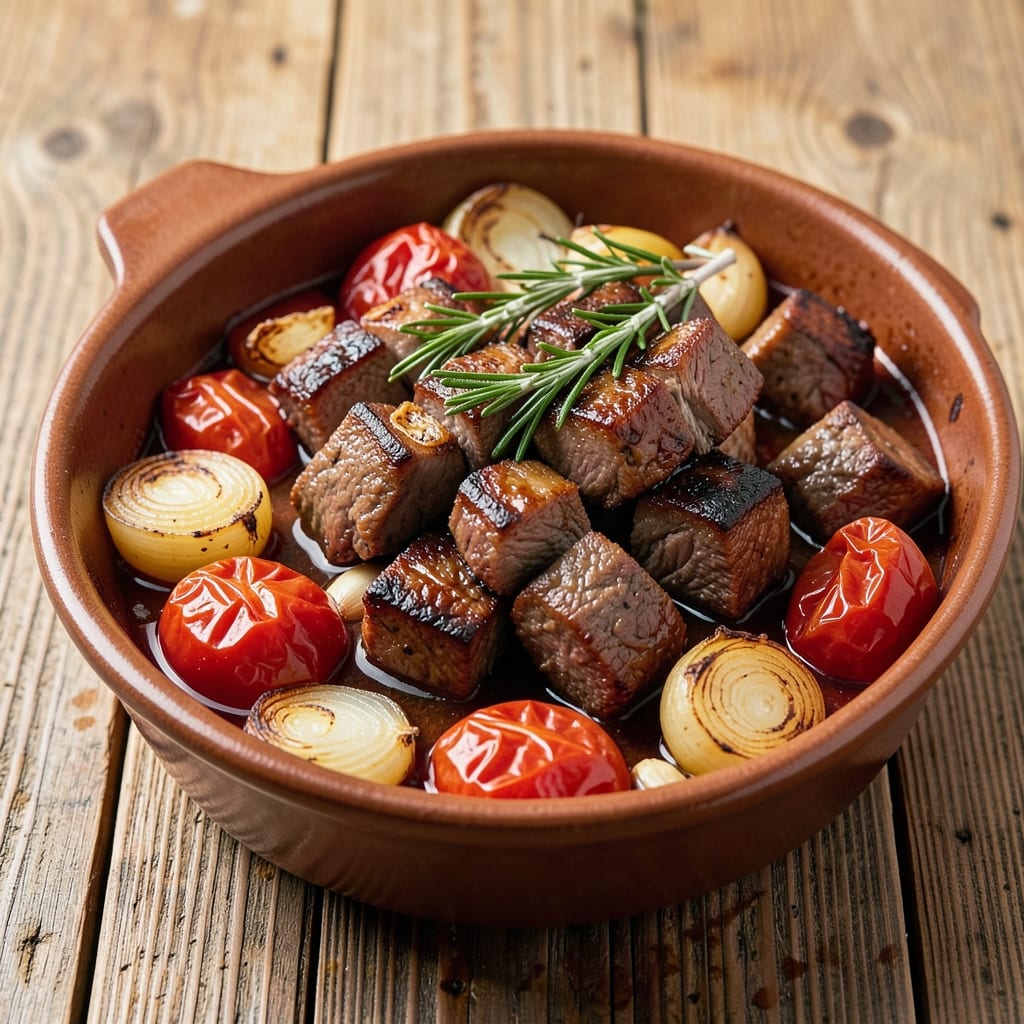
This beef and tomatoes recipe transforms simple ingredients into a restaurant-quality meal that tastes even better the next day. The secret lies in slow-braising beef with tomatoes and herbs until the meat becomes fork-tender and the sauce develops deep, complex flavors. I developed this recipe after years of perfecting braised dishes—it's the kind of weeknight dinner that feels like a celebration.
The process starts with searing beef to build flavor, then simmering it in a rich tomato-herb sauce until perfectly tender. This method works with chuck roast or stew meat, both budget-friendly and full of flavor. The tomatoes caramelize beautifully, creating a glossy, aromatic sauce that coats every bite. It's the kind of dish that gets better with time, making it ideal for meal prep.
By the time you're done, you'll have melt-in-your-mouth beef swimming in a velvety tomato sauce infused with herbs. The aroma alone will have everyone gathering at the table. Serve it over polenta, with crusty bread, or alongside roasted vegetables for a complete meal. This recipe delivers restaurant-quality results with minimal effort.
What makes it special is the balance of sweet tomatoes and rich beef, elevated by simple herbs. The sauce thickens as it simmers, creating a perfect consistency that clings to the meat. It's the kind of dish that feels comforting yet sophisticated—perfect for weeknight dinners or special occasions. Let's get cooking!
Ingredients for beef and tomatoes
Restaurant-quality braised beef starts with these 14 ingredients—simple yet transformative for weeknight dinners.
| Ingredient | Amount | Notes |
|---|---|---|
| Chuck Roast 🥩 | 2 lb | Cut into 1.5-inch cubes |
| Yellow Onion 🧅 | 1 whole | Chopped into 0.5-inch pieces |
| Garlic Cloves 🧄 | 6 cloves | Minced for even distribution |
| Canned San Marzano Tomatoes 🍅 | 28 oz | Crushed by hand for texture |
| Red Wine 🍷 | 1 cup | Bold, dry variety preferred |
| Beef Broth 💧 | 2 cups | Low-sodium preferred |
| Fresh Rosemary 🌿 | ¼ cup | Chopped, stems removed |
| Fresh Thyme 🌿 | ¼ cup | Leaves only, stems discarded |
| Olive Oil 🫒 | 2 tbsp | Extra-virgin for richness |
| Tomato Paste 🍅 | 2 tbsp | Smooth texture preferred |
| Salt 🧂 | 1 ½ tsp | Kosher or sea salt |
| Black Pepper 🌶️ | ½ tsp | Freshly ground preferred |
| Balsamic Vinegar 🍶 | 1 tbsp | For depth of flavor |
| Fresh Bay Leaves 🌿 | 2 whole | Removed before serving |
The beef is the foundation, so chuck roast is ideal—it's budget-friendly and becomes fork-tender when braised. Most grocery stores carry it pre-cut, but if buying whole, ask the butcher to cube it for you. Costco and Walmart often have it at competitive prices, but check the marbling for maximum flavor. For the tomatoes, San Marzano cans are worth the splurge—their sweetness and consistency elevate the dish. If you can't find them, any high-quality crushed tomatoes will work, but avoid the watery, chunky varieties. The fresh herbs? Whole Foods or local farmers markets have the freshest, but even the grocery store's herb section will do in a pinch.
No red wine? Beef broth with a splash of balsamic vinegar delivers similar depth. Substituting dried herbs? Use one-third the amount of fresh—so 1 teaspoon dried thyme for the 0.25 cup fresh called for. The tomato paste can be tricky if you're not using it often; Trader Joe's sells individual squeeze tubes that are perfect for this recipe. For the olive oil, extra-virgin is a must—it adds a fruity richness that regular olive oil lacks. If you're short on time, swap the fresh bay leaves for 1 teaspoon dried, but remove them before serving either way. The balsamic vinegar adds a tangy note that balances the richness—don't skip it if you can help it.
This dish tastes even better the next day, so make extra if you can. Store leftovers in an airtight container in the fridge for up to 5 days, or freeze for 3 months. The sauce thickens as it sits, so you may need to add a splash of broth when reheating. For meal prep, portion into individual containers—it reheats beautifully and makes lunches a breeze. If you're serving it immediately, let it rest for 10 minutes before diving in; the flavors meld during this time, creating that restaurant-quality taste.
Why You'll Love This Recipe
- One-Pot Magic: I swear by this recipe when I’m too tired to wash dishes. Chuck roast, onions, and tomatoes all simmer together—no extra pots, no fuss. Just slice, brown, and let it work its flavor while I chop veggies for the side.
- Wine-Infused Richness: That splash of red wine? It’s the secret weapon. The acidity cuts through the beef’s richness while the San Marzano tomatoes add natural sweetness—deep, savory, and just slightly tangy. Honestly, I’ll take this over takeout any day.
- Leftovers That Shine: This dish actually improves the next day. The beef gets tenderer, the flavors meld, and I’ve reheated it for lunch three times without a single complaint. Freeze half for when I’m too lazy to cook—it thaws perfectly.
- Budget-Friendly Feast: A chuck roast stretches across meals, and canned tomatoes keep costs low without sacrificing quality. I feed four people for under $15, and there’s always enough for seconds. My wallet and my family thank me.
Step-by-step instructions for umami-rich tomato-braised beef with herbs
Transform tough chuck roast into tender, flavor-packed beef using slow cooking and aromatic herbs.
Sear the Beef for Maximum Flavor
Heat a large Dutch oven over medium-high heat and add the 2 tablespoons olive oil. Once shimmering, add the 2 lb chuck roast cut into 1.5-inch cubes, working in batches if needed to avoid crowding. Sear for 3-4 minutes per side until deeply browned—this creates the Maillard reaction that forms the foundation of flavor.
As you sear, I like to press down gently on the beef with a wooden spoon to prevent curling. This ensures even contact with the hot oil and helps develop that rich crust. Remove the beef and set aside on a plate—don't drain the browned bits from the pan, as they'll form the sauce's base.
Build the Aromatic Base
In the same Dutch oven, add the 1 whole yellow onion chopped into 0.5-inch pieces and cook for 5 minutes until softened and beginning to caramelize. Add the 6 cloves minced garlic and stir for 30 seconds until fragrant—this prevents burning while releasing their full flavor.
Next, stir in the 2 tablespoons tomato paste and cook for 1 minute until it darkens slightly. This step deepens the tomato flavor and prevents the sauce from splitting later. The paste should coat the onions and garlic evenly, creating a rich foundation for the braise.
Deglaze and Simmer the Herbs
Pour in the 1 cup red wine and scrape up all the browned bits from the bottom of the pan with a wooden spoon. Let it simmer for 3 minutes until reduced by half. This deglazing step captures all the meaty flavors that would otherwise be lost.
Add the 28 oz crushed San Marzano tomatoes, 2 cups beef broth, 1.5 teaspoons salt, 0.5 teaspoon black pepper, 0.25 cup chopped fresh rosemary, 0.25 cup fresh thyme leaves, and 2 whole fresh bay leaves. Stir well to combine, then return the beef to the pot.
Braise Until Tender
Bring the mixture to a gentle simmer, then reduce heat to low and cover with a lid. Let it cook for 2.5-3 hours until the beef is fork-tender. I check for doneness by inserting a fork—it should slide in easily with minimal resistance.
About 30 minutes before the beef is done, stir in the 1 tablespoon balsamic vinegar. This adds a subtle tang that balances the richness and enhances the overall depth of flavor. The sauce should have thickened slightly, coating the beef in a glossy, aromatic sauce.
Rest and Serve
Remove the 2 whole fresh bay leaves before serving. Let the beef rest for 10 minutes before serving—this allows the juices to redistribute, ensuring each bite is moist and flavorful. The beef should be fork-tender with a rich, caramelized sauce that clings beautifully.
Serve the beef with the sauce spooned over the top, accompanied by crusty bread or over polenta. Each bite should deliver layers of umami from the tomatoes and wine, bright herbs, and tender beef that practically melts in your mouth.
Pro Tips For Making Beef And Tomatoes
- SEAR THE ROAST LONG: The first 10 minutes in a screaming-hot pan with 2 tablespoons of oil make all the difference—don’t rush this. A deep, dark crust locks in flavor and keeps the meat from drying out later, especially with chuck roast’s tougher cuts.
- SWEAT ONIONS LOW AND SLOW: I used to burn them every time. Instead, keep the heat at a gentle simmer (medium-low) for 8-10 minutes until they’re translucent but not browned—this builds flavor without bitterness. Crowd the pan a little, but stir often to avoid sticking.
- DEGLAZE WITH WINE EARLY: After searing the beef, pour in the red wine immediately while the pan’s still hot. Let it bubble for 2 minutes before adding anything else—this pulls up all those browned bits (fond) that taste like magic. Skipping this step means losing half the flavor.
- CRUSH TOMATOES BY HAND: Drain the San Marzano tomatoes but don’t skip crushing them roughly with your fingers—this releases their natural juices and thickens the sauce faster. I know canned tomatoes are convenient, but giving them a quick mash makes the sauce richer without needing extra starch.
Perfect pairings for beef and tomatoes
Classic Side Dishes
Crusty Italian bread is my go-to side—it soaks up the rich tomato sauce beautifully. I grab a baguette from the bakery section at Whole Foods or my local Trader Joe's for that perfect crunch. For a heartier option, serve with creamy polenta—just simmer 1 cup cornmeal with 4 cups beef broth for 20 minutes until thick. The silky texture contrasts perfectly with the tender beef. 🥖
Fresh Salad Balance
A simple arugula salad cuts through the richness with its peppery bite. Toss 4 cups baby arugula with 2 tbsp olive oil, 1 tbsp lemon juice, and a pinch of flaky sea salt. Add ¼ cup shaved Parmesan> for extra depth. The acidity from the lemon brightens the dish and cleanses your palate between bites.
Roasted Vegetable Medley
For a vegetable-forward option, roast 2 cups mixed vegetables> (zucchini, bell peppers, and carrots) with 1 tbsp olive oil, 1 tsp dried oregano, and ½ tsp garlic powder> at 400°F for 20 minutes. The caramelized edges add sweetness that complements the tangy tomato sauce. I often double this recipe to have leftovers for lunches.
Creamy Risotto
If you love creamy textures, try a quick arborio rice risotto. Sauté 1 cup arborio rice> in 2 tbsp olive oil, then add 4 cups beef broth> gradually while stirring. Finish with ¼ cup grated Parmesan> and a splash of white wine>. The buttery rice absorbs the sauce beautifully, creating a luxurious pairing. This takes about 25 minutes> to prepare.
Wine Pairings
A bold red wine like Chianti or Cabernet Sauvignon enhances the dish's rich flavors. The tannins in these wines complement the beef and tomatoes beautifully. For a lighter option, try a Pinot Noir—its bright acidity balances the dish's richness. I always open a bottle 30 minutes> before serving to let it breathe and develop its full aroma.
Beer Pairings
For beer lovers, a malty amber ale or dark lager works wonderfully. The caramel and toasty notes in these beers mirror the braised beef's depth. I recommend Fat Tire or Samuel Adams Oktoberfest—both have enough body to stand up to the dish. If you prefer something lighter, a pale ale** with citrus notes can provide a refreshing contrast. 🍺
Nutrition facts
Frequently asked questions
Can I use ground beef instead of chuck roast?
Yes, but the cooking time and method will change. Ground beef cooks much faster—about 15-20 minutes on medium-low heat—so you'll want to add it directly to the sauce after browning the onions and garlic. The texture will be different (more like a meaty ragù), but it works beautifully for pasta dishes. Just avoid overcooking to prevent dryness.
How do I make this recipe faster?
For a quicker version, use a pressure cooker! Sear the beef first, then add all ingredients and cook on high pressure for 45 minutes (or low pressure for 60 minutes). The beef will be tender in a fraction of the time. For stovetop speed, reduce the braising time to 1.5 hours and use thinner beef slices (1-inch cubes instead of 1.5-inch).
What if I don't have red wine?
No problem! Use 1 cup beef broth plus 1 tablespoon balsamic vinegar for depth, or substitute with 1 cup apple cider for a sweeter note. For extra umami, add 1 teaspoon soy sauce or ½ teaspoon Worcestershire sauce. The dish will still turn out rich and flavorful—just slightly different in profile.
Can I make this in a slow cooker?
Brown the beef first in a skillet, then transfer everything to your slow cooker. Cook on low for 7-8 hours or high for 4-5 hours. The slow cooker's gentle heat helps tenderize the beef perfectly. Just skip the final 10-minute rest—it's not needed when using a slow cooker. The sauce may thicken more, so add a splash of broth if needed before serving.
Why is my sauce too watery?
This usually happens when the beef isn't fully tender or the liquid wasn't reduced enough. For watery sauce, simmer uncovered for an extra 10-15 minutes to thicken it. If the beef is still tough, return it to the pot and cook another 30 minutes covered. For future batches, reduce the broth by ½ cup or add 1 tablespoon cornstarch mixed with water as a slurry at the end.