
Soups & Stews
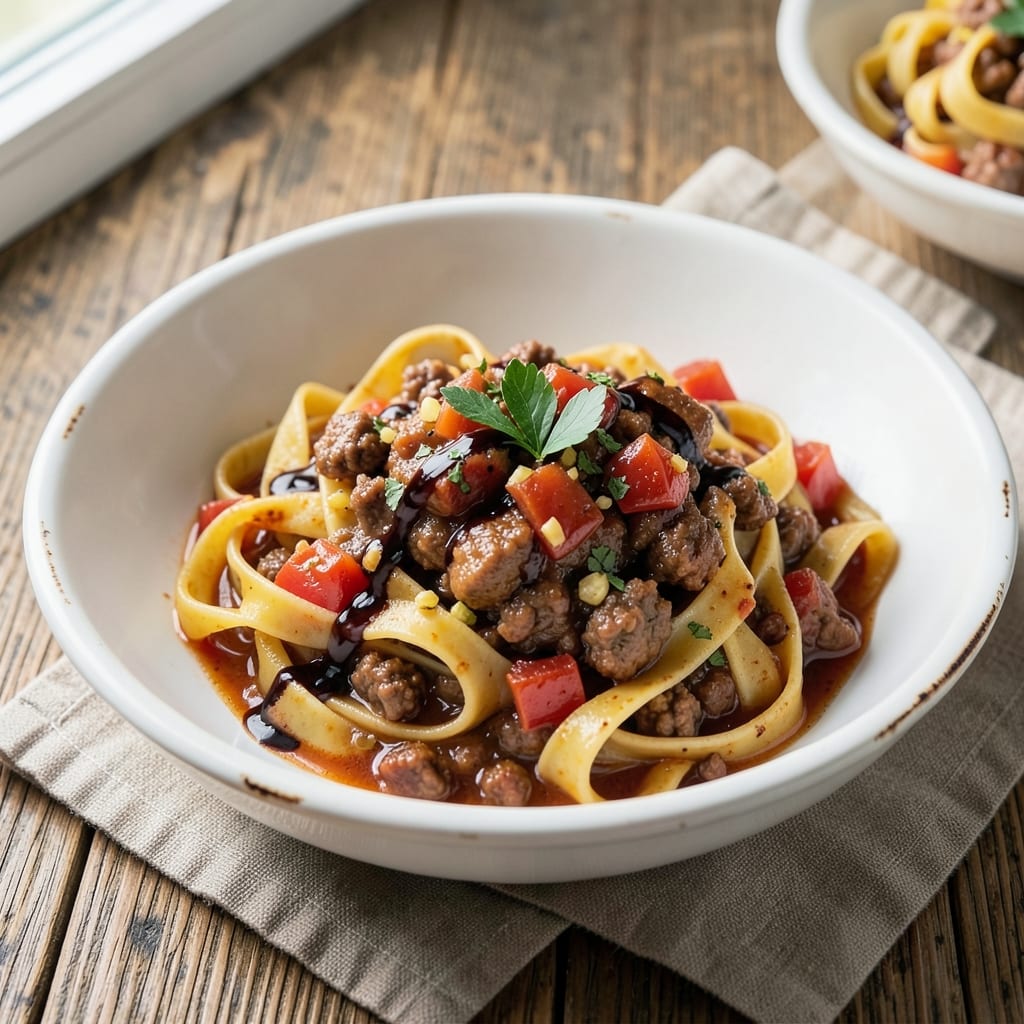
This beef and sausage Bolognese recipe delivers restaurant-quality depth in a single pot, where rich umami flavors develop through slow simmering. The combination of ground beef and Italian sausage creates a meaty, savory base that absorbs aromatic vegetables and red wine into a velvety sauce. I've perfected this technique over years of testing—balancing traditional methods with modern shortcuts for home cooks.
The secret lies in proper browning of the meat (never rushed) and gradual reduction of the sauce to intensify flavors without overcooking. While classic Bolognese takes hours, this version maintains authenticity while delivering results in under 2 hours. The sausage adds subtle spice and fat that enriches the sauce, while pancetta or bacon can substitute for vegetarian adaptations.
By the time you twirl that first forkful, you'll experience perfectly tender meat in a sauce that clings to al dente pasta—deeply flavorful yet balanced. The aroma alone transforms any kitchen into an Italian trattoria. This one-pot method minimizes cleanup while maximizing flavor development, making it ideal for weeknight dinners or meal prep.
Serve with freshly cooked tagliatelle or pappardelle, garnished with grated Parmesan and fresh basil. The sauce thickens beautifully when reheated, ensuring leftovers taste just as good as the first serving. Here's how to create this comforting classic at home.
Ingredients for beef and sausage bolognese
Rich umami flavors start with these quality ingredients simmered in one pot.
| Ingredient | Amount | Notes |
|---|---|---|
| Ground Beef (Chuck Roast) 🥩 | 1 ½ lb | 80% lean, finely ground |
| Italian Sweet Sausage 🌭 | ½ lb | Casings removed, crumbled |
| Yellow Onion 🧅 | 1 whole | Medium, finely diced |
| Carrots 🥕 | 2 medium | Peeled, finely diced |
| Celery Stalks 🌿 | 2 whole | Trimmed, finely diced |
| Garlic Cloves 🧄 | 4 cloves | Peeled, minced |
| Red Wine 🍷 | ¾ cup | Bold dry variety |
| Tomato Paste 🍅 | ½ cup | High-quality, unsweetened |
| Beef Broth 💧 | 2 cups | Low-sodium preferred |
| Whole Milk 🥛 | ½ cup | Full-fat for creaminess |
| All-Purpose Flour 🌾 | 1 tbsp | For sauce thickening |
| Dried Thyme 🌿 | 1 tsp | Or 1 tbsp fresh |
| Dried Oregano 🍃 | 1 tsp | Italian variety preferred |
| Ground Black Pepper 🌶️ | ½ tsp | Freshly ground |
| Kosher Salt 🧂 | 1 ½ tsp | Diamond Crystal preferred |
The beef and sausage form the heart of this Bolognese. Chuck roast ground finely ensures tender texture, while Italian sweet sausage adds subtle spice. For the best quality, purchase from the meat counter at Whole Foods or your local butcher—they'll grind it fresh if needed. The onion, carrots, and celery trio (soffritto) should be finely diced for even cooking; Trader Joe's sells pre-chopped mirepoix if you're short on time. Red wine is non-negotiable here—Cabernet Sauvignon or Chianti work best, but any bold dry red will do.
No red wine? Substitute beef broth with 1 tbsp balsamic vinegar for depth. Fresh thyme is ideal, but dried at one-third the amount works in a pinch. The tomato paste can be swapped for crushed San Marzano tomatoes (about 1 cup) if you prefer. For a vegetarian version, replace the meat with lentils or mushrooms—just increase the cooking time. The milk adds richness; if you're avoiding dairy, coconut milk works beautifully. Always taste and adjust salt—this sauce should be bold but balanced.
This sauce thickens as it cooks, so start with 2 cups of broth and add more if needed. Store leftovers in an airtight container in the fridge for 5-6 days or freeze for 3 months. The flavors deepen overnight, making it perfect for meal prep. For serving, pair with al dente tagliatelle or pappardelle and finish with freshly grated Parmigiano-Reggiano. The sauce reheats beautifully—just warm gently on the stove with a splash of broth.
Why You'll Love This Recipe
- One-Pot Magic: I swear by this—just brown the beef and sausage, toss in diced onions, carrots, and celery (no fancy knife work needed), then let it simmer. The pot does all the heavy lifting while you sip wine or fold laundry.
- Sweet & Savory Crush: That Italian sausage brings the heat and sweetness, while the chuck roast keeps it rich and tender. Honestly, the combo of caramelized onions and herbs makes every bite feel like a hug from Nonna.
- Leftovers That Don’t Suck: This recipe actually improves the next day—better flavors melded together. I freeze half for lazy Mondays, and it reheats like it was just made. (Yes, even on a Tuesday night.)
- Budget-Friendly Feast: Ground chuck and sausage stretch to feed four for under $15, and the veggies (onion, carrots, celery) add bulk without breaking the bank. My wallet thanks me every time.
Step-by-step instructions for beef and sausage Bolognese
Master this rich, umami-packed sauce with a one-pot approach that builds deep flavor layer by layer.
Build the Soffritto Base
Heat a large Dutch oven over medium heat and add the finely diced yellow onion, peeled and diced carrots, and trimmed celery stalks. Cook for 10-12 minutes until the vegetables soften and release their natural juices, creating a fragrant base. This step is crucial for developing the sauce's foundational flavor—don't rush it.
Once the vegetables begin to caramelize slightly at the edges, add the minced garlic cloves and cook for another 30 seconds until fragrant. The garlic should sizzle gently but not burn, as burnt garlic will impart a bitter taste. Stir constantly to prevent browning. This aromatic trifecta—onion, carrot, and celery—forms the classic "soffritto" that defines Italian ragùs.
Brown the Meats for Depth
Push the vegetable mixture to one side of the pot and add the 1.5 lb ground beef (chuck roast) and 0.5 lb crumbled Italian sweet sausage. Break the meat into small pieces with a wooden spoon and cook over medium-high heat for 8-10 minutes, stirring occasionally, until the meat loses its raw color and develops a deep brown crust. This browning reaction creates the Maillard compounds that give Bolognese its rich, meaty depth.
Once the meat is well browned, stir it back into the vegetable mixture and continue cooking for 5 minutes to distribute the flavors. Here's where the one-pot magic happens—the meat releases its juices into the aromatic vegetables, creating a flavorful base for the sauce to develop. Avoid draining the fat; it adds richness to the final dish.
Deglaze and Simmer with Wine and Tomato
Pour in the 0.75 cup bold dry red wine, scraping up any browned bits from the bottom of the pot with a wooden spoon. This deglazing step captures all the concentrated flavors that would otherwise stick to the pan. Let the wine simmer for 3-4 minutes until it reduces by half and the alcohol content evaporates.
Next, stir in the 0.5 cup tomato paste and cook for 2 minutes to blend it thoroughly with the meat mixture. The tomato paste will deepen the sauce's color and add a concentrated tomato flavor without the wateriness of fresh tomatoes. This step is where the sauce begins to take shape, combining the meaty richness with the acidity of the wine and tomato.
Develop the Sauce with Broth and Herbs
Add the 2 cups low-sodium beef broth, 1.5 tsp kosher salt, 1 tsp dried thyme, 1 tsp dried oregano, and 0.5 tsp freshly ground black pepper. Stir well to combine, then bring the mixture to a gentle simmer. Partially cover the pot and let it cook for 45-60 minutes, stirring occasionally, until the sauce thickens and the liquid reduces by about half. The sauce should coat the back of a spoon and cling to the ingredients.
Here's the thing—patience is key. The longer the sauce simmers, the more the flavors meld together. I like to check the sauce every 10 minutes to ensure it's not sticking to the bottom of the pot. If it starts to dry out too much, add a splash of beef broth to maintain the proper consistency. The goal is a sauce that's rich but not gluey, with a velvety texture that clings beautifully to pasta.
Finish with Milk for Creaminess
Once the sauce has thickened to your desired consistency, reduce the heat to low and stir in the 0.5 cup whole milk and 1 tbsp all-purpose flour. The milk adds a subtle creaminess that balances the richness of the meat, while the flour helps to thicken the sauce slightly. Simmer for another 5-7 minutes, stirring frequently, until the sauce reaches a perfect consistency—smooth, velvety, and clingy.
Taste and adjust the seasoning if needed. The sauce should be rich, savory, and well-balanced with a touch of acidity from the wine. Serve the Bolognese immediately over freshly cooked pasta, like tagliatelle or pappardelle, and garnish with additional black pepper if desired. The sauce will continue to thicken as it sits, so don't over-thicken it before serving. This one-pot method ensures a deeply flavorful, restaurant-quality Bolognese with minimal effort and maximum impact.
Pro Tips For Making Beef And Sausage Bolognese
- CRUSH THE SOAUSE FIRST: Remove the casings from the Italian sweet sausage and crumble the meat by hand—don’t just slice it. The extra surface area renders fat faster and blends better with the beef, giving you a richer, more cohesive sauce. (Yes, it takes 2 minutes longer, but you’ll taste the difference.)
- SWEAT THE VEGETABLES LOW: Cut onions, carrots, and celery into small, even pieces and cook them on medium-low heat for 10–12 minutes until soft and glossy. Rushing this step means your bolognese will taste raw and watery—patience here pays off.
- BROWN THE MEAT IN BATCHES: Don’t overload the pan when browning the ground beef and sausage—work in two batches if needed. Crowding steams the meat instead of searing it, which kills flavor. A hot pan and a little patience guarantee that deep, meaty taste.
- RESERVE THAT FAT: After browning, skim off all but 2 tablespoons of the rendered fat from the pan. Use it to deglaze with wine or broth—it’s liquid gold for building flavor. (And no, you can’t just wipe it out with a paper towel.)
Creative variations of these flavors
Spicy Italian Twist
Swap the Italian sweet sausage for spicy Calabrian sausage (about ½ lb) to add heat and complexity. Increase the red wine to 1 cup to balance the spice, then finish with 1 tsp crushed red pepper flakes and a splash of balsamic vinegar for depth. Serve with fresh basil and extra Pecorino Romano for a bold, fiery version that still feels authentic. 🌶️
Vegetarian Adaptation
Replace the beef and sausage with 1.5 lb cremini mushrooms (finely chopped) and 1 cup cooked lentils for protein. Use vegetable broth instead of beef broth and add 1 tbsp soy sauce for umami depth. Simmer for an extra 15 minutes to let flavors meld. Garnish with nutritional yeast for a cheesy, meaty texture without dairy. 🌱
White Wine & Pancetta
For a lighter take, use ½ cup dry white wine (like Pinot Grigio) and add ½ cup diced pancetta (cooked until crispy) to the soffritto. Replace the tomato paste with ½ cup crushed San Marzano tomatoes and finish with 1 tbsp lemon zest for brightness. This version pairs beautifully with fresh spinach tossed into the sauce at the end. 🍷
Slow Cooker Shortcut
Brown the meats in a skillet first, then transfer everything to a 6-quart slow cooker. Add all ingredients except milk (add it at the end) and cook on LOW for 6-7 hours or HIGH for 3-4 hours. The slow cooker’s gentle heat develops deep flavors with zero attention required. Stir in milk and flour at the end, then serve over freshly cooked farfalle. ⏰
Creamy Mushroom Boost
Add 1 cup sliced wild mushrooms (like shiitake or cremini) to the soffritto for an earthy depth. After simmering, stir in ½ cup heavy cream (instead of milk) and 2 oz grated Parmesan for extra richness. Finish with chopped chives and a crack of black pepper for a luxurious, restaurant-worthy twist. 🍄
Kid-Friendly Mild Version
Use mild Italian sausage (like Johnsonville Mild Italian) and reduce the wine to ½ cup. Add ½ cup tomato sauce (instead of paste) and 1 tsp honey to balance acidity. Serve over buttered penne with a side of garlic bread—kids love the familiar flavors without the bold spices. 🧒
Nutrition facts
Frequently asked questions
Can I use ground turkey instead of beef for this recipe?
Ground turkey works beautifully and keeps the dish lighter. Use 1.5 lb of 93% lean ground turkey, but reduce the cooking time slightly to 30-40 minutes during the simmering phase since turkey cooks faster than beef. The texture will be slightly different but still delicious with the sausage.
Why does my Bolognese sauce turn out too thin?
This usually happens when the sauce hasn't reduced enough or you've added too much liquid. The key is patience—simmer uncovered for 45-60 minutes and stir occasionally. If it's still too thin, mix 1 tbsp cornstarch with 2 tbsp cold water, stir into the sauce, and simmer for 5 more minutes. Never add flour directly to cold sauce—it clumps!
What's the best pasta to serve with this rich sauce?
For maximum flavor absorption, use wide, flat noodles like tagliatelle or pappardelle (about 12 oz per serving). The broad surface area catches the sauce beautifully. If you prefer smaller shapes, fettuccine or penne work well too. Always cook pasta al dente—it finishes cooking in the sauce.
Can I make this ahead of time for a potluck?
This sauce actually tastes better the next day! Prepare it completely (including the milk finish), then refrigerate in an airtight container for 1-2 days. When ready to serve, reheat gently on the stove with a splash of broth. For freezing, portion into containers and freeze for up to 3 months. Thaw overnight in the fridge before reheating.
What's the secret to making the meat extra tender?
The secret is in the browning! Cook the meat until deeply browned (not just pink) to develop those flavorful Maillard compounds. Also, use 80% lean ground chuck—the fat keeps the meat juicy. For extra tenderness, add 1 tsp tomato paste to the meat mixture before simmering, which helps bind the juices.