
Main Courses
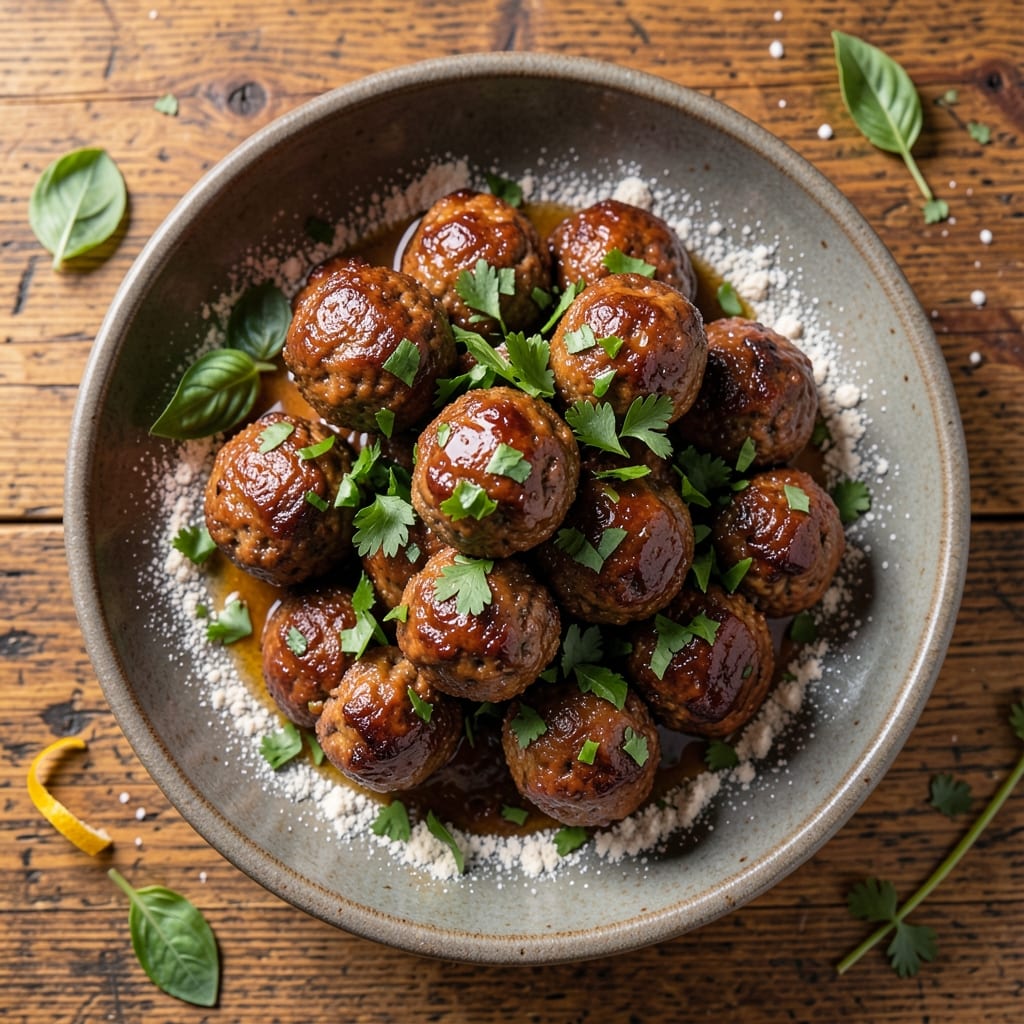
This beef and Italian sausage meatball recipe delivers restaurant-quality flavor with a perfect balance of richness and herby brightness. The combination of ground beef and Italian sausage creates meatballs that are juicy, tender, and packed with savory depth—each bite bursts with a satisfying blend of flavors that’ll have everyone asking for seconds. What makes these stand out is the aromatic mix of Italian seasoning, garlic, and fresh herbs that elevates them beyond basic meatballs.
What sets this recipe apart is the technique: a mix of breadcrumbs and grated Parmesan for structure, eggs to bind, and a touch of red pepper flakes for subtle heat. The meatballs are browned first for maximum flavor, then finished in the oven to ensure they stay moist and tender. This method guarantees perfect results every time, whether you're serving them with marinara sauce, a creamy Alfredo, or even as a standalone appetizer.
The result is meatballs that are golden-brown on the outside with a juicy, flavorful interior—each one infused with the bold taste of Italian sausage and the hearty richness of beef. They hold their shape beautifully and absorb sauces effortlessly, making them ideal for pasta dishes, sandwiches, or as a hearty appetizer. The herby twist from fresh parsley and basil adds a bright, fresh finish that balances the richness.
Pair these meatballs with your favorite sauce—classic marinara, a tangy tomato-basil blend, or even a creamy Alfredo—for a meal that’s both comforting and impressive. Whether you're feeding a crowd or meal prepping for the week, this recipe delivers foolproof, restaurant-worthy results. Let’s get started!
Ingredients for beef and italian sausage meatball
Juicy beef and sausage meet aromatic herbs for meatballs that balance richness with fresh brightness.
| Ingredient | Amount | Notes |
|---|---|---|
| Ground Beef (80% lean, 20% fat) 🥩 | 1 lb | Chilled, not pre-formed patties |
| Italian Sausage (mild or spicy) 🌭 | ½ lb | Casings removed, ground |
| All-Purpose Flour 🌾 | ¼ cup | For breadcrumbs, or use panko |
| Fresh Parsley 🌿 | ¼ cup | Chopped finely, stems removed |
| Fresh Basil 🌿 | ¼ cup | Chopped finely, stems removed |
| Large Eggs 🥚 | 2 whole | Room temperature for best binding |
| Garlic Cloves 🧄 | 4 cloves | Minced finely, not pre-minced jar |
| Italian Seasoning 🌶️ | 1 tbsp | Or blend dried oregano, basil, thyme |
| Red Pepper Flakes 🌶️ | ½ tsp | Adjust for heat preference |
| Parmesan Cheese 🧀 | ½ cup | Freshly grated from block |
| Salt 🧂 | 1 tsp | Kosher or sea salt preferred |
| Black Pepper 🌶️ | ½ tsp | Freshly ground for best flavor |
| Olive Oil 🫒 | 2 tbsp | For browning meatballs |
The meat blend is where the magic happens. Ground chuck gives you that melt-in-your-mouth texture, while the Italian sausage adds depth—stick with mild if you're serving kids or spicy if you want heat. Trader Joe's and Whole Foods carry excellent pre-ground options, but if you're buying whole sausages, remove the casings and grind them yourself for even texture. The parsley and basil? Fresh is non-negotiable—dried just won't cut it here. Look for vibrant green leaves, not wilted or yellowing. For the Parmesan, grate it yourself—pre-grated gets clumpy and lacks flavor. I always buy a wedge from the deli counter and keep it in the freezer for up to 3 months.
No Italian seasoning? Mix 1/4 tsp dried oregano, 1/4 tsp dried basil, and 1/4 tsp dried thyme—it's the same blend. Out of fresh herbs? Dried oregano at half the amount works in a pinch, but you'll lose that bright finish. The eggs can be room temperature or straight from the fridge—just don't skip them. They're the glue that holds these meatballs together. For the red pepper flakes, start with half the amount if you're sensitive to heat. You can always add more. The olive oil is for browning—don't skimp here. Extra-virgin works, but light olive oil has a higher smoke point for better searing.
These meatballs reheat beautifully—oven at 350°F for 10 minutes is ideal. They'll actually taste better the next day once all the flavors meld. Store leftovers in an airtight container for up to 4 days in the fridge or freeze for 3 months. I like to portion them into single servings before freezing so I can grab exactly what I need. For meal prep, make a double batch and freeze half. When you're ready to use them, just thaw in the fridge overnight or microwave for 2 minutes on defrost.
Why You'll Love This Recipe
- Same recipe, different vibes: toss them in marinara for a quick pasta night or bake with mozzarella for a crowd-pleasing appetizer. My kids grab them straight from the pan—no judgment here.
- No Mixing Madness: I just pulse the beef, sausage, and breadcrumbs in the food processor—no overworking, no sticky hands. The fat from the sausage keeps everything juicy while the parsley and basil add freshness without fuss.
- Herb-Packed Punch: That combo of fresh basil and parsley brightens the rich, savory beef and sausage. Honestly, the first bite hits like a little Italian vacation—herby, meaty, and just spicy enough if you use the hot sausage.
- Weeknight to Party: Same recipe, different vibes: toss them in marinara for a quick pasta night or bake with mozzarella for a crowd-pleasing appetizer. My kids grab them straight from the pan—no judgment here.
Step-by-step instructions for beef and Italian sausage meatballs
Here's the precise method for creating meatballs with rich dual-meat flavor and herby texture.
Prepare the Meat Mixture
In a large mixing bowl, combine the 1 lb ground beef (80% lean, 20% fat) and 0.5 lb Italian sausage. Use your hands to break up any large clumps and distribute the fats evenly throughout the mixture. This creates a more tender meatball with better moisture retention during cooking.
Add the 0.25 cup all-purpose flour, 1 tbsp Italian seasoning, 0.5 tsp red pepper flakes, 1 tsp salt, and 0.5 tsp black pepper to the meat mixture. Mix thoroughly with your hands, pressing the seasonings into the meat to ensure even distribution. The flour acts as a binder while helping create a crisp exterior when cooked.
Incorporate Herbs and Eggs
Finely chop the 4 cloves garlic and add them to the meat mixture along with the 0.25 cup fresh parsley and 0.25 cup fresh basil. Mix well, ensuring the herbs are evenly distributed. The fresh herbs add vibrant flavor and help prevent the meatballs from becoming too dense.
In a separate bowl, lightly beat the 2 whole large eggs until just combined. Pour the eggs over the meat mixture and mix gently with your hands until fully incorporated. The eggs provide additional binding and help create a moist interior. Be careful not to overmix at this stage, as excessive handling can make the meatballs tough.
Form and Chill the Meatballs
Using slightly damp hands, roll the meat mixture into uniform meatballs about 1.5 inches in diameter. The dampness helps prevent sticking and makes shaping easier. Place the meatballs on a parchment-lined baking sheet and cover them with plastic wrap. Refrigerate for at least 30 minutes to allow the flavors to meld and the mixture to firm up slightly.
Chilling is crucial for two reasons: it prevents the meatballs from falling apart when you try to cook them, and it helps them hold their shape better during cooking. This step ensures you'll get perfectly formed meatballs with a crisp exterior and juicy interior.
Brown the Meatballs
Heat the 2 tbsp olive oil in a large skillet over medium-high heat until shimmering. Working in batches to avoid overcrowding, add the chilled meatballs to the skillet in a single layer. Cook for 3-4 minutes per side until they develop a deep golden brown color and are cooked through to an internal temperature of 160°F.
Don't be tempted to move the meatballs around too much while they cook. Let them develop a good sear on each side first. The browning creates flavorful crusts that add depth to each bite. If the meatballs release easily from the pan, they're ready to be transferred to a plate.
Finish with Parmesan
Transfer the browned meatballs to a clean plate and sprinkle them generously with the 0.5 cup freshly grated Parmesan cheese. Toss gently to coat evenly. The Parmesan adds a salty, umami richness that complements the herby flavors of the meatballs.
Serve immediately while the meatballs are still warm and the cheese is melty. These meatballs pair beautifully with marinara sauce, tomato-based pastas, or even as a hearty appetizer with toothpicks. The combination of beef and Italian sausage creates a depth of flavor that's hard to match with single-meat meatballs.
Pro Tips For Making Beef And Italian Sausage Meatball
- CHILL THE MIX: Mixing ground beef and Italian sausage releases fat that can make your meatballs greasy if you rush. After combining everything, pop the bowl in the fridge for 15–20 minutes—this lets the flour absorb moisture and the seasonings stick better. (Yes, even if you’re impatient like me.)
- GRIND THE HERBS: Fresh parsley and basil add brightness, but chopping them fine is non-negotiable. Pulse them in a food processor for 3–4 seconds—just until they’re tiny, not paste. Over-blending turns them to mush, which dulls flavor and makes meatballs gummy. (I learned this the hard way after a sad batch of mushy meatballs.)
- DON’T SKIP THE REST: Freshly formed meatballs need 5–10 minutes under foil before hitting the pan or oven. This lets the flour set up a light crust and the juices redistribute, so they don’t fall apart. I used to skip this and wondered why my meatballs always felt dense—turns out, they just needed to breathe.
- USE A THIRD HAND: Wet hands + sticky meatball mix = a mess. Keep a small bowl of flour nearby and dip your hands in it before shaping each meatball. This prevents the mix from sticking to your fingers and keeps the texture consistent. (This isn’t the prettiest method, but it’s the tastiest.)
Storing and reheating this recipe
Fridge Storage Tips
Store cooked meatballs in an airtight container with a tight-sealing lid to preserve moisture. I like using glass Pyrex containers because they’re microwave-safe and stackable. Keep them refrigerated for up to 4 days—the flavors actually deepen overnight as the seasonings meld together. Always let them cool completely before storing to prevent condensation buildup, which can make them soggy. 🧊
Freezer Prep Guide
For long-term storage, portion meatballs into single-serving portions in freezer-safe bags or containers. Squeeze out excess air to prevent freezer burn, and label with the date. They’ll keep for 3 months at 0°F or below. I recommend freezing them uncooked—just thaw overnight in the fridge before browning and baking as directed. This preserves their texture better than freezing cooked meatballs.
Reheating Methods
For the best results, reheat meatballs in the oven at 350°F for 10-12 minutes until warmed through. This method keeps them juicy and maintains their crisp exterior. If using the microwave, cover with a damp paper towel and heat in 30-second intervals, stirring between each, until reaching 165°F internally. Avoid overcooking—they’ll dry out quickly.
Sauce Integration
If you’re reheating meatballs with sauce (like marinara), add the sauce after they’ve warmed through. Tossing cold meatballs directly into hot sauce can cause them to release moisture and turn mushy. For extra flavor, add a splash of beef broth or red wine to the sauce pan while reheating. This adds depth and prevents drying. 🍝
Air Fryer Option
For a quick crispy finish, reheat frozen or refrigerated meatballs in an air fryer at 375°F for 5-6 minutes**, shaking the basket halfway. This method gives them a restaurant-style crust without needing extra oil. I prefer this for single servings—just toss them in the basket in a single layer to ensure even browning. Perfect for meal prep lunches!
Nutrition facts
Frequently asked questions
Can I substitute ground turkey or chicken for the beef?
You can use ground turkey (dark meat works best) or chicken, but the texture and flavor will differ. For turkey, use 1.25 lbs to match the moisture content, and add 1 extra tablespoon of breadcrumbs to help bind. Chicken will make lighter meatballs—consider adding 1/4 cup grated Parmesan extra for richness. The Italian sausage still provides the bold flavor, so the overall taste won't be identical, but it's a great option for lighter meals.
Why do my meatballs turn out dry or crumbly?
Overmixing the meat mixture or skipping the 30-minute chill time are the most common culprits. The eggs and flour need time to fully bind, and cold hands help prevent overworking the meat. Also, avoid using lean ground beef (90% lean or higher)—the fat is essential for juiciness. For extra moisture, add 1 tablespoon of milk or water to the mixture, but don't overdo it.
What's the best way to make these meatballs ahead of time?
Freeze them uncooked for best results—portion into single servings, wrap tightly in plastic wrap, then place in a freezer bag. Thaw overnight in the fridge, then cook as directed. If you prefer cooked meatballs, freeze them after browning (before adding Parmesan), reheating in the oven at 350°F for 10 minutes with a splash of broth to prevent drying. Never freeze meatballs with sauce—they'll absorb moisture and turn soggy.
Can I make these meatballs in a slow cooker?
Brown the meatballs first in a skillet, then transfer them to a slow cooker on low for 2-3 hours with 1/2 cup beef broth and 1/4 cup marinara sauce. The slow cooking keeps them tender while infusing them with extra flavor. For crispy exteriors, finish them in a hot skillet for 2 minutes per side after slow cooking. This method works great for meal prep—just reheat gently before serving.