
Main Courses
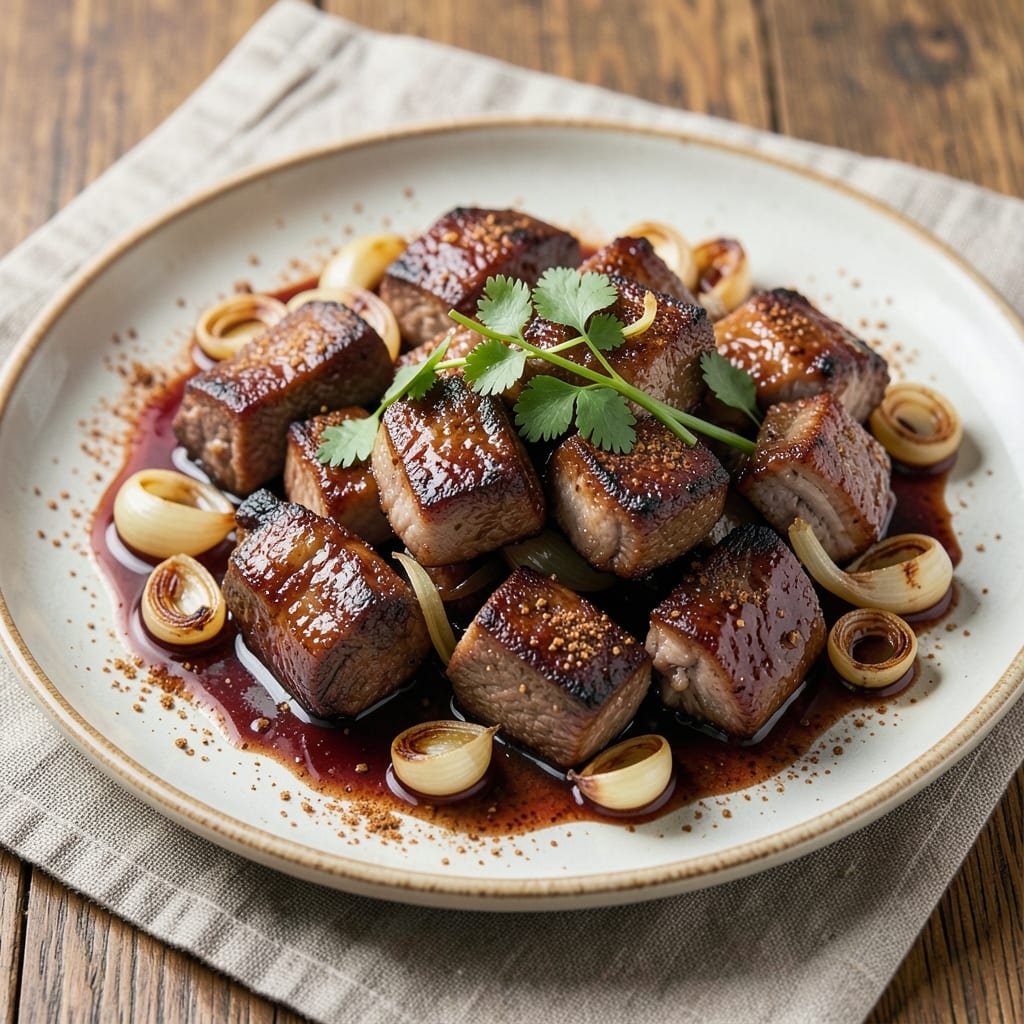
This beef and pork recipe delivers a smoky, spiced one-pan stew where tender beef and pork share the spotlight with caramelized onions and aromatic spices. As someone who's spent years perfecting the balance between these two proteins, I can tell you this dish transforms simple ingredients into something restaurant-worthy—no fancy equipment required. The secret lies in slow-cooking the meats together, allowing their flavors to meld into a rich, hearty broth that's impossible to resist.
What makes this recipe stand out is how it marries two distinct proteins without overpowering either. The beef brings depth and richness, while the pork adds tender, melt-in-your-mouth texture. Caramelizing the onions first builds a sweet, jammy base that ties everything together, and the smoky spices—think paprika, cumin, and a touch of liquid smoke—create layers of flavor that linger long after the last bite. It's the kind of dish that tastes even better the next day, making it perfect for meal prep or a cozy weeknight dinner.
By the time you're done, you'll have a one-pan wonder that's packed with flavor and minimal cleanup. The beef and pork will be fork-tender, the onions perfectly caramelized, and the broth infused with all the spices and aromatics from the pan. This is comfort food at its finest—a dish that feels indulgent but is simple enough to make on a regular basis. Serve it with crusty bread to soak up every last bit of that smoky, savory sauce.
Whether you're feeding a family or hosting a dinner party, this stew delivers restaurant-quality results with minimal effort. The technique is foolproof, and the ingredients are straightforward—just a few spices, some aromatic vegetables, and two proteins that work together beautifully. Let's get cooking!
Ingredients for beef and pork
Just 15 ingredients transform into a restaurant-worthy one-pan stew with tender beef and pork.
| Ingredient | Amount | Notes |
|---|---|---|
| Chuck Roast Beef 🥩 | 1 ½ lb | Cut into 1.5-inch cubes |
| Pork Shoulder 🐖 | 1 ½ lb | Cut into 1.5-inch cubes |
| Yellow Onions 🧅 | 3 whole | Thinly sliced, caramelized |
| Garlic Cloves 🧄 | 6 cloves | Minced for depth of flavor |
| Smoked Paprika 🌶️ | 2 tbsp | For smoky undertones |
| Ground Cumin 🌿 | 1 ½ tbsp | Toasted for warmth |
| Liquid Smoke 🔥 | 1 tsp | Enhances smokiness |
| Beef Broth 💧 | 2 cups | Low-sodium preferred |
| Tomato Paste 🍅 | 2 tbsp | Concentrated umami |
| Red Wine 🍷 | ½ cup | Bold, dry variety |
| Olive Oil 🫒 | 2 tbsp | For caramelizing onions |
| Bay Leaves 🌿 | 2 whole | Dried for aromatic base |
| Thyme Leaves 🌿 | 1 tbsp | Fresh or dried |
| Salt 🧂 | 1 ½ tsp | Kosher or sea salt |
| Black Pepper 🌶️ | 1 tsp | Freshly ground |
The beef and pork are the stars here—chuck roast for beef gives that melt-in-your-mouth texture, while pork shoulder stays juicy. Grab these from the butcher section if you can; pre-cut options at Costco or Trader Joe's save time. Look for good marbling in both—it's what makes this dish rich and flavorful. If you're using a whole chuck roast, cube it yourself for even cooking. The onions? Yellow onions work best for caramelizing—they're sweet and hold up well. Skip the red or white unless you want color over flavor.
No smoked paprika? Double the regular paprika and add ½ tsp liquid smoke—it's a game-changer. Out of red wine? Substitute beef broth with 1 tbsp balsamic vinegar for depth. Fresh thyme is ideal, but dried works at ⅓ the amount—just crush it between your fingers to release the oils. The tomato paste can be the squeeze-tube kind from Trader Joe's—it's perfect for small amounts and lasts forever. For the broth, low-sodium is key so you control the saltiness. If you're using a bouillon cube, dissolve it in hot water first to avoid clumps.
This stew tastes even better the next day—double the batch and freeze half for lazy weeknights. Store it in the fridge for up to 5 days or freeze for 3 months. The onions caramelize best when prepped ahead, so slice them first thing and let them sit while you brown the meat. For serving, crusty bread is a must—it soaks up every bit of that smoky, savory sauce. Leftovers reheat beautifully; just add a splash of water or broth if it's too thick.
Why You'll Love This Recipe
- One-Pot Magic: I swear by this—just toss the chuck roast, pork shoulder, and onions in one pot with garlic and paprika, then let it slow-cook. No chopping, no fuss, no extra pans. The onions caramelize right there, and honestly? That’s half the work done for you.
- Smoky Deep Flavor: Between the chuck roast’s rich beefiness and the pork shoulder’s tender pull, this combo is ridiculously satisfying. Add the smoked paprika? Instant depth—like a campfire in your kitchen, but without the bugs.
- Weeknight to Dinner Party: Make it for Tuesday with your kids around, or serve it at a gathering where you don’t want to slave over the stove. The same recipe works for both—just adjust the time. My in-laws think I’m a hero when this comes out.
- Budget-Friendly Leftovers: You’re getting two kinds of meat for the price of one, and it actually tastes like a splurge. Save half for tacos the next night or freeze it—no waste, all flavor. (Yes, even on a Tuesday.)
Step-by-step instructions for smoky-spiced one-pan stew
Here's how to build a deeply flavorful stew that marries tender beef and pork with caramelized onions and rich spices.
Sear the Meats for Maximum Flavor
Heat a large Dutch oven over medium-high heat and add the 2 tablespoons olive oil. Working in batches to avoid crowding, add the 1.5 pounds chuck roast beef and 1.5 pounds pork shoulder, both cut into 1.5-inch cubes. Sear for 4-5 minutes per side until deeply browned and caramelized—this creates the flavor foundation.
As you sear, I like to press down gently on each piece with a wooden spoon. This prevents the meat from curling and ensures even contact with the pan. Transfer the browned meat to a plate and set aside. If your pan starts smoking too much, reduce the heat slightly—you want color, not burnt edges.
Caramelize Onions and Build the Spice Base
In the same Dutch oven, reduce heat to medium-low and add the 3 whole yellow onions, sliced thinly. Cook them undisturbed for 5 minutes to develop a good color, then stir and continue cooking for another 10-12 minutes until deeply golden and caramelized. This process takes patience—don't rush it.
Once the onions are caramelized, add the 6 minced garlic cloves and cook for 30 seconds until fragrant. Then stir in the 2 tablespoons smoked paprika, 1.5 tablespoons ground cumin, and 1 teaspoon liquid smoke. Let these spices toast for 1 minute until aromatic—this deepens their flavor and removes any raw taste.
Deglaze and Simmer the Stew
Pour in the 0.5 cup red wine, scraping up all the browned bits from the bottom of the pan with a wooden spoon. This deglazing step captures all the meaty flavors you worked so hard to create. Let the wine simmer for 2-3 minutes until reduced by half.
Add the 2 tablespoons tomato paste, 2 cups beef broth, 2 whole bay leaves, 1 tablespoon thyme leaves, 1.5 teaspoons salt, and 1 teaspoon black pepper. Return the meat to the pot and bring everything to a gentle simmer. The liquid should just cover the meat—if it's too thin, add a splash of water.
Cook Until Tender and Flavor-Infused
Cover the Dutch oven and transfer to a preheated 325°F oven. Cook for 2-2.5 hours, flipping the meat halfway through, until both the beef and pork are fork-tender. The stew should have thickened slightly, and the meat should pull apart easily when tested with a fork.
If the stew reduces too much and the meat starts to look dry, add a little more broth or water to maintain moisture. The key is low and slow cooking—this allows the flavors to meld beautifully while keeping the meat incredibly tender. Real talk: this is where the magic happens, so don't rush it.
Rest and Serve with Confidence
Once the meat is tender, remove the stew from the oven and let it rest for 10-15 minutes before serving. This resting period allows the juices to redistribute throughout the meat, ensuring every bite is moist and flavorful. Discard the bay leaves before serving.
Ladle the stew into bowls and serve immediately. Each spoonful should deliver perfectly tender beef and pork, sweet caramelized onions, and a complex blend of smoky, spiced flavors. The stew tastes even better the next day, so make extra if you can—it's that good.
Pro Tips For Making Beef And Pork
- SEAR THE MEAT SEPARATELY: Chuck roast and pork shoulder don’t brown at the same rate—don’t let the pork turn to leather while the beef stays pale. Sear the beef first over high heat until deep brown (5-6 minutes per side), then remove and repeat with the pork. I learned this the hard way when my pork shoulder came out tough from overcrowding the pan.
- CHAR THE ONIONS LOW AND SLOW: Yellow onions for this dish need to caramelize, not burn. After the initial sear, drop heat to medium-low and let them cook uncovered for 20-25 minutes, stirring occasionally. If they’re bubbling too fast, they’re too hot—cover the pan for 2 minutes to mellow them out. Sounds weird, but it works: you’ll get sweetness without bitterness.
- SALT THE MEAT 24 HOURS EARLY: Chuck roast and pork shoulder soak up salt like sponges, but if you season right before cooking, you’ll end up with a bland core. Generously coat both cuts with kosher salt (about 1 tablespoon per pound) and let them sit uncovered in the fridge. The salt breaks down the proteins, making the meat juicier—your future self will thank you.
- USE GARLIC BUTTER AT THE END: Smoked paprika gives this dish depth, but raw garlic can taste harsh if added too early. In the last 5 minutes, melt 2 tablespoons of butter, crush 6-8 garlic cloves into it, and swirl it into the pan. The high heat toasts the garlic instantly, adding aroma without overpowering. I skip this when I’m lazy, but the dish is noticeably better when I don’t.
Perfect pairings for beef and pork
Crusty Bread Pairing
Nothing beats this stew with a warm, crusty bread to soak up every last drop of that smoky, savory sauce. I recommend a sourdough loaf from your local bakery—the tangy flavor cuts through the richness beautifully. If you're short on time, French baguettes from Trader Joe's or Whole Foods work perfectly. For extra indulgence, brush the bread with garlic butter before serving—just mix 2 tbsp softened butter with 1 minced garlic clove and a pinch of salt. 🥖
Bright Green Salad
A crisp, peppery salad balances the heartiness of this stew. Toss together 4 cups baby arugula with ½ cup sliced red cabbage, ¼ cup toasted walnuts, and a simple vinaigrette made with 2 tbsp olive oil, 1 tbsp apple cider vinegar, and ½ tsp Dijon mustard. The acidity in the dressing cuts through the richness, while the cabbage adds a satisfying crunch. 🥗
Creamy Polenta
For a comforting alternative, serve this stew over creamy polenta—it’s like a blank canvas for all the smoky flavors. Cook 1 cup polenta with 4 cups chicken broth and 2 tbsp butter until thick and creamy. Stir in ¼ cup grated Parmesan cheese for extra richness. The smooth texture contrasts perfectly with the tender meat and caramelized onions. 🍲
Pickled Vegetables
Add a tangy contrast with quick-pickled vegetables—they brighten up every bite. Thinly slice 1 cup radishes and ½ cup red onion, then toss with ½ cup apple cider vinegar, 1 tbsp sugar, and 1 tsp salt. Let them sit for at least 30 minutes before serving. The acidity balances the richness of the stew beautifully. 🥒
Wine Pairings
This stew’s smoky, spiced flavors call for a bold red wine. A Cabernet Sauvignon from Napa Valley—like Robert Mondavi To Kalon—complements the richness with its dark fruit notes. For something lighter, a Syrah from the Rhône Valley adds a peppery kick. Avoid overly oaky Chardonnays or light whites—they won’t stand up to the depth of this dish. 🍷
Beer Pairings
If you prefer beer, a dark lager or amber ale works wonders. Try a Samuel Adams Boston Lager—its malty sweetness pairs beautifully with the caramelized onions and smoky spices. For a craft option, a Belgian-style dubbel like Westmalle Dubbel** adds a rich, caramel depth. Avoid hoppy IPAs; they’ll overpower the stew’s delicate flavors. 🍺
Nutrition facts
Frequently asked questions
Can I substitute pork shoulder with another cut?
You can use pork ribs or pork butt instead of shoulder. Both will work beautifully in this stew, though pork butt may take slightly longer to become tender. If using ribs, remove the meat from the bones after cooking for easier serving. For extra tenderness, consider adding 1 teaspoon apple cider vinegar to the cooking liquid—it helps break down connective tissues.
Why does the recipe call for both beef and pork?
The combination creates a perfect balance of textures and flavors. Beef adds depth and richness, while pork provides tender, melt-in-your-mouth quality. The fat content from pork also helps keep the beef moist during slow cooking. This pairing is inspired by traditional Southern cooking techniques where both proteins are used together for maximum flavor impact. Think of it as a flavor marriage where each protein enhances the other!
Can I make this stew in a slow cooker?
Yes! Transfer the browned meats and caramelized onions to your slow cooker, then add all remaining ingredients. Cook on low for 6-7 hours or high for 3-4 hours. The slow cooker method is even more hands-off, though you'll miss the deep caramelization from the Dutch oven. For best results, sear the meats separately before adding to the slow cooker. The flavors will still meld beautifully!
How can I make this dish spicier?
Add ½ teaspoon cayenne pepper or 1 teaspoon chipotle powder to the spice mix when toasting with the onions. For heat with depth, stir in 1 tablespoon hot sauce (like Tabasco) at the end of cooking. If you love fresh heat, garnish each serving with chopped jalapeños or a sprinkle of red pepper flakes. Just remember—pork absorbs heat differently than beef, so start with less if you're sensitive to spice!
What's the best way to reheat leftovers?
Gently reheat in a saucepan over low heat with 2-3 tablespoons water or broth to prevent drying. Never microwave directly—it can make the meat tough. For best results, cover the pan and heat just until warmed through (5-7 minutes). If the stew seems too thick after reheating, add a splash more liquid and let it simmer. This stew actually tastes better the next day as flavors continue to meld!