
Soups & Stews
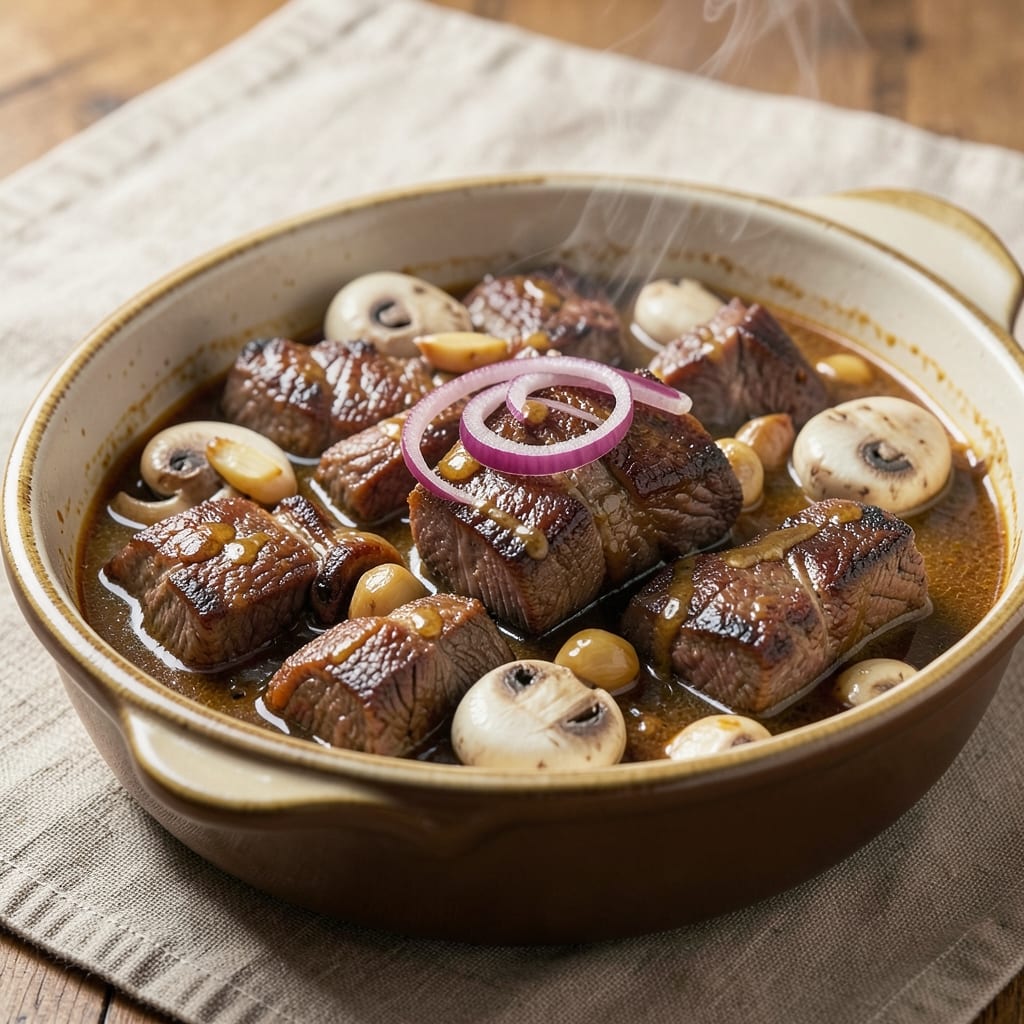
This beef and mushroom ragout delivers restaurant-quality depth with tender beef and earthy mushrooms simmered in a rich, umami-packed sauce. The secret lies in slow cooking—allowing flavors to meld while transforming tough cuts into fork-tender perfection. I've perfected this technique over years of testing, ensuring every bite delivers that perfect balance of savory, smoky, and slightly sweet notes.
The process begins with searing the beef to lock in juices, followed by a deep caramelization of mushrooms that forms the flavor foundation. A classic red wine reduction ties everything together, creating a sauce that clings to both beef and mushrooms. This isn't just another stew—it's a deeply flavorful dish that transforms simple ingredients into something extraordinary.
What you'll achieve is a dish where tender beef falls apart at the touch of a fork, surrounded by caramelized mushrooms that've absorbed all the rich, herby sauce. The aroma alone will have everyone gathering at the table, and the first bite will confirm why this ragout stands apart from basic beef stews. Serve it with crusty bread to soak up every last drop of that velvety sauce.
Perfect for weeknight dinners or special occasions, this ragout scales beautifully—whether feeding a family of four or hosting a dinner party. The technique is foolproof, and the results are consistently impressive. Let's get started on creating this deeply satisfying dish that brings comfort and flavor to your table.
Ingredients for beef and mushroom ragout
Restaurant-quality depth starts with these carefully selected ingredients for a beef and mushroom ragout that transforms simple cuts into extraordinary flavor.
| Ingredient | Amount | Notes |
|---|---|---|
| Chuck Roast Beef 🥩 | 2 lb | Trimmed of excess fat, cut into 1.5-inch cubes |
| Cream Mushrooms 🍄 | 16 oz | Sliced into even 0.5-inch pieces |
| Yellow Onion 🧅 | 1 whole | Large, thinly sliced into half-moons |
| Garlic Cloves 🧄 | 6 cloves | Peeled and smashed with side of knife |
| Dry Red Wine 🍷 | 1 cup | Bold variety like Cabernet Sauvignon |
| Beef Broth 💧 | 2 cups | Homemade or high-quality store-bought |
| Tomato Paste 🍅 | 2 tbsp | Smooth, not chunky |
| Fresh Thyme 🌿 | ¼ cup | Leaves only, finely chopped |
| Fresh Rosemary 🌿 | 1 tbsp | Needles only, finely chopped |
| Olive Oil 🫒 | 2 tbsp | Extra-virgin for richness |
| All-Purpose Flour 🌾 | 1 tbsp | For thickening sauce |
| Kosher Salt 🧂 | 1 ½ tsp | Diamond Crystal preferred |
| Freshly Ground Black Pepper 🌶️ | ½ tsp | Cracked peppercorns preferred |
| Unsalted Butter 🧈 | 2 tbsp | Cold, cubed for finishing |
The beef selection is critical for this ragout. Chuck roast delivers the perfect balance of tenderness and flavor when cooked slowly, while cream mushrooms provide that earthy richness that defines the dish. For the beef, look for well-marbled cuts from your butcher—local farms or Whole Foods often carry excellent options. The mushrooms should be firm with no bruising; Trader Joe's consistently offers high-quality sliced mushrooms at a reasonable price. Fresh thyme and rosemary from the grocery store's produce section work fine, but if you're feeling ambitious, Penzeys Spices carries exceptional dried herbs that elevate the dish further. The red wine should be bold and dry—think Cabernet Sauvignon or Merlot—as it forms the flavor backbone of the sauce.
No red wine? Substitute with beef broth and 1 tbsp balsamic vinegar for depth, though the flavor profile will be slightly different. Fresh herbs unavailable? Dried thyme and rosemary at one-third the amount work in a pinch, though fresh is always preferred. For the mushrooms, shiitake or oyster mushrooms add complexity if you want to experiment. The tomato paste can be replaced with 1 cup crushed tomatoes if you prefer a less concentrated flavor. When measuring the flour for thickening, use a proper measuring cup—spooning it in leads to inconsistent results. The butter at the end is non-negotiable; it adds that luxurious finish that makes this ragout restaurant-worthy.
This ragout develops better with time, so make it a day ahead if possible—the flavors meld beautifully. Store in an airtight container in the refrigerator for up to 5 days, though it's best enjoyed within 3 days for optimal texture. For longer storage, portion into containers and freeze for up to 3 months. When reheating, add a splash of beef broth to restore moisture. The sauce thickens as it cools, so a few extra spoonfuls of broth when reheating ensures that perfect velvety consistency. Leftovers reheat beautifully in a skillet over medium heat, with just enough liquid to loosen the sauce.
Why You'll Love This Recipe
- One-Pan Magic: I swear by this—just brown the chuck roast, toss in onions and mushrooms, then let the wine and garlic work their sauce magic. No extra pots, no stress.
- Wine-Infused Richness: That splash of dry red wine? It’s the secret weapon—deepens the flavor without tasting like cooking wine. The mushrooms soak it up like a sponge, turning tender and irresistibly savory.
- Leftovers That Shine: Make a double batch and freeze half. Reheat it later, and it’s just as good—maybe even better—because the flavors meld overnight. (Yes, even my picky husband agrees.)
- Budget-Friendly Feast: Chuck roast stretches far, and mushrooms add luxury without breaking the bank. Honestly, this feeds four for under $20, and everyone leaves happy.
Step-by-step instructions for beef and mushroom ragout
Master this rich, umami-packed ragout through precise technique and layered flavors.
Sear the Beef for Deep Flavor
Heat a heavy Dutch oven over medium-high heat until very hot. Add the 2 tablespoons olive oil and swirl to coat the bottom evenly. Working in batches to avoid crowding, add the 2 lb chuck roast beef cubes and sear for 2-3 minutes per side until deeply browned with a crust forming. This caramelization builds the foundation for complex flavors.
Transfer the seared beef to a plate and set aside. If the oil appears dark or smoky, discard half before continuing—this ensures clean flavor development. The beef should release easily from the pan when ready to flip, indicating proper doneness for searing.
Build the Aromatic Base
In the same Dutch oven, reduce heat to medium and add the 1 whole yellow onion and 16 oz cream mushrooms. Cook for 8-10 minutes, stirring occasionally, until the mushrooms release their moisture and begin to soften. Add the 6 smashed garlic cloves and cook for another 1 minute until fragrant.
This step develops the ragout's earthy depth. The mushrooms should collapse slightly while maintaining their shape, and the garlic should perfume the entire dish. If the pan becomes too dry, add 1 tablespoon dry red wine to deglaze and scrape up any browned bits clinging to the bottom.
Deglaze and Simmer the Sauce
Pour in the remaining 1 cup dry red wine and scrape vigorously with a wooden spoon to incorporate all the flavorful browned bits. Let the wine reduce by half—about 3-4 minutes—until it coats the back of a spoon. Stir in the 2 tablespoons tomato paste, 0.25 cup fresh thyme, and 1 tablespoon fresh rosemary, mixing well to distribute the herbs evenly.
The wine reduction intensifies the umami profile while the tomato paste adds subtle sweetness to balance the dish. At this point, the mixture should smell rich and complex, with layers of meaty, earthy, and herbal aromas. If the sauce appears too thick, add 2 tablespoons beef broth to loosen it slightly.
Complete the Ragout with Beef and Broth
Return the seared beef to the Dutch oven and pour in the 2 cups beef broth. Sprinkle with the 1.5 teaspoons kosher salt and 0.5 teaspoon freshly ground black pepper. Bring to a simmer, then reduce heat to low and cover partially. Let it cook for 1 hour to 1 hour 15 minutes, stirring occasionally, until the beef is fork-tender and the sauce has thickened.
Check for doneness by piercing a beef cube—it should offer gentle resistance but still be easy to pierce. The sauce should coat the back of a spoon with a velvety consistency. If it's too thin, mix the 1 tablespoon all-purpose flour with 2 tablespoons cold water to create a slurry, then stir it into the ragout and simmer for an additional 5 minutes.
Finish with Butter for Richness
Remove the ragout from heat and let it rest for 5 minutes. Stir in the 2 tablespoons cold unsalted butter until melted and fully incorporated. This final step adds luxurious mouthfeel and balances any acidity in the sauce. Taste and adjust seasoning—you may need a touch more salt or pepper to harmonize the flavors.
Serve immediately over polenta or crusty bread, ensuring each bite delivers tender beef, earthy mushrooms, and a rich, velvety sauce. The ragout should be robust enough to stand alone but balanced enough to complement sides without overpowering them. Leftovers keep well in the refrigerator for up to 3 days, with flavors deepening overnight.
Pro Tips For Making Beef And Mushroom Ragout
- Sear the Chuck First: Don’t rush this—get that roast screaming hot in a dry pan for 3-4 minutes per side until it’s deep brown. I learned this the hard way: skipping the sear means a bland, gray ragout. Use enough oil (about 2 tablespoons) so the beef releases its juices properly, and don’t move it around too soon.
- Slice Mushrooms Thin: Cream mushrooms hold moisture like sponges, so cut them paper-thin (⅛-inch or less) for even cooking. Thick slices turn mushy while the rest stays al dente. If you’re impatient, pulse them briefly in a food processor—just don’t overdo it, or they’ll turn to mush.
- Deglaze with Wine Immediately: As soon as you remove the beef, pour in that dry red wine right away while the pan is still hot. Let it bubble and reduce by half before adding anything else—this pulls all those browned bits (fond) into the sauce. Cold wine? Skip it. You’ll regret it.
- Finish with Butter and Salt: Stir in 2 tablespoons of cold butter off the heat at the end—it coats the mushrooms and beef, making everything silky. Then, taste and add salt after the butter melts, because butter is salty and you’ll overdo it if you don’t wait. Trust me, I’ve made this mistake.
Perfect pairings for this beef and mushroom ragout
Crusty Bread Pairings
Nothing enhances this ragout like a warm, crusty loaf for soaking up the velvety sauce. I recommend a baguette or sourdough—their open crumb structure traps every drop of that rich, herby reduction. For extra flair, brush slices with garlic-infused olive oil and sprinkle with flaky sea salt before serving. 🥖
Pro tip: Toast the bread lightly before serving to prevent it from becoming soggy. For a rustic touch, tear the bread into irregular pieces rather than slicing—this creates more surface area for sauce absorption and adds visual appeal to the plate.
Polenta or Risotto
Creamy polenta transforms this ragout into a complete meal, providing a neutral canvas that lets the beef and mushroom flavors shine. Cook 1 cup polenta in 4 cups milk with ½ teaspoon salt until thick and creamy—about 20 minutes on low heat. Stir in 2 tablespoons butter and ¼ cup grated Parmesan at the end for extra richness.
Alternatively, serve over creamy risotto for a more decadent option. A mushroom risotto with shiitake mushrooms and white wine creates a harmonious flavor bridge with the ragout. Both sides should be al dente to prevent them from absorbing too much of the ragout's sauce.
Roasted Vegetables
Bright, roasted vegetables cut through the richness of the ragout while adding freshness to the plate. Toss 1 lb baby potatoes, 1 zucchini, and 1 red bell pepper with 1 tablespoon olive oil, ½ teaspoon salt, and ¼ teaspoon black pepper. Roast at 400°F for 25-30 minutes until caramelized.
For a fall variation, swap in butternut squash and carrots—their natural sweetness balances the umami depth of the ragout. Garnish with fresh parsley or thyme sprigs for a pop of color and freshness.
Wine Pairings
A bold Cabernet Sauvignon or Merlot mirrors the dish's red wine base and beefy richness. Look for wines with 12-14% ABV and notes of black cherry, vanilla, and spice—these complement the ragout's depth without overpowering it. 🍷
For a lighter option, a Pinot Noir with its bright acidity and red fruit notes provides a refreshing contrast. Avoid heavy, tannic wines that could clash with the dish's creamy texture. Serve the wine slightly chilled—around 60-64°F—to enhance its aromatics.
Cheese Course
End the meal with a blue cheese or aged Gouda to cleanse the palate. A blue cheese crumble on a honey-drizzled cracker balances the ragout's richness with tangy, salty notes. For a vegetarian option, pair with brie and fig jam for a sweet-savory contrast.
If you prefer a lighter finish, a goat cheese salad with arugula, walnuts, and balsamic glaze provides a refreshing counterpoint. The acidity of the goat cheese cuts through any lingering richness from the ragout.
Nutrition facts
Frequently asked questions
Can I use ground beef instead of chuck roast for this ragout?
While you can substitute ground beef, the texture and flavor won't be the same. Ground beef cooks much faster and won't develop that tender, fork-friendly texture. For best results, stick with chuck roast—it's designed for slow cooking and transforms into melt-in-your-mouth perfection. If you're set on ground beef, use 80/20 lean-to-fat ratio and cook it for only 15-20 minutes total to avoid drying it out.
What mushrooms work best in this recipe?
Cream mushrooms are ideal for their mild, earthy flavor and consistent texture, but you can use shiitake or oyster mushrooms for deeper umami. Avoid button mushrooms—they're too mild and watery. For extra richness, try a mix of wild mushrooms like chanterelles or morels if you can find them. Just be sure to slice them evenly so they cook at the same rate.
How do I fix a ragout that's too thin or too thick?
For a thin sauce, mix 1 tablespoon flour with 2 tablespoons cold water to make a slurry, then stir it in and simmer for 5 minutes. If the sauce is too thick, add 2 tablespoons beef broth at a time until it reaches a velvety consistency. Remember, the sauce will thicken as it cools, so adjust while it's still hot. A proper ragout should coat the back of a spoon but still be pourable.
Can I make this ragout in a slow cooker? Sear the beef and mushrooms as directed, then transfer everything to the slow cooker. Add the wine, broth, and herbs, then cook on low for 6-8 hours or high for 3-4 hours. The slow cooker's gentle heat ensures tender beef without drying it out. Just
What's the best way to reheat leftovers?
Reheat gently in a skillet over medium-low heat, adding 1-2 tablespoons beef broth to restore moisture. Avoid microwaving—the sauce can become watery. For best results, reheat only what you'll serve immediately. Leftovers keep well in the fridge for 3-5 days or frozen for 3 months. The flavors actually deepen overnight, so it's even better the next day!