
Soups & Stews
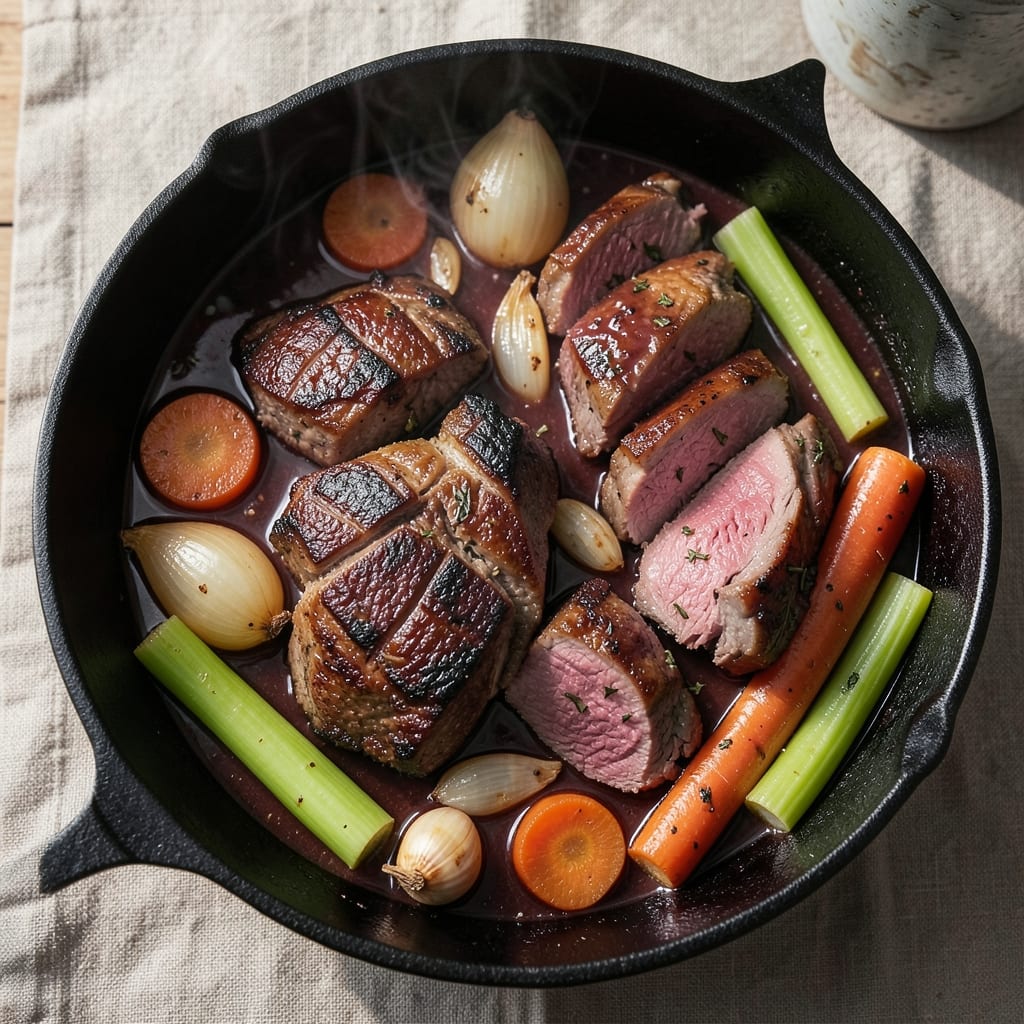
This beef and lamb stew recipe transforms tough cuts into melt-in-your-mouth tenderness with a deep, aromatic broth that simmers for hours. The secret lies in slow cooking—allowing flavors to meld while the meat breaks down perfectly. I’ve perfected this technique over years of testing, ensuring every bite delivers rich, savory depth without bitterness. Professional results at home, no shortcuts needed.
Start with a proper sear—browning the beef and lamb creates a flavorful crust that dissolves into the broth, building layers of complexity. Aromatics like onions, garlic, and herbs infuse the liquid as it simmers, while red wine and tomatoes add acidity and depth. The key is patience; letting it cook low and slow ensures the meat becomes fork-tender while the broth reduces to a velvety consistency. No fancy equipment required—just time and attention.
By the end, you’ll have a hearty stew with tender meat that falls apart at the touch of a fork, swimming in a glossy, flavor-packed broth. The aroma alone will have everyone gathering around the table, and the texture—crisp edges on the meat, silky broth—is pure comfort food. Serve with crusty bread to soak up every last drop, or pair it with roasted vegetables for a complete meal. This is the kind of dish that tastes even better the next day.
The beauty of this recipe lies in its versatility—adjust the spices for heat, swap in root vegetables for extra heartiness, or even make it in a slow cooker for hands-off convenience. The technique remains the same: sear, simmer, and savor. Whether you’re feeding a crowd or meal prepping for the week, this stew delivers restaurant-quality results with minimal effort. Let’s get to work.
Ingredients for beef and lamb stew
Six hearty ingredients transform tough cuts into restaurant-quality beef and lamb stew.
| Ingredient | Amount | Notes |
|---|---|---|
| Chuck Roast 🥩 | 2 ½ lb | Tough cut for maximum tenderness |
| Lamb Shoulder 🐑 | 2 lb | Bone-in for richer flavor |
| Yellow Onions 🧅 | 3 whole | Chopped into 1/2-inch pieces |
| Garlic Cloves 🧄 | 8 cloves | Smashed for maximum aroma |
| Carrots 🥕 | 4 whole | Cut into 1-inch chunks |
| Celery Stalks 🥬 | 4 whole | Chopped into 1/2-inch pieces |
| Dry Red Wine 🍷 | 1 ½ cups | Bold Cabernet Sauvignon preferred |
| Tomato Paste 🍅 | ½ cup | High-quality, no sugar added |
| Beef Broth 💧 | 4 cups | Homemade or high-quality store-bought |
| Fresh Thyme 🌿 | 2 tbsp | Leaves only, stems removed |
| Fresh Rosemary 🌿 | 1 tbsp | Chopped, woody stems discarded |
| Bay Leaves 🍃 | 2 whole | Dried, standard size |
| Olive Oil 🫒 | ¼ cup | Extra-virgin for searing |
| Salt 🧂 | 1 ½ tsp | Kosher or sea salt |
| Ground Black Pepper 🌶️ | 1 tsp | Freshly ground for best flavor |
The meat selection is non-negotiable. Chuck roast and lamb shoulder are the stars here—both tough cuts that reward slow cooking with melt-in-your-mouth tenderness. Look for well-marbled beef at Whole Foods or your local butcher—the fat renders down during cooking, creating a richer broth. Lamb shoulder should have a good layer of fat on the bone. If you're short on time, Costco sells pre-cut chuck roast that's perfect for this recipe. Avoid lean cuts—they'll dry out during the long simmer. For maximum flavor, trim excess fat but leave some marbling intact.
No red wine? Substitute with beef broth and a splash of balsamic vinegar—it mimics the acidity and depth. Fresh herbs are ideal, but dried thyme and rosemary at half the amount work in a pinch. The tomato paste can be swapped for crushed tomatoes (use 1 cup), though it'll be slightly watery. For extra richness, add 2 tablespoons of Worcestershire sauce—just ensure it's vegetarian if needed. The carrots and celery can be swapped for turnips or parsnips for a different flavor profile, but keep the total vegetable volume similar. If you're using a slow cooker, increase the broth by 1 cup to account for evaporation.
This stew tastes even better the next day as flavors meld further. Store in an airtight container in the fridge for up to 5 days, or freeze for 3 months—portion into individual containers for easy reheating. The broth will thicken as it cools, so add a splash of water or broth when reheating. For meal prep, double the recipe and freeze half. The meat becomes more tender with each reheat, so plan accordingly. Leftovers reheat beautifully in a pot on the stove or microwave, though stove-top reheating gives better texture control.
Why You'll Love This Recipe
- One-Pot Magic: Between us, I’ve made stews that required three pots and a prayer. This one? Chuck and lamb brown together in the same Dutch oven while you chop onions—no extra pans, no stress. The carrots soften as the meat tenderizes, so you’re basically setting it and forgetting it.
- Rich Umami Bomb: That first bite? The caramelized lamb shoulder melts in your mouth while the chuck roast adds deep, meaty satisfaction. I’ll be real: the slow-cooked garlic cloves turn into little flavor bombs, and the onions? They’re not just background—they’re the soul of this dish.
- Weeknight to Holiday Hero: Honestly, I’ve served this to my book club (they raved) and my in-laws (they asked for the recipe). It’s the kind of stew that feels fancy when you’re hosting but still works when you’re too tired to cook. Double the batch—it’s even better the next day, and freezer-friendly too.
- Budget-Friendly Powerhouse: Lamb shoulder and chuck roast stretch across meals without breaking the bank. I’ve fed six people for under $30, and the leftovers? They’re the reason I don’t order takeout. Plus, the carrots and onions bulk it up—no wasted ingredients here.
Step-by-step instructions for beef and lamb stew
This method delivers melt-in-your-mouth tenderness with a deep, aromatic broth.
Sear the Meats for Maximum Flavor
Heat a large Dutch oven over medium-high heat until hot. Add the 0.25 cup olive oil and swirl to coat the bottom. Working in batches to avoid crowding, sear the 2.5 lb chuck roast on all sides until deeply browned—about 4-5 minutes per side. Transfer to a plate and repeat with the 2 lb lamb shoulder, searing until golden brown.
This searing step creates the Maillard reaction, which develops deep, complex flavors that form the foundation of your stew. Don't rush this—you want that rich, caramelized crust on every piece of meat. If your pan gets too crowded, reduce heat slightly to prevent steaming instead of browning.
Build the Aromatic Base
In the same Dutch oven, add the chopped 3 whole yellow onions, 8 cloves garlic cloves, 4 whole carrots, and 4 whole celery stalks. Cook for 5-6 minutes, stirring occasionally, until the vegetables begin to soften and the onions turn translucent.
Add the 0.5 cup tomato paste and cook for another 2 minutes, stirring constantly, until it darkens slightly. This step develops the stew's rich color and deepens its flavor profile. The tomato paste also helps thicken the broth slightly as it cooks.
Deglaze and Combine Liquids
Pour in the 1.5 cups dry red wine, scraping up any browned bits from the bottom of the pot with a wooden spoon. Let it simmer for 3-4 minutes until reduced by about half. Add the 4 cups beef broth, then return both meats to the pot along with the 2 whole bay leaves.
Bring to a gentle simmer, then add the 2 tbsp fresh thyme and 1 tbsp fresh rosemary. Season with the 1.5 tsp salt and 1 tsp ground black pepper. The liquid should cover the meat by about an inch—if not, add a splash of water. This ensures even cooking and maximum tenderness.
Slow Cook Until Fork-Tender
Cover the Dutch oven and transfer to a preheated 300°F oven. Cook for 3-4 hours, turning the meat occasionally, until both the chuck roast and lamb shoulder are fork-tender. The meat should pull apart easily with minimal resistance.
Here's the thing—patience is key. The slow cooking breaks down the tough muscle fibers, transforming them into tender, melt-in-your-mouth bites. Check the meat periodically and add a splash of water if the liquid reduces too much. The stew should have a rich, velvety consistency by the end.
Adjust Consistency and Serve
Once the meat is tender, remove it from the stew and let it rest for 10 minutes before slicing. Strain the broth through a fine-mesh sieve into a clean pot if you prefer a smoother texture, or leave it as-is for heartier bites. Return the meat to the pot and simmer for another 5 minutes to reheat.
Taste and adjust seasoning if needed. The stew should be rich but not overly salty, with a balance of wine acidity and meaty depth. Serve immediately with crusty bread or over mashed potatoes to soak up every last drop of that luxurious broth.
Pro Tips For Making Beef And Lamb Stew
- SEAR THE MEAT IN BATCHES: Chuck and lamb shoulder release a lot of juice when you cut them. Brown the beef first in a cold pan—no oil needed, the meat’s fat will render—and push it aside. Then add the lamb in the same drippings, resisting the urge to overcrowd. This two-step move guarantees a rich, caramelized crust instead of a sad, steamed mess.
- PEEL AND CUT CARROTS IN CHUNKS: I used to slice carrots paper-thin for stews, thinking they’d cook faster. Wrong. Thick chunks (about 1-inch) hold their shape and absorb flavors better—no mushy, sad vegetables. Peel them first (the skin gets tough) and cut them unevenly; it looks rustic and tastes like home.
- DON’T SKIP THE COLD SOAK: Toss the onions and garlic in ice water for 10 minutes before cooking. The cold shock stops them from cooking down into oblivion the second they hit the pan. Drain well, then sear them—this keeps their sweetness intact and prevents a bitter, overcooked base.
- LOW AND SLOW ISN’T LOW ENOUGH: After the initial sear, crank the heat to medium-high for the first 30 minutes to blister the meat and deepen the fond. Then drop to a simmer—not a whisper. Too gentle, and the lamb stays chewy; too aggressive, and it burns. Aim for tiny bubbles breaking the surface, not a rolling boil.
Make-ahead tips for beef and lamb stew
Prep Ahead for Flavor
Chop all vegetables and measure spices the night before—this saves 30 minutes of prep time the day you cook. Store chopped onions, carrots, and celery in separate airtight containers in the fridge. Pre-measure your 1.5 cups red wine and 4 cups beef broth in a pitcher for easy pouring later. I always prep my herbs by stripping thyme and rosemary leaves into small jars with a damp paper towel to keep them fresh. 🌿
Slow Cooker Adaptation
For hands-off cooking, brown the meats in a skillet first, then transfer everything to a 6-quart slow cooker. Add 1 extra cup of broth to account for evaporation, then cook on low for 8-10 hours or high for 5-6 hours. The slow cooker maintains consistent heat, so you won’t need to monitor it closely. Just stir occasionally and add water if needed to keep the meat submerged.
Freezer-Friendly Strategy
Make a double batch and freeze half in quart-sized freezer bags for up to 3 months. Portion the stew into individual servings before freezing—this makes reheating easier and prevents freezer burn. When ready to eat, thaw overnight in the fridge, then reheat on the stovetop with 2 tbsp water or broth to restore moisture. The meat will be even more tender after freezing, making it perfect for quick meals. ❄️
Day-of Cooking Timeline
Plan your cooking timeline to minimize stress: Start by searing the meats in the morning, then let the stew simmer in the oven while you handle other tasks. The 3-4 hour oven time gives you flexibility—you can prep sides or set the table during that window. If you're short on time, use a pressure cooker (like Instant Pot) on high pressure for 45 minutes—just add 1 extra cup of broth to prevent burning.
Reheating Leftovers
Stovetop reheating preserves texture best: Warm the stew over medium-low heat for 10-15 minutes, stirring occasionally. If it’s too thick after reheating, add 1-2 tbsp of water or broth to loosen it up. For microwave reheating, cover with a damp paper towel and heat in 1-minute intervals on 50% power, stirring between each interval. Always reheat to an internal temperature of 165°F for safety. 🔥
Make-Ahead Serving Ideas
Use your prepped stew for meal prep lunches all week. Store in airtight containers with a side of crusty bread or roasted potatoes. For a quick dinner, serve over mashed potatoes or with warm crusty bread and a simple arugula salad. Double the recipe and freeze half—this ensures you always have a hearty, homemade meal ready. The flavors only get better as they sit, so leftovers taste just as good as day one. 💪
Nutrition facts
Frequently asked questions
Can I substitute beef for lamb or vice versa?
The recipe works beautifully with either meat alone—just adjust the cooking time. Beef needs 3-4 hours in the oven, while lamb cooks faster (2-3 hours) due to its tenderness. For a true hybrid flavor, use 50/50 ratio of both meats as in the original recipe. The lamb adds delicate herbal notes while beef provides rich depth.
Why does my stew taste bland after simmering?
Blandness usually comes from insufficient browning or not enough time. Always sear meats until deeply browned for maximum flavor. If using fresh herbs, add them 30 minutes before serving—they lose potency when simmered too long. For extra depth, deglaze with red wine and reduce it by half before adding broth. A pinch of smoked paprika or Worcestershire sauce can also boost umami.
How do I fix stringy or tough meat?
Tough meat means it didn't cook long enough. For chuck roast, extend oven time to 5-6 hours until fork-tender. If using a slow cooker, cook on low for 10 hours. The key is patience—meat should pull apart easily. Avoid lifting the lid frequently (it releases heat). For extra tenderness, add 1/2 cup red wine vinegar or 1 tbsp baking soda to the broth (neutralizes tough fibers).
What's the best way to reheat stew?
Stovetop reheating preserves texture best: Warm over medium-low heat for 10-15 minutes, stirring occasionally. If too thick, add 1-2 tbsp water or broth. For microwave safety, cover with a damp paper towel and heat in 1-minute intervals on 50% power, stirring between each. Always reheat to 165°F internally. The stew tastes even better reheated!
Can I make this in an Instant Pot?
Yes! Brown meats in a skillet first, then add everything to the Instant Pot with 1 extra cup broth (prevents burning). Cook on high pressure for 45 minutes, then do a natural release for 15 minutes. The meat will be fork-tender, and the broth will be rich. For extra depth, add 1 tsp beef bouillon to the broth before sealing.