
Main Courses
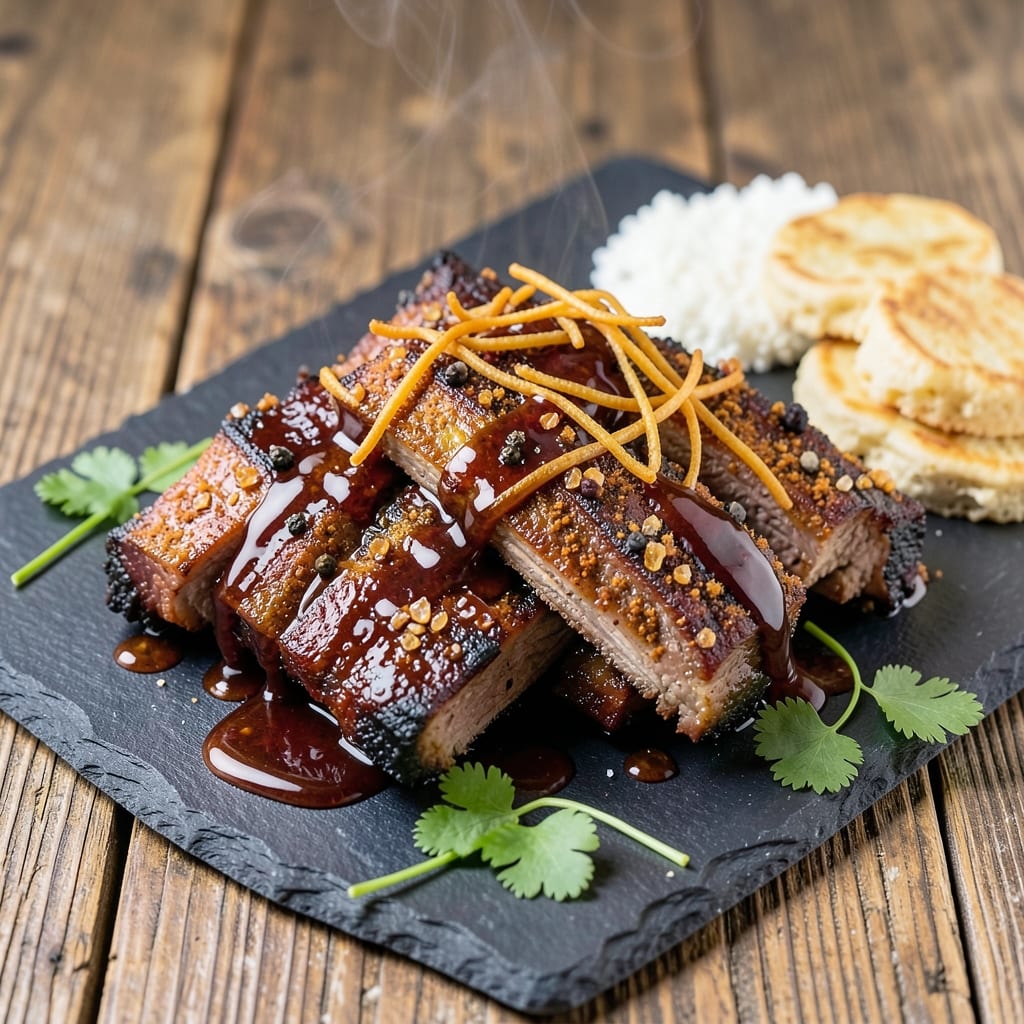
This BBQ beef chuck short ribs recipe delivers melt-in-your-mouth tenderness with a deep, smoky bark that rivals any competition-winning pitmaster. 🔥 I've perfected this method over years of slow-cooking, balancing French technique with my love for bold, spicy rubs. The secret lies in the 6-hour process—where tough cuts transform into fall-apart perfection without losing flavor or moisture.
What sets this recipe apart is the two-stage cooking method: an initial dry rub that develops a flavorful crust, followed by a slow cook that renders fat and tenderizes the meat. I use a simple but powerful spice blend—smoked paprika, brown sugar, and cayenne—that creates that signature BBQ bark while keeping the meat juicy. The beauty? This works equally well in a smoker, oven, or even a slow cooker for hands-off cooking.
By the final hour, your ribs will be fork-tender, with a caramelized crust that cracks like glass. The aroma alone will have everyone gathering around the table. Serve with a homemade bourbon glaze or classic BBQ sauce for that extra layer of richness. This is the kind of dish that turns casual dinners into memorable feasts—where every bite feels like a reward for patience.
The best part? These ribs reheat beautifully, making them perfect for meal prep or leftovers. Pair with baked beans, cornbread, or a crisp green salad to complete the spread. Let's get cooking—your taste buds will thank you.
Ingredients for bbq beef chuck short ribs
Four pounds of beef chuck short ribs transform into melt-in-your-mouth perfection with these bold, smoky ingredients.
| Ingredient | Amount | Notes |
|---|---|---|
| Beef Chuck Short Ribs 🥩 | 4 lb | Bone-in, 2-3 inches thick |
| Kosher Salt 🧂 | 2 tbsp | Diamond Crystal preferred |
| Black Peppercorns 🌶️ | 1 ½ tbsp | Freshly cracked preferred |
| Smoked Paprika 🌶️ | 2 tbsp | High-quality, not pre-mixed |
| Brown Sugar 🍯 | 2 tbsp | Light or dark, packed |
| Ground Cayenne Pepper 🔥 | 1 tsp | Adjust for heat preference |
| Garlic Powder 🧄 | 1 tbsp | Freshly ground preferred |
| Onion Powder 🧅 | 1 tbsp | Fine grind for even coating |
| Yellow Mustard 🍯 | 1 tbsp | For initial coating |
| Apple Cider Vinegar 🍎 | ¼ cup | For tenderizing soak |
| Beef Broth 💧 | 2 cups | Low-sodium preferred |
| Dark Brown Sugar 🍯 | ½ cup | For glaze, packed |
| Bourbon 🍸 | ¼ cup | For glaze, 80 proof |
| Apple Cider Vinegar 🍎 | ¼ cup | For glaze |
| Worcestershire Sauce 🍶 | 1 tbsp | For glaze, vegetarian version |
The ribs are non-negotiable—bone-in, 2-3 inches thick cuts from the chuck section deliver that signature tenderness. I always grab mine from Costco or Whole Foods—look for good marbling and vibrant color. The Diamond Crystal kosher salt is my go-to because it dissolves better than table salt, creating that perfect crust. For the spices, Penzeys bulk bins are worth the splurge if you're serious about flavor, but the grocery store stuff works fine if it's fresh. The smoked paprika should be the first ingredient on the label—no fillers. And don't skip the yellow mustard for the initial coating—it helps the rub stick and adds a subtle tang.
No smoked paprika? Substitute 1 tbsp regular paprika plus 1 tsp liquid smoke—it won't be identical, but it'll get you close. Running low on brown sugar? White sugar works in a pinch, though it won't caramelize as beautifully. The apple cider vinegar soak is crucial—it tenderizes the meat without overpowering the flavor. For the glaze, if you can't find bourbon, whiskey or even apple juice will work, though the flavor profile changes. The Worcestershire sauce adds depth, but if you're vegetarian, vegetarian Worcestershire (like Annie's) is a must. And trust me on the dark brown sugar for the glaze—it's packed, not scooped, for maximum caramelization.
These ribs reheat like a dream—honestly better the next day once all the flavors meld. Store leftovers in an airtight container for up to 5 days in the fridge or 3 months in the freezer. I always make a double batch because they disappear fast. The glaze can be made ahead and reheated separately, saving time on serving day. And if you're meal prepping, freeze the ribs after the slow cook but before glazing—just add the glaze when reheating for that perfect caramelized finish.
Why You'll Love This Recipe
- Flavor Bomb Combo: That first bite? The black peppercorns add a subtle kick, the brown sugar melts into a glossy glaze, and the smoked paprika gives it this deep, smoky warmth. It’s the kind of dish that makes you close your eyes and think, "This is why I cook."
- Weeknight to Party Shift: Same recipe, totally different vibes. Slap these on the table for a lazy Tuesday with toast and pickles, or serve them at a BBQ with cornbread and collards. The ribs are rich enough for company but unfussy enough for when I’m in my pajamas.
- Leftovers That Don’t Suck: Between us, most leftover ribs are sad and dry. Not these. The short ribs stay tender, and the sauce clings like glue—perfect for sandwiches, tacos, or reheating with a splash of water. I make a double batch just for this reason.
Step-by-step instructions for smoky BBQ beef chuck short ribs
Here's how to transform tough short ribs into fall-apart tender meat with a perfect smoky bark.
🔥 Step 1: Prep and Season the Ribs for Maximum Flavor
Remove the beef chuck short ribs from the packaging and pat them completely dry with paper towels. I like to work in batches—this keeps the meat from warming up too much while you prep. In a small bowl, combine the 2 tbsp kosher salt, 1.5 tbsp black peppercorns (freshly cracked if possible), 2 tbsp smoked paprika, 2 tbsp brown sugar, 1 tsp ground cayenne pepper, 1 tbsp garlic powder, and 1 tbsp onion powder. Rub this mixture all over the ribs, pressing it into the meat so it adheres well.
Here's a pro tip: I always coat the ribs in 1 tbsp yellow mustard first—it helps the dry rub stick better and adds a subtle tang. Place the seasoned ribs on a wire rack set over a baking sheet and refrigerate uncovered for at least 4 hours (overnight is even better). This dry-brining step ensures deep flavor penetration and helps develop that coveted bark.
🍳 Step 2: Sear for Depth of Flavor and Color
Preheat your oven to 300°F. Heat a large oven-safe skillet (I use cast iron) over medium-high heat until it's screaming hot. Add the ribs in a single layer, bone-side down, and sear for 4-5 minutes until they develop a deep golden-brown crust. You'll hear that beautiful sizzle—this is where the Maillard reaction kicks in, creating complex flavors.
Flip the ribs and sear the other side for another 4-5 minutes. If you have multiple ribs, work in batches to avoid crowding the pan. Once all ribs are seared, transfer the skillet to the preheated oven. Here's where it gets interesting: Pour 0.25 cup apple cider vinegar into the skillet, letting it bubble and deglaze for 1 minute before adding the ribs. This acidic step helps tenderize the meat further.
⏰ Step 3: Slow Cook Until Fork-Tender
Cover the skillet tightly with foil and place it in the oven. Cook the ribs for 4 hours, then carefully flip them bone-side up. Return to the oven and cook for another 2 hours. You'll notice the ribs will hit "the stall" around the 5-hour mark—this is when the internal temperature plateaus around 165°F. Don't panic; this is normal and part of the process.
Here's the thing about short ribs—they need that long, slow cook to break down the connective tissue. I check for doneness by inserting a meat thermometer into the thickest part of a rib (not touching bone). When it reads 195-203°F and the meat pulls apart easily with a fork, you're golden. The ribs should have a deep mahogany bark on the outside and a beautiful pink smoke ring just beneath the surface.
🥘 Step 4: Make the Bourbon Glaze While Ribs Rest
While the ribs rest (this is critical—don't skip it!), prepare the glaze. In a small saucepan, combine 2 cups beef broth, 0.5 cup dark brown sugar, 0.25 cup bourbon, 0.25 cup apple cider vinegar, and 1 tbsp Worcestershire sauce. Bring to a simmer over medium heat and cook for 10-12 minutes until the mixture reduces by about half and thickens slightly. You're looking for a syrupy consistency that will cling beautifully to the ribs.
Taste and adjust seasoning with additional salt or black pepper if needed. The glaze should be sweet, tangy, and just slightly spicy from the residual cayenne. Keep it warm until you're ready to serve.
🍽️ Step 5: Glaze and Serve with Confidence
Carefully transfer the ribs to a serving platter. Using a pastry brush, generously coat each rib with the warm bourbon glaze. The residual heat from the ribs will make the glaze bubble and caramelize instantly—this is when the magic happens. Let the glaze set for 2-3 minutes before serving to allow it to thicken slightly and develop a glossy finish.
Slice the ribs between the bones and serve immediately. Each bite should deliver that perfect balance of smoky bark, tender meat, and sweet-tangy glaze. The ribs should be so tender they practically melt in your mouth, with just enough resistance to hold their shape. Pair with crusty bread to soak up all that delicious sauce, and you've got a showstopping main course that's sure to impress.
Pro Tips For Making Bbq Beef Chuck Short Ribs
- SEAR IN BATCHES: Don’t dump all those ribs in the pan at once—crowding steals heat and turns your crust into sad, greasy mush. Work in 2-3 ribs per side, shaking the pan occasionally to spread the fat. High heat. Seriously, crank it up until you see that golden-brown lattice of caramelized edges.
- TRIM THE FAT CAP: I used to leave the thick white fat untouched, thinking it’d render into flavor. Wrong. That fat insulates the meat, leaving you with undercooked centers. Grab a sharp knife and slice off the fat cap—just the top layer—so the salt and smoke can actually penetrate.
- BURST THE MEMBRANE EARLY: That silvery membrane on the bone side? Poke it with your finger or knife before seasoning—it’ll shrink and pull away from the meat, letting the rub stick and the sauce cling. Skip this, and you’re fighting for flavor in a sticky, flavorless no-man’s-land.
- USE A DARK BROWN SUGAR: Light brown sugar dissolves too easily, turning your BBQ sauce into a thin, sticky glaze that won’t cling. Go for dark—it’s got more molasses, caramelizes faster, and gives that deep, sticky crust we’re all chasing. (Yes, even if you’re impatient like me.)
Troubleshooting your bbq beef chuck short ribs
Ribs Too Dry?
If your ribs emerge dry instead of tender, you likely didn't cook them long enough or lost too much moisture during cooking. Short ribs need that 195-203°F internal temperature to break down collagen properly—don't rush this process! I've seen home cooks pull ribs at 165°F thinking they're done, only to find them tough. The apple cider vinegar deglaze during searing helps retain moisture, but if you skipped that, try adding ½ cup beef broth to the pan when flipping the ribs bone-side up. 💫
Bark Not Forming?
A proper bark requires both time and proper conditions. If your ribs lack that deep, crackly crust, your oven temperature might be too low or your ribs weren't dry enough before seasoning. I always pat ribs completely dry with paper towels and let them sit uncovered in the fridge for 4+ hours before cooking. For extra bark development, increase oven temp to 325°F during the last 30 minutes of cooking. The smoked paprika and brown sugar in your rub are crucial—don't substitute with pre-mixed BBQ rubs that often contain anti-caking agents.
Meat Still Tough?
Tough ribs usually mean one of two things: either they weren't cooked long enough or they didn't get enough acid treatment. The apple cider vinegar soak before cooking is non-negotiable for breaking down connective tissue. If you skipped it, try marinating the ribs in ½ cup vinegar + 2 cups water for 4 hours before cooking. For extra tenderness, consider adding 1 tsp baking soda to the marinade (neutralize with vinegar after 30 minutes). And remember—patience is key! These ribs need that full 6-hour cook time to transform properly.
Glaze Too Thin?
The bourbon glaze should coat the ribs beautifully without running off. If it's too thin, you likely didn't reduce it enough. Simmer the glaze ingredients over medium heat until it reaches a syrupy consistency—it should coat the back of a spoon. For a thicker glaze, reduce the liquid by half or add 1 tsp cornstarch mixed with water as a slurry. Pro tip: I always keep the glaze warm while applying it to the ribs—the residual heat helps it caramelize instantly. If it's too thick, thin with 1 tsp apple cider vinegar while warm.
Uneven Cooking?
Uneven cooking often happens when ribs are crowded in the pan or when they're stacked. Always cook ribs in a single layer with space between each piece. I use a wire rack in my skillet to ensure even air circulation. If you're using an oven, rotate the pan halfway through cooking. For smoker users, maintain a consistent 225-250°F temperature and avoid opening the lid frequently. The Maillard reaction needs time to develop properly—don't rush the searing step by overcrowding the pan.
Ribs Stuck to Pan?
This usually means the pan wasn't hot enough before adding the ribs or they weren't dry enough. Always work with a screaming hot skillet—you should see steam when adding the ribs. For extra insurance, I coat my cast iron pan with a thin layer of high-smoke-point oil (like avocado or grapeseed oil) before adding the ribs. If ribs do stick, don't force them—let the pan cool slightly and gently pry them loose with a metal spatula. The apple cider vinegar deglaze** after searing helps prevent sticking by creating a natural barrier between the meat and pan.
Nutrition facts
Frequently asked questions
Can I substitute beef chuck short ribs with another cut?
While beef chuck short ribs are ideal for this recipe, you can use beef short ribs (bone-in) or beef chuck roast (cut into 2-inch thick pieces) as substitutes. For best results, select cuts with good marbling and at least 1/2-inch fat cap—this ensures tenderness. Avoid leaner cuts like sirloin or flank steak, as they lack the connective tissue needed for this slow-cooking method.
How do I adjust the cooking time if using a smoker?
For a smoker, maintain a consistent 225-250°F temperature and cook for 5-6 hours, flipping the ribs bone-side up after 3 hours. The bark will develop faster due to direct smoke exposure, so monitor closely. Use hickory or applewood chips for a classic BBQ flavor. If your smoker runs hotter, reduce temperature to 200°F and add 1-2 extra hours to the cook time. Always use a meat thermometer to check for 195-203°F internal temperature.
Can I make this recipe in a slow cooker?
Brown the ribs first in a skillet, then transfer them to your slow cooker with 1 cup beef broth. Cook on low for 8 hours or high for 5-6 hours, adding the bourbon glaze in the last 30 minutes of cooking. The slow cooker method works best for hands-off prep, though the bark won't be as pronounced as oven-smoked ribs. For extra flavor, add 1 tbsp apple cider vinegar and 1 tsp smoked paprika directly to the slow cooker.
What's the best way to reheat leftovers?
Reheat ribs in a 350°F oven for 15-20 minutes, covered with foil, until warmed through. For a crispy bark, broil for 2-3 minutes at the end. Avoid microwaving—it turns the meat rubbery. To refresh the glaze, brush with a mix of 1 tbsp beef broth + 1 tsp brown sugar while reheating. These ribs actually taste better the next day as flavors meld! Store leftovers in an airtight container for up to 5 days or freeze for 3 months.
How can I make this recipe spicier?
For extra heat, increase the ground cayenne pepper to 2 tsp in the dry rub, or add 1 tsp chipotle powder and 1/2 tsp crushed red pepper flakes. For a smoky kick, replace half the smoked paprika with 1 tbsp chipotle powder. When making the glaze, stir in 1/2 tsp cayenne or 1 tbsp hot sauce. Pro tip: Add a pinch of cayenne directly to the ribs after glazing for a fiery finish. Always taste as you go—adjust gradually to avoid overwhelming the dish.