
Soups & Stews
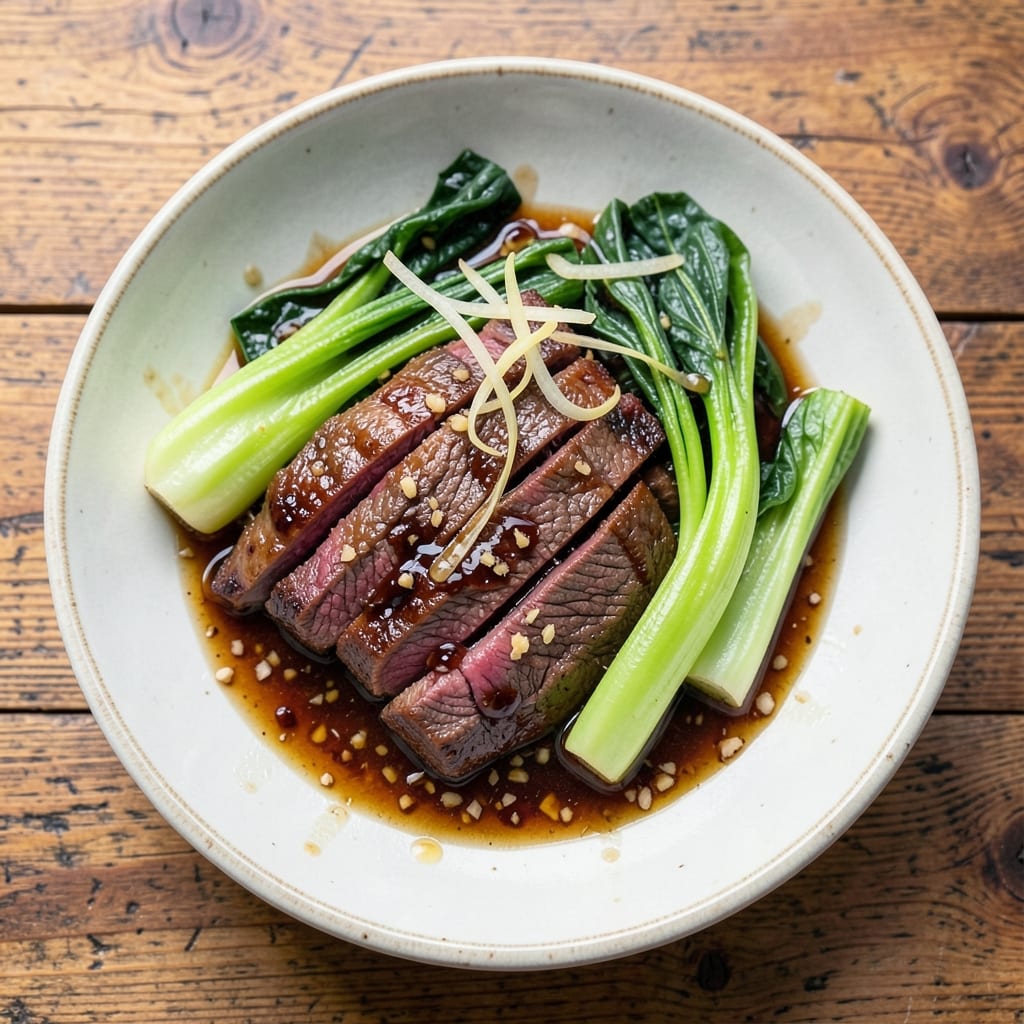
This beef and greens Chinese recipe delivers the perfect balance of wok-hei crispy beef and silky bok choy—a dish that captures the essence of Cantonese home cooking. The secret lies in high-heat stir-frying, which creates that signature smoky aroma and caramelized crust on the beef while keeping the greens vibrant and tender. I've perfected this technique over years of testing, ensuring every bite delivers that restaurant-quality texture and flavor.
What sets this recipe apart is the harmony of ingredients: tender beef strips marinated in a savory-sweet sauce, crisp-tender bok choy, and aromatic garlic and ginger that form the flavor base. The dish is quick to prepare—ready in under 30 minutes—but feels like a special occasion meal. The key is using a well-seasoned wok or cast-iron skillet to achieve that coveted wok hei, or "breath of the wok," which transforms simple ingredients into something extraordinary.
By the time you serve this dish, you'll have crispy-edged beef with a tender interior, paired with bright green bok choy that's just wilted enough to maintain its crunch. The sauce clings to every bite, offering a perfect balance of umami, sweetness, and a hint of spice. This is the kind of dish that pairs beautifully with steamed rice, making it a complete and satisfying meal.
Whether you're cooking for family or hosting dinner guests, this recipe scales effortlessly while maintaining its authenticity. The techniques here are approachable yet professional, ensuring you achieve restaurant-quality results at home. Let's get started on creating this flavorful, texturally perfect dish.
Ingredients for beef and greens chinese
Wok-hei magic starts with these 13 ingredients—crispy beef meets silky greens in perfect harmony.
| Ingredient | Amount | Notes |
|---|---|---|
| Flank Steak 🥩 | 1 lb | Cut into 1/4-inch strips |
| Bok Choy 🥬 | 1 bunch | Baby or regular, cut into wedges |
| Garlic Cloves 🧄 | 4 cloves | Minced for marinade |
| Fresh Ginger 🌿 | 2 tbsp | Finely grated, not powdered |
| Soy Sauce 🍶 | ½ cup | High-quality, light or dark |
| Oyster Sauce 🍜 | 2 tbsp | For umami depth |
| Honey 🍯 | 1 tbsp | Pure, for balance |
| Sesame Oil 🫒 | 1 tbsp | Toasted, for aroma |
| Neutral Oil 🫒 | 2 tbsp | High smoke point (avocado or peanut) |
| Cornstarch 🌾 | 1 tbsp | For crispy coating |
| Sesame Seeds 🌱 | 1 tbsp | Toasted, for garnish |
| Salt 🧂 | ½ tsp | Kosher, for seasoning |
| Black Pepper 🌶️ | ¼ tsp | Freshly ground |
The flank steak is non-negotiable for that signature wok-hei texture. Look for marbled cuts at Whole Foods or your local Asian market—they'll have the best quality. If you can't find flank, sirloin works too but slice it thinner. For the bok choy, avoid wilted bunches—firm, crisp stalks are key. Trader Joe's carries pre-washed baby bok choy that's perfect for this. Fresh ginger and garlic need to be vibrant—if your ginger smells musty, toss it. The oyster sauce? Lee Kum Kee is the gold standard, but any good brand works. Toast your sesame seeds in a dry pan for 30 seconds—they'll add insane flavor when sprinkled on top.
No oyster sauce? Substitute with 1 tbsp fish sauce plus 1 tsp sugar. Running low on honey? Maple syrup works 1:1. Sesame oil missing? Toasted peanut oil at half the amount gives similar depth. The cornstarch is crucial for that crispy crust—don't skip it. For the beef marinade, mix everything together and let it sit for at least 20 minutes (overnight is even better). If your steak is extra lean, add 1 tsp of vegetable oil to the marinade to help with browning. The bok choy should be cut into even-sized wedges so it cooks uniformly—no one wants mushy stems.
Marinated beef keeps 2-3 days in the fridge, but use it fresh for best texture. Bok choy stays crisp for 3 days if wrapped in damp paper towels. The sauce components (soy, oyster, honey) last 6 months in the pantry. For leftovers, store everything separately—beef reheats best in a skillet with a splash of water, while bok choy is better eaten fresh. This dish tastes even better the next day as flavors meld, so make extra—it's perfect for meal prep. Freeze beef portions for up to 3 months if you're planning ahead.
Why You'll Love This Recipe
- One-Pan Magic: I swear by this—just sear the flank steak, toss in the bok choy and garlic, and let the ginger-soy glaze do its thing. No chopping boards to scrub, no extra pots to wash.
- Umami Bomb: That first bite of tender beef with the crisp-tender bok choy? The garlic and ginger sing loud, but it’s the soy sauce that ties everything together—deep, savory, and impossible to stop at one bowl.
- Lunchbox Hero: Between us, this is my go-to for work lunches. The flavors hold up all day (yes, even reheated), and it’s the only dish my picky-eating teen won’t complain about packing.
- Budget Steak Night: Flank steak is affordable, and a single cut feeds four. The greens stretch further than you’d think, and the leftovers? Better than takeout. Honestly, I make this when I’m broke—and when I’m not.
Step-by-step instructions for wok-hei crispy beef with silky bok choy
Master the art of wok-hei—here's how to achieve that signature smoky, crispy beef with tender bok choy.
Marinate and Prep the Flank Steak
Slice the 1 lb flank steak into ¼-inch strips against the grain for maximum tenderness. In a bowl, combine the 4 cloves minced garlic cloves, 2 tbsp finely grated fresh ginger, ½ cup soy sauce, 2 tbsp oyster sauce, 1 tbsp honey, and ½ tsp salt. Mix well until the marinade coats all surfaces.
Add the steak strips to the marinade and toss to ensure even coating. Cover and refrigerate for at least 30 minutes (I prefer 2 hours for deeper flavor penetration). The longer it marinates, the more tender and flavorful the beef becomes. Don't skip this step—it's what transforms tough flank steak into melt-in-your-mouth perfection.
Create the Crispy Cornstarch Coating
Transfer the marinated steak to a clean bowl. In a small dish, whisk together 1 tbsp cornstarch with ¼ tsp black pepper. Toss the steak strips in this mixture until they're fully and evenly coated. This creates that signature wok-hei crispiness that makes this dish so irresistible.
Let the coated steak sit for 10 minutes at room temperature. This resting period helps the cornstarch adhere better and prevents the coating from falling off during cooking. The steak should look dry and uniformly dusted with cornstarch—this is your secret weapon for that perfect crunch.
Cook the Beef to Crispy Perfection
Heat a wok or large skillet over high heat until it's smoking hot. Add 2 tbsp neutral oil and swirl to coat the bottom evenly. Working in batches (don't overcrowd!), add the steak strips and cook undisturbed for 1-2 minutes until they develop a deep golden-brown crust. This is where the magic happens—those crispy edges are what give this dish its signature wok-hei flavor.
Stir the beef and cook for another 1-2 minutes until fully cooked through. The internal temperature should reach 145°F. Remove the beef from the wok and set aside, keeping it warm. The residual heat will continue cooking the beef slightly, so don't worry if it's not perfectly done immediately. If you have any leftover marinade in the wok, scrape it up with a spatula—those flavorful bits are pure gold.
Stir-Fry the Silky Bok Choy
Add another 1 tbsp neutral oil to the wok and heat over medium-high heat. Add the 1 bunch bok choy wedges and stir-fry for 2-3 minutes until just tender but still vibrant green. The bok choy should retain its crisp texture—overcooking turns it mushy, and we want that perfect al dente bite.
Pour in 1 tbsp sesame oil and toss the bok choy until it's evenly coated. Remove from heat and set aside. The sesame oil adds that nutty aroma that's essential to authentic Chinese flavors. If you're worried about the heat, don't be—sesame oil has a high smoke point when fresh, and we're using it at the end of cooking.
Combine and Garnish for Maximum Impact
Return the cooked beef to the wok with the bok choy. Add any remaining marinade from the bottom of the pan and toss everything together until well combined. The beef should be coated in that beautiful glossy sauce with crispy edges still intact. Taste and adjust seasoning if needed—you might want to add a splash more soy sauce for saltiness or a touch of honey for sweetness.
Garnish with 1 tbsp toasted sesame seeds and serve immediately while everything is hot and crispy. The contrast of the crispy beef with the silky bok choy is what makes this dish so special. Serve with steamed jasmine rice to soak up all those delicious sauces. This dish tastes even better the next day when the flavors have had time to meld together!
Pro Tips For Making Beef And Greens Chinese
- SEAR THE STEAK FIRST: Get that pan screaming hot—flank steak needs a deep, caramelized crust before you even think about adding greens. I used to rush this, and the beef ended up tough; now I wait until the oil shimmers like it’s about to catch fire before slicing the steak thinly against the grain. (Yes, even if you’re impatient like me.)
- SLICE GINGER THIN: Skip the lazy chopping—this isn’t stir-fry, it’s flavor infusion. Use a mandoline or a sharp knife to slice the ginger paper-thin (almost translucent) so it dissolves into the sauce instead of sitting as chunks. My grandmother swore by this, and she was right: it makes the whole dish sing.
- DON’T OVERCROWD THE PAN: Bok choy wilts faster than you can blink, and if you dump it all in at once, you’ll end up with sad, steamed greens instead of crisp-tender ones. Work in batches—start with half the greens, let them blister for 30 seconds, then add the rest. (Your future self will thank you.)
- USE LESS SOY SAUCE: I was skeptical until I tried it: cut the soy sauce by half and add a splash of rice vinegar or a pinch of sugar instead. The dish tastes brighter, less salty, and the beef’s natural flavor shines through. Trust me, the balance is everything—especially with flank steak, which can get overpowered.
Flavor customization for these flavors
Spicy Sichuan Kick
Transform this dish into a fiery Sichuan-style version by adding 1 tbsp chili bean paste (like Lao Gan Ma) and 1 tsp Sichuan peppercorns (toasted and ground) to the marinade. The peppercorns add a tingling numbing sensation that pairs perfectly with the beef's crispy texture. For extra heat, toss in ½ tsp doubanjiang (fermented chili bean paste) when combining the beef and bok choy. Garnish with chopped scallions and a drizzle of chili oil for maximum Sichuan drama. 🌶️
Sweet and Tangy Glaze
Give your beef a glossy, sweet-tangy finish by adding 1 tbsp rice vinegar and 1 tsp sugar to the marinade. For an extra layer of depth, reduce 2 tbsp soy sauce, 1 tbsp honey, and 1 tsp grated ginger in a small saucepan until syrupy (about 3 minutes on medium heat). Toss the cooked beef in this glaze before combining with the bok choy. The caramelized edges will be irresistible. 🍯
Umami Bomb Boost
For an extra umami punch, stir 1 tbsp miso paste (white or red) into the marinade or add 1 tsp fish sauce when combining the beef and bok choy. If you love mushrooms, sauté ¼ cup shiitake mushrooms (sliced) with the bok choy to add earthy depth. For a vegetarian-friendly twist, replace the beef with extra-firm tofu (pressed, cubed, and pan-fried) while keeping all other flavors intact. 🍄
Herbaceous Freshness
Brighten up the dish with fresh herbs like cilantro or Thai basil. Toss ¼ cup chopped cilantro into the bok choy while stir-frying, or garnish the finished dish with Thai basil leaves for a fragrant, slightly peppery note. For a citrusy twist, add 1 tsp zested lime peel to the marinade and finish with a squeeze of fresh lime juice before serving. The acidity cuts through the richness beautifully. 🍋
Smoky BBQ Fusion
Blend Chinese and American flavors by adding 1 tbsp BBQ sauce (like Sweet Baby Ray's) to the marinade. For a smoky depth, finish the dish with a sprinkle of smoked paprika and a drizzle of chipotle-infused oil. This fusion version works surprisingly well and adds a fun, unexpected twist. Serve with pickled jalapeños on the side for extra heat and tang. 🔥
Vegetarian Bok Choy Feast
Skip the beef entirely and make this a vegetarian showstopper by using shiitake mushrooms or king oyster mushrooms as the protein base. Slice 8 oz mushrooms into strips and marinate them in the same sauce (reduce marinade time to 15 minutes since mushrooms absorb flavors quickly). Stir-fry until golden and crispy, then combine with the bok choy as usual. The umami from the mushrooms makes this dish just as satisfying. 🌱
Nutrition facts
Frequently asked questions
Can I use other greens besides bok choy in this recipe?
While baby bok choy is traditional, you can use spinach, baby kale, or napa cabbage for a different texture. For heartier greens like spinach, add them to the wok just 30 seconds before serving to prevent wilting. If using napa cabbage, slice it thinly and cook for 2 minutes until tender-crisp.
What's the best way to achieve wok hei without a wok?
A heavy-bottomed cast-iron skillet or carbon steel pan works perfectly! Heat it until smoking hot and use high heat throughout cooking. For extra wok hei, add ½ tsp smoked salt or a pinch of charcoal powder (available at Asian markets) to the oil before cooking. The key is keeping the heat intense and working quickly.
How do I make this dish less salty?
Reduce the soy sauce to ¼ cup and replace the difference with ¼ cup water or beef broth. For extra flavor without salt, add 1 tsp fish sauce or ½ tsp monosodium glutamate (MSG) to the marinade. The oyster sauce already provides plenty of umami, so you won't sacrifice depth by cutting back on soy sauce.
Can I prepare this recipe ahead of time?
Yes! Marinate the beef overnight for maximum tenderness. For make-ahead meals, cook the beef and bok choy separately, then reheat in a skillet with 1 tsp oil over medium heat for 2-3 minutes. Store components separately in airtight containers for up to 3 days in the fridge. The beef reheats best when crisped again in the pan.
What's the difference between this and beef with broccoli?
This recipe focuses on wok-hei technique and crispy beef, while beef with broccoli typically uses a thicker sauce and steamed broccoli. The flavor profile here is more balanced with sweet-savory notes from honey and oyster sauce, whereas beef with broccoli often has a richer, more complex sauce. The texture contrast is also different—this dish highlights crispy beef with silky greens.