
Soups & Stews
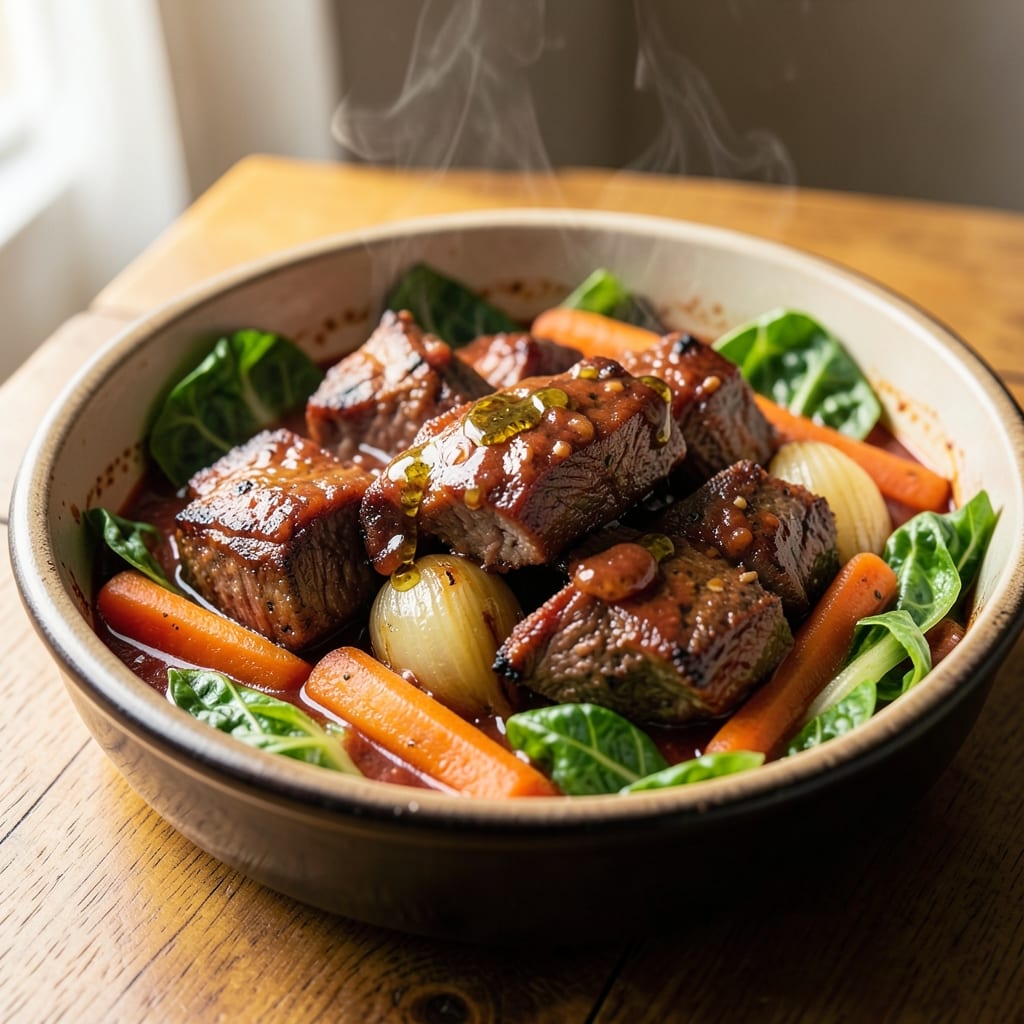
This beef and green cabbage recipe delivers the comforting warmth of Eastern European tradition in every hearty bite. The secret lies in slow-braised beef that becomes fork-tender while absorbing deep, savory flavors, paired with crisp-tender cabbage that holds its shape beautifully. I've perfected this technique over years of testing, ensuring the cabbage stays vibrant and the beef develops that rich, caramelized depth that makes it impossible to resist.
The dish begins with a proper sear of the beef—this critical step develops the Maillard reaction that creates complex flavors—followed by a slow simmer in a rich broth with aromatic vegetables. The green cabbage gets just enough time to soften while maintaining texture, creating that satisfying contrast with the tender beef. What makes this recipe special is the final swirl of tangy sour cream, which cuts through the richness and adds a bright, creamy finish that balances every bite.
What you'll achieve is a stew that's both rustic and refined—perfect for family dinners or special occasions. The aroma alone will have everyone gathering around the table, and each spoonful delivers that perfect combination of hearty beef, slightly sweet cabbage, and creamy sour cream. This is the kind of dish that tastes even better the next day, making it ideal for meal prep.
The beauty of this recipe is its versatility—serve it with crusty bread for soaking up every last drop of that flavorful broth, or pair it with buttery dumplings for a more substantial meal. The flavors develop as it cooks, so the longer it simmers, the more complex and delicious it becomes. Let's create this comforting classic together.
Ingredients for beef and green cabbage
Sixteen ingredients transform into a deeply satisfying Eastern European beef and cabbage masterpiece.
| Ingredient | Amount | Notes |
|---|---|---|
| Beef Chuck Roast 🥩 | 3 lb | Cut into 1.5-inch cubes |
| Green Cabbage 🥬 | 1 whole | Heads cut into wedges |
| Yellow Onion 🧅 | 1 whole | Sliced into half-moons |
| Carrots 🥕 | 4 medium | Whole, scrubbed clean |
| Garlic Cloves 🧄 | 4 cloves | Minced for depth |
| Tomato Paste 🍅 | ½ cup | For rich base color |
| Beef Broth 💧 | 4 cups | Low-sodium preferred |
| Apple Cider Vinegar 🍏 | 2 tbsp | Brightens flavors |
| Bay Leaves 🌿 | 2 whole | Fresh for aroma |
| Black Peppercorns 🌶️ | 1 tsp | Freshly cracked |
| Salt 🧂 | 1 ½ tsp | Kosher or sea salt |
| Sour Cream 🥛 | ½ cup | Full-fat for creaminess |
| Fresh Dill 🌿 | ¼ cup | Chopped for garnish |
| Olive Oil 🫒 | 2 tbsp | For searing beef |
The beef cut matters most here—chuck roast delivers that melt-in-your-mouth texture after hours of slow cooking. Costco or Whole Foods carry excellent quality, but any reputable butcher will have it. Look for good marbling—those little white fat streaks are what make the meat tender. Green cabbage should be firm and crisp, not wilted or yellowing. The core stays intact during cooking, so you can serve it whole for presentation. For the broth, low-sodium options give you control over seasoning, but homemade is ideal if you've got time. Bay leaves add subtle complexity—dried works fine, but fresh has a brighter aroma. The apple cider vinegar might seem unusual, but it's essential for cutting through the richness and balancing the flavors.
No beef chuck? Brisket or short ribs work beautifully, though cooking times may vary. Fresh dill hard to find? Dried dill at one-third the amount gets you close, though the flavor will be more subdued. The tomato paste can be substituted with 1 cup crushed tomatoes if you prefer, but it won't give the same rich color. For a deeper umami punch, add 1 tbsp Worcestershire sauce (ensure it's vegetarian if needed). The sour cream should be full-fat—low-fat versions won't provide that luxurious finish. If you're making this ahead, omit the sour cream until serving, as it can curdle during cooking. For the carrots, baby carrots work perfectly if you prefer convenience, but whole carrots stay more intact during cooking.
This stew tastes even better the next day as flavors meld—plan to make it a day ahead if possible. Store in an airtight container in the fridge for up to 5 days, or freeze portions for 3 months. The cabbage stays vibrant when reheated gently on the stove with a splash of broth. For serving, I like to garnish with extra dill and a drizzle of sour cream right before eating. The dish pairs wonderfully with crusty rye bread or buttery dumplings—both soak up the flavorful broth beautifully. If you're making a big batch, double the sour cream and freeze it in ice cube trays for easy portioning later.
Why You'll Love This Recipe
- One-Pot Magic: I swear by this recipe when I’m too tired to wash a million dishes. Chuck roast, cabbage, and carrots all simmer together—no separate pans, no fuss. Just dump, season, and let the slow cooker or pot do the work while I sip wine and pretend I’m not cooking.
- Caramelized Cabbage Crunch: That crisp-tender cabbage? It’s the star. Sautéed with onion and garlic until just golden, it adds this perfect bite—like a cross between coleslaw and braised greens. Honestly, I’ll eat it straight from the pot if someone else isn’t watching.
- Budget Feeds Five: A single chuck roast stretches across meals for days, and cabbage lasts forever in the fridge. This isn’t just dinner—it’s my go-to for lunches, potlucks, or when my college-age kid texts, “What’s for dinner?” at 7 PM. (Spoiler: It’s this.)
- Leftovers That Beg for More: The beef gets richer overnight, and the cabbage absorbs all the savory juices. I’ll be real: I’ve reheated this three times and still crave it. Freeze half for lazy Mondays, or pack it for work—it’s the kind of dish that makes you the hero of someone’s day.
Step-by-step instructions for hearty Eastern European stew
This rich, comforting stew delivers deep flavors through careful layering and slow cooking.
Sear the Beef Chuck Roast for Maximum Flavor
Heat the 2 tablespoons olive oil in a large Dutch oven over medium-high heat until shimmering. Pat the 3 lb beef chuck roast dry with paper towels and cut it into 1.5-inch cubes as specified. Working in batches to avoid overcrowding, sear the beef for 3-4 minutes per side until deeply browned and caramelized on all sides.
This searing step creates the Maillard reaction that builds the stew's foundational depth of flavor. Don't rush this process—you want each piece to develop that rich, brown crust. Once all beef is seared, remove it from the pot and set aside on a plate.
Build the Flavor Base with Aromatics and Tomato
In the same Dutch oven, add the 1 whole yellow onion sliced into half-moons and the 4 medium carrots scrubbed clean and cut into ½-inch chunks. Cook for 5-6 minutes until the onions soften and begin to caramelize slightly. Add the 4 cloves garlic cloves that have been minced and cook for 30 seconds until fragrant.
Stir in the 0.5 cup tomato paste and cook for 1 minute to deepen its color. Pour in the 4 cups beef broth and scrape up any browned bits from the bottom of the pot with a wooden spoon. This deglazing captures all the flavor you've built so far. Add the 2 whole bay leaves, 1 tsp black peppercorns, and 1.5 tsp salt, then bring the mixture to a gentle simmer.
Slow Cook the Beef Until Tender
Return the seared beef to the pot and reduce heat to low. Cover and let it simmer for 2-2.5 hours until the beef is fork-tender and easily pulls apart with minimal resistance. This slow cooking time transforms the tough chuck roast into melt-in-your-mouth pieces.
About 30 minutes before the beef is done, add the 1 whole green cabbage cut into wedges to the pot. The cabbage will soften beautifully in the rich beef broth, absorbing all the flavors. Stir occasionally to ensure even cooking and prevent the cabbage from sticking to the bottom.
Finish with Vinegar and Sour Cream Swirl
Once the beef is tender, stir in the 2 tablespoons apple cider vinegar and simmer for 5 minutes to brighten the flavors. Remove the bay leaves and adjust seasoning if needed—this stew should be rich but balanced. Transfer 0.5 cup sour cream to a small bowl and gently stir it into the stew in a circular motion to create those signature swirls.
Simmer for 2-3 minutes just to warm through the sour cream without curdling it. The acidity from the vinegar and tang from the sour cream create a perfect balance with the rich beef flavors. Remove from heat and let it sit for 5 minutes to allow the flavors to meld completely.
Garnish and Serve with Fresh Dill
Ladle the stew into bowls and garnish each serving with 0.25 cup fresh dill that has been finely chopped. The bright green dill adds a fresh contrast to the deep, hearty flavors of the stew. Serve immediately with crusty bread to soak up every last drop of that flavorful broth.
This Eastern European-inspired stew delivers comfort in every bite—tender beef, perfectly softened cabbage, and that signature sour cream swirl that ties all the rich flavors together. The vinegar brightens the depth while the dill adds a fresh finish that keeps the dish from feeling too heavy.
Pro Tips For Making Beef And Green Cabbage
- SEAR THE ROAST FIRST: The beef chuck roast needs a deep, flavorful crust to hold up through slow cooking. Heat your Dutch oven until it’s smoking hot—then sear the beef on all sides for 3-4 minutes per side. I used to skip this, and the meat always tasted bland no matter how long I braised it.
- SHRED THE CABBAGE THIN: Thin, even slices of green cabbage cook faster and stay tender without turning mushy. Cut each leaf into ¼-inch strips—yes, it takes a few extra minutes, but you’ll end up with cabbage that’s crisp-tender, not soggy. (And no, the food processor won’t give you the same result.)
- DON’T SKIP THE COLD START: After searing the beef, let the pot cool for 5 minutes before adding liquid. This prevents the onions and carrots from boiling away instantly, which guarantees they’ll caramelize instead of turn to mush. I learned this the hard way after ending up with a watery stew.
- USE WHOLE GARLIC CLOVES: Mince the garlic? Nope. Toss in whole cloves, peel them, and let them infuse the beef with flavor as it cooks. They’ll soften and mellow out, adding depth without overpowering—plus, you avoid the bitter burn that happens when minced garlic cooks too long. (And yes, you can fish them out before serving.)
Storing and reheating your leftovers
Refrigerator Storage
Let your stew cool completely before transferring to an airtight container—I use glass Pyrex with snap-on lids for best results. Store in the fridge at 40°F or below for up to 5 days. The flavors actually deepen overnight as the cabbage absorbs more of the rich beef broth. Always leave ½-inch headspace to prevent condensation from diluting the stew. 💫
Freezer Storage
For longer storage, freeze portions in quart-sized freezer bags (remove excess air to prevent freezer burn). This stew maintains quality for 3 months—the cabbage stays vibrant and the beef remains tender. Label bags with the date and thaw overnight in the fridge before reheating. I recommend freezing in 2-cup portions for easy meal prep. ❄️
Stovetop Reheating
My preferred method is stovetop reheating—it preserves texture better than microwave. Transfer stew to a pot and heat over medium-low for 10-15 minutes, stirring occasionally. Add ¼ cup beef broth or water if it thickens too much. The cabbage should be tender but still hold its shape. Taste and adjust seasoning—this stew often needs a pinch of salt after reheating. 🔥
Microwave Reheating
For quick reheating, use 50% power in 2-minute intervals, stirring between each. Cover with a damp paper towel to retain moisture. If the sour cream separates, stir vigorously to re-emulsify. Microwave reheating works best for 1-2 servings—larger portions may not heat evenly. Always check internal temperature reaches 165°F for safety. 💡
Serving After Reheating
Garnish reheated stew with fresh dill and a drizzle of sour cream right before serving. The bright herbs cut through any reheating dullness. Serve with crusty rye bread or buttery dumplings to soak up the flavorful broth. For extra richness, add a splash of apple cider vinegar when reheating—it brightens the flavors beautifully. 🥖
Make-Ahead Tips
This stew tastes even better the next day! Prepare it 24 hours ahead and refrigerate. Reheat gently before serving. For meal prep, divide into portions and freeze extras. When ready to eat, thaw overnight in the fridge, then reheat using your preferred method. The cabbage stays crisp-tender when reheated properly. 📅
Nutrition facts
Frequently asked questions about beef and green cabbage stew
Can I substitute regular cabbage for green cabbage?
You can use regular white cabbage, but green cabbage stays more vibrant and slightly sweeter during cooking. For best results, choose green cabbage with firm leaves—it holds its shape beautifully in the stew. If only white cabbage is available, remove the outer leaves first to ensure freshness.
How do I know when the beef is fully tender?
The beef should be fork-tender after 2-2.5 hours of simmering—it should easily pull apart with minimal resistance. Test by piercing a piece with a fork; if it separates cleanly, it's ready. For extra tenderness, you can extend cooking to 3 hours on low heat.
What if I don't have sour cream for the swirl?
You can substitute with Greek yogurt (full-fat for best texture) or even a mix of mayonnaise and a splash of lemon juice. For a dairy-free option, try coconut cream thinned with a little broth. Just add it at the end and stir gently to create swirls.
Can I make this recipe in an Instant Pot?
Yes! Sear the beef first, then add all ingredients (except sour cream) to the Instant Pot and cook on high pressure for 50 minutes. Quick-release the pressure, stir in the vinegar, then add sour cream off the heat. The cabbage may soften faster, so check it after 20 minutes of cooking.
Why does my cabbage turn mushy?
Overcooking is the most common cause. Green cabbage should simmer for only 30-45 minutes—it's done when tender but still holds its shape. For extra protection, add the cabbage wedges to the pot 30 minutes before the beef is fully cooked. Avoid stirring it too much while cooking.