
Soups & Stews
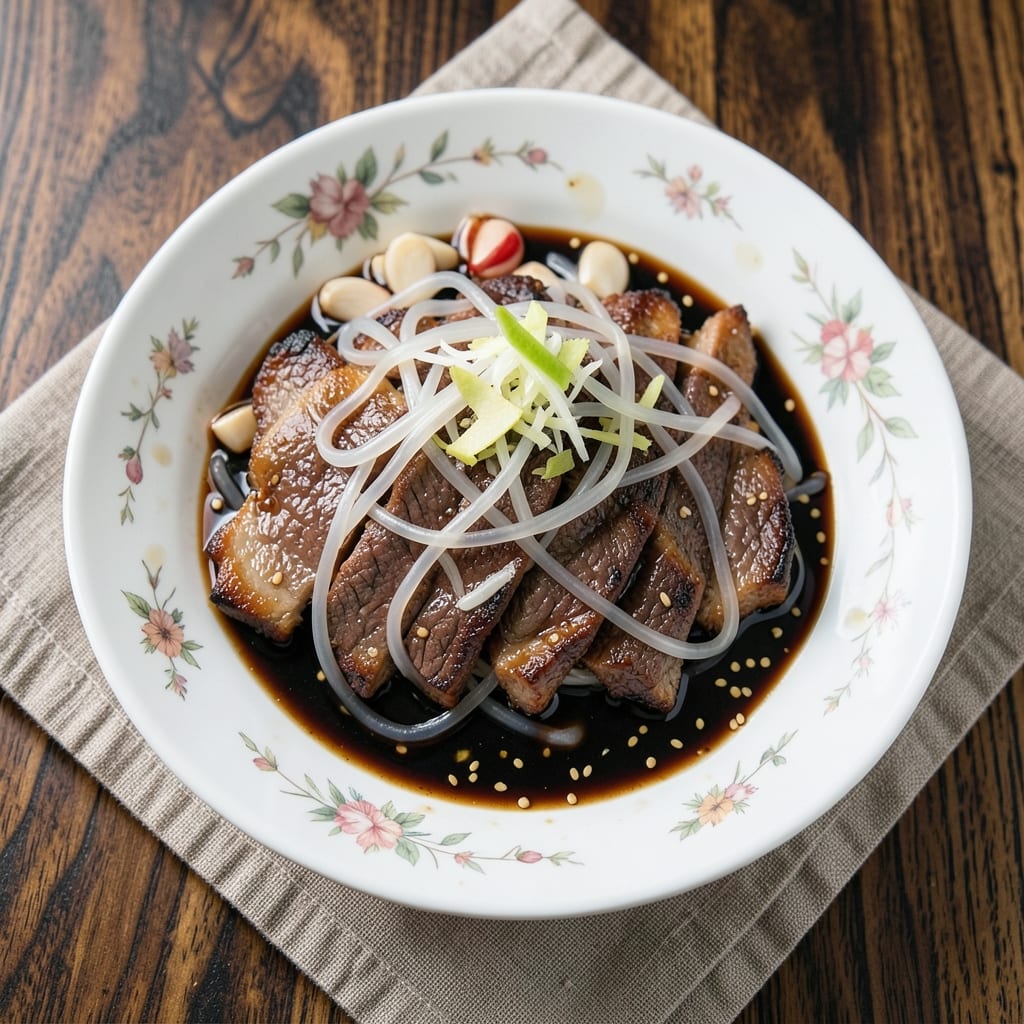
This beef and glass noodle recipe delivers crispy wok-seared beef bites paired with silky, rehydrated noodles—perfect for a restaurant-quality meal at home. The secret lies in high-heat stir-frying for maximum texture contrast, while the glass noodles soak up the savory sauce without losing their delicate texture. I developed this version after years of testing, balancing traditional techniques with modern convenience.
What sets this dish apart is the two-stage cooking process: first, the beef is marinated and seared to develop a caramelized crust, then tossed with pre-cooked glass noodles and a quick sauce. The result is a harmonious blend of textures—crispy edges on the beef, tender yet slightly chewy noodles, and a glossy sauce that coats every bite. This method ensures the beef stays juicy while achieving that coveted wok-heated crunch.
The glass noodles require only a few minutes of soaking to transform from dry strands into silky ribbons, making this dish surprisingly quick to assemble. The beef, meanwhile, benefits from a simple marinade that tenderizes while adding depth of flavor. Together, they create a satisfying, one-bowl meal that’s equally at home on a weeknight or special occasion.
Serve with steamed greens or a side of pickled vegetables to complete the meal. The crispy beef and silky noodles make this dish a standout—simple yet impressive, with flavors that develop as you eat. Ready to recreate this at home? Let’s get started.
Ingredients for beef and glass noodle
Restaurant-quality textures start with these carefully chosen ingredients for wok-heated beef and silky glass noodles.
| Ingredient | Amount | Notes |
|---|---|---|
| Flank Steak 🥩 | 1 ¼ lb | Thinly sliced against grain |
| Glass Noodles (Mung Bean Starch) 🍜 | 8 oz | Dried, cellophane noodles |
| Soy Sauce 🥢 | ½ cup | Light or dark variety |
| Sesame Oil 🥜 | 1 tbsp | Toasted for aroma |
| Garlic Cloves 🧄 | 6 cloves | Minced finely |
| Ginger Root 🌿 | 1 tbsp | Freshly grated |
| Cornstarch 🌾 | 2 tbsp | For velveting beef |
| Vegetable Oil 🫒 | ¼ cup | High smoke point |
| Green Onions 🧅 | 4 whole | Thinly sliced |
| Sesame Seeds 🌱 | 1 tbsp | Toasted lightly |
| Oyster Sauce 🍜 | 2 tbsp | For umami depth |
| Sugar 🍬 | 1 tbsp | White granulated |
| Black Pepper 🌶️ | ½ tsp | Freshly cracked |
| Red Pepper Flakes 🔥 | ½ tsp | Adjust for heat |
| White Wine 🍷 | ¼ cup | Dry variety |
The flank steak is non-negotiable for this dish—its lean yet tender texture becomes crispy when sliced thinly against the grain. Look for well-marbled cuts at your local butcher or Whole Foods for optimal quality. Pre-sliced packages at Asian markets often save time, but slicing yourself ensures even cooking. The glass noodles should be cellophane variety—avoid rice noodles, as they won't achieve the same delicate texture. Store dried noodles in an airtight container to prevent moisture absorption, which can make them brittle. For the marinade, light soy sauce provides the right balance of saltiness without overpowering the beef's natural flavor, while toasted sesame oil adds that signature aroma that defines wok cooking.
No sesame oil? Toasted peanut oil works in a pinch, though the flavor profile shifts slightly. Substituting mirin for white wine adds sweetness but lacks acidity, so balance with an extra splash of rice vinegar. Fresh ginger and garlic are ideal, but if you're using dried, reduce to half the amount—dried spices pack more punch. The cornstarch is crucial for velveting the beef; don't skip it if you want that restaurant-quality tenderness. For heat preferences, gochujang can replace red pepper flakes for a deeper, slightly sweet spice. And if you're short on green onions, scallions or chives work equally well—just adjust the quantity to maintain visual appeal.
Prepped ingredients keep for 3 days in the fridge: store the marinaded beef in a sealed container, glass noodles in their original packaging, and sauces in small jars. The crispy texture of the beef is best enjoyed immediately, but the dish reheats beautifully—cover with a damp paper towel to retain moisture. For meal prep, cook the beef and noodles separately, then combine just before serving to maintain texture. The sauce components can be pre-mixed and stored for 5 days, though the sesame oil's aroma intensifies when freshly toasted. Freeze the cooked beef in single-serving portions for up to 3 months, though texture may soften slightly upon thawing.
Why You'll Love This Recipe
- No-Fuss Protein: I swear by flank steak here—it’s affordable, packs serious flavor, and slices thinly without falling apart. No fancy cuts, no butchering stress, just a quick sear and you’re golden.
- Umami Bomb: That first spoonful of soy sauce and sesame oil hitting the hot pan? Chef’s kiss. The glass noodles soak it up like a sponge, turning every bite into a savory, slightly sweet hug.
- Lunchbox Hero: Between us, this is my go-to for packed lunches. Cold or reheated, the noodles stay tender, and the beef keeps its bite. (Yes, even on a Tuesday night when I’m too tired to think.)
- Budget Stretch: A single flank steak feeds four for under $15, and glass noodles last weeks in the pantry. Honestly, it’s the kind of meal that makes grocery day feel like a win.
Step-by-step instructions for wok-heated beef and glass noodles
Master the art of velvety beef and silky noodles with this precise wok technique.
Prepare the Beef for Maximum Tenderness
Slice the 1.25 lb flank steak thinly against the grain into ¼-inch strips. This critical step ensures each bite remains tender despite quick cooking. Place the sliced beef in a bowl and add the 2 tbsp cornstarch, tossing gently to coat evenly. Let it sit for 15 minutes while you prepare the remaining ingredients.
This cornstarch coating, known as velveting, creates a silky texture when cooked properly. The starch absorbs moisture from the beef, preventing it from drying out during the high-heat wok session. Don't skip this resting time—it allows the cornstarch to fully adhere and begin breaking down the meat fibers.
Cook the Beef to Perfect Doneness
Heat the 0.25 cup vegetable oil in a wok or large skillet over high heat until shimmering. Add the beef in single layers, cooking undisturbed for 1-2 minutes until the edges turn golden brown and crispy. This initial sear locks in juices and develops that coveted texture.
Transfer the cooked beef to a plate and set aside. The beef should be nearly cooked through but still slightly pink in the center—it will finish cooking when combined with the sauce. If the oil smokes excessively, reduce heat slightly but maintain a vigorous sizzle. This high heat is essential for achieving that signature wok-heated crispness promised in the title.
Prepare the Glass Noodles
Rinse the 8 oz glass noodles under cold water to remove any starch residue, then drain well. In a separate bowl, combine the 0.5 cup soy sauce, 2 tbsp oyster sauce, 1 tbsp sugar, 0.25 cup white wine, 6 cloves minced garlic, 1 tbsp grated ginger, and 0.5 tsp black pepper. Mix thoroughly to create the flavor base.
Bring a pot of water to a boil and cook the glass noodles for 2-3 minutes until just tender but still slightly chewy. They should retain their delicate texture rather than becoming mushy. Drain immediately and rinse briefly with cold water to stop the cooking process. These noodles cook faster than traditional wheat noodles—overcooking will turn them into a gluey mess.
Build the Signature Sauce
Return the wok to high heat and add 1 tbsp sesame oil. Pour in the prepared sauce mixture and bring to a vigorous simmer. Cook for 3-4 minutes until the sauce reduces slightly and coats the back of a spoon. Add the cooked beef back to the wok, tossing gently to combine.
Stir in the 4 whole green onions (sliced) and 0.5 tsp red pepper flakes, adjusting heat to preference. The sauce should cling to the beef and noodles, creating that glossy finish we're after. If the sauce appears too thick, add 1-2 tablespoons of hot water to achieve the perfect silky consistency. This is where all the flavors meld together—don't rush this step.
Finish and Serve with Crispy Topping
Add the drained glass noodles to the wok and toss everything together for 1-2 minutes until evenly coated and heated through. The noodles should be hot but still maintain their delicate texture. Transfer to serving plates and garnish with 1 tbsp toasted sesame seeds.
Serve immediately while the beef remains crispy and the noodles retain their silky quality. Each bite should deliver tender beef with that promised crispy texture, silky noodles, and a complex sauce that balances umami from the oyster sauce, sweetness from the sugar, and a subtle heat from the red pepper flakes. The toasted sesame seeds add both visual appeal and nutty aroma to complete the dish.
Pro Tips For Making Beef And Glass Noodle
- Slice Against the Grain: Flank steak’s fibers run long—cutting perpendicular to them turns chewy beef into tender strips. Use a sharp knife and angle it at 45 degrees for clean slices, or freeze the meat for 20 minutes first if it’s stubborn.
- Soak Noodles in Cold Water: Glass noodles absorb liquid fast. Rinse them first, then soak in cold water for 10-15 minutes until pliable but still slightly firm. Hot water makes them mushy; cold water keeps them al dente and ready to absorb flavors.
- Char the Garlic First: Sauté minced garlic in sesame oil until it’s golden and fragrant—don’t rush this. Burnt garlic tastes bitter and overpowers the dish. Remove it just before adding the beef to keep it crisp.
- Balance the Soy Sauce: Use light soy for color, dark for depth. Start with 1 tablespoon, taste, then add more if needed—glass noodles soak up sauce fast, so err on the lighter side. Overdoing it makes the beef taste salty and dull.
Wine and beer pairings for this beef and glass noodle
Light Dry Whites
For this dish, I recommend crisp, dry white wines that complement the beef's savory depth without overpowering the delicate glass noodles. A Sauvignon Blanc from New Zealand—like Kim Crawford or Oyster Bay—brings bright citrus notes that cut through the richness of the oyster sauce. The wine's acidity mirrors the dish's balance of umami and sweetness, creating a refreshing contrast. Serve slightly chilled to enhance its crispness. 🍷
Off-Dry Riesling
If you prefer a touch of sweetness to balance the dish's savory elements, an off-dry Riesling works beautifully. Look for a German Spätlese like Dr. Loosen Blue Slate—its honeyed apple and peach flavors harmonize with the sugar in the sauce while its slight sweetness complements the beef's caramelized crust. The wine's natural acidity also prevents the dish from tasting heavy. Chill to 50°F for optimal enjoyment.
Crisp Lager Pairings
For beer lovers, a German Pilsner or Helles offers the perfect balance of crispness and malt sweetness. Warsteiner or Weihenstephaner are excellent choices—their clean, slightly hoppy profiles won't clash with the dish's complex flavors. The carbonation helps cleanse your palate between bites, making each mouthful of crispy beef and silky noodles even more satisfying. Serve at 45°F to maintain its refreshing quality. 🍺
Fortified Wine Options
If you're feeling adventurous, a dry sherry like Fino or Manzanilla adds an unexpected but delightful dimension. The nutty, almond-like notes in Gonzalez Byass or Tio Pepe complement the toasted sesame seeds and beef's umami depth. Serve slightly chilled (55°F) to let its delicate flavors shine without overwhelming the dish's delicate textures.
Non-Alcoholic Alternatives
For a refreshing non-alcoholic option, try sparkling yuzu soda—its citrusy brightness and effervescence mirror the wine pairings while adding a vibrant twist. Alternatively, green tea iced tea (chilled jasmine green tea with lemon) enhances the dish's umami notes without competing for attention. Both options keep the meal light and refreshing, especially during warm weather. ✨
Nutrition facts
Frequently asked questions
What's the secret to getting that crispy texture on the beef?
High heat is key! Cook the beef in a screaming-hot wok or skillet for 1-2 minutes without stirring until golden brown edges form. The cornstarch velveting method also helps create that satisfying crunch while keeping the inside tender. Never overcrowd the pan—work in batches if needed!
Can I use regular wheat noodles instead of glass noodles?
Not recommended—they'll absorb too much sauce and become mushy. Glass noodles stay delicate when cooked properly (2-3 minutes max) and create that signature silky texture. For a similar effect, try shirataki noodles, but they require more thorough rinsing to remove any bitter aftertaste.
How do I prevent the sauce from making the beef soggy?
Cook the beef in two stages: first sear it until nearly done, then finish cooking it in the sauce. The high initial heat creates a protective crust that locks in juices. Also, toss the noodles in last—just 1-2 minutes—so they absorb the sauce without steaming the beef.
What's the best way to reheat leftovers?
Reheat gently in a dry skillet over medium-low heat for 2-3 minutes, adding just enough oil to prevent sticking. Microwaving will turn the beef rubbery. For extra crispiness, sear the beef again after reheating. Store leftovers in airtight containers for up to 3 days.
Can I make this dish spicier?
Add 1-2 teaspoons of sriracha or chili crisp to the sauce, or swap red pepper flakes for 1 teaspoon of chili garlic sauce. For heat lovers, stir in ½ teaspoon of ground Sichuan peppercorns—they add a numbing tingle that pairs perfectly with the beef's umami.