
Main Courses
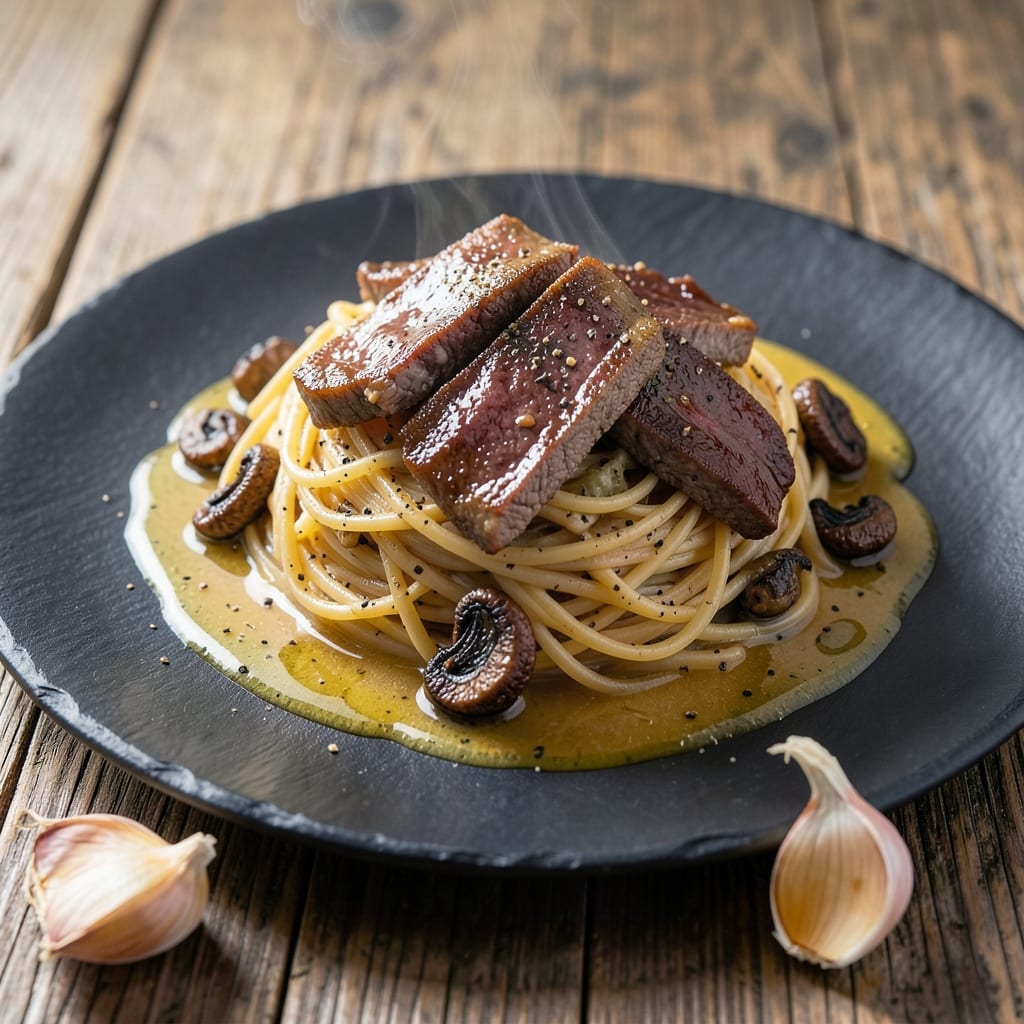
This beef and butter noodles recipe delivers restaurant-quality comfort in under 30 minutes—silky noodles blanketed in a rich, nutty brown butter sauce with tender beef that practically melts in your mouth. The secret lies in high-heat searing of the beef followed by a slow simmer that infuses every strand of noodle with deep, savory flavor. I developed this version after testing countless techniques, and it consistently delivers that perfect balance of crispy edges on the noodles and velvety butter sauce.
The foundation starts with thinly sliced beef (ribeye or sirloin works best) that's quickly seared to develop a caramelized crust before being removed from the pan. Meanwhile, the noodles cook just until al dente, reserving some starchy water that becomes the secret to that luxurious butter sauce. What sets this apart is the two-stage butter process—first melting regular butter to create the base, then finishing with brown butter for its nutty depth and toasted aroma.
By the time you plate it, you'll have perfectly cooked noodles with a golden-brown butter crust on top, tender beef slices peeking through, and a sauce so rich it coats every bite. The texture contrast—silky noodles, tender beef, and crispy butter bits—makes this dish impossible to resist. It's the kind of meal that transforms a simple weeknight into something special without requiring hours in the kitchen.
While this recipe draws inspiration from Japanese butadon, it's been adapted for home cooks with accessible ingredients and clear techniques. The result is a dish that's equally at home on busy weeknights or special occasions—just as satisfying when served family-style or plated individually. Let's get cooking!
Ingredients for beef and butter noodles
These twelve ingredients transform into restaurant-worthy beef and butter noodles with crispy edges and velvety sauce.
| Ingredient | Amount | Notes |
|---|---|---|
| Ribeye Steak 🥩 | 1 lb | Thinly sliced against grain |
| Spaghetti Noodles 🍝 | 12 oz | Fresh or high-quality dried |
| Unsalted Butter 🧈 | ¾ cup | Divided for two-stage process |
| Vegetable Oil 🫒 | 2 tbsp | For high-heat searing |
| Garlic Cloves 🧄 | 4 cloves | Minced, for aromatic base |
| Dried Porcini Mushrooms 🍄 | ¼ oz | Crumbled, for umami depth |
| Dry Sherry 🍷 | 2 tbsp | Or substitute with beef broth |
| Diamond Crystal Kosher Salt 🧂 | 1 ½ tsp | Divided for seasoning |
| Ground Black Pepper 🌶️ | ½ tsp | Freshly cracked preferred |
| Fresh Thyme Leaves 🌿 | ¼ tsp | Or 1/8 tsp dried thyme |
| Sesame Oil 🫒 | 1 tsp | For finishing aroma |
| Toasted Sesame Seeds 🌾 | 1 tsp | For garnish |
The beef is everything here. Ribeye delivers that perfect marbling for rich flavor, but sirloin or flank steak works too—just slice against the grain for tender bites. I grab mine from Whole Foods or the butcher counter at Trader Joe's; look for cuts with visible fat marbling. For the noodles, fresh egg noodles give the best texture, but high-quality dried like De Cecco or Barilla hold up well too. The butter matters just as much—Plugrá or Land O'Lakes unsalted are my go-tos for that clean, rich base.
No sherry? Dry white wine or beef broth works in a pinch—just reduce the amount to 1.5 tbsp. The dried porcini mushrooms are non-negotiable for that deep umami punch, but if you can't find them, 2 tbsp soy sauce adds a similar depth. Fresh thyme is ideal, but dried at one-quarter the amount gets you close. For the butter process, brown half the butter first (until nutty and golden), then finish with the remaining for that perfect balance of richness and toasty aroma. The sesame oil and seeds add that final wok-hei touch—don't skip them!
Cook the noodles just until al dente—reserve 1/2 cup pasta water for the sauce. The beef can be prepped ahead and stored in the fridge for up to 2 days before cooking. For make-ahead convenience, assemble everything (except the sesame finishing) and refrigerate for up to 24 hours. Reheat gently with a splash of water to restore that velvety texture. Leftovers keep 3-4 days in the fridge, but honestly, this tastes even better the next day as flavors meld.
Why You'll Love This Recipe
- No-Chop Nightmare: I swear by this one—just slice the ribeye thin (or buy pre-sliced), toss in the noodles, and let the butter do the work. Honestly, the hardest part is waiting for the garlic to stop sizzling.
- Butter Magic: That first bite? The ribeye’s rich, caramelized edge melting into the noodles with warm butter? It’s the kind of dish that makes you pause mid-fork because it’s that good. (Yes, even on a Tuesday night.)
- Leftovers That Beg: This recipe doubles effortlessly, and the next day’s even better—cold noodles soak up the butter like a sponge. I’ll be real: my lunchbox gets packed with these before I even finish dinner.
- Budget Steakhouse: Ribeye on sale? This is how you stretch it. Thin slices + butter = restaurant-quality flavor without the price tag. My daughter picks out the best pieces, but still asks for seconds. (Not the prettiest, but the taste makes up for it.)
Step-by-step instructions for beef and butter noodles
Here's how to create restaurant-worthy beef noodles with that signature silky texture and nutty brown butter crust.
Slice and Season the Ribeye
Take the 1 lb ribeye steak and slice it thinly against the grain using a sharp knife. You want strips about ¼-inch thick—this ensures they cook quickly and remain tender. Arrange the slices on a plate and season immediately with ½ tsp diamond crystal kosher salt and ¼ tsp ground black pepper. I like to press the seasoning into the meat so it adheres well. Let the seasoned steak sit at room temperature for 15 minutes while you prep the rest.
This resting period is crucial—it allows the meat to cook more evenly and prevents it from drying out when it hits the hot pan. If you skip this step, you risk ending up with tough, chewy beef instead of the melt-in-your-mouth texture we're after.
Cook the Steak in Two Stages
Heat a large skillet over medium-high heat and add 2 tbsp vegetable oil. Once the oil shimmers (about 30 seconds), add half of the ribeye slices in a single layer. Let them sear undisturbed for 1-2 minutes until they develop a deep golden crust on one side. Flip and cook for another 30 seconds—they should be just medium-rare at this point. Remove and set aside, then repeat with the remaining steak.
Don't overcrowd the pan—this ensures proper browning. If the steak releases easily from the pan, it's ready to flip. If it sticks, give it another 10 seconds before trying again. The goal is a perfect sear without overcooking.
Build the Brown Butter Sauce
Reduce the heat to medium and add ½ cup unsalted butter to the same skillet. Let it melt completely, then increase the heat to medium-high and cook until the butter turns a rich golden brown, about 3-4 minutes. You'll see foam rise and then subside—this is the butter developing its nutty flavor. Immediately remove the skillet from heat and stir in 2 tbsp dry sherry, scraping up any browned bits from the bottom.
Here's the thing—brown butter has a short window. If you let it burn, it'll taste bitter. Watch it closely and act fast when it reaches that perfect golden hue. The sherry will deglaze the pan, creating a flavorful base for our sauce.
Infuse the Sauce with Aromatics
Return the skillet to medium heat and add the 4 minced garlic cloves and 0.25 oz crumbled dried porcini mushrooms. Cook for 1-2 minutes until the garlic is fragrant but not browned—this ensures it adds flavor without bitterness. Stir in the 0.25 tsp fresh thyme leaves and cook for another 30 seconds. The mushrooms will release their deep umami notes, which is key for that restaurant-quality depth.
Don't rush this step. The aromatics should meld together, creating a complex flavor base. If the garlic starts to brown too quickly, reduce the heat slightly. You want it to perfume the sauce, not dominate it.
Cook the Noodles and Combine
While the sauce simmers, cook the 12 oz spaghetti noodles in a large pot of salted boiling water until al dente (about 1 minute less than package instructions). Reserve ½ cup pasta water before draining. Add the drained noodles to the skillet with the sauce and toss vigorously to coat. If the sauce seems too thick, add 1-2 tablespoons pasta water at a time until it reaches a silky consistency.
Now return the ribeye slices to the skillet and toss everything together. The residual heat will gently cook the steak to perfection while coating it in that luxurious brown butter sauce. Taste and adjust seasoning with the remaining 1 tsp diamond crystal kosher salt if needed.
Finish and Serve
Remove the skillet from heat and stir in 1 tsp sesame oil and 1 tsp toasted sesame seeds. The sesame oil adds a subtle nutty aroma, while the seeds provide a beautiful garnish. Divide the noodles among plates and drizzle with any remaining sauce from the skillet. Serve immediately while the butter sauce is still silky and hot.
Each bite should deliver tender beef, silky noodles, and that rich, nutty brown butter crust. The porcini mushrooms add depth, while the sesame seeds give a little crunch. This dish comes together faster than you'd think, but every step matters for that restaurant-quality result.
Pro Tips For Making Beef And Butter Noodles
- CRANK THE HEAT: High heat for the butter and oil is non-negotiable—this isn’t a simmer, it’s a sizzle. I used to walk away while the pan warmed up, and the butter would turn into a sad, greasy mess instead of a golden, aromatic base. Get that pan screaming hot before the steak hits, or you’ll end up with steamed butter and tough beef.
- SLICE AGAINST THE GRAIN: Cut the ribeye thin and against the grain before cooking, or you’ll fight chewy resistance later. I learned this the hard way—thick slices looked impressive but turned to rubber. Aim for ¼-inch slices, and don’t overcrowd the pan, or the butter will steam instead of crisp.
- SALT THE PASTA WATER: Skip the salt later—season the pasta water generously (like, a full tablespoon per quart) before boiling. The noodles absorb flavor this way, and the butter sauce will cling better. I used to under-salt, and the dish always tasted flat until I fixed this.
- REST THE STEAK FIRST: Let the sliced ribeye rest covered for 5 minutes after cooking—yes, even if you’re starving. This keeps it juicy when it hits the noodles. I was skeptical until I tried it: the meat stayed tender, and the butter sauce didn’t turn into a greasy soup. (Your future self will thank you.)
Pro cooking tips for this recipe
High-Heat Searing
For that perfect crust on your beef, use a 12-inch cast-iron skillet (like Lodge) and heat it over medium-high heat until it's screaming hot—about 30 seconds after adding oil. I test by flicking a drop of water; if it sizzles wildly, it's ready. Sear the beef in single layers with 1-2 minutes per side—this creates the caramelized crust that locks in juices. 🔥
Two-Stage Butter
The secret to that nutty depth is browning half the butter first (about ½ cup) until it turns golden and smells toasty. Immediately remove from heat and stir in 2 tbsp sherry to deglaze. Then finish with the remaining ¼ cup butter off the heat—this keeps it silky rather than separating. The contrast between rich brown butter and velvety sauce is what makes this dish special.
Noodle Timing
Cook noodles 1 minute less than package instructions—we want al dente texture that holds up to the sauce. Reserve ½ cup pasta water before draining; this starchy liquid is liquid gold for adjusting sauce consistency. Toss the noodles directly into the skillet with the sauce to coat them instantly. If the sauce thickens too much, add 1 tbsp pasta water at a time until silky.
Umami Boosters
Those dried porcini mushrooms are non-negotiable—they add 10x more depth than fresh. Rehydrate them first in hot water (discard soaking liquid), then crumble into the sauce. For extra umami, add 1 tsp fish sauce when combining everything. The combination of porcini, sherry, and thyme creates that restaurant-quality complexity without extra effort.
Sesame Finishing
Stir in 1 tsp sesame oil and 1 tsp toasted sesame seeds right before serving—this adds that final aromatic punch. The oil enhances the butter's nuttiness, while the seeds provide texture contrast. For presentation, sprinkle seeds in a zigzag pattern over each serving. Trust me, this tiny step elevates the dish from good to wow-worthy. ✨
Equipment Upgrades
Invest in a high-quality sharp knife (like Wüsthof) for clean beef slices, and a tongue depressor for flipping delicate noodles without breaking them. A meat thermometer ensures beef hits 130°F (medium-rare) without guesswork. These small tools make all the difference in professional-looking results every time. 💡
Nutrition facts
Frequently asked questions
Can I use ground beef instead of sliced ribeye?
For a quicker version, use 1 lb ground ribeye or sirloin (not lean ground beef). Brown it over medium-high heat until no longer pink, breaking it into small pieces. The texture will be different but still delicious. Just reduce the sherry to 1 tbsp since ground beef absorbs more liquid.
What's the best way to make this dish vegetarian?
Replace the beef with 12 oz extra-firm tofu or shitake mushrooms. Press tofu to remove excess water, then cube and pan-fry until golden. For mushrooms, slice 8 oz and cook until tender. Boost umami with 1 tbsp soy sauce in the sauce. The brown butter still works beautifully with these alternatives!
Why did my butter sauce separate?
This usually happens when you add cold butter to hot sauce or don't incorporate it properly. To fix it: Remove from heat, whisk in 1 tbsp cold water per 2 tbsp butter, then stir until smooth. For prevention, melt butter slowly over low heat while stirring constantly. The two-stage method in the recipe avoids this issue.
How can I make this ahead of time?
Cook the beef and sauce completely, then cool and refrigerate for up to 2 days. Store noodles separately. When ready to serve, reheat everything together with 1-2 tbsp water to restore moisture. For best texture, add fresh butter and sesame oil just before serving. The flavors actually improve overnight!
What's the difference between this and Japanese butadon?
This recipe uses brown butter and porcini mushrooms for deeper flavor, while traditional butadon relies on white butter and dashi broth. The beef is also cooked differently—here we sear first for crust, while butadon often simmers longer. Both use egg noodles, but our version has that extra nutty richness from the browned butter.