
Breakfast & Brunch
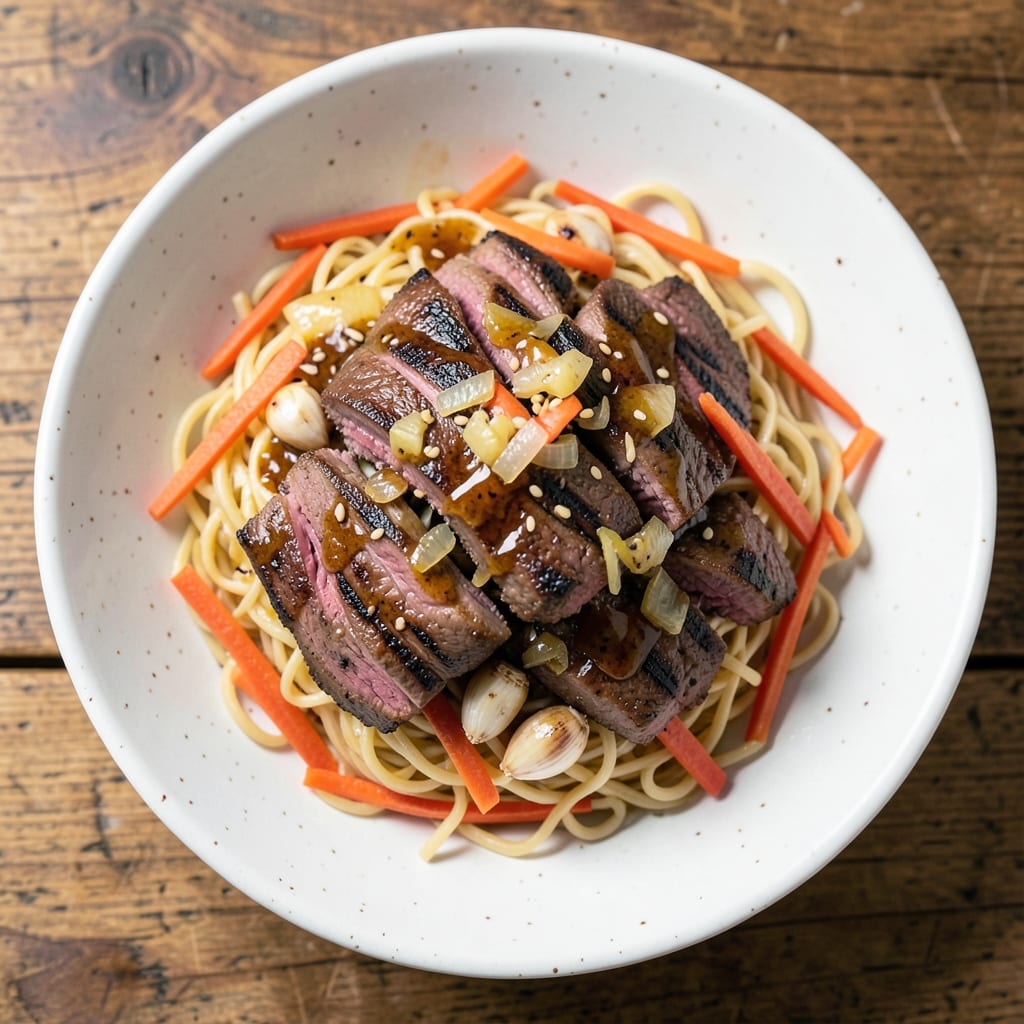
This one-pot beef and frozen egg noodles recipe transforms humble ingredients into a hearty, protein-rich meal that comes together faster than takeout. The secret lies in searing beef to lock in flavor, then simmering it with aromatic vegetables and frozen noodles—no pre-boiling required. I developed this during a busy week when I needed dinner on the table in under 30 minutes, and it’s become a staple for quick, satisfying meals.
The beauty of this dish is its simplicity: tender beef strips, crisp-tender vegetables, and chewy egg noodles all cook together in a savory broth infused with garlic, ginger, and soy sauce. No fancy techniques—just a skillet, a few pantry staples, and 15 minutes of hands-on time. The frozen noodles absorb the flavorful juices as they cook, eliminating the need for separate boiling while keeping the texture perfect.
What you’ll end up with is a restaurant-quality bowl of steaming noodles with melt-in-your-mouth beef and vibrant vegetables, all coated in a rich, umami-packed sauce. It’s the kind of meal that feels indulgent but comes together effortlessly—ideal for weeknights when you crave comfort without the fuss.
Serve it with a sprinkle of green onions or sesame seeds for freshness, and pair it with a simple side salad for balance. This recipe is your go-to for one-pot convenience without sacrificing flavor or nutrition. Let’s get cooking!
Ingredients for beef and frozen egg noodles
Pantry staples plus a few fresh ingredients for restaurant-quality beef noodles in one pot.
| Ingredient | Amount | Notes |
|---|---|---|
| Flank Steak 🥩 | 1 lb | Thinly sliced against grain |
| Frozen Egg Noodles 🍜 | 8 oz | Uncooked, standard width |
| Yellow Onion 🧅 | 1 whole | Diced into 1/4-inch pieces |
| Carrots 🥕 | 2 medium | Julienned into thin strips |
| Garlic Cloves 🧄 | 4 cloves | Minced, not pressed |
| Fresh Ginger 🌿 | 1 tbsp | Grated, not powdered |
| Soy Sauce 🍶 | 3 tbsp | Light or all-purpose |
| Beef Broth 💧 | 1 ½ cups | Low-sodium preferred |
| Sesame Oil 🫒 | 1 tbsp | Toasted, not flavored |
| Vegetable Oil 🫒 | 2 tbsp | High smoke point |
| Green Onions 🧅 | 2 whole | Sliced into 1-inch pieces |
| Sesame Seeds 🌾 | 1 tbsp | Toasted lightly |
| Salt 🧂 | 1 tsp | Diamond Crystal preferred |
| Black Pepper 🌶️ | ½ tsp | Freshly cracked |
The beef makes or breaks this dish—flank steak is ideal because it slices thin and stays tender. Look for grass-fed options at Whole Foods or your local butcher for richer flavor. If you can't find flank, sirloin or ribeye work too, but slice against the grain for tenderness. The frozen egg noodles? Barilla or De Cecco are my go-tos—they hold up perfectly without pre-boiling. Avoid the cheap store brand; you'll taste the difference. For the vegetables, organic carrots stay crisp-tender better than conventional, but regular works in a pinch.
No fresh ginger? Powdered works at half the amount, though it lacks depth. Soy sauce substitutes? Coconut aminos for a lighter taste, or hoisin sauce for sweetness. The beef broth can be swapped for water plus 1 tbsp soy sauce if needed, but the umami suffers. Sesame oil is non-negotiable for that nutty aroma—Kadoya is the gold standard, but any Asian market brand works. For the veggies, baby carrots or celery can replace the julienned carrots if you're short on time. Just keep the total volume similar.
Store the cooked beef separately in the fridge for 3-4 days—it reheats beautifully. The uncooked noodles keep 6-12 months in their package, but once opened, transfer to an airtight container. Fresh ginger lasts 2 weeks in the fridge wrapped in a damp towel. For meal prep, cook the beef and sauce ahead, then toss in fresh noodles when ready to eat. The flavor actually improves overnight as everything melds together—double batch and freeze portions for lazy days.
Why You'll Love This Recipe
- No Thaw Needed: I keep a box of frozen egg noodles in my freezer for nights like these—no waiting, no fuss. Just toss them in boiling water while I sear the flank steak, and they’re ready when the beef hits the pan. That’s 10 minutes saved, every single time.
- Umami Bomb: The flank steak caramelizes into crispy edges while staying tender inside, and those garlic cloves? Smashed and fried until golden, they melt into the onions and carrots for a depth that’s ridiculously satisfying. Honestly, the first bite makes me forget it’s a weeknight.
- Lunchbox Hero: Between us, this is my go-to for packed lunches. The noodles stay warm in a thermos, and the beef holds up for days—just reheat with a splash of water. My kid brings it back with half gone, and I don’t even have to hear about "boring school lunches" again.
- Budget Stretch: A single flank steak feeds four, and frozen egg noodles cost pennies. I’ll be real: this recipe keeps my grocery bill in check without sacrificing flavor. The onions and carrots bulk it up, so every bite feels hearty, not skimpy. Dinner for less than $10, and zero guilt.
Step-by-step instructions for beef and frozen egg noodles
Here's how to make this hearty, one-pan dish with minimal cleanup and maximum flavor.
Prepare the Flank Steak for Cooking
Slice the 1 lb flank steak thinly against the grain into ¼-inch strips. This ensures tender bites that cook quickly. Pat the strips dry with paper towels—removing any moisture helps them sear properly instead of steaming. Transfer the sliced steak to a bowl and set aside.
In a small bowl, combine 3 tbsp soy sauce, 1 tbsp sesame oil, 1 tsp salt, and 0.5 tsp black pepper. Mix well to create a marinade that will tenderize the beef and infuse it with deep umami flavor. Pour this mixture over the steak strips and toss gently to coat evenly. Let the beef marinate for 15 minutes at room temperature—this short marinating time prevents the meat from becoming mushy while still adding flavor.
Sear the Beef and Sauté Aromatics
Heat 2 tbsp vegetable oil in a large deep skillet or wok over medium-high heat until shimmering. Add the marinated beef in a single layer, being careful not to overcrowd the pan. Cook undisturbed for 1-2 minutes until the beef develops a deep golden-brown crust. Stir and cook for another 2-3 minutes until fully cooked through—it should reach an internal temperature of 160°F. Remove the beef from the skillet and set aside.
In the same skillet, add the 1 whole yellow onion and 2 medium carrots (julienned). Cook for 3-4 minutes until the onions soften and the carrots begin to caramelize. Add the 4 cloves garlic cloves (minced) and 1 tbsp fresh ginger (grated), cooking for another 30 seconds until fragrant. The aromatics should release their natural oils and fill your kitchen with a warm, inviting scent.
Combine Everything in One Pot
Return the cooked beef to the skillet and add 8 oz frozen egg noodles, 1.5 cups beef broth, and 2 whole green onions (sliced). Stir gently to combine, ensuring the noodles are evenly distributed. Bring the mixture to a gentle boil over medium heat, then reduce the heat to medium-low and cover the skillet. Let it simmer for 8-10 minutes, stirring occasionally, until the noodles are tender and the liquid has reduced slightly.
Here's the thing—don't lift the lid too often. The steam helps cook the noodles evenly, and peeking too much can cause the broth to evaporate too quickly. You'll know it's ready when the noodles are al dente and the sauce has thickened just enough to coat the back of a spoon.
Finish with Toasted Sesame Seeds
Once the noodles are cooked, remove the skillet from heat and stir in 1 tbsp sesame seeds. Toast them in the hot skillet for 30 seconds—this adds a nutty crunch and enhances the overall texture of the dish. Taste and adjust seasoning if needed, adding a splash of soy sauce or a pinch of salt if the flavors need balancing.
Let the dish rest for 2-3 minutes before serving. This allows the flavors to meld together and the noodles to absorb any remaining sauce. Garnish with the remaining 2 whole green onions (sliced) for a fresh pop of color and brightness. Serve immediately while steaming hot—this one-pot meal is best enjoyed fresh from the skillet.
Pro Tips For Making Beef And Frozen Egg Noodles
- Slice Against the Grain: Frozen egg noodles can get mushy, but flank steak needs proper slicing—cut it against the grain first, then toss the cooked noodles in the same direction. The meat stays tender, and the noodles hold their shape when mixed in. (Yes, even if you’re impatient like me.)
- Thaw Noodles First: Skip the "cook from frozen" shortcut—soak the egg noodles in hot water for 3-4 minutes before draining. They’ll absorb flavors better and won’t turn to glue when mixed with the beef. I learned this the hard way when my first batch turned into a sad, sticky mess.
- Sear Steak High and Fast: Flank steak needs a screaming-hot pan for that crust—don’t skimp on the heat. Sear for 2-3 minutes per side until deeply browned, then pull it out early (it’ll finish cooking in the sauce). Overcrowding the pan? That’s how you steam instead of sear.
- Carrot Dice Matters: Small, even dice (¼-inch cubes) cook faster and blend into the dish without looking like afterthoughts. If you’re lazy, skip the knife and pulse them in a food processor—just don’t overdo it, or you’ll end up with carrot paste. (Trust me, that’s a vibe no one asked for.)
Common mistakes when making perfect results
Overcrowding the Pan
This is my biggest pet peeve—packing too much beef into the skillet at once. When you overcrowd, the beef steams instead of searing, resulting in gray, soggy strips instead of that beautiful golden crust. I’ve ruined more beef noodles than I’d admit by ignoring this. Instead, cook the beef in batches if needed, using 2 tbsp vegetable oil per batch to maintain that perfect sear. A 12-inch cast iron skillet or wok handles 1 lb flank steak in two batches without issue. 🔥
Skipping the Marinade
Some folks rush straight to cooking without marinating the beef, and I get it—time is precious. But that 15-minute marinade with soy sauce and sesame oil makes a world of difference. The acidity in soy sauce tenderizes the meat, while the oil adds richness. If you’re short on time, at least toss the beef with 1 tbsp soy sauce and ½ tsp sesame oil while it comes to room temperature. Trust me, your taste buds will thank you.
Using the Wrong Noodles
Not all frozen egg noodles are created equal. The cheap, flimsy ones from the discount bin will turn mushy and disintegrate in the broth. I’ve learned this the hard way—Barilla or De Cecco are worth the splurge. They hold their shape and absorb flavors beautifully. If you’re stuck with budget noodles, add 1 extra minute of simmering time and a splash of cold water to keep them firm. Better yet, invest in quality—your future self will appreciate it.
Ignoring the Resting Time
I’ll admit it—I’ve been guilty of serving this dish straight out of the skillet without resting. Big mistake! Letting the noodles and beef sit for 2-3 minutes after cooking allows the flavors to meld and the noodles to absorb the sauce properly. If you’re impatient (like me sometimes), at least cover the skillet with a lid to trap the steam. The difference in texture and taste is noticeable—don’t skip this step, no matter how hungry you are. ⏳
Overcooking the Vegetables
Carrots and onions can easily turn mushy if left too long in the skillet. I’ve burned more than one batch by walking away and forgetting about them. Keep a close eye on the veggies—once the onions are translucent and the carrots just starting to soften (3-4 minutes total), it’s time to move on. If they’re still crunchy, they’ll overcook while the noodles finish. Pro tip: Add the veggies last if you’re worried about timing, but they’ll lose some of their crisp-tender texture.
Underseasoning the Broth
The beef broth is the flavor backbone of this dish, so don’t skimp on seasoning. If your broth tastes bland (like store-bought often does), boost it with ½ tsp salt and ¼ tsp black pepper before adding it to the skillet. I’ve also had success adding 1 tsp fish sauce or an extra splash of soy sauce for deeper umami. Taste as you go—it’s easier to adjust now than to fix a flavorless bowl later. 💡
Nutrition facts
Frequently asked questions about beef and frozen egg noodles
Can I use a different cut of beef instead of flank steak? Flank steak is ideal for its tenderness, but sirloin or ribeye work well too. Just
Why do my frozen noodles turn mushy?
Mushy noodles usually mean one of two things: overcooking or poor-quality noodles. Use Barilla or De Cecco frozen egg noodles—they hold up better. If using budget brands, reduce simmer time by 1-2 minutes and add ¼ cup cold water when the noodles are almost done to stop cooking. Also, avoid lifting the lid too often while simmering.
How can I make this dish spicier? Add ½ tsp red pepper flakes or 1 tbsp sriracha when combining everything in the skillet. For heat lovers, stir in 1 tsp gochujang (Korean chili paste) with the soy sauce during marinating. Fresh red chili slices work too—just add them with the veggies.
Can I make this recipe in an Instant Pot?
Yes! Sear the beef first in a regular pan, then transfer to your Instant Pot with all ingredients. Cook on high pressure for 4 minutes, then quick-release. The noodles will absorb the broth perfectly. For extra richness, add 2 tbsp coconut milk at the end. The pressure method keeps the noodles firm while infusing flavor.
What's the best way to reheat leftovers?
Reheat in a skillet with 1 tbsp oil over medium heat for 3-4 minutes, stirring occasionally. Add 1-2 tbsp water if it gets too dry. Microwaving works too—cover with a damp paper towel and heat for 90 seconds, stirring halfway. Never reheat to 165°F—the beef was already fully cooked initially.