
Soups & Stews
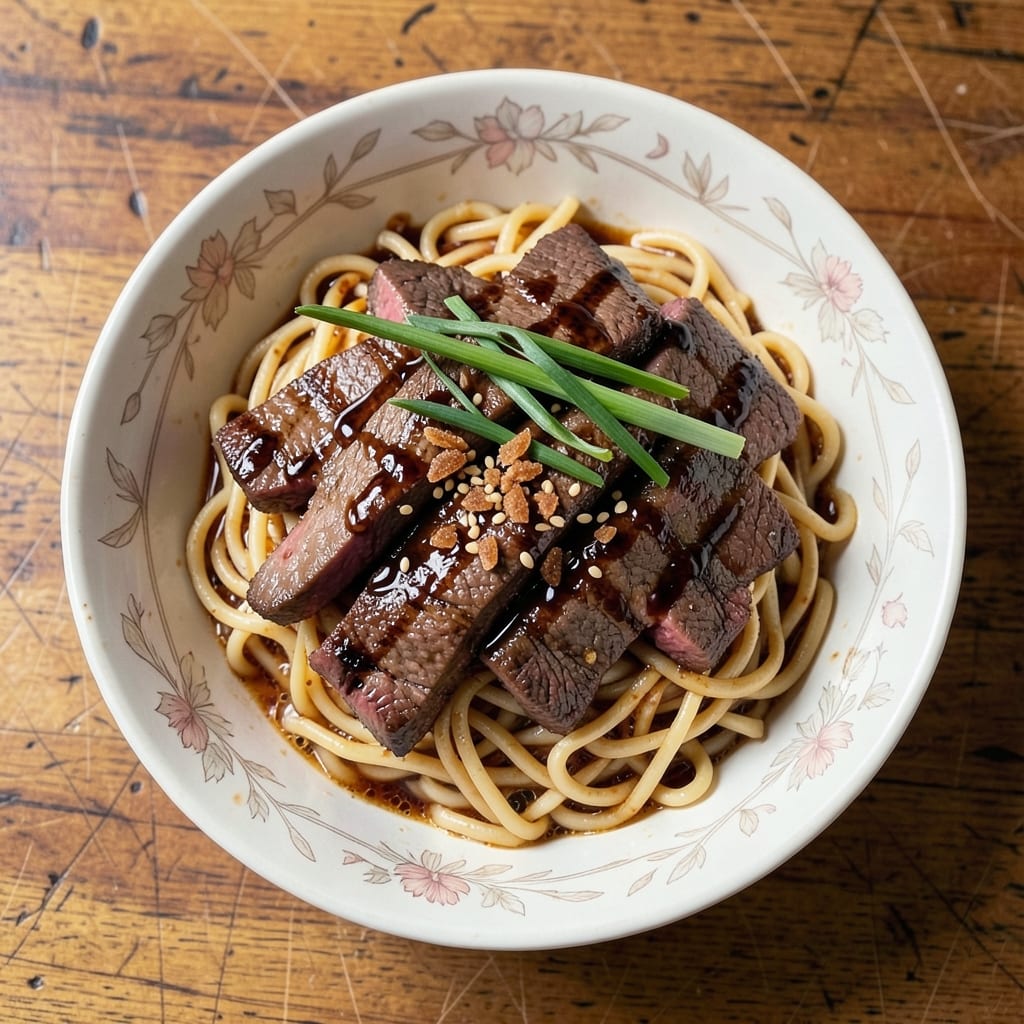
This beef and frozen noodles recipe transforms pantry staples into a hearty, one-pot meal in just 20 minutes. The secret lies in high-heat stir-frying beef strips until perfectly tender, then combining them with frozen noodles and a savory broth that cooks everything to al dente perfection. I developed this recipe during a particularly busy week when I needed a satisfying dinner that required minimal cleanup—no fancy ingredients, no complicated techniques, just a flavorful dish that delivers restaurant-quality comfort.
The beauty of this recipe is its versatility—you can customize it with your favorite stir-fry vegetables, swap in different protein cuts, or adjust the sauce to suit your taste. The frozen noodles absorb the rich, umami-packed sauce while cooking, eliminating the need for pre-boiling or separate pots. High heat is key to achieving that signature wok-hei flavor, where the beef develops a subtle char while staying juicy and tender.
What you'll end up with is a steaming bowl of tender beef, perfectly cooked noodles, and a sauce that's both savory and slightly sweet, with just the right amount of spice. The aroma alone will have everyone gathering around the table, and the first bite delivers that satisfying combination of textures—soft noodles, tender beef, and a sauce that clings to every strand. This is the kind of meal that feels indulgent yet effortless to prepare.
Serve it as-is for a quick weeknight dinner, or elevate it with pickled vegetables for brightness, fresh herbs for freshness, or a drizzle of sesame oil for extra depth. The one-pot method ensures minimal cleanup, making it perfect for busy evenings when you want flavor without the fuss. Let's get cooking!
Ingredients for beef and frozen noodles
Pantry staples plus a few fresh aromatics—this one-pot meal delivers restaurant-quality flavor in minutes.
| Ingredient | Amount | Notes |
|---|---|---|
| Flank Steak 🥩 | 1 ½ lb | Thinly sliced against grain for tenderness |
| Frozen Egg Noodles 🍜 | 12 oz | Any shape, no pre-boiling needed |
| Low-Sodium Soy Sauce 🥢 | 3 tbsp | Regular soy sauce works too |
| Sesame Oil 🫒 | 1 tbsp | Toasted for aroma, not cooking |
| Oyster Sauce 🍶 | 1 tbsp | Vegan version if needed |
| Brown Sugar 🍯 | 1 tbsp | Light or dark works equally |
| Garlic Cloves 🧄 | 4 cloves | Minced for quick cooking |
| Fresh Ginger 🌿 | 1 tbsp | Finely grated, peeled |
| Vegetable Oil 🫒 | 2 tbsp | High smoke point preferred |
| Green Onions 🧅 | 3 whole | Sliced, white and green parts |
| Red Bell Pepper 🍅 | 1 whole | Diced, any color works |
| Salt 🧂 | 1 tsp | Kosher or sea salt |
| Black Pepper 🌶️ | ½ tsp | Freshly ground preferred |
| Chicken Broth 💧 | 1 cup | Low-sodium preferred |
The beef is the star, so flank steak is ideal—it's lean, affordable, and slices beautifully against the grain. Costco or Whole Foods usually have it pre-sliced, but if you're buying a whole cut, ask the butcher to slice it thinly. Fresh ginger and garlic are worth the trip to the produce section—they make all the difference in that aromatic base. For the noodles, any frozen brand works, but look for ones labeled 'egg noodles' if you want extra richness. The soy sauce? Kikkoman or Pearl River Bridge are reliable, but any basic brand will do.
No oyster sauce? Substitute with an extra tablespoon of soy sauce plus a dash of sugar. Fresh ginger too pungent? Ground ginger at half the amount works in a pinch. The bell pepper can be swapped for snap peas or broccoli florets—whatever you've got on hand. Need to skip the beef? Chicken thigh strips or shrimp work beautifully here. The chicken broth adds depth, but vegetable broth works just as well for a vegetarian version. And if you're short on time, frozen stir-fry veggie mixes save the day.
Prep ahead by slicing the beef and veggies in advance—they'll keep in the fridge for 2 days. The sauce components (soy, oyster, sesame oil, sugar) can be mixed in a jar and stored for 1 month. For leftovers, portion into containers with a drizzle of sesame oil on top—they reheat perfectly and taste even better the next day. This dish is a one-pot wonder, so cleanup is a breeze: just wipe down the pot and you're done.
Why You'll Love This Recipe
- No Chopping Nightmare: I swear by this recipe when I’m too tired to slice anything. Flank steak gets sliced thin against the grain—no knife skills needed—while the frozen noodles just boil straight from the bag. Honestly, it’s the kind of meal that makes me feel like a hero after a long day.
- Umami Bomb: That combo of low-sodium soy sauce, oyster sauce, and a drizzle of sesame oil? It’s ridiculously good. The beef stays tender and juicy, soaking up all the savory depth while the noodles get that perfect chewy bite. I’ll be real: I’ve made it for date nights, and no one’s ever questioned the ingredients.
- Lunchbox Hero: Between us, this is my go-to for meal prep. Cook a big batch of beef, toss in the noodles, and portion it out—it reheats like a dream. My kids grab it for school lunches, and my husband takes it to work. Not the prettiest, but the taste makes up for it every time.
- Budget Win: Flank steak stretches farther than you’d think when sliced thin, and frozen noodles? Cheaper than fresh without sacrificing flavor. I’ve fed four people for under $15, and no one complains. It’s my secret weapon for weeks when groceries feel tight.
Step-by-step instructions for beef and frozen noodles
Here's how to transform simple ingredients into a rich, savory one-pot meal in record time.
Slice and Marinate the Flank Steak
Slice the 1.5 lb flank steak thinly against the grain into ¼-inch strips. This cut ensures maximum tenderness in your final dish. Transfer the sliced steak to a bowl and add the 3 tablespoons low-sodium soy sauce, 1 tablespoon oyster sauce, 1 tablespoon brown sugar, 1 teaspoon salt, and 0.5 teaspoon black pepper. Toss everything together with your hands until the steak is evenly coated and the marinade clings to every piece.
Let the marinated steak sit at room temperature for 10 minutes while you prep the vegetables. This brief marinating time infuses the beef with flavor without making it mushy. The sugar in the marinade will also help caramelize the beef as it cooks, adding depth to the dish.
Prepare and Sauté the Aromatics
Heat 2 tablespoons vegetable oil in a large, deep skillet or wok over medium-high heat until shimmering. Add the 4 minced garlic cloves and 1 tablespoon finely grated fresh ginger, cooking for 30 seconds until fragrant. You'll know it's ready when you can smell that aromatic punch filling your kitchen.
Next, add the diced red bell pepper and sliced green onions to the skillet. Cook for 2-3 minutes until the vegetables soften slightly but still retain their color. This quick sauté preserves their freshness while building flavor. Don't overcook them or they'll turn mushy and lose their crisp bite.
Cook the Beef and Noodles Together
Increase the heat to high and add the marinated flank steak strips to the skillet. Cook for 2-3 minutes, stirring frequently, until the beef is mostly cooked through but still slightly pink in the center. The high heat helps develop a nice sear on the beef while keeping the cooking time short.
Add the 12 oz frozen egg noodles directly to the skillet with the beef. Pour in 1 cup chicken broth and bring everything to a gentle boil. Reduce heat to medium-low, cover, and let it simmer for 8-10 minutes, stirring occasionally. The noodles will absorb the broth and cook through while the beef finishes cooking in the process.
Finish with Sauce and Sesame Oil
Once the noodles are tender and the beef is fully cooked (no pink remains), uncover the skillet and increase heat to medium. Stir in 1 tablespoon sesame oil and let it sizzle for 30 seconds to release its nutty aroma. This final step adds a beautiful aroma and subtle nutty flavor that ties everything together.
Taste and adjust seasoning if needed—you might want to add a splash more soy sauce if the dish needs more saltiness. The combination of the savory beef, umami-rich sauces, and nutty sesame oil creates a perfectly balanced one-pot meal that's ready to serve immediately.
Pro Tips For Making Beef And Frozen Noodles
- Slice Against the Grain: Cut your flank steak thinly across the grain—no, not diagonally, perpendicular—or you’ll end up with chewy strips instead of tender ones. I used to rush this step, and the texture was always off. Take the extra 30 seconds to line up those muscle fibers properly.
- Par-Cook Noodles First: Boil the frozen egg noodles for half the package time (about 2 minutes), then drain and toss with a splash of cold water. This keeps them from turning mushy when they hit the hot beef later. Trust me, your future self will curse you if you skip this.
- High Heat for Crust: Sear the beef in a screaming-hot pan for 30 seconds per side before adding sauce—this locks in juices and builds flavor. After burning three batches of flank steak, I finally learned: cold pan = sad beef. Let that iron get white-hot first.
- Deglaze with Soy First: After searing the beef, splash in just the low-sodium soy sauce and let it bubble for 10 seconds before adding oyster sauce. This pulls deeper flavor from the pan than if you dump everything in at once. I was skeptical until I tried it—now it’s non-negotiable.
Regional styles of these flavors
Chinese Stir-Fry Style
This dish is a direct descendant of classic Chinese stir-fry traditions, where high heat and quick cooking preserve texture while building deep flavor. The key is using a wok or deep skillet over high heat—I prefer a carbon steel wok for that authentic wok-hei flavor. Add the beef in batches if needed to avoid crowding, and keep stirring constantly to develop those beautiful charred edges. For extra authenticity, finish with a drizzle of dark soy sauce instead of regular soy to give the noodles that signature dark, glossy appearance. 🔥
Japanese Beef Noodle Twist
For a Japanese-inspired version, swap the soy sauce for 3 tbsp Japanese Worcestershire sauce and add 1 tbsp mirin to the marinade. Use shirataki noodles (konjac-based) if you want a lighter option, or keep the frozen egg noodles for a heartier bowl. Garnish with thinly sliced scallions and a sprinkle of furikake seasoning for that umami-packed Japanese touch. The high heat technique remains the same, but the sauce profile shifts to something brighter and slightly sweeter. 🍜
Korean Kimchi Beef Bowl
Bring bold Korean flavors to this dish by adding ½ cup chopped kimchi (with its juices) when you sauté the aromatics. Include 1 tbsp gochujang (Korean chili paste) in the marinade for heat, and finish with a fried egg on top for extra richness. The kimchi adds tangy, spicy depth that cuts through the richness of the beef. Serve with sesame seeds and extra green onions for garnish. This version is perfect for a quick, flavor-packed weeknight dinner. 🌶️
Thai-Inspired Spicy Peanut
Transform this into a Thai-style dish by adding 2 tbsp peanut butter and 1 tbsp sriracha to the sauce after cooking. Stir in 1 tbsp lime juice and 1 tsp fish sauce (or soy sauce for vegetarian) for brightness. Top with crushed peanuts and fresh cilantro. The peanut sauce adds a creamy, nutty contrast to the savory beef, while the lime keeps it fresh. This version is a crowd-pleaser with a satisfying crunch. 🥜
Italian-Inspired Beef Pasta
For an Italian twist, replace the soy sauce with 3 tbsp tomato paste and add ½ cup heavy cream or coconut milk at the end for richness. Toss in ½ cup diced mushrooms and 2 tbsp fresh basil for an Italian-inspired beef pasta. Use fettuccine-style frozen noodles if available, and finish with grated Parmesan cheese. The cream adds a velvety texture that balances the savory beef beautifully. 🍝
American Comfort Food
Keep it simple and hearty with an American comfort food approach. Add ½ cup diced potatoes and ½ cup corn kernels to the skillet with the aromatics. Use 1 tbsp smoked paprika in the marinade for depth, and finish with shredded cheddar cheese on top. This version feels like a loaded baked potato bowl but comes together in one pot. It’s perfect for a cozy family dinner with minimal effort. 🍽️
Nutrition facts
Frequently asked questions
Can I use regular beef instead of flank steak?
Yes, but choose cuts that slice thinly for tenderness. Sirloin or ribeye work well—just slice against the grain into ¼-inch strips. Avoid tougher cuts like chuck, which need longer marinating. For extra flavor, trim excess fat before cooking.
What if my frozen noodles are too thick?
Add ½ cup extra broth and simmer uncovered for 2-3 extra minutes to soften them. For chewier noodles, reduce the broth to ½ cup and cook 1 minute less. If using very thick noodles, pre-soak in hot water for 1 minute before adding to the skillet.
How do I make this spicier?
Add ½ teaspoon red pepper flakes to the aromatics or 1 teaspoon gochujang with the soy sauce. For heat lovers, stir in 1 tbsp sriracha at the end. Balance with a splash of lime juice to prevent overpowering the dish.
Can I make this in an Instant Pot?
Yes! Sauté aromatics, beef, and veggies first, then add noodles and broth. Seal and cook on high pressure for 3 minutes, then quick-release. Finish with sesame oil. The noodles will be softer than stir-fried, so reduce broth to ½ cup.
Why did my beef turn out tough?
Overcooking is the most common cause—beef should be slightly pink (145°F internal temp). Slice thinly against the grain and cook at high heat for 2-3 minutes max. Let beef rest 5 minutes after cooking before serving to redistribute juices.