
Soups & Stews
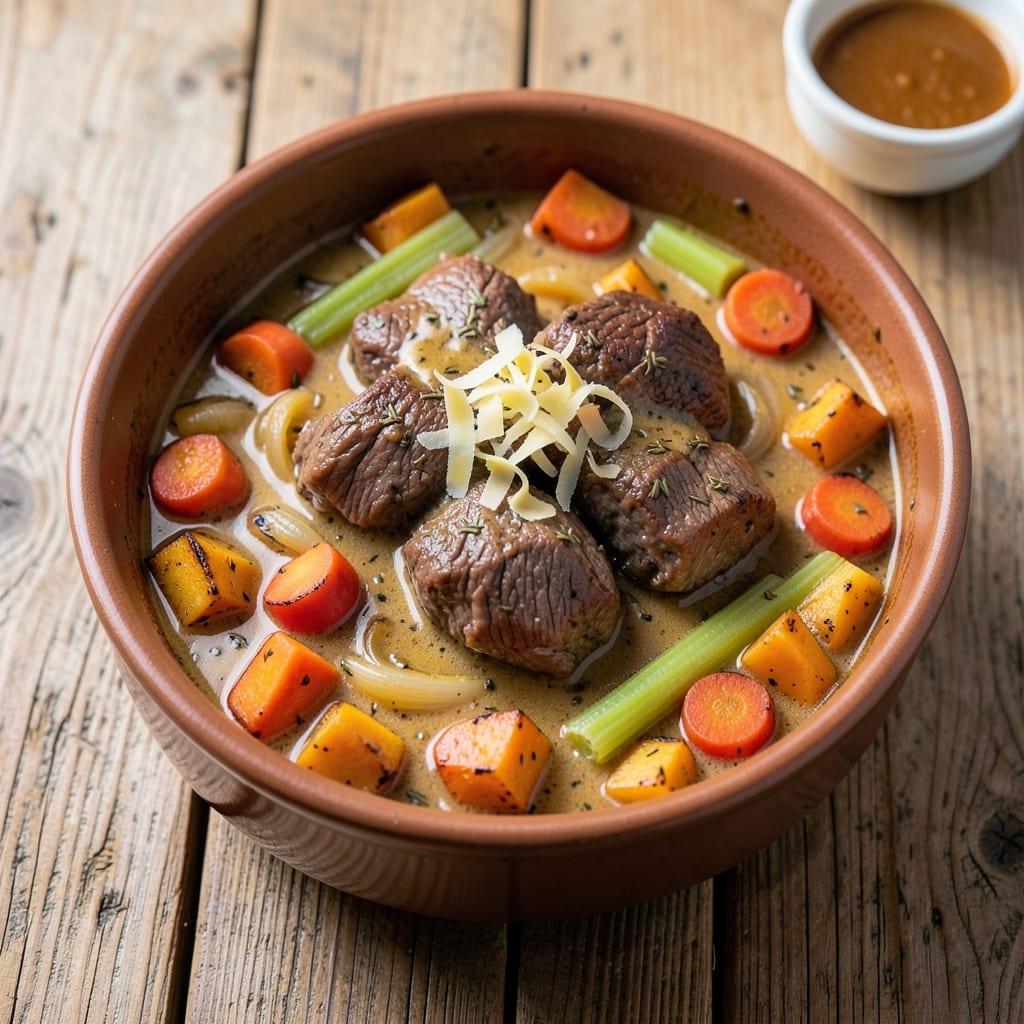
This beef and butternut squash stew delivers the ultimate deep-simmered comfort with rich beef and naturally sweet, caramelized squash. The secret lies in slow-cooking beef until tender while roasting the squash to concentrate its natural sugars—creating a perfect balance of hearty and sweet flavors. I developed this recipe during chilly evenings when I craved a meal that warmed both body and soul, and it quickly became a weekly staple.
The process begins with browning the beef for deep flavor, then simmering it with aromatic vegetables until fork-tender. Meanwhile, the butternut squash roasts until its edges caramelize, adding a touch of sweetness that contrasts beautifully with the savory beef. The result is a stew so rich and satisfying that it transforms simple ingredients into something extraordinary—perfect for cozy nights or gathering loved ones around the table.
What makes this stew truly special is how the flavors meld together over time. The beef becomes impossibly tender, the squash develops a perfect caramelized texture, and the broth reduces to a velvety consistency that coats every bite. Each spoonful delivers a perfect harmony of sweet, savory, and comforting elements, making it a dish that feels both indulgent and wholesome.
This recipe is designed to be your go-to for hearty meals, whether you're feeding a family or treating yourself to a comforting dinner. The long simmering time ensures maximum flavor development, while the simple ingredients make it accessible for home cooks of all levels. Let's create this deeply satisfying stew that brings warmth to any meal.
Ingredients for beef and butternut squash stew
Sixteen ingredients for a stew that transforms simple pantry staples into deep-simmered comfort.
| Ingredient | Amount | Notes |
|---|---|---|
| Chuck Roast Beef 🥩 | 2 ½ lb | Cut into 1.5-inch cubes |
| Butternut Squash 🎃 | 3 lb | Peeled, cut into 1-inch cubes |
| Yellow Onion 🧅 | 1 whole | Diced, about 1.5 cups |
| Garlic Cloves 🧄 | 6 cloves | Minced, about 2 tbsp |
| Carrots 🥕 | 4 whole | Peeled, cut into 1-inch chunks |
| Celery Stalks 🌿 | 4 whole | Diced, about 1 cup |
| Tomato Paste 🍅 | ½ cup | Squeeze tube preferred |
| Dry Red Wine 🍷 | 1 cup | Bold variety like Cabernet |
| Beef Broth 💧 | 4 cups | Low-sodium preferred |
| Olive Oil 🫒 | 2 tbsp | Extra-virgin for richness |
| Thyme Sprigs 🌿 | 2 whole | Fresh, or 1 tsp dried |
| Bay Leaves 🍃 | 2 whole | Dried, removed before serving |
| Salt 🧂 | 1 ½ tsp | Kosher or sea salt |
| Black Pepper 🌶️ | 1 tsp | Freshly ground preferred |
| Balsamic Vinegar 🍶 | 1 tbsp | For finishing touch |
The beef is where it all begins—chuck roast delivers that melt-in-your-mouth tenderness you crave. Grab it from the butcher counter if possible, where they'll cube it for you (saves time), or ask for a whole roast to cube yourself. Look for good marbling—those little white flecks mean more flavor. The butternut squash? Local farmers markets often have pre-cut squash in fall, but whole squash keeps for weeks if stored in a cool, dark place. Roasting it separately concentrates its natural sweetness—don't skip this step, trust me. For the wine, any bold red works—Cabernet Sauvignon or Merlot from your local wine shop will do the trick.
No red wine? Beef broth with a splash of balsamic gets you close—just add 1 tbsp balsamic to the broth. Fresh thyme is ideal, but dried works at one-third the amount (and lasts months in your spice drawer). The tomato paste can be the squeeze tube kind from Trader Joe's—no waste, and it keeps forever. Carrots and celery? Baby carrots or pre-cut celery sticks save chopping time, but whole works fine. For the olive oil, California extra-virgin from the grocery store's olive oil section adds that fruity richness. And if you're out of balsamic vinegar, a dash of apple cider vinegar works in a pinch—just reduce the amount to half.
This stew only gets better with time—make a double batch and freeze half for those lazy nights. The beef stays tender for 4-5 days in the fridge, and the squash keeps its sweetness for 3 days. For leftovers, reheat gently on the stove with a splash of broth to restore that velvety texture. I always portion mine into glass containers—they keep flavors fresher than plastic, and you'll thank yourself when you're pulling it straight from the fridge on a cold morning. The aroma alone will make your kitchen feel like a cozy hug.
Why You'll Love This Recipe
- One-Pot Magic: I swear by this—just dump everything in one pot, let it simmer, and walk away. No chopping boards to clean, no extra pans, and that chuck roast practically melts into tender perfection while you’re doing anything else.
- Sweet-Savory Balance: The butternut squash caramelizes into rich sweetness, while the chuck roast stays juicy and deep. Honestly, the first bite makes me close my eyes—like a hug in a bowl, but way tastier.
- Leftovers That Shine: Between us, this stew begs for seconds, and the leftovers? Even better the next day. I freeze portions all the time—just reheat, and it’s like I made it fresh. (Yes, even on a Tuesday night.)
- Budget-Friendly Feast: Chuck roast and squash stretch this into a full meal without breaking the bank. I’ll be real: it’s my go-to when I need to feed the family without stressing over grocery costs. Plus, the carrots add color and crunch for almost no effort.
Step-by-step instructions for beef and butternut squash stew
This rich, hearty stew delivers deep flavor and velvety texture through careful layering and slow simmering.
🍳 Step 1: Sear the Beef for Deep Flavor
Heat 1 tablespoon olive oil in a large Dutch oven over medium-high heat until shimmering. Working in batches, add the 2.5 lb chuck roast beef cut into 1.5-inch cubes and sear for 2-3 minutes per side until deeply browned. This creates the Maillard reaction that forms the stew's rich foundation.
Real talk: Don't overcrowd the pan—if the beef doesn't brown properly, the stew will taste flat. I like to work in two batches for maximum browning. Once all the beef is seared to a deep golden brown, transfer it to a plate and set aside. You'll hear the sizzle slow down as the fat renders—this is your cue the beef is ready.
👨🍳 Step 2: Build the Vegetable Base
In the same Dutch oven, add the remaining 1 tablespoon olive oil and reduce heat to medium. Add the 1 whole yellow onion and cook for 5 minutes until softened and translucent. Add the 4 whole carrots and 4 whole celery stalks (both cut into 1-inch chunks) and cook for another 5 minutes until they begin to soften.
Here's where the magic starts: Add the 6 cloves minced garlic and cook for just 30 seconds until fragrant. You'll smell that sweet, pungent aroma—this is when the garlic releases its full potential. Immediately add the 0.5 cup tomato paste and stir to coat the vegetables completely. Let it cook for 1 minute until it darkens slightly and loses its raw taste.
🍷 Step 3: Deglaze and Simmer the Stew
Pour in the 1 cup dry red wine and scrape up all those delicious browned bits from the bottom of the pot with a wooden spoon. This deglazing step captures all the flavor you worked so hard to create. Let the wine simmer for 3-4 minutes until it reduces by half and the alcohol burns off.
Add the 4 cups beef broth, 3 lb butternut squash cubes, 2 whole thyme sprigs, and 2 whole bay leaves. Bring to a gentle boil, then reduce heat to low and cover partially. Let it simmer for 1 hour and 15 minutes—this is where patience pays off. The stew should bubble gently, not vigorously, allowing the flavors to meld.
🔥 Step 4: Finish with Seasoning and Balsamic
After the initial simmer, add the seared beef back to the pot along with the 1.5 teaspoons salt and 1 teaspoon black pepper. Stir gently to combine, then return to a simmer for another 45 minutes until the beef is fork-tender and the squash is easily pierced with a knife.
In the final 10 minutes of cooking, stir in the 1 tablespoon balsamic vinegar. This adds a beautiful depth of flavor and a touch of tangy sweetness that balances the rich stew. Taste and adjust seasoning if needed—you might need a bit more salt to cut through the sweetness of the squash.
⏰ Step 5: Rest and Serve with Confidence
Remove the stew from heat and let it rest for 15 minutes before serving. This resting period allows the flavors to fully develop and the squash to absorb all that delicious liquid. Remove and discard the thyme sprigs and bay leaves before serving.
Ladle the stew into bowls and serve with crusty bread or over mashed potatoes. Each spoonful should deliver tender beef, sweet squash, and a complex interplay of savory, sweet, and tangy flavors. The beef should be effortlessly tender, falling apart with just a fork, while the squash remains intact but tender enough to pierce easily. This is comfort food at its finest—warm, satisfying, and full of hearty goodness.
Pro Tips For Making Beef And Butternut Squash Stew
- Brown the Beef First: Chuck roast needs that crust to stay tender, not turn to mush. Sear it in batches over medium-high heat until deep brown—about 3-4 minutes per side—before pulling it out. I learned this the hard way: skipping this step leaves you with stringy beef, no matter how long you simmer.
- Cube the Squash Evenly: Butternut squash cooks at its own pace, and uneven pieces mean some turn to mush while others stay raw. Aim for 1.5-inch chunks—big enough to hold shape but small enough to soften in the stew. (Yes, even if you’re impatient like me, resist the urge to make them smaller.)
- Don’t Overcrowd the Pot: Throwing everything in at once steams the beef instead of browning it. Cook onions, carrots, and garlic first until softened, then add the beef in a single layer. If your pot’s crowded, work in batches—this guarantees flavor, not sad, pale meat.
- Deglaze with Wine or Broth: After searing the beef, scrape up those browned bits with a splash of red wine or beef broth—this isn’t optional, it’s the flavor foundation. Those bits pack umami, and skipping them means a stew that tastes like it’s missing something. (Your future self will notice.)
Wine and beer pairings for this dish
Red Wine Harmony
The rich, deep flavors of this beef and butternut squash stew pair beautifully with bold red wines that complement its savory and sweet notes. I reach for a Cabernet Sauvignon from Napa Valley—its dark fruit flavors and velvety tannins mirror the stew's depth. The 1 cup dry red wine already in the recipe is a great starting point, so you might as well open a bottle of the same variety for drinking. 🍷
Malbec Magic
For a slightly sweeter profile that enhances the butternut squash's natural caramelization, try an Argentine Malbec. This wine's plum and dark chocolate notes create a perfect balance with the beef's richness. Look for a bottle from Mendoza—it's often more affordable than Cabernet and delivers incredible depth. The balsamic vinegar in the recipe will harmonize beautifully with Malbec's fruit-forward character.
Beer Pairings
If you prefer beer, a dark amber ale with caramel and toasty notes works wonderfully. I love pairing this stew with a Samuel Adams Noble Experiment—its malty sweetness and subtle spice complement the squash's caramelization. For a lighter option, try a Belgian-style dubbel like Westmalle's—its fruity complexity stands up to the stew's depth without overpowering it. 🍺
Seasonal White Wine
Don't overlook white wines for this stew, especially if you prefer something lighter. A Viognier from California offers floral and stone fruit notes that contrast beautifully with the beef's richness. The wine's natural sweetness also balances the stew's savory elements. For a more affordable option, try a Riesling with slight sweetness—it's a crowd-pleaser that pairs surprisingly well with hearty beef dishes.
Non-Alcoholic Options
For those skipping alcohol, a sparkling cranberry juice or ginger beer adds refreshing acidity that cuts through the stew's richness. I also love serving it with a sparkling apple cider—the effervescence cleanses the palate between bites. For a more sophisticated non-alcoholic option, try a flavored sparkling water with a splash of grapefruit juice and a pinch of salt.
Final Sip Suggestion
No matter which pairing you choose, let the wine or beer breathe for 10-15 minutes before serving. This allows the flavors to open up and harmonize with the stew's complex profile. I always pour a glass 30 minutes before dinner to give it time to develop—you'll notice the difference immediately. Trust me, this small step elevates the entire dining experience. 💫
Nutrition facts
Frequently asked questions
Can I substitute butternut squash with another winter squash?
You can use acorn squash or delicata squash as direct substitutes—they have similar sweetness and texture. For a different flavor profile, try sweet potato (add 1 teaspoon cinnamon to complement it) or pumpkin (though it's slightly less sweet). Just adjust cooking time—sweet potatoes and pumpkin may need 10-15 minutes less simmering time.
How do I make this stew in a slow cooker?
First, brown the beef and sauté the vegetables as directed in the recipe. Then transfer everything (including the seared beef) to your slow cooker. Add all remaining ingredients except the balsamic vinegar. Cook on low for 8 hours or high for 5 hours. In the last 30 minutes, stir in the balsamic vinegar. The slow cooker keeps the beef incredibly tender while letting the squash soften perfectly—just check for doneness with a fork!
Why did my beef turn out tough instead of tender?
Overcooking is the most common culprit! The beef should simmer gently for 45 minutes after adding it back—no longer. Use a meat thermometer to check: the internal temperature should reach 195°F (not 203°F or higher). Also, make sure you're using chuck roast—it's the most forgiving cut for slow cooking. If you're in a hurry, try short ribs instead—they're even more tender when cooked low and slow.
Can I make this stew ahead of time?
This stew actually tastes better the next day! Let it cool completely, then store in an airtight container in the fridge for up to 5 days. The flavors deepen as the squash absorbs more liquid. For freezing, portion into glass containers (plastic can absorb odors) and freeze for up to 3 months. Thaw overnight in the fridge, then reheat gently on the stove with a splash of broth to restore that velvety texture.
What's the best way to reheat leftovers?
Never microwave this stew directly—it makes the beef rubbery! Instead, reheat on the stovetop over medium-low heat for 10-15 minutes, stirring occasionally and adding 1-2 tablespoons broth if it gets too thick. For extra richness, stir in 1 teaspoon butter or 1 tablespoon cream at the end. If you're short on time, you can also reheat in a 350°F oven for 20-25 minutes covered with foil.