
Soups & Stews
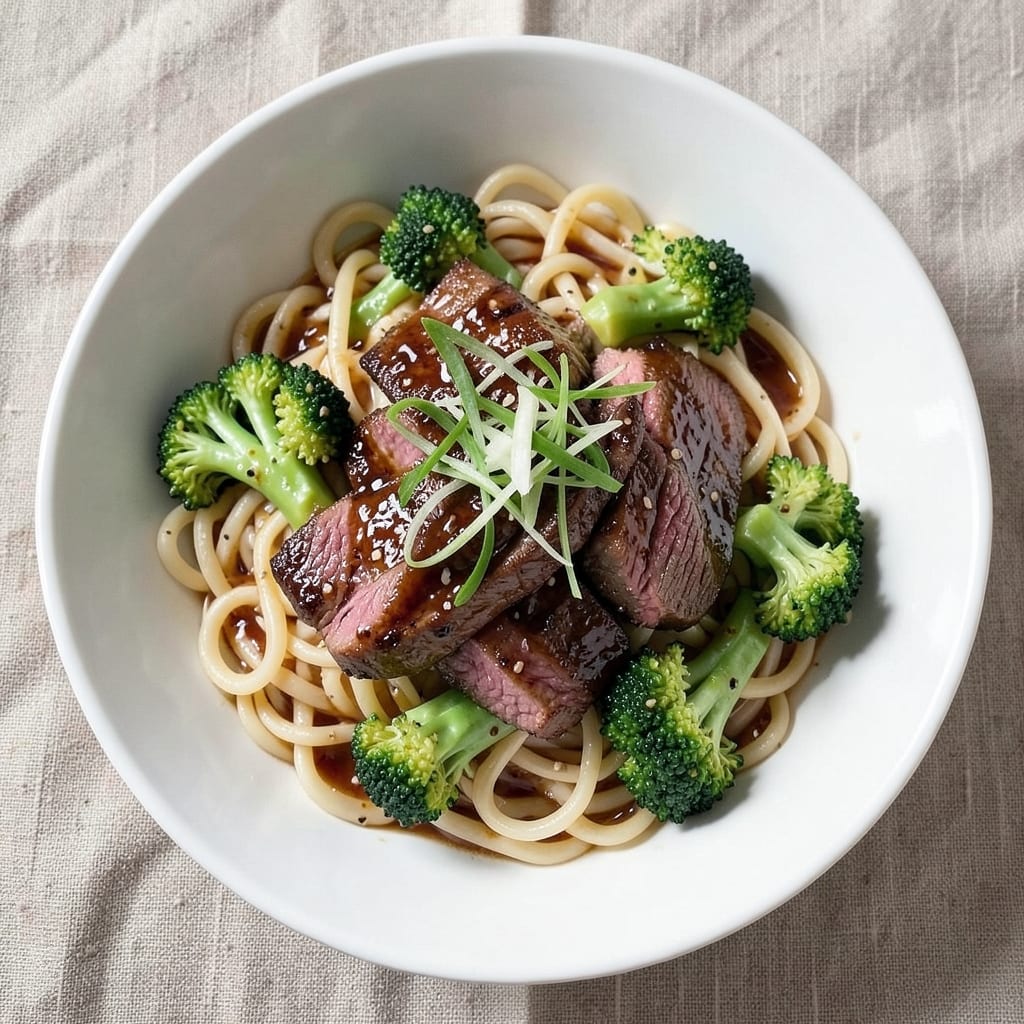
This beef and broccoli udon stir fry delivers the perfect balance of wok-hei crispy beef and slippery, chewy noodles in under 30 minutes. The secret lies in high-heat searing for that signature caramelized crust while keeping the udon perfectly tender. I developed this recipe after years of perfecting stir-fry techniques, and it never fails to impress—whether you're feeding a crowd or treating yourself to a restaurant-quality meal at home.
The foundation starts with thinly sliced beef marinated in a simple soy-ginger mixture, which develops deep umami flavors while staying tender. Fresh broccoli florets add vibrant color and crisp texture, while the udon noodles soak up the savory sauce beautifully. What makes this dish truly special is the sauce—a balanced blend of soy, garlic, and a touch of sweetness—that coats every bite without overpowering the natural flavors of the beef and vegetables.
By the time you're done, you'll have a plate of golden-brown beef with crispy edges, bright green broccoli, and glossy udon noodles tossed in a rich, aromatic sauce. The high-heat stir-fry technique ensures that beef stays juicy while achieving that coveted crispy texture, and the noodles maintain their signature chewiness. This dish is hearty enough to stand alone but pairs perfectly with steamed rice if you want to stretch it into a full meal.
Serve immediately while everything is hot, garnished with fresh green onions for a pop of color and brightness. The aroma alone will have everyone at the table anticipating that first bite—where the textures and flavors come together in perfect harmony. Let's get cooking!
Ingredients for beef and broccoli udon stir fry
Fresh udon, tender beef, and crisp broccoli—these are the stars of your perfect stir-fry.
| Ingredient | Amount | Notes |
|---|---|---|
| Udon Noodles 🍜 | 8 oz | Fresh or dried, uncooked |
| Flank Steak 🥩 | 1 lb | Thinly sliced against grain |
| Broccoli Florets 🥦 | 4 cups | Fresh, cut into bite-sized pieces |
| Green Onions 🧅 | ¼ cup | Sliced, for garnish |
| Sesame Oil 🫒 | 1 tbsp | For aroma, not cooking |
| Vegetable Oil 🫒 | 2 tbsp | High smoke point preferred |
| Soy Sauce 🍶 | ½ cup | Light or all-purpose |
| Oyster Sauce 🍶 | 2 tbsp | For depth of flavor |
| Rice Vinegar 🍶 | 1 tbsp | White or seasoned |
| Fresh Ginger 🌿 | 1 tbsp | Grated, fresh preferred |
| Garlic Cloves 🧄 | 4 cloves | Minced, fresh preferred |
| Brown Sugar 🍯 | 1 tbsp | Light or dark |
| Salt 🧂 | 1 tsp | Kosher or sea salt |
| Black Pepper 🌶️ | ½ tsp | Freshly ground preferred |
| Toasted Sesame Seeds 🌾 | 1 tsp | For garnish |
The udon noodles make or break this dish. Fresh udon from an Asian market has that perfect chewy texture, but dried works too—just cook it a minute less than package instructions. For the beef, flank steak is ideal—it's lean enough to sear fast but tender when sliced thin. I usually grab mine at H Mart or local Asian grocers since they carry better quality cuts. If you're using pre-sliced beef, pat it dry with paper towels before marinating—it sears better that way. The broccoli should be bright green and firm—Trader Joe's has great pre-cut florets if you're short on time.
No oyster sauce? Hoisin sauce at half the amount works in a pinch, though it's sweeter. Fresh ginger and garlic are non-negotiable for that authentic flavor—dried won't cut it. The soy sauce can be regular or low-sodium, but adjust the salt at the end if needed. Short on brown sugar? Honey or maple syrup works, but the caramelization won't be as rich. For the oil, avocado or peanut oil has the highest smoke point—don't use olive oil or it'll burn. And if you're feeling fancy, toasted sesame oil adds incredible aroma, but regular sesame oil works too.
Cook the udon just until al dente—it'll finish cooking in the wok. Store leftover beef and sauce separately in the fridge for up to 3 days. The sauce keeps for 5 days if you make extra. I always double the sauce because it's perfect over rice or noodles the next day. For freezing, portion the sauce into ice cube trays—thaw as needed for quick stir-fries. And if you've got extra broccoli, blanch it first—it reheats beautifully.
Why You'll Love This Recipe
- One-Pan Magic: I swear by this recipe when I’m too tired to wash extra dishes. The flank steak and broccoli sizzle in the same pan while the udon cooks—no pots, no fuss, just one sheet pan that’s almost too easy to resist.
- Umami Bomb: That first bite? The sesame oil hits like a warm hug, while the flank steak stays juicy with just a hint of char. Honestly, the broccoli florets soak up the sauce so well, they taste like they’ve been braised—not just stir-fried.
- Lunchbox Hero: Between us, this is my go-to for meal prep. Pack the leftovers cold, and the udon stays satisfyingly chewy while the beef and broccoli hold their texture. My kids grab it for school lunches, and I still sneak bites from the container.
- Budget Win: Flank steak is affordable, udon is a pantry staple, and broccoli lasts forever in the fridge. I stretch a single package of udon into three meals, and the leftovers reheat like they’re fresh. Not the prettiest, but the taste makes up for it every time.
Step-by-step instructions for beef and broccoli udon stir fry
Here's how to achieve that perfect wok-hei balance—crispy beef, slippery noodles, and a glossy sauce.
Prepare the Udon Noodles for Maximum Slipperiness
Bring a large pot of water to a rolling boil and add the 8 oz udon noodles. Cook according to package instructions until they're al dente—about 3-4 minutes for dried or 1-2 minutes for fresh. The noodles should be tender but still offer a slight bite.
Drain immediately and rinse under cold water for 10 seconds to stop the cooking process. Toss the noodles with 1 tablespoon sesame oil and set aside. This step is crucial—overcooking makes them mushy, while undercooking means they won't soften properly during stir-frying.
Marinate and Sear the Flank Steak
In a bowl, combine 1 tablespoon soy sauce, 1 tablespoon rice vinegar, 1 tablespoon brown sugar, 1 teaspoon salt, and ½ teaspoon black pepper. Add the 1 lb flank steak and toss to coat evenly. Let it marinate for at least 15 minutes—this ensures tender, flavorful beef.
Heat 1 tablespoon vegetable oil in a wok or large skillet over high heat until shimmering. Add the steak in a single layer and sear for 2-3 minutes per side until deep golden brown and cooked to medium-rare (135°F internal temp). Remove and set aside—this high-heat sear creates that signature wok-hei crispiness we're after.
Stir-Fry the Broccoli and Aromatics
In the same wok, add the remaining 1 tablespoon vegetable oil and heat over medium-high heat. Add the 4 cups broccoli florets and stir-fry for 3-4 minutes until bright green and just tender-crisp. Remove and set aside with the steak.
In the same wok, add 4 cloves minced garlic and 1 tablespoon grated fresh ginger. Stir for 30 seconds until fragrant—this releases their full flavor without burning. Pour in ½ cup soy sauce and 2 tablespoons oyster sauce, scraping up any browned bits from the bottom. Let it simmer for 1 minute until slightly reduced.
Combine Everything for Perfect Balance
Return the steak and broccoli to the wok. Add the cooked 8 oz udon noodles and toss everything together for 1-2 minutes until the noodles are heated through and coated with the sauce. The high heat will create that signature wok-hei flavor—watch for the sauce to thicken slightly as it coats the ingredients.
Taste and adjust seasoning if needed. The sauce should be slightly glossy with a balance of salty, sweet, and umami flavors. If it's too thick, add 1-2 tablespoons hot water to loosen it. Remove from heat immediately—overcooking will turn the noodles mushy.
Garnish and Serve with Confidence
Transfer the stir-fry to serving plates and garnish with ¼ cup sliced green onions and 1 teaspoon toasted sesame seeds. The contrast of textures—crispy beef, slippery noodles, and tender broccoli—is what makes this dish so satisfying.
Serve immediately while everything is hot. The noodles should be tender but still hold their shape, the beef juicy with a crispy exterior, and the sauce clinging beautifully to each component. This is where all the careful preparation pays off—every bite delivers that perfect wok-hei experience.
Pro Tips For Making Beef And Broccoli Udon Stir Fry
- Slice Steak Thin: Grab a sharp knife and slice the flank steak against the grain at a 45-degree angle—no thicker than ⅛-inch or it’ll stay chewy. I used to eyeball it and end up with tough strips; now I measure against the edge of my knife for consistency.
- Blanch Broccoli First: Toss broccoli florets in boiling water for 30 seconds before stir-frying—this softens them just enough to cook through without turning mushy. Skip this, and you’ll end up with overcooked stems and underwhelming florets.
- Cook Udon Al Dente: Boil udon noodles one minute less than package instructions, then finish cooking in the hot wok with the beef and sauce. They’ll soak up flavors better and won’t turn to mush—trust me, I’ve ruined a plate of soggy udon.
- Finish with Sesame Oil: Drizzle sesame oil after everything’s off heat—it burns fast and adds a nutty aroma that disappears if you add it too early. A teaspoon at the end makes all the difference.
Serving suggestions for this beef and broccoli udon stir fry
Garnish Like a Pro
Fresh green onions sliced into ¼-inch pieces add vibrant color and a mild onion bite that brightens every bite. Toast 1 teaspoon sesame seeds in a dry skillet over medium heat for 1 minute until golden—this enhances their nutty aroma. Sprinkle them generously over the finished dish for that authentic restaurant touch. 🌿
Sauce Variations
For extra richness, drizzle 1 teaspoon chili oil over each serving—it adds a subtle kick and vibrant red color. If you prefer tanginess, add ½ teaspoon rice vinegar and a pinch of white pepper to the sauce before tossing. For a smoky twist, swap 1 tablespoon soy sauce with 1 tablespoon dark soy sauce—it deepens the color and adds complexity.
Side Dish Pairings
Steamed jasmine rice is a classic choice—it soaks up the sauce beautifully. For a lighter option, serve with a simple cucumber salad—thinly sliced cucumbers tossed with 1 tablespoon rice vinegar, ½ teaspoon salt, and ½ teaspoon sugar. The cool crunch contrasts perfectly with the warm stir-fry. For extra heartiness, add steamed bok choy—its mild flavor balances the bold beef and sauce.
Presentation Tips
Use a large rectangular platter—it makes the dish look more impressive and allows for easy serving. Arrange the beef and broccoli in a circular pattern with the noodles cascading around the edges. Garnish with extra sesame seeds and a few cilantro leaves for a pop of green. For a restaurant-style finish, add a drizzle of extra sauce in a zigzag pattern over the top.
Make It a Meal
Turn this into a full spread by adding egg rolls or spring rolls on the side. For a refreshing element, include a miso soup with tofu and wakame seaweed. The warm broth complements the rich flavors of the stir-fry. If you're serving a crowd, double the sauce and keep it warm in a slow cooker—it's perfect for dipping extra noodles or rice throughout the meal. 🍜
Nutrition facts
Frequently asked questions
Can I use dried udon noodles instead of fresh?
Dried udon works perfectly—just cook it 1 minute less than package instructions since it'll finish cooking in the wok. Rinse with cold water immediately after cooking to stop the process and prevent mushiness. The texture will be slightly firmer but still delicious when tossed with the sauce.
How do I get the beef extra crispy like restaurant versions?
Pat the beef slices very dry before marinating, then sear over maximum high heat in a screaming-hot wok. Cook in one layer without overcrowding, and resist the urge to move it too soon—2-3 minutes per side gives that golden crust. A splash of 1 teaspoon cornstarch in the marinade also helps create crispiness.
What if I don't have oyster sauce?
Use 2 tablespoons hoisin sauce plus 1 tablespoon soy sauce as a substitute—it's sweeter but still adds depth. For a saltier option, mix 2 tablespoons soy sauce with 1 teaspoon fish sauce and ½ teaspoon sugar. The dish will still be flavorful, though the umami profile will differ slightly.
Can I make this recipe ahead of time?
Store cooked components separately: refrigerate the beef and sauce for up to 3 days, and keep cooked udon in cold water (no more than 1 hour) to prevent sticking. Reheat everything in the wok together for 2-3 minutes—add a splash of water to loosen the sauce. The noodles may soften slightly but still taste great.
Why did my broccoli turn mushy?
Overcrowding the wok or cooking at too low heat causes steaming instead of stir-frying. Use medium-high heat and cook in batches if needed—3-4 minutes max for bright green, crisp-tender broccoli. Also ensure your wok is properly heated before adding oil to prevent temperature drops that make veggies soggy.