
Soups & Stews
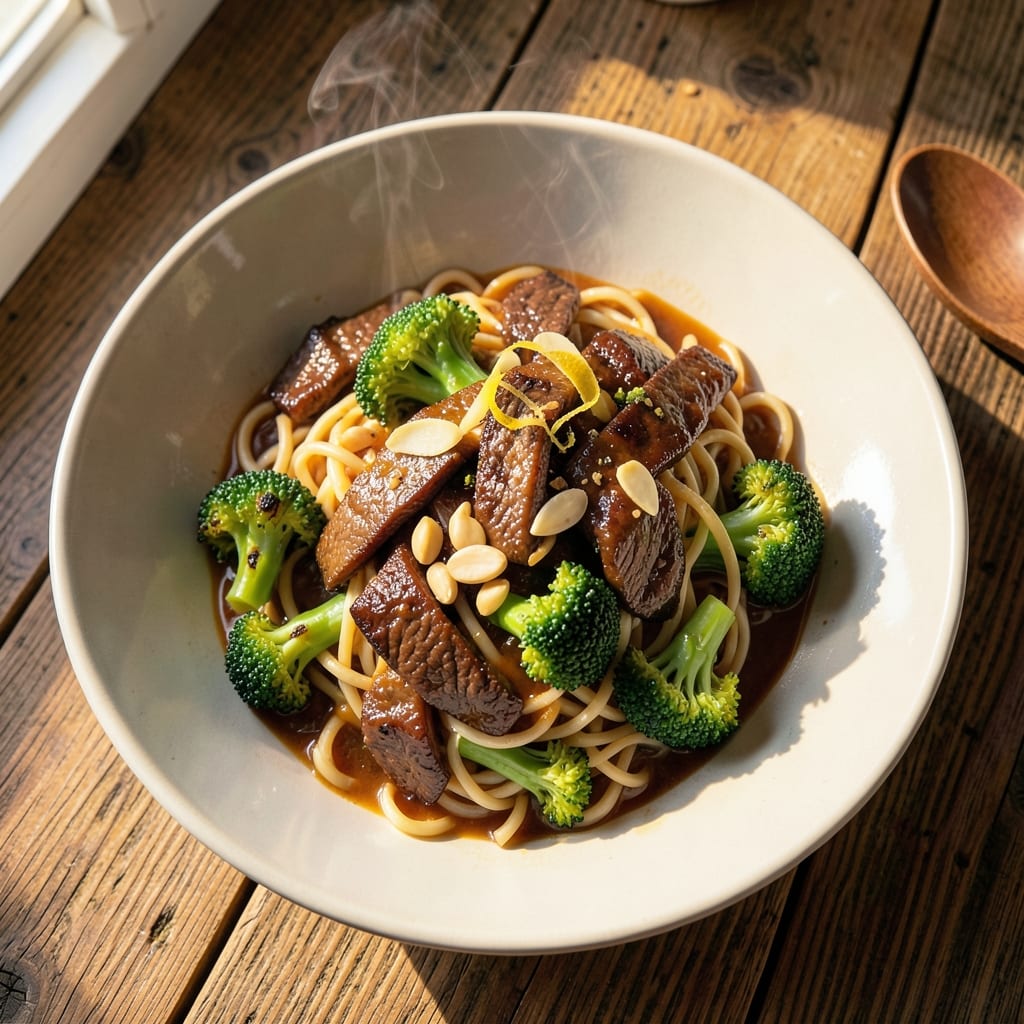
This beef and broccoli noodle stir fry delivers wok-hei crispy beef and bright, vibrant broccoli bites in under 30 minutes—a restaurant-quality dish you can master at home. The secret lies in high-heat searing for that signature char, balanced with a savory-sweet sauce that coats every ingredient perfectly. I've refined this recipe through countless weeknight dinners, ensuring it's foolproof for home cooks while maintaining authentic flavors.
The magic starts with thinly sliced beef that develops a crispy exterior while staying tender inside, paired with broccoli florets that retain their bright green color and satisfying crunch. Fresh egg noodles provide the perfect base, absorbing the rich sauce without becoming soggy. This dish isn't just about technique—it's about the harmony of textures and flavors that make every bite satisfying.
What you'll achieve is a perfectly balanced meal with crispy beef, tender broccoli, and al dente noodles all coated in a glossy sauce that's both savory and slightly sweet. The aroma alone will have everyone gathering around the table, while the first bite delivers that wok-hei flavor that's so hard to replicate at home. This is comfort food at its finest, ready in time for dinner.
Whether you're cooking for two or feeding a crowd, this recipe scales beautifully while maintaining its balance of protein, vegetables, and carbohydrates. The sauce can be adjusted to suit your preference—sweeter, saltier, or more umami—making it versatile for any taste. Let's get started on creating this wok-hei masterpiece that will become your new weeknight staple.
Ingredients for beef and broccoli noodle stir fry
Here's what transforms simple ingredients into restaurant-quality wok-hei beef and broccoli stir fry.
| Ingredient | Amount | Notes |
|---|---|---|
| Flank Steak 🥩 | 1 lb | Thinly sliced against grain |
| Fresh Egg Noodles 🍜 | 8 oz | Fresh or dried, cooked al dente |
| Broccoli Florets 🥦 | 4 cups | Bright green, cut into bite-sized pieces |
| Garlic Cloves 🧄 | 4 cloves | Minced for sauce |
| Fresh Ginger 🌿 | 1 ½ tbsp | Grated finely |
| Soy Sauce 🍶 | ½ cup | High-quality, low-sodium preferred |
| Oyster Sauce 🍲 | 2 tbsp | Authentic for umami depth |
| Sesame Oil 🫒 | 1 tbsp | Toasted for aroma |
| Brown Sugar 🍯 | 1 ½ tbsp | Lightly packed |
| Cornstarch 🌾 | 1 tbsp | For crispy beef coating |
| Vegetable Oil 🫒 | 2 tbsp | High smoke point |
| Green Onions 🧅 | 3 whole | Sliced thin for garnish |
| Sesame Seeds 🌱 | 1 tbsp | Toasted for crunch |
| Salt 🧂 | ½ tsp | Kosher or sea salt |
| Black Pepper 🌶️ | ¼ tsp | Freshly ground |
The beef is where the magic happens. Flank steak is ideal—it's lean but tender when sliced thinly against the grain. Grab it from the butcher counter if possible; they can slice it paper-thin for you. Costco or Whole Foods often have pre-sliced options, but if not, use a sharp knife and freeze the meat for 20 minutes first to make slicing easier. Fresh egg noodles are non-negotiable here—they absorb sauce like a dream. Trader Joe's has great pre-cooked ones, but if you're using dried, cook them just until al dente so they finish in the wok. Broccoli should be bright green; Trader Joe's or local farmers markets have the freshest florets.
No oyster sauce? Hoisin sauce plus a pinch of MSG gets you close. Swap brown sugar for honey or maple syrup if you prefer, but the caramelization is key for that glossy sauce. Fresh ginger loses potency fast, so buy it small and use it within 2 weeks—or grab the jarred version if you're in a pinch. Sesame oil is non-negotiable for aroma, but if you're sensitive to its strong flavor, use just half the amount and add more toasted sesame seeds at the end. The cornstarch coating on the beef is what gives it that signature crispy texture—don't skip it, even if you're not feeling it.
Prep everything before you heat the wok—this isn't a recipe for multitasking. The sauce can be made ahead and stored for up to 1 week in the fridge, but the beef and broccoli should go in fresh for that wok-hei flavor. If you've got leftovers (unlikely, but possible), they reheat beautifully in a steam basket over boiling water—microwaving makes the noodles soggy. Garnish with toasted sesame seeds right before serving; they add crunch and a nutty depth that takes this dish to the next level. Store any unused fresh ginger in the freezer—it keeps for months this way.
Why You'll Love This Recipe
- One-Pan Magic: Honestly, this dish is my go-to when I don’t want to dirty more than one pan. The flank steak slices and broccoli florets hit the wok together, then the egg noodles join in—no extra bowls, no extra mess. Just toss, stir, and serve.
- Umami Bomb: Between us, that combo of seared flank steak, fresh ginger, and garlic cloves? It’s dangerously addictive. The broccoli stays crisp-tender while the beef gets that perfect chewy bite—like a little flavor explosion in every forkful.
- Leftovers That Don’t Suck: I make this on Sundays and it’s still my lunch by Wednesday. The egg noodles reheat like a dream (no soggy disaster here), and the sauce clings to everything. Pack it cold or microwave it—either way, it’s just as good.
- Budget Feast: Flank steak stretches further than you’d think when sliced thin, and broccoli florets are one of the most affordable veggies out there. This feeds four for under $15, and I’ve never had anyone complain about the leftovers. (Yes, even on a Tuesday night.)
Step-by-step instructions for beef and broccoli noodle stir fry
Here's how to create wok-hei perfection with tender beef and vibrant broccoli in every bite.
Prep the Beef for Maximum Crispiness
Slice the 1 lb flank steak thinly against the grain into ¼-inch strips—this ensures tender bites. In a bowl, combine the sliced beef with 1 tbsp cornstarch, 0.5 tsp salt, and 0.25 tsp black pepper, tossing until evenly coated. Let it marinate for 10 minutes while you prep the rest. The cornstarch creates that signature crispy crust when seared.
Here's the thing—don't skip the grain direction. Cutting against it shortens the muscle fibers, making each bite more tender. If you're unsure which direction is against the grain, look for the natural lines in the meat and slice perpendicular to them. This prep step is what transforms tough flank steak into restaurant-quality stir-fry beef.
Cook the Noodles Al Dente
Bring a pot of water to a rolling boil and cook the 8 oz fresh egg noodles according to package instructions, but remove them 1 minute early—they'll finish cooking in the wok. Drain and rinse briefly with cold water to stop the cooking process, then toss with 1 tbsp sesame oil to prevent sticking. Set aside while you prepare the vegetables.
I always cook noodles slightly underdone because they'll absorb some of the sauce during the stir-fry. This technique ensures they're perfectly al dente when served. The sesame oil coating also adds a subtle nutty aroma that complements the beef beautifully. Don't skip this step—it makes all the difference in texture.
Stir-Fry the Broccoli for Bright Crunch
Heat 2 tbsp vegetable oil in a wok or large skillet over high heat until shimmering. Add the 4 cups broccoli florets in a single layer, stirring constantly for 2-3 minutes until bright green and just tender-crisp. Remove and set aside—you want them vibrant, not mushy. The high heat preserves their color and crisp texture.
This is where the wok-hei technique comes into play. The intense heat creates that signature smoky aroma while keeping the broccoli bright and crunchy. If your pan isn't hot enough, the broccoli will steam instead of sear. You'll know it's ready when the edges start to blister slightly—that's your cue to remove them.
Sear the Beef to Golden Perfection
In the same wok, add a little more vegetable oil if needed and increase heat to maximum. Working in batches if necessary, add the marinated beef and sear for 1-2 minutes until deep golden brown and crispy on the edges. Remove and set aside with the broccoli—this prevents overcooking while you build the sauce.
Here's a pro tip: Don't overcrowd the pan. If you do, the beef will steam instead of sear. The crispy crust comes from high heat and proper timing. You want that wok-hei aroma—smoky, slightly charred notes that elevate the entire dish. If the beef releases easily from the pan, it's ready to go.
Build the Sauce and Combine
Reduce heat to medium-high and add 4 cloves minced garlic, 1.5 tbsp grated fresh ginger, and 3 whole sliced green onions. Stir for 30 seconds until fragrant. Pour in 0.5 cup soy sauce, 2 tbsp oyster sauce, 1.5 tbsp brown sugar, and 1 tbsp sesame oil, stirring constantly for 1 minute until the sauce thickens slightly.
Return the beef and broccoli to the wok along with the cooked noodles. Toss everything together for 2-3 minutes until well coated and heated through. The sauce should cling to each ingredient, creating that perfect balance of sweet, salty, and umami flavors. If it's too thick, add a splash of water to loosen it.
Finish and Serve with Garnish
Transfer the stir-fry to serving plates and immediately garnish with 1 tbsp toasted sesame seeds and additional sliced green onions. The sesame seeds add a delightful crunch that contrasts with the tender beef and noodles. Serve while hot—this dish is best enjoyed immediately when everything is at its peak texture and temperature.
Each bite should deliver crispy beef, vibrant broccoli, and perfectly cooked noodles all coated in that glossy, flavorful sauce. The combination of textures and flavors makes this stir-fry truly special. Real talk: This is the moment where all your prep work pays off in every delicious bite.
Pro Tips For Making Beef And Broccoli Noodle Stir Fry
- Sear the Steak First: High heat is your friend here—get that flank steak screaming hot in a dry pan for 2-3 minutes per side before cutting. I learned this the hard way: thin slices won’t brown properly if you toss them in raw, and you’ll end up with mushy beef instead of tender, caramelized strips.
- Blanch Broccoli Briefly: Drop broccoli florets in boiling water for 30 seconds, then shock in ice water. This keeps them bright green and crisp-tender instead of soggy by the time they hit the wok. (Yes, even if you’re impatient like me—trust the process.)
- Don’t Overcrowd the Pan: Cook the beef in batches if needed—packing too much in the wok steams it instead of searing. I was skeptical until I tried it: the first batch gets that perfect crust, while the second stays juicy without competing for heat.
- Use Cold Noodles: Toss in fresh egg noodles straight from the fridge—they’ll cook faster and absorb the sauce better than warmed noodles. Just give them 1-2 minutes at the end, stirring constantly to avoid sticking. (Your future self will thank you.)
Storing and reheating your leftovers
Fridge Storage Tips
Store your beef and broccoli noodle stir fry in an airtight container with a tight-fitting lid to preserve that wok-hei aroma. I use glass Pyrex containers because they keep the dish fresh longer and don't absorb odors like plastic. Keep it refrigerated for up to 3 days—the noodles will soften slightly but still taste great when reheated properly. 🥣
Let the stir fry cool completely before storing to prevent condensation, which can make the noodles soggy. Divide into single-serving portions if you plan to reheat individual servings—this keeps the texture consistent. The sauce will thicken slightly in the fridge, so add a splash of water when reheating if needed.
Freezer-Friendly Method
For longer storage, freeze portions in single-layer trays first to prevent clumping. Once frozen solid, transfer to freezer bags or airtight containers, leaving ½ inch headspace for expansion. This dish freezes beautifully for up to 3 months—the beef stays crispy and the broccoli retains its vibrant color when reheated correctly. ❄️
Label your containers with the date to track freshness. When ready to eat, thaw overnight in the fridge for best results. Avoid microwaving directly from frozen—this is a recipe where texture matters, and you want that crispy beef and al dente noodles.
Reheating for Perfect Texture
My go-to method is reheating in a steam basket over boiling water for 5-7 minutes. This keeps the noodles from becoming mushy while gently warming through. Add 1 tbsp water or beef broth to the container before reheating to help restore the sauce's glossy consistency. 🔥
For stovetop reheating, use a nonstick skillet over medium heat with 1 tsp vegetable oil to prevent sticking. Toss the stir fry for 3-4 minutes until everything is heated through and the sauce is evenly distributed. The high heat helps restore some of that wok-hei crispiness.
Microwave as Last Resort
If you're in a hurry, use the microwave on 50% power for 2-3 minutes, stirring halfway through. Cover loosely with a damp paper towel to prevent drying. This method works best for individual servings and won't give you the same texture as stovetop reheating, but it's better than cold leftovers. 💡
Add a drizzle of sesame oil and a sprinkle of toasted sesame seeds after reheating to refresh the flavors. A few drops of soy sauce can also help revive the dish if it tastes flat. The key is working quickly—this stir fry is best enjoyed hot!
Nutrition facts
Frequently asked questions
Can I use dried noodles instead of fresh egg noodles?
Dried noodles work perfectly, but adjust cooking time carefully. Use 8 oz dried egg noodles or spaghetti, cooking them 1 minute less than package instructions (they'll finish in the wok). For extra flavor, add 1 tsp sesame oil to the cooking water. The key is al dente texture—overcooked noodles become mushy when stir-fried.
What if I don't have oyster sauce?
No problem! Mix 2 tbsp hoisin sauce with ½ tsp MSG for umami depth, or substitute with 2 tbsp soy sauce plus 1 tbsp honey. For vegetarian versions, use vegetable oyster sauce or 1 tbsp soy sauce + 1 tsp miso paste. The dish will still taste delicious—just slightly less complex.
Why is my beef tough instead of tender?
This usually happens when beef isn't sliced thinly against the grain or cooked too long. Freeze the meat for 20 minutes before slicing for easier cutting, and sear for only 1-2 minutes until golden. Overcrowding the pan also causes steaming instead of searing—work in batches if needed.
Can I make this gluten-free?
Yes! Swap soy sauce for tamari or coconut aminos, use gluten-free oyster sauce, and check noodle labels. For extra flavor, add 1 tbsp gluten-free fish sauce to the sauce. The dish maintains its balance while being allergy-friendly—just be mindful of cross-contamination if using shared utensils.
How do I get that restaurant-style wok-hei flavor at home?
The secret is high heat and proper technique! Use a carbon steel or cast iron wok (or heavy skillet) and crank heat to maximum. Sear beef in batches until deeply browned, then work quickly to combine everything. A blowtorch can add extra charred aroma—just torch the beef for 10 seconds before serving.