
Soups & Stews
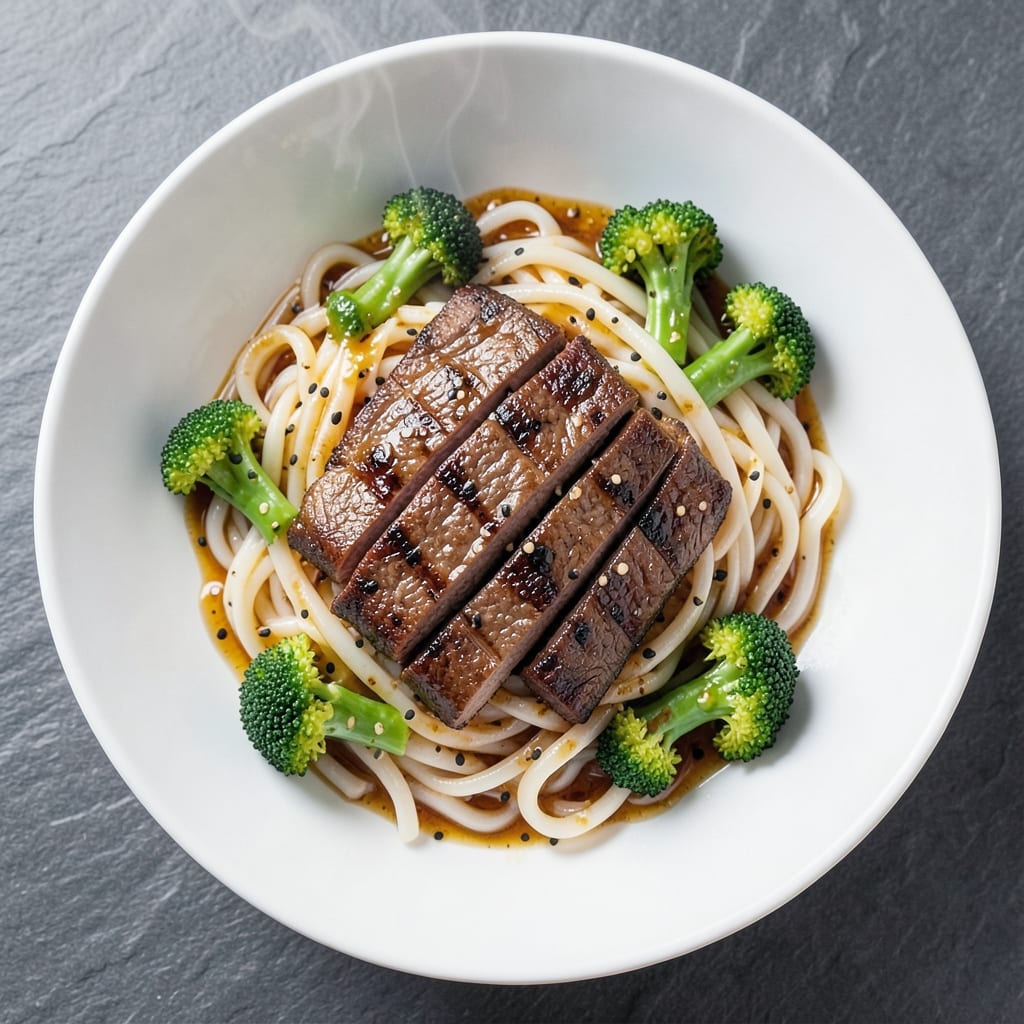
This beef and broccoli udon noodles recipe delivers restaurant-quality flavor in just 20 minutes—silky udon noodles tossed with tender beef, crisp-tender broccoli, and a savory-sweet sauce that balances umami and brightness. The secret lies in high-heat stir-frying for that signature wok hei (breath of the wok), while quick-cooking udon noodles keep them chewy without overcrowding the pan.
What sets this dish apart is the sauce—a perfect marriage of soy, garlic, and a touch of honey—that clings to every noodle and bite of beef. I've streamlined the process for home cooks by using pre-cooked udon noodles (just rinse and shock in hot water), so you can focus on achieving that perfect sear on the beef and broccoli. The result? A dish that's deeply satisfying yet simple enough for weeknight dinners.
By the time you're done, you'll have a bowl packed with tender beef strips, vibrant broccoli florets, and noodles that stay al dente and silky. The aroma alone will have everyone gathering around the table—this is the kind of meal that feels special without requiring hours in the kitchen. Garnish with green onions and sesame seeds for that final touch of freshness and crunch.
Whether you're serving this for a casual family dinner or a dinner party, it scales beautifully and tastes even better the next day. The leftovers keep well in the fridge, with the flavors deepening as the sauce melds further. Let's get cooking!
Ingredients for beef and broccoli udon noodles
Silky udon noodles, tender beef, and crisp broccoli—this stir-fry delivers restaurant-quality flavor in 20 minutes.
| Ingredient | Amount | Notes |
|---|---|---|
| Pre-Cooked Udon Noodles 🍜 | 8 oz | Rinsed and shocked in hot water |
| Flank Steak 🥩 | 1 lb | Thinly sliced against grain |
| Broccoli Florets 🥦 | 4 cups | Cut into bite-sized pieces |
| Low-Sodium Soy Sauce 🍶 | ⅓ cup | For balanced umami flavor |
| Sesame Oil 🫒 | 1 tbsp | Toasted for aroma |
| Honey 🍯 | 1 tbsp | For subtle sweetness |
| Garlic Cloves 🧄 | 4 cloves | Minced for bold flavor |
| Ginger Root 🌿 | 1 tbsp | Grated, fresh preferred |
| Vegetable Oil 🫒 | 2 tbsp | High smoke point for searing |
| Green Onions 🧅 | 3 whole | Sliced for garnish |
| Toasted Sesame Seeds 🌾 | 1 tbsp | For crunchy texture |
| Salt 🧂 | 1 tsp | Kosher or sea salt |
| Black Pepper 🌶️ | ½ tsp | Freshly ground |
The udon noodles are the star here. Pre-cooked udon from the Asian aisle (like Nissin or Maruchan) saves time—just rinse them to remove excess starch, then shock in hot water for 30 seconds to keep them silky. The beef matters too: flank steak slices beautifully against the grain, giving you that signature tender bite. For broccoli, fresh florets are best, but frozen works in a pinch—just blanch them for 2 minutes first. I always grab organic broccoli from Trader Joe's if I'm feeling fancy, but regular grocery store stuff tastes great too.
No soy sauce? Coconut aminos or tamari work perfectly—they’ve got that same umami punch. Fresh ginger is ideal, but dried ginger at half the amount gets you close. Short on sesame oil? Toasted peanut oil adds a nice nutty depth. The honey can be swapped for maple syrup or agave if you're avoiding it. For extra richness, splash in 1 tsp of oyster sauce (vegetarian version if needed). And if you're serving this for a crowd, double the sauce ingredients—it’s the best part!
Leftovers taste even better the next day—honestly, the flavors meld into something deeper. Store in an airtight container for up to 3 days in the fridge. Reheat gently in a skillet with a splash of water to keep the noodles from drying out. The sauce can be made ahead too—just keep it in the fridge and toss it with the noodles when ready. Garnishes like green onions and sesame seeds stay fresh for 5 days in a sealed container, so prep those ahead of time for easy assembly.
Why You'll Love This Recipe
- No-Chop Night Saved: I swear by pre-cooked udon here—just reheat, toss, and boom. The only chopping is the broccoli, which takes less time than waiting for water to boil.
- Umami Bomb Combo: That flank steak, sliced thin and seared, melts in your mouth while the soy sauce and sesame oil turn the broccoli into crisp-tender perfection. Honestly, the first bite makes me close my eyes.
- Lunchbox Hero: Pack these noodles cold or reheated—they’re sturdy enough for work lunches but still taste like you slaved over them. My kids actually eat their veggies this way. (Yes, even on a Tuesday.)
- Budget Power Move: Flank steak stretches further than you’d think, and udon’s cheap in bulk. I make this twice a month, and the leftovers? Even better the next day with a splash of sesame oil.
Step-by-step instructions for beef and broccoli udon noodles
Here's how to create a perfectly balanced stir-fry with tender beef, crisp broccoli, and silky udon noodles.
Prepare the Broccoli and Marinate the Beef
Start by cutting the 4 cups broccoli florets into even bite-sized pieces—about 1-inch in diameter. Set aside in a bowl. In a separate bowl, combine the 1 lb flank steak with 0.33 cup low-sodium soy sauce, 1 tbsp honey, 1 tbsp grated ginger root, and 0.5 tsp black pepper. Mix gently to coat the steak evenly, then let it marinate for 15-20 minutes at room temperature. This ensures deep flavor penetration and tender slices.
While the beef marinates, rinse the 8 oz pre-cooked udon noodles under cold water to remove excess starch, then drain well. Shock them in a bowl of hot water for 30 seconds to refresh their texture. Drain again and set aside. The noodles should be warm but not mushy—this step prevents them from turning soggy when stir-fried later.
Sear the Beef and Sauté Aromatics
Heat a large wok or skillet over high heat until it's smoking hot. Add 2 tbsp vegetable oil and swirl to coat the bottom. Working in batches if needed, add the marinated beef slices and sear for 1-2 minutes per side until they develop a deep brown crust. Remove the beef and set aside on a plate.
In the same pan, add 1 tbsp vegetable oil and swirl to coat. Add the 4 minced garlic cloves and cook for 30 seconds until fragrant—don't let them burn. Add the prepared broccoli florets and stir-fry for 3-4 minutes until bright green and just tender-crisp. The broccoli should retain a slight bite; overcooking will make it mushy. Season with 1 tsp salt and 0.5 tsp black pepper to taste.
Combine Everything and Finish the Sauce
Return the seared beef to the wok along with the cooked broccoli. Add the 1 tbsp toasted sesame oil and toss everything together for 1 minute to combine. Pour in the 8 oz udon noodles and toss gently to coat them in the beef and broccoli mixture. Stir-fry for another 2 minutes until the noodles are heated through and the flavors meld together.
Drizzle in 1 tbsp sesame oil and toss again to distribute evenly. Taste and adjust seasoning if needed—you might want to add a splash of water or a bit more soy sauce for balance. The dish should have a perfect harmony of sweet, savory, and umami flavors with a subtle nutty aroma from the sesame oil.
Garnish and Serve Immediately
Transfer the beef and broccoli udon noodles to serving bowls. Garnish with 3 sliced green onions and 1 tbsp toasted sesame seeds for color and texture. Serve immediately while hot, as the noodles are best enjoyed fresh. The dish should be vibrant, with tender beef slices, crisp-tender broccoli, and silky noodles coated in a glossy sauce.
This stir-fry delivers a restaurant-quality meal in under 30 minutes, with minimal cleanup. The key is high heat, quick cooking, and balancing all the flavors together at the end. Enjoy with a side of steamed greens or a simple cucumber salad for a complete meal.
Pro Tips For Making Beef And Broccoli Udon Noodles
- Slice Thin, Sear Fast: Flank steak’s trickiest part is uneven cooking, so slice it paper-thin against the grain—about ⅛-inch thick—and sear in a screaming-hot pan for 30 seconds per side. I used to drag out the cooking, and the edges would turn rubbery while the center stayed cold. High heat and speed are your friends here.
- Blanch Broccoli First: Toss broccoli florets in boiling water for 45 seconds before stir-frying—this softens them just enough to cook through without turning to mush. I learned this after one disastrous batch where the florets stayed crunchy while the beef turned to leather. Drain well and shock in ice water to stop cooking.
- Use Cold Udon: Rinse pre-cooked udon noodles under cold water and let them sit in an ice bath for 2 minutes before adding to the pan. This prevents them from turning to glue when they hit the hot sauce. I was skeptical—until I realized my noodles were clumping like overcooked pasta every time.
- Double the Soy Sauce: The low-sodium soy sauce won’t pack enough flavor on its own, so use twice the amount listed in the recipe and balance with a splash of rice vinegar. I used to skimp, and the dish tasted flat until I realized I needed to compensate for the lack of salt. Trust me, it’s worth the extra splash.
Storing and reheating this recipe
Refrigerator Storage
Store your beef and broccoli udon noodles in an airtight container with a tight-fitting lid to keep moisture out. The dish stays fresh for up to 3 days in the fridge—honestly, the flavors deepen overnight as the sauce melds. Let it cool completely before storing to prevent condensation, which can make the noodles soggy. I always portion it into 2-cup containers for easy reheating later. 💛
Freezer-Friendly Tips
This dish freezes beautifully for up to 2 months without losing texture. Spread the noodles in a single layer on a tray and freeze until solid, then transfer to a freezer bag with excess air squeezed out. When reheating, thaw overnight in the fridge—never microwave frozen directly. The sauce might thicken slightly, so add a splash of water when reheating. 🧊
Stovetop Reheating
My preferred method is stovetop reheating—it keeps the noodles silky and prevents drying. Heat a skillet over medium heat and add 1 tbsp vegetable oil and 2 tbsp water. Toss in your udon noodles and stir-fry for 3-4 minutes until heated through. Add a splash of low-sodium soy sauce if needed to restore balance. The beef and broccoli will warm through in the process. ✨
Microwave Method
For quick reheating, use the microwave on 50% power to avoid overcooking. Cover the dish with a damp paper towel and heat in 1-minute intervals, stirring between each. Add 1-2 tbsp water if the noodles look dry. The microwave can make broccoli limp, so I recommend this only for leftovers—freshly made is always better. 🔥
Sauce Refresh
If the sauce seems dull after reheating, revive it with ½ tsp toasted sesame oil or a splash of hot water. For extra umami, stir in ½ tsp fish sauce (or soy sauce for vegetarian). The key is to keep the noodles moist—never let them dry out, or they'll lose that signature chewy texture. A quick toss with fresh green onions adds brightness too. 🌿
Garnish Prep
Toast sesame seeds in a dry skillet for 30 seconds until fragrant—store them in an airtight container for up to 5 days. Slice green onions and keep them refrigerated in a sealed container. These garnishes stay fresh longer than you'd think, making assembly easy for busy weeknights. 🌾
Nutrition facts
Frequently asked questions
Can I use fresh udon noodles instead of pre-cooked?
Fresh udon noodles work beautifully but require 5-7 minutes of boiling first. After cooking, rinse them in cold water to stop the cooking process and remove excess starch. The texture will be slightly firmer than pre-cooked, but the flavor is richer. Just adjust your timing—fresh noodles need extra attention in the stir-fry to avoid overcooking.
What's the best way to cut flank steak for this recipe?
Slice the flank steak thinly against the grain—about ¼-inch thick—for maximum tenderness. Use a sharp knife and cut at a slight angle to create even strips. If the slices aren't uniform, they'll cook unevenly. For extra flavor, let the meat sit at room temperature for 15 minutes before cooking to ensure even searing.
How do I prevent the broccoli from turning mushy?
High heat is key! Stir-fry broccoli for just 3-4 minutes over high heat until bright green and slightly crisp. Overcrowding the pan lowers the temperature, leading to steaming instead of searing. Work in batches if needed, and avoid covering the pan—steam makes veggies soggy. A quick splash of water at the end can help revive texture if needed.
Can I make this dish vegetarian?
Swap the beef for extra-firm tofu or shiitake mushrooms. Press tofu for 15 minutes to remove moisture, then cube and pan-fry until golden. For mushrooms, slice thinly and sear until deeply browned. Boost umami with 1 tsp vegetarian oyster sauce or a splash of soy sauce. The dish will still be packed with flavor!
Why does my sauce taste too salty?
Low-sodium soy sauce can still pack a punch! Balance it with 1 tsp honey or maple syrup to mellow the saltiness. If needed, add 1-2 tbsp water or a splash of rice vinegar to dilute. Taste as you go—sauce flavors intensify as they sit, so adjust gradually. For extra depth, stir in ½ tsp grated ginger or a pinch of white pepper.