
Soups & Stews
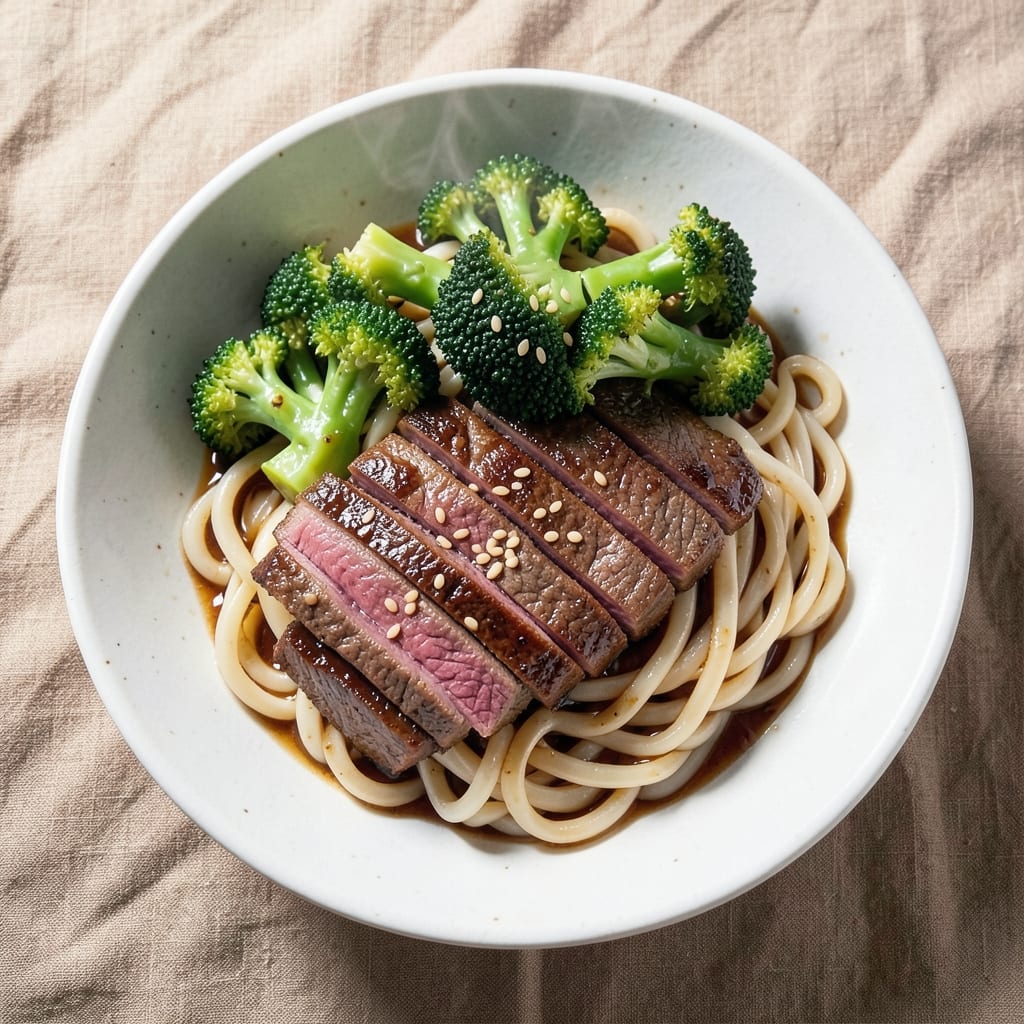
This beef and broccoli udon recipe transforms weeknight dinners into a restaurant-worthy experience with just 25 minutes of active time. The secret lies in perfectly seared beef strips that stay tender, crisp-tender broccoli florets, and chewy udon noodles coated in a savory-sweet sauce that balances umami and brightness. I developed this version after testing countless stir-fry techniques, and it consistently delivers that wok-heated aroma and satisfying texture contrast that makes every bite irresistible.
The foundation of great beef and broccoli udon is proper preparation: thinly sliced beef marinated in soy sauce and cornstarch for maximum tenderness, broccoli cut into even florets to cook uniformly, and udon noodles either pre-boiled or stir-fried for extra texture. The sauce—my signature blend of soy, sesame oil, and a touch of honey—creates that perfect balance between salty, nutty, and slightly sweet that defines this dish. What sets this apart is how the ingredients come together in the wok, where high heat sears the beef quickly while keeping the broccoli vibrant and the noodles perfectly al dente.
When assembled, you'll have a dish that's rich yet light, with each component playing its part: tender beef that melts in your mouth, crisp-tender broccoli that adds texture, and silky udon noodles that soak up the flavorful sauce. The aroma alone—steamed noodles, caramelizing beef, and wok-fried vegetables—will have everyone gathered around your table. This recipe serves four generously, making it perfect for casual weeknights or when you want to impress guests without spending hours in the kitchen.
For an extra touch, I recommend garnishing with toasted sesame seeds and sliced green onions, which add both visual appeal and fresh contrast to the rich flavors. Serve with a side of miso soup or pickled ginger to complete the meal—this udon dish is hearty enough to stand alone but pairs beautifully with complementary Japanese flavors. Let's get cooking! The results will leave you wondering why you haven't been making this at home all along.
Ingredients for beef and broccoli udon
Restaurant-quality beef and broccoli udon starts with these 15 ingredients—simple but carefully chosen for perfect texture and flavor balance.
| Ingredient | Amount | Notes |
|---|---|---|
| Flank Steak 🥩 | 1 lb | Thinly sliced against grain |
| Udon Noodles 🍜 | 8 oz | Fresh or dried, pre-boiled 2 mins |
| Broccoli Florets 🥦 | 4 cups | Medium-sized, stems trimmed |
| Sesame Oil 🫒 | 1 ½ tbsp | Toasted for aroma |
| Soy Sauce 🧂 | ½ cup | Low-sodium preferred |
| Cornstarch 🌾 | 2 tbsp | For beef marinade |
| Honey 🍯 | 1 tbsp | Light variety |
| Garlic Cloves 🧄 | 4 cloves | Minced for sauce |
| Ginger Root 🌿 | 1 tbsp | Freshly grated |
| Green Onions 🧅 | 3 whole | Sliced for garnish |
| Toasted Sesame Seeds 🌰 | 1 tbsp | For garnish |
| Vegetable Oil 🫒 | 2 tbsp | High smoke point |
| Neutral Oil 🫒 | 1 tbsp | For finishing |
| Salt 🧂 | 1 tsp | Kosher preferred |
| Black Pepper 🌶️ | ½ tsp | Freshly cracked |
The beef is everything here. Flank steak gives you that perfect tender-yet-firm bite when sliced thinly against the grain. Grab it from the butcher counter at Whole Foods or your local Asian market—they'll slice it for you if you ask. Fresh udon noodles are ideal, but dried works too if you soak them 10 minutes first. For broccoli, baby broccoli crowns from the grocery store's produce section are perfect—they're already trimmed and uniform. The sesame oil? Kadoya brand is my go-to for that nutty aroma, but any good-quality toasted sesame oil will do.
No flank steak? Sirloin or ribeye work in a pinch, but slice it extra thin. Fresh ginger and garlic are non-negotiable—they're the umami backbone of this dish. Pre-minced garlic from a jar is fine if you're in a rush, but fresh has that zing. The udon noodles can be stir-fried instead of pre-boiled for extra texture (just cook them 30 seconds less). For the sauce, light soy sauce keeps it from being too salty, and the honey adds that perfect touch of sweetness without overpowering. Need to skip honey? Maple syrup at half the amount works beautifully.
Prep the beef marinade first—it needs at least 20 minutes to tenderize. Store any unused marinade in the fridge for 3 days, but don't reuse it for cooking. Broccoli keeps for 5 days in the fridge if you wrap the stems in damp paper towels. The udon noodles? Fresh ones last 3 days in the fridge, dried ones keep 6 months in a cool, dry place. Make a double batch of sauce—it's perfect over rice bowls too, and keeps for 1 week in the fridge. Garnishes like sesame seeds and green onions can be prepped ahead and stored in the fridge for 5 days.
Why You'll Love This Recipe
- One-Pan Magic: I swear by this—just sear the flank steak, toss in broccoli florets, and let the soy sauce and sesame oil work their magic. No chopping boards, no extra pots, and honestly? The cleanup is just rinsing one pan.
- Umami Bomb: That first bite of tender flank steak with the broccoli’s slight crunch? The soy sauce caramelizes into a glossy coat, and the sesame oil adds this nutty, toasty finish. It’s the kind of flavor that makes you go back for seconds without even thinking.
- Lunchbox Hero: Between us, this is my go-to for meal prep—udon stays chewy when reheated, and the beef stays juicy if you wrap it tightly. Pack it cold or warm, and it’s a hit whether I’m feeding my family or just grabbing a quick lunch at my desk.
- Budget Flex: Flank steak stretches further than you’d think when sliced thin, and broccoli’s one of those veggies that’s always affordable. A single batch feeds four for under $15, and leftovers? They turn into my next day’s lunch or a lazy dinner with zero effort.
Step-by-step instructions for beef and broccoli udon
Here's how to create a restaurant-worthy stir-fry with perfectly tender beef and silky udon.
Marinate and Prep the Flank Steak
Slice the 1 lb flank steak thinly against the grain into ¼-inch thick strips. Place them in a bowl and add the 2 tbsp cornstarch, 1 tsp salt, and ½ tsp black pepper. Toss until evenly coated. Let the steak marinate for 15-20 minutes—this creates a crispy exterior while keeping the inside juicy.
While waiting, prepare the 4 cups broccoli florets by trimming stems and cutting into even-sized pieces. Slice the 3 whole green onions into 1-inch lengths for garnish. The key here is precision—uniform broccoli florets ensure even cooking, and thinly sliced steak guarantees quick searing without toughness.
Cook the Udon Noodles
Bring a pot of water to a boil and cook the 8 oz udon noodles for 2 minutes less than package instructions. They'll finish cooking in the wok. Drain immediately and rinse briefly with cold water to stop cooking. Toss with 1.5 tbsp sesame oil to prevent sticking and add a nutty aroma.
Set the noodles aside and keep them covered. Overcooking udon makes them mushy—this quick cook maintains their satisfying chew. The sesame oil infusion also gives each bite an aromatic depth that balances the stir-fry's bold flavors.
Stir-Fry the Beef and Broccoli
Heat 2 tbsp vegetable oil in a wok or large skillet over high heat until shimmering. Add the marinated steak in a single layer and sear for 1-2 minutes until browned. Remove and set aside. In the same wok, add 1 tbsp neutral oil and stir-fry the broccoli for 3-4 minutes until bright green and just tender-crisp.
Here's where the magic happens: the high heat caramelizes the cornstarch coating on the beef, creating a golden crust. The broccoli should retain its vibrant color and slight bite—overcooking turns it into a sad, limp pile. Work quickly to maintain that wok-hei (breath of the wok) flavor.
Build the Sauce and Combine
Return the beef to the wok and add ½ cup soy sauce, 1 tbsp honey, 4 cloves minced garlic, and 1 tbsp freshly grated ginger. Stir-fry for 1-2 minutes until the sauce thickens slightly. The mixture should coat the back of a spoon but remain glossy—not gluey.
Add the cooked udon noodles and toss everything together for 2-3 minutes until well combined. The residual heat from the wok finishes cooking the noodles perfectly. If the sauce seems too thick, add 1-2 tablespoons hot water to loosen it to a silky consistency.
Finish and Serve
Remove from heat and stir in 1 tbsp toasted sesame seeds and 1 tbsp neutral oil for richness. Garnish with sliced green onions. Serve immediately while the noodles are hot and the beef retains its perfect texture.
Each bite should deliver a symphony of textures: tender beef, chewy udon, crisp-tender broccoli, and a glossy sauce that clings perfectly. The sesame seeds add crunch, while the green onions provide a fresh contrast. This dish is all about balance—sweet, salty, umami, and nutty all working together in harmony.
Pro Tips For Making Beef And Broccoli Udon
- Slice Steak Against the Grain: Flank steak’s fibers run long, and if you cut with them, you’ll end up chewing like you’re eating shoe leather. Angle your knife at 45 degrees and slice thinly perpendicular to the grain—this keeps the beef tender even after stir-frying. I used to rush this, and the result was disappointing. Take the extra 2 minutes.
- Blanch Broccoli First: Raw broccoli florets release water when stir-fried, turning your sauce into soup. Give them a quick 30-second blanch in boiling water, then shock in ice water before adding to the pan. This keeps them crisp and your sauce glossy—no more soggy, sad broccoli.
- Use Two Stages of Heat: Start the beef on high heat to sear, then immediately lower to medium-low once it’s browned. High heat all the way through dries out the edges, while low heat after ensures the center finishes without overcooking. I learned this after ruining a batch of tough, dry steak—now it’s always juicy.
- Toast Udon Dry: Skip the watery noodles by toasting dried udon in a dry pan for 30 seconds before boiling. The starch on the surface caramelizes slightly, giving them a nuttier flavor and preventing mushiness when mixed with the sauce. Yes, it’s a tiny step, but it makes a real difference.
Common mistakes when making this dish
Overcooking Beef
I've made this mistake more times than I'd admit—letting the beef sit too long in the wok after searing. The cornstarch coating caramelizes quickly, but once the beef turns gray or releases too much liquid, it becomes tough and rubbery. The fix? Work in batches if needed, and remove the beef immediately after it browns—it'll finish cooking in the sauce. Aim for 1-2 minutes max of searing time per batch. 🔥
Undercooked Udon
Udon noodles are forgiving, but they can turn mushy if overcooked or remain raw if undercooked. My rule: boil them 2 minutes less than package instructions, then finish in the wok. The residual heat from the hot beef and broccoli will cook them perfectly. Pro tip: Rinse them briefly with cold water after draining to stop cooking and prevent sticking. 🍜
Broccoli Turning Mushy
Nothing ruins a stir-fry like sad, limp broccoli. The key is high heat and quick cooking—3-4 minutes max over high heat. If your wok isn't hot enough, the broccoli will steam instead of stir-fry. I like to blanch broccoli florets in boiling water for 30 seconds first, then finish in the wok. This keeps them vibrant and crisp-tender. 🥦
Sauce Too Salty
Using low-sodium soy sauce helps, but sometimes the sauce still ends up too salty. My go-to fix is adding 1 tsp honey or maple syrup to balance the flavors. If that's not enough, stir in 1-2 tbsp water or broth and a pinch of sugar to dilute the saltiness. Always taste as you go—better to adjust early than regret it later. 🧂
Skipping the Marinade
I've seen people skip the cornstarch marinade, thinking it's optional. Big mistake! The cornstarch creates a crispy, caramelized crust on the beef while keeping the inside tender. Without it, your beef will be dry and chewy. If you're short on time, at least coat the beef with 1 tbsp cornstarch and 1 tsp soy sauce for 10 minutes before cooking. 🥩
Overcrowding the Wok
Trying to cook everything at once leads to steaming instead of searing. The beef and broccoli need space to develop that wok-hei flavor. Cook the beef in batches if needed, and stir-fry the broccoli in a single layer. A 14-inch wok is ideal, but a large skillet works too—just don't overfill it. Overcrowding kills the crispiness and makes the dish soggy. ⚡
Nutrition facts
Frequently asked questions
Can I use frozen broccoli instead of fresh?
Yes, but thaw and drain it thoroughly first to avoid excess moisture in your stir-fry. For best results, use 1 cup frozen broccoli florets (about 2 cups fresh) and pat dry with a paper towel before cooking. This prevents a soggy dish and keeps the texture crisp-tender.
What's the best way to slice beef for this recipe?
Slice the beef thinly against the grain for maximum tenderness. Use a sharp knife and make ¼-inch thick slices. For easier slicing, partially freeze the beef for 20 minutes before cutting—this makes it firmer and easier to slice uniformly.
Can I make this recipe without a wok?
A large skillet or cast-iron pan works perfectly. Just use high heat and avoid overcrowding. A 12-inch skillet should work for this recipe, though you may need to cook the beef in 2 batches to maintain proper searing.
How do I store leftovers?
Let the udon cool completely, then store in an airtight container in the fridge for up to 3 days. Reheat gently in a skillet with 1 tbsp water to prevent drying. The beef and broccoli reheat beautifully, though the udon may lose some chewiness—best eaten fresh!
Can I make this spicier?
Add ½ tsp red pepper flakes or 1 tbsp sriracha to the sauce for heat. For extra depth, stir in 1 tsp gochujang (Korean chili paste) along with the soy sauce. Adjust to taste—start with less if you're sensitive to spice.