
Soups & Stews
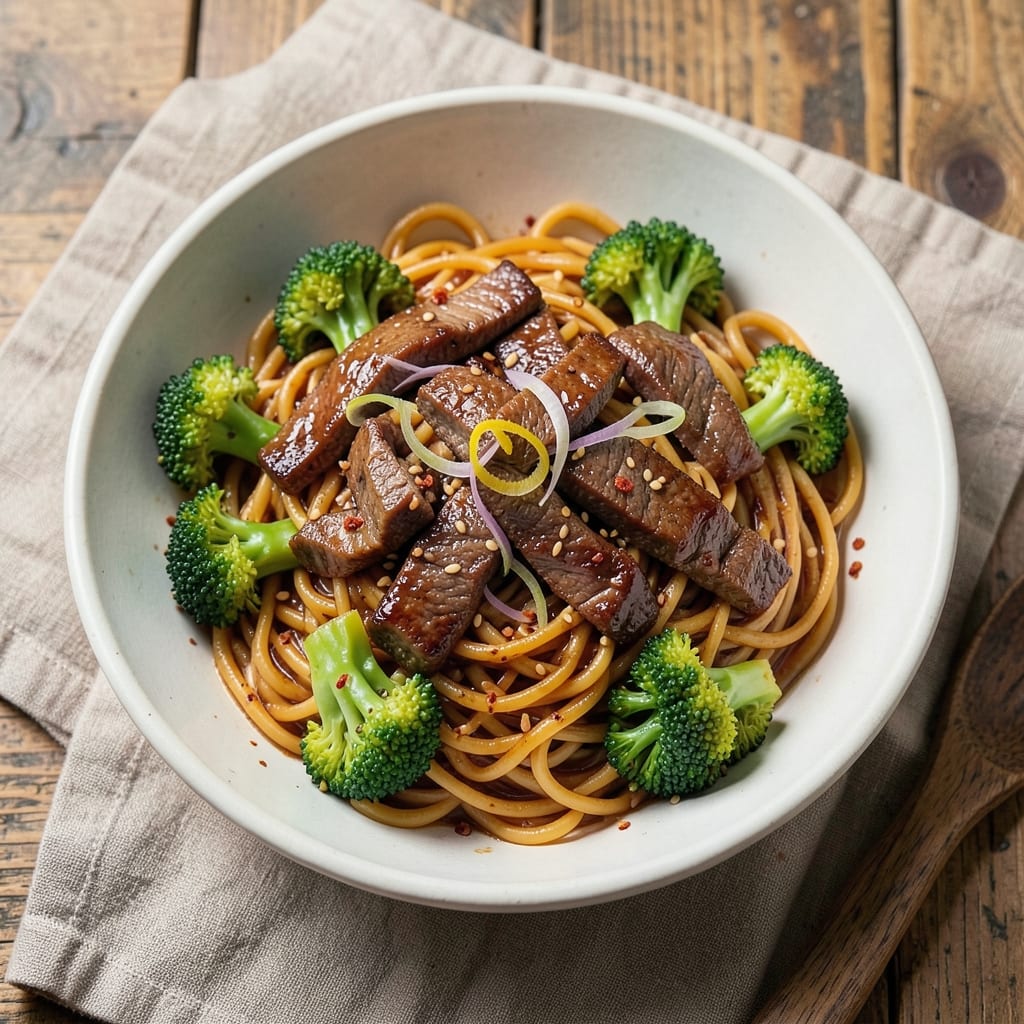
This beef and broccoli chow mein recipe delivers wok-hei crispy beef and silky noodles with that signature restaurant-quality texture. The secret lies in high-heat searing of the beef followed by a quick stir-fry—creating a caramelized crust while keeping the center tender. I've perfected this method over countless weeknight dinners, and it never fails to impress. What sets this recipe apart is the balance of techniques: flash-frying the beef in batches ensures maximum crispiness, while the broccoli gets just enough time to stay vibrant yet tender-crisp. The sauce comes together in minutes with simple pantry staples, but don't underestimate its power—it's what transforms this into a dish worth making from scratch. By the time you plate it, you'll have perfectly seared beef strips with crispy edges, bright green broccoli florets, and noodles coated in that sticky-sweet-savory sauce. The aroma alone will have everyone gathering around the table, and each bite delivers that perfect contrast of textures and flavors. Whether you're cooking for a family dinner or meal prepping for the week, this recipe scales beautifully while maintaining its restaurant-quality appeal. Let's get started with the complete instructions that bring this dish to life.
Ingredients for beef and broccoli chow mein
Pantry staples meet wok-hei technique for restaurant-quality beef and broccoli chow mein.
| Ingredient | Amount | Notes |
|---|---|---|
| Flank Steak 🥩 | 1 ½ lb | Thinly sliced against grain |
| Egg Noodles 🍜 | 12 oz | Fresh or dried, wide or thin |
| Broccoli Florets 🥦 | 4 cups | Large florets, cut into bite-size |
| Sesame Oil 🫒 | 1 tbsp | For aroma, not cooking |
| Vegetable Oil 🫒 | 4 tbsp | High smoke point preferred |
| Cornstarch 🌾 | 2 tbsp | For velvety sauce |
| Soy Sauce 🥄 | ½ cup | Light or regular, not low-sodium |
| Oyster Sauce 🥄 | 2 tbsp | For depth of flavor |
| Honey 🍯 | 1 tbsp | For subtle sweetness |
| Garlic Cloves 🧄 | 4 cloves | Minced for sauce |
| Fresh Ginger 🌿 | 1 tbsp | Grated, not powdered |
| Green Onions 🧅 | 4 whole | Sliced, white and green parts |
| Sesame Seeds 🌾 | 1 tbsp | Toasted for garnish |
| Salt 🧂 | 1 tsp | Kosher or sea salt |
| Black Pepper 🌶️ | ½ tsp | Freshly ground |
The flank steak is non-negotiable—it's lean but tender when sliced thin against the grain. Ask your butcher to cut it paper-thin if you're not comfortable with a sharp knife. For the best results, buy it the day you plan to cook. The broccoli? Fresh is best, but frozen florets work in a pinch—just don't thaw them first. I always grab extra because it's easy to underestimate how much you'll need. The egg noodles should be fresh if possible, but dried works too—just cook them al dente and finish with the sauce.
No oyster sauce? Substitute with 1 tbsp soy sauce plus 1 tsp sugar—it won't be identical, but it'll get you close. The cornstarch is crucial for that silky sauce—don't skip it. For the sesame oil, toasted is better if you've got it, but regular works fine. The garlic and ginger? Fresh is ideal, but if you're in a bind, powdered works at half the amount. And if your green onions are wimpy, substitute with 2 tbsp chopped scallions. The beef should be marinated for at least 30 minutes, but overnight is even better if you're planning ahead.
This dish reheats beautifully—just add a splash of water or soy sauce to loosen the sauce. Keeps for 3-4 days in the fridge, though I find it's best enjoyed fresh. For meal prep, portion the sauce separately and toss with noodles and veggies when reheating. The beef stays crispy for about 2 days if stored properly—keep it in a sealed container with a paper towel to absorb moisture. Freezes for up to 3 months, but the texture changes slightly after thawing.
Why You'll Love This Recipe
- One-Pan Magic: I swear by this—just sear the flank steak, toss in broccoli and noodles, and let the sesame oil work its aroma magic. No chopping boards, no extra pans, just one skillet and 20 minutes of hands-off cooking. (Yes, even on a Tuesday night.)
- Umami Bomb: That first bite of perfectly seared flank steak with the broccoli’s slight crunch? It’s like a flavor explosion. The sesame oil adds this nutty depth, while the egg noodles soak up every last bit of the savory sauce—no dry bites here.
- Lunchtime Hero: Between us, this is my go-to for packed lunches. The beef stays tender, the broccoli holds its shape, and the noodles don’t turn to mush. Plus, it reheats like a dream—no soggy takeout here.
- Budget Power Move: Flank steak stretches further than you’d think, and broccoli’s one of the cheapest veggies out there. I make double batches, freeze half, and still have leftovers that taste fresh. (My wallet and I both approve.)
Step-by-step instructions for beef and broccoli chow mein
Master the wok-hei technique for restaurant-quality beef and broccoli chow mein at home.
Prepare the Flank Steak for Maximum Tenderness
Slice the 1.5 lb flank steak thinly against the grain into ¼-inch strips. This is critical—thin slices ensure quick cooking and maximum tenderness. Place the sliced steak in a bowl and toss with 1 tablespoon soy sauce, 1 tablespoon oyster sauce, ½ teaspoon black pepper, and 1 teaspoon cornstarch. Let it marinate for 15 minutes while you prep the remaining ingredients. The cornstarch creates a light crust that helps the beef stay crispy during stir-frying.
Real talk: don't skip the marinating time. The acid in the soy sauce tenderizes the meat while the cornstarch sets up a barrier that prevents the beef from drying out during high-heat cooking. I like to press the marinade into the meat with my fingers to ensure even coating.
Cook the Beef to Perfect Crisp-Tender Doneness
Heat 2 tablespoons vegetable oil in a wok or large skillet over high heat until shimmering. Add half of the marinated beef in a single layer—don't overcrowd. Cook undisturbed for 30-45 seconds until the edges turn deep golden brown and crispy. Stir-fry for another 1-2 minutes until the beef is cooked through but still retains moisture.
Transfer the cooked beef to a plate and repeat with the remaining beef, adding another 1 tablespoon vegetable oil if needed. The key here is high heat and minimal stirring—this creates the signature wok-hei (breath of the wok) flavor. If you notice the beef releases easily from the pan, it's ready. If it sticks, your heat isn't high enough—crank it up and try again.
Stir-Fry the Broccoli Until Bright Green and Crisp
In the same wok, add 1 tablespoon vegetable oil and heat over medium-high heat. Add the 4 cups broccoli florets and stir-fry for 3-4 minutes until bright green and slightly blistered. The broccoli should retain its vibrant color—overcooking turns it mushy. Add 1 tablespoon minced garlic cloves and 1 tablespoon grated fresh ginger and stir-fry for another 30 seconds until fragrant.
Here's the thing—broccoli releases a lot of moisture when cooked. To prevent a soggy stir-fry, I like to add the broccoli in batches if my wok is particularly large. The florets should be evenly sized so they cook at the same rate. If they start to steam instead of crisp, reduce the heat slightly and give them a few more seconds to dry out.
Create the Silky-Smooth Sauce
Lower the heat to medium and add ½ cup soy sauce, 2 tablespoons oyster sauce, 1 tablespoon honey, and 1 tablespoon sesame oil to the wok. Stir to combine, then sprinkle in the remaining 1 tablespoon cornstarch. Cook for 1-2 minutes until the sauce thickens slightly and coats the back of a spoon. The sauce should be glossy but still pourable—not gluey.
If the sauce thickens too quickly, add 1-2 tablespoons hot water to loosen it. The honey adds a subtle sweetness that balances the savory flavors, while the sesame oil contributes a nutty aroma. This is where the magic happens—the sauce should coat the back of a spoon but still cling beautifully to the noodles and beef.
Combine and Finish with Fresh Garnishes
Add the 12 oz egg noodles to the wok and toss everything together for 1-2 minutes until the noodles are heated through and coated with the sauce. The noodles should be tender but still slightly chewy—this is the hallmark of perfect chow mein. If they feel undercooked, add a splash of hot water and toss for another 30 seconds. Overcooked noodles turn mushy and ruin the texture.
Divide the chow mein among plates and garnish with sliced green onions and toasted sesame seeds. The green onions add a fresh crunch, while the sesame seeds contribute a nutty finish. Serve immediately while everything is hot and the noodles are still holding their shape. The beef should be crisp-tender, the broccoli bright and slightly crisp, and the sauce should cling beautifully to every component.
Pro Tips For Making Beef And Broccoli Chow Mein
- Slice Thin, Sear Fast: Flank steak fights back when you cut it thick—it’ll turn chewy no matter how long you cook it. Use a sharp knife, slice against the grain, and get those strips in the wok immediately on high heat. If they’re not sizzling within 10 seconds, your oil’s not hot enough.
- Blanch Broccoli First: Broccoli florets release water like a faucet when thrown raw into the wok. Give them a 30-second blanch in boiling water, then shock in ice water. They’ll stay bright green, crisp, and won’t turn your stir-fry into soup.
- Don’t Crowd the Wok: I learned this the hard way—packing the wok with beef and broccoli at once steams everything instead of searing. Cook the beef in batches if needed, then push it to the sides before adding the broccoli. Space matters more than speed here.
- Finish with Sesame Oil: Drizzle that sesame oil after everything’s off the heat—it burns faster than you’d think. A teaspoon at the end adds aroma without overpowering, and it’s the only time I let my wok sit idle. (Yes, even if you’re impatient like me.)
Creative variations of this beef and broccoli chow mein
Spicy Sichuan Style
Transform your chow mein into a fiery Sichuan feast by adding 1 tbsp chili bean paste and 1 tsp Sichuan peppercorns to the sauce. Toast the peppercorns in a dry pan for 30 seconds until fragrant, then grind them into a powder. Stir this into the sauce along with an extra ½ tsp honey to balance the heat. Garnish with thinly sliced red chili oil and crushed peanuts for texture. The numbing-spicy kick from Sichuan peppercorns makes this a crowd-pleaser. 🌶️
Teriyaki Glaze Twist
Swap out the soy-oyster sauce combo for a homemade teriyaki glaze made with ¼ cup soy sauce, 2 tbsp mirin, 1 tbsp honey, and 1 tbsp grated ginger. Simmer this mixture until it reduces by half, then toss it with the cooked beef and broccoli. Add 1 tbsp toasted sesame oil at the end for depth. This version has a sweeter, stickier sauce that clings beautifully to the noodles. Serve with extra pickled ginger on the side. 🍯
Vegetarian Swap
Replace the beef with extra-firm tofu pressed for 20 minutes to remove moisture, then sliced into strips. Toss the tofu in 1 tbsp cornstarch and 1 tbsp soy sauce before stir-frying. Add ½ cup shiitake mushrooms to the broccoli for extra umami. The sauce remains the same, but I recommend adding 1 tbsp nutritional yeast to boost savory depth. This version keeps all the wok-hei flavor while being completely plant-based. 🌱
Seafood Chow Mein
Upgrade your dish with 8 oz shrimp or 6 oz scallops, sliced into thin strips. Toss the seafood in 1 tbsp cornstarch and 1 tbsp soy sauce before cooking—it only takes 1-2 minutes to cook through. Add ½ cup snap peas to the broccoli for extra crunch. Use a lighter touch with the sauce: reduce the soy sauce to ¼ cup and add 1 tbsp white wine to deglaze the pan. Garnish with lime wedges for brightness. The seafood version is lighter but just as flavorful. 🦐
Breakfast Chow Mein
Turn this into a brunch star by adding 2 scrambled eggs cooked sunny-side-up and placed on top of each serving. Swap the broccoli for baby bok choy and add ½ cup diced ham to the beef (or tofu). Stir in 1 tbsp hoisin sauce with the teriyaki glaze for extra richness. Top with scallions and a sprinkle of black sesame seeds for a fusion twist that’s perfect for weekend mornings. 🍳
Nutrition facts
Frequently asked questions
Can I use a regular skillet instead of a wok for this recipe? While a wok is ideal for that signature wok-hei flavor, a large skillet or even a cast-iron pan works perfectly. Just
How do I prevent the beef from getting chewy?
Slice the flank steak thinly against the grain—this is the #1 rule for tender beef. Also, marinate for at least 15 minutes (overnight is even better) and cook it over high heat for just 1-2 minutes total. Overcooking is the enemy—beef should be cooked until it reaches 145°F internally but still juicy.
What's the best way to store leftovers?
Store in an airtight container with a paper towel pressed on top to absorb excess moisture. Keeps for 3-4 days in the fridge, but the beef stays crispy for only about 2 days. For longer storage, freeze for up to 3 months. Reheat gently with a splash of water or soy sauce to revive the sauce.
Can I make this gluten-free?
Yes! Swap regular soy sauce for tamari or coconut aminos (use same amounts). Check oyster sauce labels—some brands are gluten-free. For extra flavor, add 1 tbsp gluten-free fish sauce to the sauce. The texture and taste will still be amazing.
Why did my sauce turn too thick?
This usually happens when the cornstarch thickens too quickly. Next time, add 1-2 tbsp hot water to loosen it while cooking. Also, make sure your heat is medium—not too high. The sauce should coat the back of a spoon but still be pourable. A splash of water or broth can always rescue it!