
Main Courses
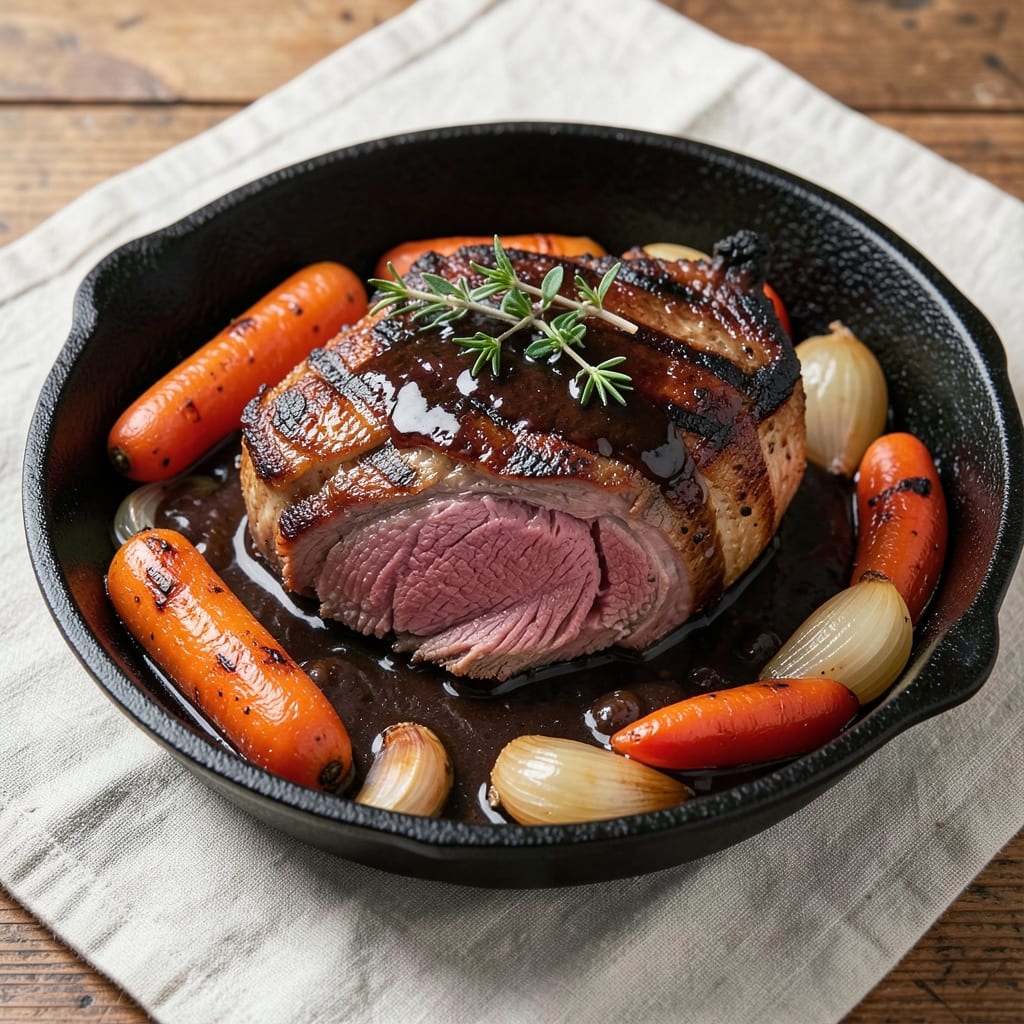
This beef and ale recipe transforms tough cuts into melt-in-your-mouth tenderness through slow braising with malty depth. The secret lies in marinating beef overnight in ale-infused spices, then simmering until the meat practically falls apart. This method delivers restaurant-quality richness without requiring advanced techniques—just patience and a Dutch oven.
The ale's caramel notes and subtle bitterness create a sauce that's both complex and comforting, perfect for chilly evenings. You'll start with a simple marinade of ale, garlic, and herbs, then let the slow cook transform it into a velvety, flavorful reduction. The result is beef so tender it's nearly impossible to resist, all while maintaining that satisfying hearty texture.
What makes this recipe truly special is how versatile it is—serve it over creamy mashed potatoes, with crusty bread for soaking up the sauce, or alongside roasted root vegetables. The dish tastes even better the next day, making it ideal for meal prep or hosting gatherings. The aroma alone will have everyone anticipating dinner.
For an extra layer of depth, consider finishing the sauce with a splash of red wine or a sprinkle of fresh thyme. This beef and ale masterpiece proves that slow-cooked meals can be both impressive and approachable, delivering bold flavors with minimal effort. Let's get started on creating this comforting classic.
Ingredients for beef and ale
Transform tough beef into tender perfection with these carefully chosen ingredients for deep malty richness.
| Ingredient | Amount | Notes |
|---|---|---|
| Chuck Roast Beef 🥩 | 3 lb | Tough cut for braising, trim excess fat |
| Dark Ale Beer 🍺 | 2 cups | Malty variety, like Guinness or Newcastle |
| Yellow Onion 🧅 | 1 whole | Medium size, roughly chopped |
| Garlic Cloves 🧄 | 6 cloves | Peeled, smashed for flavor infusion |
| Carrots 🥕 | 4 medium | Whole, peeled, cut into chunks |
| Fresh Thyme 🌿 | ½ ounce | Or 2 tbsp dried thyme |
| Fresh Rosemary 🌿 | ¼ ounce | Or 1 tbsp dried rosemary |
| Beef Broth 💧 | 2 cups | Low-sodium preferred |
| Tomato Paste 🍅 | 2 tbsp | Or 1 small can crushed tomatoes |
| Worcestershire Sauce 🍶 | 1 tbsp | Vegetarian if needed |
| Olive Oil 🫒 | 2 tbsp | For searing beef |
| Kosher Salt 🧂 | 1 ½ tsp | Adjust to taste |
| Black Peppercorns 🌶️ | 1 tsp | Freshly ground |
| All-Purpose Flour 🌾 | 1 tbsp | For thickening sauce |
The chuck roast is non-negotiable—its collagen-rich fat transforms into silky sauce during braising. Costco or local butcher shops offer the best cuts, often pre-trimmed for convenience. For the ale, dark malty varieties like Guinness or Newcastle provide the perfect balance of caramel and bitterness; avoid light lagers. Fresh thyme and rosemary should have vibrant green leaves and a strong aroma—Trader Joe's or Whole Foods bulk sections are reliable sources. The beef broth should be low-sodium to avoid over-salting the finished dish, and store-bought brands like Pacific Foods work well when time is limited.
No dark ale? Substitute with stout beer or even beef broth with 1 tbsp balsamic vinegar for depth. Fresh herbs unavailable? Dried thyme and rosemary work at one-third the amount, but toast them lightly in a dry pan first to intensify flavor. For tomato paste, Trader Joe's squeeze tubes are perfect for single servings and keep indefinitely. Worcestershire sauce contains anchovies—use vegetarian versions if needed. The carrots can be baby carrots or whole carrots cut into chunks; organic varieties have slightly better texture after braising. If your tomato paste is too thick, a splash of water thins it perfectly.
This dish tastes even better the next day as flavors meld further. Store leftovers in an airtight container in the fridge for up to 5 days, or freeze portions for 3 months. The sauce thickens as it cools, so reheat with a splash of water or broth. For meal prep, portion into individual containers—each serving includes tender beef and rich sauce. The aromatics (onions, garlic, herbs) can be prepped ahead and refrigerated for 2 days before braising. Always bring the beef to room temperature before searing for even cooking.
Why You'll Love This Recipe
- One-Pot Magic: I swear by this—just dump everything in one pot, walk away, and come back to perfection. The beer does all the work while you chop onions (which, honestly, is the only thing I do wrong half the time).
- Rich Without Effort: That dark ale? It’s the secret weapon—deep, malty, and just sweet enough to caramelize into a glossy sauce. The beef stays tender, the carrots melt into the sauce, and the garlic? Oh, it hits at the right moment.
- Leftover Legend: Between us, this tastes better the next day. I make it on Sundays, and it’s lunches and dinners for half the week. Freeze half if you’re feeling ambitious—thaw and reheat, no questions asked.
- Budget Beef Boost: Chuck roast is cheap, and a six-pack of ale stretches further than you’d think. I’ve fed six people for under $20, and no one ever guesses it’s the "fancy" cut—just ridiculously good beef.
Step-by-step instructions for slow-braised beef and ale
Transform tough chuck roast into tender, flavorful perfection through precise braising.
Sear the Chuck Roast for Deep Flavor
Pat the 3 lb chuck roast dry with paper towels and season generously with 1.5 tsp kosher salt and 1 tsp freshly ground black peppercorns. Heat 2 tbsp olive oil in a heavy Dutch oven over medium-high heat until shimmering. Working in batches if needed, sear the roast on all sides for 3-4 minutes per side until deeply browned. This step develops the Maillard reaction, creating complex flavors that will infuse the braising liquid.
Remove the roast and set it aside on a plate. You want the oil to remain hot for the next step, so don't let the temperature drop below medium-high. The sear should be dark golden brown with visible crusting—this is your foundation for rich flavor development.
Build the Aromatic Base
In the same Dutch oven, add the roughly chopped 1 whole yellow onion and cook for 5-6 minutes until softened and beginning to caramelize. Add the 6 smashed garlic cloves and cook for 30 seconds until fragrant. Stir in the 2 tbsp tomato paste, coating the onions and garlic completely. This creates a flavorful paste that will thicken your braising liquid.
Pour in the 2 cups dark ale beer, scraping up any browned bits from the bottom of the pot. Add the 2 cups beef broth, 1 tbsp Worcestershire sauce, the 0.5 oz fresh thyme, and 0.25 oz fresh rosemary. Return the roast to the pot, positioning it so it's partially submerged in the liquid. Bring to a simmer over medium heat.
Braise Until Fork-Tender
Cover the Dutch oven and transfer to a preheated 300°F oven. Braise for 3-3.5 hours, turning the roast occasionally to ensure even cooking. The liquid should reduce by about half, creating a rich, concentrated sauce. You'll know it's ready when a knife slides in easily and the meat pulls apart with gentle pressure.
Check the internal temperature after 3 hours—it should reach 195-200°F. If it's not tender enough, continue braising for another 30 minutes. The slow cooking process breaks down the tough connective tissue, transforming the chuck roast into melt-in-your-mouth beef.
Thicken the Sauce and Finish
Remove the roast and transfer it to a cutting board. Strain the braising liquid through a fine-mesh sieve into a saucepan, pressing on the vegetables to extract maximum flavor. Return the liquid to medium heat and whisk in the 1 tbsp all-purpose flour. Cook for 2-3 minutes until the sauce thickens slightly to a velvety consistency.
Slice the chuck roast against the grain into ¼-inch thick pieces and return it to the sauce. Toss gently to coat the beef evenly. The finished dish should have tender, fork-tender beef swimming in a rich, malty sauce with visible caramelized onions and herbs. Serve immediately with crusty bread or mashed potatoes to soak up every last drop.
Pro Tips For Making Beef And Ale
- SEAR THE ROAST FIRST: Don’t skip the crust—get that chuck roast screaming hot in a dry skillet for 3-4 minutes per side before adding liquid. I used to toss it straight into the pot with beer, and the meat always ended up bland and stringy. A deep caramelized crust locks in flavor and keeps it juicy.
- USE STOUT, NOT LIGHT ALE: Dark ale or stout is non-negotiable here—skip the pale lager. The roasted malt flavors and body cut through the beef’s richness better than any lighter beer. (Yes, even if your fridge is stocked with IPAs.) If you’re out of options, a splash of soy sauce or a pinch of molasses mimics the depth.
- DON’T BOIL THE BEER DRY: Simmer the beer gently at first, then reduce heat to a bare bubble—you’re braising, not making a reduction. I learned this after one disastrous batch where the beer evaporated into a sticky mess, leaving the meat dry. Keep it at a low simmer, and the sauce will thicken naturally without burning.
- PEEL AND SLICE CARROTS LENGTHWISE: Thin, lengthwise slices caramelize faster and soak up the ale’s flavor better than chunks. I used to cut them into rounds, and they’d turn mushy or stay undercooked. For extra flavor, blanch them in boiling water for 2 minutes first—it softens them just enough to absorb the sauce without falling apart.
Best sauces and condiments for this beef and ale
Malty Ale Reduction
The sauce from braising is already rich, but reducing it further intensifies the ale's caramel and roasted notes. After removing the beef, simmer the strained liquid uncovered over medium-high heat for 10-12 minutes until it thickens to a glossy consistency. For extra depth, add 1 tbsp balsamic vinegar or ½ cup red wine during reduction—this adds tangy complexity. I like to finish with a pinch of smoked paprika for warmth. 🍷
Creamy Horseradish Sauce
This bright, tangy sauce cuts through the richness beautifully. Mix ½ cup sour cream with 1 tbsp prepared horseradish, 1 tsp Dijon mustard, and a squeeze of lemon juice. Thin with a splash of beef broth if needed. Serve on the side or dollop directly on the beef. For a vegetarian option, use Greek yogurt instead of sour cream. 🌶️
Herbed Butter Finish
Add a luxurious touch by melting 2 tbsp butter with 1 tbsp chopped fresh parsley, ½ tsp minced garlic, and a pinch of salt. Drizzle over the finished beef just before serving. The butter adds richness while the herbs brighten the dish. I also like to add ½ tsp lemon zest for a citrusy kick. ✨
Crispy Onion Topping
For texture contrast, caramelize thinly sliced onions in 1 tbsp butter until golden brown. Sprinkle over the beef just before serving. Alternatively, use ½ cup crushed potato chips (like Kettle Brand) for a crunchy, salty topping. This works especially well with mashed potatoes. 🧅
Garlic Aioli
Blend ½ cup mayonnaise with 1 minced garlic clove, 1 tsp lemon juice, and a pinch of salt. Spread on crusty bread for dipping or drizzle over the beef. For extra flavor, add ½ tsp Worcestershire sauce or a dash of hot sauce. This adds a creamy, garlicky contrast to the malty beef. 🧄
Nutrition facts
Frequently asked questions
Can I substitute ale with another type of beer?
Yes, but choose carefully! Dark malty ales like Guinness or Newcastle work best for their rich caramel notes. For substitutions: stout (similar depth), porter (slightly sweeter), or red wine (1 cup) + 1 tbsp balsamic vinegar for acidity. Avoid light lagers—they lack the body needed for braising.
How do I know when the beef is fully tender?
Use the fork test: After 3 hours of braising, check the internal temperature—it should reach 195-200°F. If a knife slides in easily and the meat pulls apart with gentle pressure, it's ready. For extra assurance, cut a small piece—if it shreds easily, the rest is perfect.
Can I make this in a slow cooker instead of an oven?
Follow the same steps but transfer everything to your slow cooker after searing. Cook on low for 8 hours or high for 5 hours. The liquid will reduce less, so skim excess fat before thickening the sauce. Pro tip: Use a Dutch oven insert for better heat distribution.
What's the best way to reheat leftovers?
Reheat gently in a skillet with a splash of beef broth or ale to restore moisture. Warm to 165°F over medium-low heat for 5-7 minutes. Avoid microwaving—it makes the sauce watery. Leftovers taste even better the next day as flavors meld further!
Why does my sauce turn out too thin?
This usually happens if you didn't reduce the liquid enough during braising. Fix it by simmering the strained sauce uncovered for 10-15 minutes longer, or whisk in 1 tbsp cornstarch mixed with 2 tbsp cold water until thickened. For prevention, use 1 tbsp flour when thickening instead of cornstarch.