
Main Courses
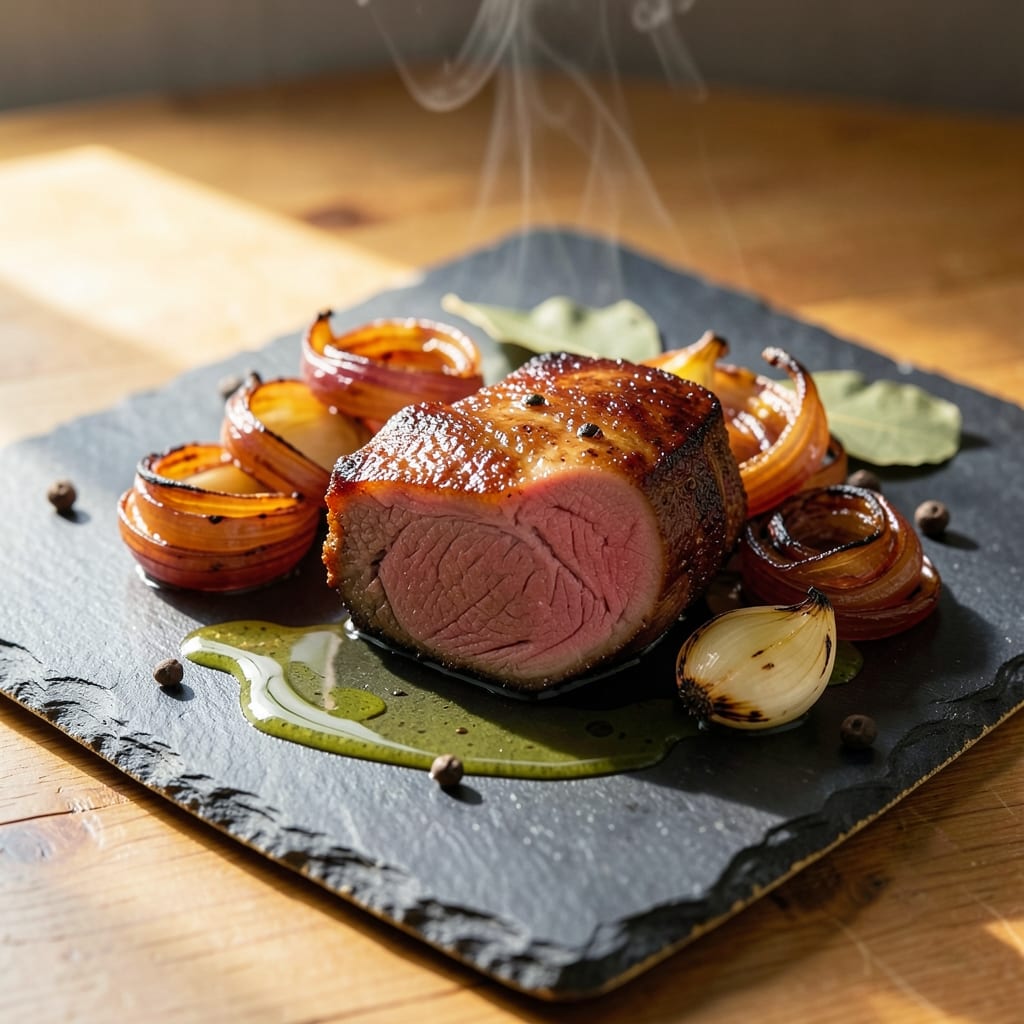
This Basque beef tongue recipe brings the rich, slow-braised traditions of Spain’s Basque Country to your kitchen with deep paprika-infused flavor. 🔥 The process transforms tough beef tongue into melt-in-your-mouth tenderness through careful boiling and braising, a technique rooted in centuries-old Basque culinary craftsmanship.
The secret lies in the slow cooking—first boiling to tenderize, then braising with garlic, bay leaf, and black peppercorns until the meat falls apart. This method creates a dish so flavorful it becomes the centerpiece of any meal, with its velvety texture and smoky-sweet aroma that fills the house.
Paired with traditional sides like garlic potatoes or grilled peppers, this dish delivers restaurant-quality richness without the fuss. The paprika adds a signature depth that defines Basque cuisine, making every bite unforgettable.
Perfect for special occasions or weekend feasts, this recipe transforms a humble cut into a showstopping main course. Let’s get started on creating this Basque classic at home.
Ingredients for basque beef tongue
Six essential ingredients transform tough beef tongue into Basque masterpiece through slow-braised perfection.
| Ingredient | Amount | Notes |
|---|---|---|
| Beef Tongue 🥩 | 3 lb | Fresh, cleaned, trimmed of excess fat |
| Sweet Paprika 🌶️ | ¼ cup | Smoked paprika for deeper flavor |
| Garlic Cloves 🧄 | 8 cloves | Peeled, lightly crushed for aroma |
| Bay Leaves 🌿 | 4 whole | Dried, high-quality preferred |
| Black Peppercorns 🌶️ | 1 tbsp | Whole, lightly crushed |
| Olive Oil 🫒 | ½ cup | Extra-virgin for richness |
| Red Wine 🍷 | 2 cups | Bold, dry variety like Tempranillo |
| Beef Broth 🥫 | 4 cups | Homemade or high-quality store-bought |
| Onions 🧅 | 2 whole | Yellow or red, quartered |
| Carrots 🥕 | 4 whole | Medium, peeled, cut into chunks |
| Salt 🧂 | 2 tsp | Kosher or sea salt |
| Thyme 🌿 | 1 tbsp | Fresh, stems removed |
| Tomatoes 🍅 | 2 whole | Roma, halved for braising |
The beef tongue is the star—look for fresh, high-quality cuts from a trusted butcher. Spanish specialty markets or well-stocked grocery stores like Whole Foods carry premium options. Trim any excess fat or membrane before cooking, as it can impart bitterness. For best results, source organic, pasture-raised tongues when possible, though conventional cuts work well too. The paprika should be smoked or sweet, with Penzeys or La Boîte brands offering superior quality for this dish.
No smoked paprika? Sweet paprika plus a pinch of liquid smoke replicates the depth, though purists will notice the difference. Fresh thyme is ideal, but dried works at one-third the amount if needed. Substitute the red wine with extra beef broth if avoiding alcohol, though the dish loses some complexity. For the onions and carrots, baby carrots or pre-cut vegetables save time without sacrificing flavor. The tomatoes can be swapped for tomato paste if out of season—just reduce the amount to 1 tablespoon for concentrated flavor.
This dish rewards patience—braise for 3-4 hours until the meat is fork-tender. Store leftovers in the refrigerator for up to 5 days or freeze for 3 months in airtight containers. The braising liquid makes an excellent sauce base for serving over rice or polenta. For presentation, slice the tongue thinly against the grain—it should fall apart effortlessly. Garnish with fresh thyme and a drizzle of the reduced braising liquid for restaurant-quality finish.
Why You'll Love This Recipe
- Simmer & Forget: The beef tongue just needs a slow simmer with garlic and paprika—no stirring, no stress. I throw everything in a pot, set the timer, and let it work its magic while I chop veggies for the side.
- Smoky Depth Magic: That sweet paprika and cracked peppercorns turn the tongue into something rich and complex—like a cross between beef stew and a slow-cooked roast. Honestly, the first bite had me questioning why I don’t make this more often.
- Leftovers That Shine: It actually improves the next day—sliced thin, it’s perfect for sandwiches or salads. Between us, I’ve turned this into a weeknight lunch staple with zero effort.
- Budget Powerhouse: A whole beef tongue feeds four for less than a steak, and the flavors pack a punch. Not the prettiest, but the taste makes up for it—plus, it’s way cheaper than takeout.
Step-by-step instructions for Basque beef tongue
Transform tough cuts into tender, paprika-kissed perfection with this slow-braised method.
🔥 Step 1: Sear the Beef Tongue for Depth of Flavor
Heat the 0.5 cup olive oil in a large Dutch oven over medium-high heat until shimmering. Pat the 3 lb beef tongue thoroughly dry with paper towels—this ensures a proper sear. Place the tongue in the oil and sear for 8-10 minutes per side until deeply browned. The skin should develop a rich mahogany color, and the meat will release easily when ready to flip.
I press down gently on the tongue during the first minute to prevent curling, which ensures even contact with the hot oil. This initial sear locks in juices and builds the foundation for the deep, caramelized flavors that develop during braising. Once seared, remove the tongue and set it aside on a plate.
👨🍳 Step 2: Build the Aromatic Base
In the same Dutch oven, add the 2 whole onions and 4 whole carrots, both cut into large chunks. Cook for 5-6 minutes until softened and slightly caramelized. Add the 8 cloves garlic cloves, 1 tbsp thyme, and 1 tbsp black peppercorns (lightly crushed), stirring for 30 seconds until fragrant.
This step develops the aromatic backbone of the dish. The onions and carrots should release their natural sugars, creating a sweet, caramelized foundation. Here's the thing—don't rush this step. You'll know it's ready when the vegetables are tender but still hold their shape, and the kitchen fills with an intoxicating blend of garlic and thyme.
🍳 Step 3: Deglaze and Braise with Paprika
Sprinkle the 0.25 cup sweet paprika evenly over the vegetables, stirring to coat them completely. Pour in the 2 cups red wine and scrape up any browned bits from the bottom of the pot with a wooden spoon. This deglazing step captures all the concentrated flavors that would otherwise burn.
Add the 4 whole bay leaves and 2 tsp salt, then return the seared beef tongue to the pot. Pour in the 4 cups beef broth until the tongue is completely submerged. The liquid should reach about halfway up the sides of the tongue. Bring to a gentle simmer over medium-low heat, then add the 2 whole tomatoes (halved) to the pot.
⏰ Step 4: Slow-Braise Until Fork-Tender
Cover the Dutch oven and transfer it to a preheated 300°F oven. Braise for 3-4 hours, turning the tongue occasionally to ensure even cooking. The meat should be fork-tender and easily pull apart when tested with a fork. This low-and-slow method breaks down the collagen-rich connective tissue, transforming tough beef tongue into melt-in-your-mouth perfection.
Real talk: Your oven might run hot, so start checking at the 2 hour 45 minute mark. The tongue is done when it reaches an internal temperature of 195-205°F and the surrounding liquid has reduced to a rich, glossy sauce. If the liquid reduces too quickly, add a splash of water or broth to maintain moisture.
🥘 Step 5: Rest and Serve with Confidence
Remove the beef tongue from the braising liquid and transfer it to a cutting board. Let it rest for 15-20 minutes before slicing. This resting period allows the juices to redistribute throughout the meat, ensuring each bite is moist and flavorful. Meanwhile, strain the braising liquid through a fine-mesh sieve to remove any solids, creating a silky sauce.
Slice the beef tongue against the grain into ¼-inch thick slices. Serve immediately with the reduced braising sauce spooned over the top. The result should be tender, paprika-infused beef tongue with a rich, velvety sauce that clings to every bite. Pair with crusty bread or roasted potatoes to soak up every last drop of that luxurious sauce.
Pro Tips For Making Basque Beef Tongue
- SCORE THE CRUST FIRST: That golden-brown crust on the tongue isn’t just for looks—it’s where all the flavor hides. Sear the tongue skin-side down in a dry, screaming-hot pan for 8–10 minutes before braising. I used to rush this, and my tongue always tasted dull. The skin should be deeply browned, almost sticky, before you even think about adding liquid.
- PEEL THE GARLIC RIGHT: Whole garlic cloves in Basque tongue? Don’t just smash them—peel them properly. Use the flat side of a chef’s knife to crack the cloves gently, then roll them between your palms to loosen the skin. Whole cloves infuse flavor without turning to mush, and they’re easier to fish out later. (Yes, even if you’re impatient like me.)
- DON’T SKIP THE COLD SOAK: After cooking, plunge that tongue into ice water for 10 minutes before peeling. The shock stops the cooking and makes the skin slide off like a guilty secret. I learned this the hard way—trying to peel warm tongue is a fight you’ll lose, and your knife will hate you.
- USE THE BAY LEAF JUICE: The bay leaves do more than sit pretty. After simmering, strain the broth and reduce it by half—then use that concentrated liquid to baste the tongue in the last 15 minutes. The reduced broth clings to the meat, deepening the paprika and peppercorn flavors. (Your future self will thank you.)
Wine and beer pairings for this basque beef tongue
Red Wine Elegance
For this Basque masterpiece, a bold Tempranillo or Rioja red wine is ideal—their deep berry and earthy notes harmonize perfectly with the paprika and thyme. I reach for La Rioja Alta or Muga for their balance of fruit and structure. If Tempranillo isn't available, Cabernet Sauvignon or Monastrell work beautifully. The wine should be dry, not sweet, as it forms the base of the braising liquid. 🍷
Spanish White Contrast
A crisp Albariño from Rías Baixas offers refreshing acidity that cuts through the richness of the beef tongue. Its citrus and saline notes complement the smoky paprika beautifully. For something lighter, Verdejo from Rueda provides a floral contrast. Serve these whites slightly chilled (45-50°F) to enhance their brightness against the warm, braised meat.
Basque Cider Pairing
For a local touch, pair with a Basque cider like Txakoli—its slight effervescence and tart apple flavors cleanse the palate between rich bites. Look for Getariako Txakolina from the Basque Country. The acidity in these ciders balances the dish's richness while adding a rustic charm. Serve slightly chilled (48-50°F) to preserve their lively bubbles.
Beer Options
A Spanish lager like Estrella Galicia or Alhambra Reserva bridges the gap between wine and beer pairings. Their malty sweetness and subtle hop bitterness complement the paprika without overpowering. For craft beer lovers, a Belgian Dubbel (like Westmalle Dubbel) offers caramel and spice notes that mirror the dish's depth. Serve beers at 45-50°F for optimal flavor.
Digestif Finale
End the meal with a Basque patxaran (sloe berry liqueur) or Orujo (stone fruit brandy) to complement the dish's smoky-sweet profile. These digestifs enhance the paprika's warmth and the wine's depth. For a non-alcoholic option, try horchata—its creamy, cinnamon-infused rice milk balances the meal's richness. 💫
Nutrition facts
Frequently asked questions
How do I properly clean a beef tongue before cooking?
First, rinse the tongue under cold water to remove any blood or impurities. Then, use a sharp knife to carefully trim off any excess fat or membrane. For extra cleanliness, soak it in cold water with a pinch of salt for 15-20 minutes before cooking. This step removes any lingering odors and ensures a neutral base for the rich flavors to develop.
Can I substitute beef tongue with another cut?
While beef tongue is traditional, you can try pork tongue or lamb tongue in a pinch. However, the cooking time may vary—pork tongue cooks faster (2-2.5 hours) while lamb needs 3.5-4 hours for tenderness. The texture and flavor will differ slightly, but the braising method remains the same.
Why does my beef tongue turn out tough instead of tender?
Overcooking is the most common mistake—beef tongue needs patience! The key is maintaining a gentle simmer at 300°F and cooking until it reaches 195-205°F internally. If it's still tough, try adding 30 minutes more and checking again. Also, ensure it's fully submerged in liquid to prevent drying out.
How should I store leftovers?
Let the beef tongue cool completely, then store it in an airtight container with some of the braising liquid to keep it moist. It stays fresh in the refrigerator for 4-5 days or freezes beautifully for up to 3 months. To reheat, warm gently in the braising liquid over low heat until heated through.
What makes this Basque beef tongue different from other braised tongue recipes?
The Basque version shines with its smoked paprika and red wine braise, creating a deeper, slightly sweet-savory profile. Traditional Basque cooking emphasizes slow, moist heat and aromatic herbs like thyme and bay leaf. The dish is often served with garlic potatoes or grilled piquillo peppers, balancing the richness perfectly.