
Main Courses
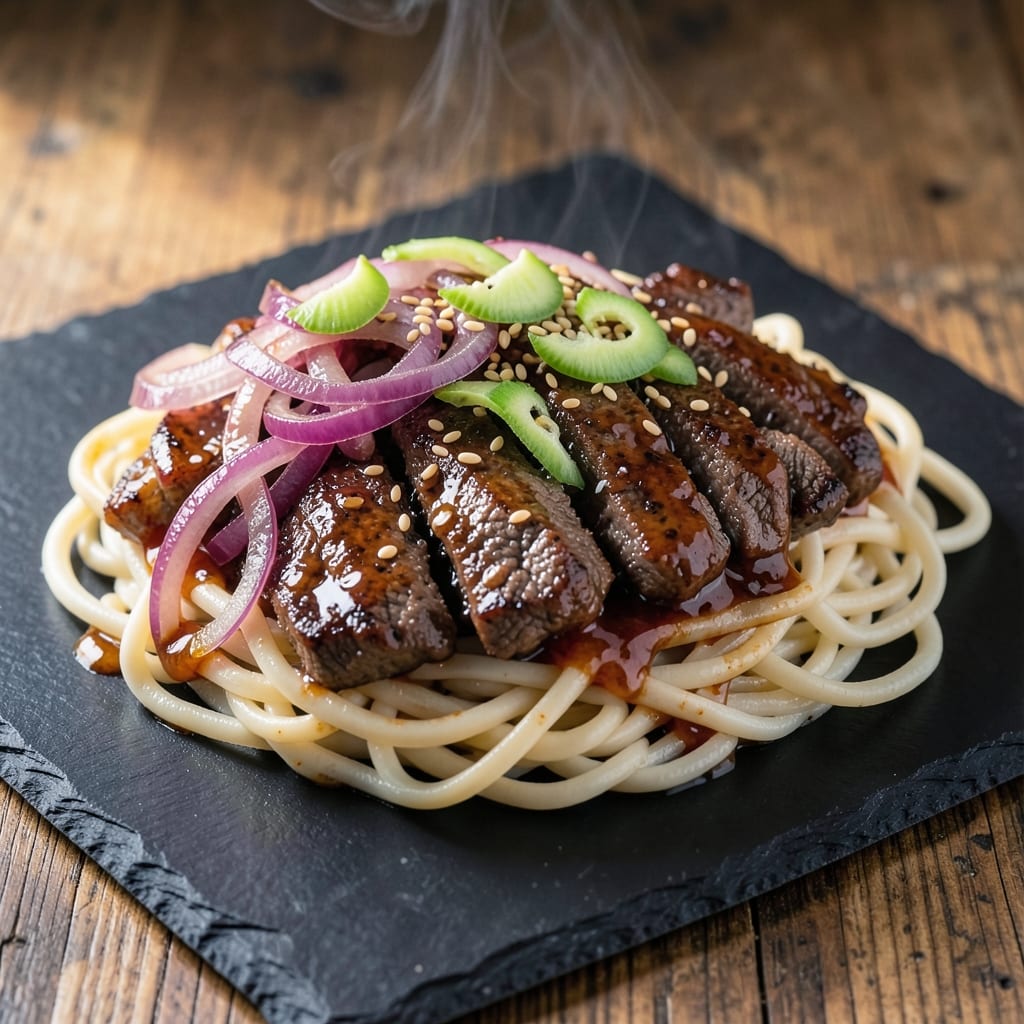
This BBQ beef noodles recipe delivers smoky-sweet depth with tender beef and chewy noodles that stick together like a perfect stir-fry should. After years of perfecting the balance between caramelized sauce and wok-heated beef, I've created a method that captures restaurant-quality flavor at home—no fancy equipment required. The secret lies in marinating the beef just long enough to tenderize without overpowering its natural richness, then searing it to lock in those deep, smoky notes.
What sets this recipe apart is the sauce—a slow-reduced blend of BBQ spices, brown sugar, and a splash of soy that caramelizes into a glossy, sticky glaze. The beef gets a quick stir-fry to maintain tenderness while developing a charred crust, then tosses with freshly cooked noodles that soak up every bit of that rich, sweet-savory sauce. The result? A dish that's hearty enough for a weeknight dinner but elegant enough for company, with layers of flavor that keep coming back to you.
The noodles are the foundation—thick, chewy wheat noodles that hold their shape through the stir-fry but still soften enough to melt in your mouth. Meanwhile, the beef stays tender and juicy, not tough or dry, thanks to a precise cooking technique that balances heat and timing. This isn't just another take on beef noodles; it's a dish that marries smoky, sweet, and umami in a way that feels both nostalgic and fresh.
Once you try this version, you'll understand why it's become a staple in my kitchen—whether I'm feeding a crowd or treating myself to a solo meal. The sauce keeps well for days, so you can make extra and use it on other dishes, too. Let's get cooking.
Ingredients for bbq beef noodles
Quick grocery run for beef, noodles, and pantry staples you already own.
| Ingredient | Amount | Notes |
|---|---|---|
| Flank Steak 🥩 | 1 ½ lb | Thinly sliced against grain |
| Egg Noodles 🍜 | 12 oz | Fresh or dried, chewy variety |
| Red Onion 🧅 | 1 whole | Thinly sliced, white part removed |
| Garlic Cloves 🧄 | 6 cloves | Minced finely for sauce |
| Fresh Ginger 🌿 | 1 tbsp | Finely grated, peeled |
| Brown Sugar 🍯 | ½ cup | Packed, light or dark |
| Soy Sauce 🥢 | ½ cup | Low-sodium preferred |
| Rice Vinegar 🍶 | ¼ cup | Seasoned or unseasoned |
| Sesame Oil 🫒 | 1 tbsp | Toasted, for finishing |
| Vegetable Oil 🫒 | 3 tbsp | High smoke point |
| Dried Chili Flakes 🌶️ | 1 tsp | Adjust for heat preference |
| Ground Black Pepper 🌶️ | ½ tsp | Freshly ground preferred |
| Salt 🧂 | 1 ½ tsp | Kosher or sea salt |
| Green Onions 🧅 | 3 whole | Sliced thin for garnish |
| Sesame Seeds 🌾 | 1 tbsp | Toasted lightly for crunch |
The beef is everything here—flank steak stays tender when sliced thin against the grain. Costco or Whole Foods usually have it pre-sliced, but if not, ask the butcher to cut it paper-thin. Avoid sirloin or ribeye; they're too tough for stir-fry. The egg noodles? Fresh is ideal (check the refrigerated section), but dried works too—just cook them al dente. For the onions, grab a red onion with crisp, firm layers—no wilted tops. If you're short on time, baby bok choy leaves make a great sub for the green onions later.
No soy sauce? Coconut aminos or tamari work just as well. Short on brown sugar? Maple syrup or agave at half the amount adds sweetness without crystallizing. The rice vinegar can be swapped for apple cider vinegar, but it'll taste slightly different. For extra smokiness, add a dash of liquid smoke to the sauce. If your chili flakes are too spicy, reduce to half a teaspoon or use sweet paprika instead. The sesame oil is non-negotiable for that nutty aroma—don't use the cheap, odorless kind from the back of the store.
Prep the beef and sauce ahead—both keep for 2 days in the fridge. The noodles? Cook them fresh, but have them ready to go since they'll get mushy if overcooked. Store leftovers in airtight containers for 3 days or freeze for 3 months. I double the sauce recipe and use the extra on rice bowls or as a marinade. The sesame seeds toast in 30 seconds in a dry pan—don't skip this step for that extra crunch.
Why You'll Love This Recipe
- One-Pan Magic: I swear by this recipe—just the steak, noodles, and a quick stir-fry. No extra dishes, no stress. That garlic-ginger punch hits you the second you slice into the steak.
- Smoky-Sweet Balance: The BBQ sauce ties everything together—tender steak, chewy noodles, and that crisp onion bite. It’s the kind of dish that makes you want to eat it straight from the wok.
- Lunchbox Hero: Between us, this is my go-to for meal prep. The flavors only get better the next day, and it’s hearty enough to pack for work or school. My kids actually finish their lunch now.
- Budget Stretch: Flank steak on sale? This is the recipe to use. A few slices go a long way, and the noodles stretch to feed four for less than takeout. Plus, leftovers taste just as good reheated.
Step-by-step instructions for BBQ beef noodles
Here's how to create that perfect balance of smoky, sweet, and savory flavors in every bite.
Prep the Flank Steak for Maximum Flavor
Begin by slicing the 1.5 lb flank steak thinly against the grain using a sharp knife. This step is crucial—it ensures tender bites that won't be chewy. I like to cut the steak into ¼-inch thick slices, arranging them on a plate as you go to keep them organized.
In a small bowl, combine 1.5 tsp salt, 0.5 tsp ground black pepper, and 1 tsp dried chili flakes. Toss the sliced steak with this seasoning mixture until every piece is evenly coated. Let it marinate for 15-20 minutes at room temperature while you prepare the rest of the ingredients. This resting period allows the flavors to penetrate the meat and prevents it from cooking unevenly.
Cook the Steak to Perfect Tenderness
Heat 1 tablespoon of the vegetable oil in a large skillet or wok over medium-high heat until shimmering. Add half of the sliced steak in a single layer, leaving space between pieces so they don't steam. Cook undisturbed for 1-2 minutes until the edges turn deep golden brown and the steak releases easily from the pan.
Transfer the cooked steak to a clean plate and repeat with the remaining steak, adding more oil if needed. The steak should be just cooked through—it will continue cooking slightly when combined with the sauce later. If you prefer it more well-done, increase the cooking time by 30 seconds per side, but be careful not to overcook it or it'll become tough.
Build the Smoky-Sweet BBQ Sauce
In the same skillet (no need to clean it—the browned bits add flavor), add the remaining 2 tablespoons vegetable oil and heat over medium heat. Add the thinly sliced red onion and cook for 3-4 minutes until softened but not browned. Stir in the minced garlic cloves and finely grated ginger, cooking for 30 seconds until fragrant—this is where the foundation of your sauce's aroma develops.
Pour in the 0.5 cup soy sauce, 0.25 cup rice vinegar, and 0.5 cup packed brown sugar. Stir well to combine, then bring the mixture to a gentle simmer. Let it cook for 5-6 minutes, stirring occasionally, until the sauce thickens slightly and the onions become tender. The sauce should coat the back of a spoon with a glossy sheen. Taste and adjust seasoning if needed—you might want to add a pinch more salt or a splash of rice vinegar for brightness.
Cook the Noodles Al Dente
While the sauce simmers, bring a large pot of water to a rolling boil. Add the 12 oz egg noodles and cook according to package instructions until 1-2 minutes shy of al dente—they'll finish cooking in the hot sauce. Reserve ½ cup of pasta water before draining, as it helps create a silky sauce when needed.
Drain the noodles and immediately toss them with 1 tablespoon sesame oil to prevent sticking. This step keeps the noodles from clumping together when you combine them with the sauce later. Keep the noodles warm while you finish the dish.
Assemble and Finish the Noodles
Return the skillet with the sauce to medium heat and add the cooked noodles, tossing gently to coat them evenly in the sauce. If the sauce seems too thick, add 1-2 tablespoons of reserved pasta water to loosen it to your desired consistency. Stir in the cooked steak and heat through for 1-2 minutes, allowing the flavors to meld together.
Garnish each serving with sliced green onions and toasted sesame seeds for color and texture. The sesame seeds should be lightly toasted in a dry skillet for 30 seconds until fragrant—this adds a nutty depth to each bite. Serve immediately while the noodles are hot and the steak is tender, with extra rice vinegar on the side if you prefer a tangier flavor.
Pro Tips For Making Bbq Beef Noodles
- Slice Thin, Cook Fast: Flank steak fights back when you cut it thick—this isn’t a steakhouse. Aim for ¼-inch slices against the grain, then sear in batches over high heat for 30 seconds per side. Overcrowding the pan drops the temp, and suddenly you’re chewing rubber.
- Prep Ginger Like a Pro: Peel that ginger first, then smash it flat with the side of your knife before slicing. No julienne needed—just thin, even strips that soften in seconds. (Yes, even if you’re impatient like me.)
- Don’t Boil the Noodles: Drain egg noodles al dente—they’ll finish cooking in the sauce. Overcooking turns them mushy, and suddenly your dish looks like a sad, watery stew. Taste-test one noodle; if it’s still firm, it’s good.
- Save the Onion Water: After slicing red onions, save the soaking liquid in a small bowl. Stir a spoonful into your sauce at the end—it adds depth without extra prep. (Your future self will notice the difference.)
Regional styles of bbq beef noodles
Southern BBQ Twist
Down in the South, they take beef noodles to another level by adding a dash of hot honey to the sauce—just 1 tablespoon at the end of cooking. This gives the dish a sticky, caramelized glaze that reminds me of my first time at a Texas BBQ joint. I also swap the rice vinegar for apple cider vinegar to deepen that tangy kick. Don’t forget to add pickled jalapeños on top for a little heat and crunch. 🌶️
Chinese-American Fusion
This version keeps the smoky BBQ vibes but adds a wok-hei finish. After tossing the noodles with sauce, I sear them in a hot, dry wok for 30 seconds to create that signature smoky aroma. The beef gets marinated in 1 tablespoon hoisin sauce along with the other seasonings, and I finish with crushed peanuts for texture. Serve it over steamed jasmine rice for a heartier bowl. 🔥
Korean-Inspired Buldak
For a bold, spicy twist, I blend 1 tablespoon gochujang (Korean chili paste) into the sauce along with the brown sugar and soy sauce. The beef gets a quick marinade with 1 tablespoon sesame oil and 1 teaspoon toasted sesame seeds, then stir-fried until caramelized. Top with quick-pickled cucumbers (thinly sliced cucumbers tossed with 1 tablespoon rice vinegar and ½ teaspoon sugar) for a refreshing crunch. 🌿
Japanese Yakisoba Style
Here, the sauce gets a lighter touch with 1 tablespoon mirin and 1 teaspoon grated daikon radish for a subtle sweetness and earthy depth. The beef is sliced even thinner and stir-fried with shredded cabbage for extra veggies. Garnish with bonito flakes (for umami) and microgreens for a fresh finish. The noodles? I use udon noodles instead of egg noodles for a chewier bite. 🍜
Spicy Thai-Inspired
This version cranks up the heat with 1 tablespoon fish sauce and 1 teaspoon shrimp paste in the sauce, plus 1 tablespoon Thai bird’s eye chili for a fiery kick. The beef gets a quick marinade with 1 tablespoon lime juice and 1 teaspoon palm sugar, then stir-fried until charred. Finish with fresh cilantro and crushed roasted peanuts for a perfect balance of spice and crunch. 🌶️
Nutrition facts
Frequently asked questions
Can I use a different cut of beef instead of flank steak?
For this recipe, you can use skirt steak or sirloin, but slice them thinner than flank steak (about ⅛-inch thick) since they're slightly tougher. Avoid ribeye or strip steak—they're too fatty and won't cook evenly in the stir-fry. If using pre-sliced deli beef, pat it dry first to remove excess moisture.
How do I prevent the noodles from getting mushy?
Cook the noodles 1-2 minutes less than package instructions suggest, then finish them in the hot sauce. Always drain them well and toss immediately with 1 tablespoon sesame oil to create a protective barrier. Keep them in a single layer on a tray while finishing the sauce to prevent sticking. If they start to soften too much, add a splash of cold water to the sauce to tighten it back up.
Can I make this recipe ahead of time?
Yes! Prepare the sauce and marinate the beef up to 2 days ahead—store them separately in airtight containers. Cook the noodles fresh, but keep them warm in a 200°F oven while you finish the dish. For leftovers, refrigerate for up to 3 days or freeze for 3 months. Reheat gently with a splash of water to restore moisture. The flavors actually improve overnight!
What if I don't have a wok?
No problem! Use a large skillet or deep frying pan with high sides—just make sure it's wide enough to stir everything without overcrowding. For extra smokiness, crank the heat to medium-high and work quickly. If your pan isn't non-stick, use less oil (about 1 tablespoon total) and avoid stirring too much to prevent sticking.
How can I make this dish spicier?
Add ½ teaspoon extra chili flakes to the beef marinade and 1 teaspoon sriracha or gochujang to the sauce. For heat on top, sprinkle with crushed red pepper flakes or serve with sriracha drizzle. If you love Thai flavors, swap the rice vinegar for lime juice and add 1 tablespoon fish sauce to the sauce.