
Main Courses
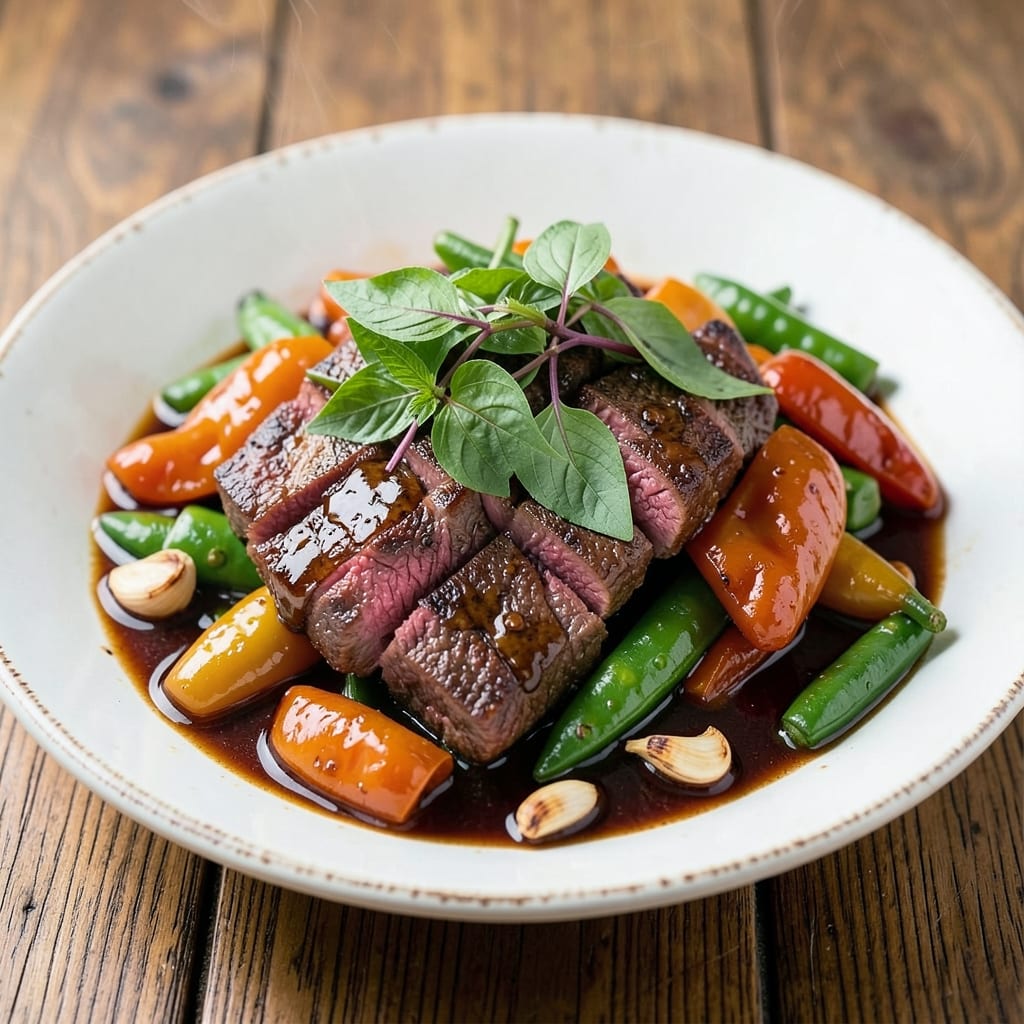
This basil beef stir fry delivers restaurant-quality flavor with tender beef, fragrant basil, and a perfect crunch that comes from wok-heated technique. The secret lies in high heat and quick cooking—just 15 minutes—to lock in juiciness while developing deep, savory notes. I’ve perfected this dish over years of testing, balancing sweet, salty, and umami for every bite.
The foundation starts with thinly sliced beef marinated in soy sauce, cornstarch, and a touch of baking soda—this ensures a crispy exterior and tender interior. Fresh basil isn’t just an afterthought; it’s the star, adding bright, aromatic notes that cut through the richness. A quick stir-fry in a hot wok or cast-iron skillet seals the flavors while keeping everything vibrant.
By the end, you’ll have perfectly seared beef strips with glossy edges, wilted basil releasing its essence, and a sauce that clings just enough to coat every bite. The dish pairs beautifully with steamed jasmine rice or egg noodles, soaking up every last drop of that fragrant sauce. It’s the kind of meal that feels special without requiring hours in the kitchen.
Whether you’re cooking for a weeknight dinner or a weekend gathering, this stir fry delivers bold flavors and satisfying texture. The method is straightforward, but the results are anything but basic—restaurant-quality at home, with minimal effort. Let’s get started on creating this fragrant, herb-packed masterpiece.
Ingredients for basil beef stir fry
Fresh basil and tender beef take center stage with just 14 ingredients.
| Ingredient | Amount | Notes |
|---|---|---|
| Flank Steak 🥩 | 1 ½ lb | Thinly sliced against grain |
| Fresh Thai Basil Leaves 🌿 | 1 ½ cups | Stems removed, loosely packed |
| Low-Sodium Soy Sauce 🍶 | ½ cup | Kikkoman preferred for balance |
| Cornstarch 🌾 | ¼ cup | For crispy exterior texture |
| Baking Soda 🧂 | ½ tsp | Tenderizes beef quickly |
| Garlic Cloves 🧄 | 6 cloves | Minced, aromatic foundation |
| Fresh Ginger 🌿 | 2 tbsp | Grated, zesty brightness |
| Sesame Oil 🫒 | 1 tbsp | Toasted for nutty aroma |
| Neutral Oil 🫒 | ¼ cup | Vegetable or canola |
| Brown Sugar 🍚 | 2 tbsp | Balances savory flavors |
| Red Chili Flakes 🌶️ | ½ tsp | Adjust for heat preference |
| Black Peppercorns 🌶️ | ½ tsp | Freshly cracked for depth |
| Sesame Seeds 🌾 | 2 tbsp | Toasted for crunchy finish |
| Green Onions 🧅 | 4 whole | Sliced, fresh garnish |
The beef is everything here. Flank steak is ideal—lean but flavorful, and it slices beautifully against the grain. Grab it from the meat counter at Whole Foods or your local butcher if you want the best quality. Look for bright red color and good marbling. If you can't find flank, sirloin or ribeye work too, but slice them thinner. The basil? Thai basil has that signature anise note—regular basil falls flat. Farmers markets usually have it freshest, but the plastic containers at Trader Joe's are surprisingly good.
No soy sauce? Coconut aminos or tamari work in a pinch, though the flavor won't be identical. Running low on cornstarch? Arrowroot powder at the same amount does the job just as well. The baking soda is non-negotiable—it's what gives that signature tender texture. If you're worried about aftertaste, rinse the beef after marinating for 10 seconds. The garlic and ginger can be pre-minced from the store, but freshly grated ginger makes all the difference. And for the love of stir-fry, toast that sesame oil until it smells nutty—don't use it straight from the bottle.
Marinate the beef for no more than 30 minutes—longer makes it tough. The basil wilts fast once chopped, so store it in a damp paper towel in the fridge. This dish reheats beautifully—just 1 minute in the microwave with a splash of water keeps it vibrant. Leftovers keep 3-4 days in the fridge, but honestly, it's even better the second day when flavors meld. Freeze portions for up to 2 months if you're making a big batch. And that sesame oil? Use the rest in eggs or noodles—it's too good to waste.
Why You'll Love This Recipe
- Steak in 15 Minutes: That baking soda trick tenderizes the flank steak while you prep everything else—no marinating overnight, no fuss. Honestly, I’ve made this while waiting for the rice to cook, and it still comes out perfect.
- Umami Bomb: The low-sodium soy sauce and Thai basil pack a flavor punch without overpowering. Between us, that crispy cornstarch crust on the steak? It’s the kind of texture that makes you take a second bite before you even think.
- Leftover Hero: This reheats like a dream—just toss it with a splash of water and stir-fry again. I’ll be real: my lunches for the next three days are basically solved, and it’s still just as good cold in wraps or over noodles.
- Budget Flex: Flank steak stretches far, and you’re using fresh basil instead of dried. Not the prettiest, but the taste makes up for it—plus, it’s the kind of meal that feels special without breaking the bank for takeout.
Step-by-step instructions for wok-heated fragrant beef and fresh herb crunch
Here's how to transform tender flank steak into a restaurant-worthy stir fry bursting with Thai basil aroma and crispy texture.
Prepare the Flank Steak for Maximum Tenderization
Place the 1.5 lb flank steak between two sheets of plastic wrap and pound it to an even ¼-inch thickness using a meat mallet. This ensures even cooking and prevents tough chewy bites. I like to work in sections, rotating the steak between each pound to maintain consistent thickness throughout.
In a small bowl, combine the 0.5 tsp baking soda with 2 tablespoons water to create a quick tenderizing solution. Rub this mixture all over the steak, then let it marinate in the refrigerator for 15 minutes. This short marinade breaks down muscle fibers without overpowering the natural beef flavor. After marinating, rinse the steak thoroughly under cold water and pat it completely dry with paper towels.
Slice Against the Grain for Perfect Texture
Slice the flank steak against the grain into ¼-inch thick strips. The grain runs lengthwise through the muscle fibers, so cutting perpendicular creates shorter fibers that yield tender, fork-friendly bites. I recommend using a sharp chef's knife and working in one continuous motion to maintain even slices.
Transfer the sliced beef to a bowl and add the 0.25 cup cornstarch. Toss gently with your hands or clean fingers until every piece is lightly coated. The cornstarch creates that signature crispy exterior we're after. Let the coated beef sit at room temperature for 10 minutes while you prepare the aromatics.
Build the Flavor Base with Aromatics
Heat a wok or large skillet over high heat until smoking, then add the 0.25 cup neutral oil. Once the oil shimmers, add the 6 cloves minced garlic and 2 tablespoons grated fresh ginger. Cook for 30 seconds until fragrant—this is where the foundation of your stir fry's aroma begins to develop.
Add the 2 tablespoons brown sugar and 0.5 tsp red chili flakes, stirring constantly for 1 minute until the sugar begins to caramelize slightly. This creates a subtle sweet-spicy balance that complements the beef beautifully. Immediately pour in the 0.5 cup low-sodium soy sauce and let it simmer for 30 seconds to meld the flavors.
Cook the Beef to Crispy Perfection
Working in batches if needed, add the cornstarch-coated beef to the wok in a single layer. Cook undisturbed for 1-2 minutes until the edges turn golden brown and crispy. This is crucial—resist the urge to stir too soon. Once the beef is browned on one side, stir gently and cook for another 1-2 minutes until fully cooked through and the cornstarch coating is crispy.
Remove the beef to a clean plate and set aside. In the same wok, add the 1 tablespoon toasted sesame oil and swirl to coat the pan. Return the beef to the wok and toss everything together for 30 seconds to distribute the sesame oil evenly.
Finish with Fresh Herbs and Garnishes
Add the 1.5 cups fresh Thai basil leaves and 4 whole sliced green onions to the wok. Stir everything together for 30 seconds until the basil wilts slightly but still maintains its vibrant color. The basil should be bright green and fragrant—this is your signal that it's cooked just enough to soften but not lose its freshness.
Taste and adjust seasoning if needed, then transfer the stir fry to serving plates. Garnish each portion with 2 tablespoons toasted sesame seeds and an additional sprinkle of red chili flakes if you prefer more heat. Serve immediately over steamed jasmine rice for the perfect balance of textures and flavors.
Pro Tips For Making Basil Beef Stir Fry
- Slice Thin, Then Rest: Flank steak fights back when sliced against the grain—it gets tough if you rush. Cut it paper-thin (⅛-inch max) before cooking, then hit it with baking soda for 15 minutes. I learned this the hard way after serving chewy strips to a picky eater who asked, "Is this supposed to be shoe leather?"
- Salt the Steak First: Low-sodium soy sauce won’t cut it if your meat tastes bland. Wet the steak with saltwater (1 tsp salt + ¼ cup water) 20 minutes before cooking—it tenderizes and seasons deep. Skip this, and you’ll end up chasing flavor with extra sauce, which just makes the dish soggy.
- No Crowd, No Cry: Thai basil wilts faster than you can say "perfect sear." Stir-fry in batches—max 2 minutes per batch—so the leaves stay bright and crisp. I used to toss everything in at once, and by the time the beef was done, the basil looked like sad lettuce. (Your future self will thank you.)
- Cornstarch is Your Crust: Slather that cornstarch mix (1 tbsp cornstarch + 1 tbsp soy sauce) generously—don’t be shy. Let it sit on the steak for 5 minutes before cooking so it forms a proper crust. I was skeptical until I tried it: the difference between "meh" and "wow" is that golden, sticky layer.
Perfect pairings for this recipe
Rice Pairings
Steamed jasmine rice is the classic companion—its delicate floral notes complement the basil and beef beautifully. Cook 1 cup jasmine rice with 1.5 cups water for a light, fluffy base. For extra flavor, rinse the rice first and add 1 tsp sesame oil to the cooking water. 🌾
Noodle Alternatives
For a heartier dish, serve over egg noodles or rice noodles. Toss 8 oz cooked noodles with 1 tbsp toasted sesame oil before adding the stir fry. Vermicelli noodles work well too—just cook them al dente and drain before serving. This turns your stir fry into a comforting noodle bowl.
Vegetable Sides
Light sides balance the richness of the beef. Try steamed bok choy with a sprinkle of white pepper or quick-pickled cucumbers for tangy contrast. I also love blistered shishito peppers—their mild heat and texture add another layer. Keep portions small so the beef remains the star.
Drink Pairings
A crisp green tea like Sencha or Jasmine tea cleanses the palate between bites. For something stronger, try a light lager like Asahi Super Dry—its crispness matches the dish's freshness. If you prefer wine, a dry Riesling with citrus notes works beautifully. 🍶
Garnish Upgrades
Elevate your dish with extra garnishes. Add crispy fried shallots for crunch or lime wedges for a bright finish. A drizzle of chili oil adds heat, while toasted coconut flakes bring a tropical twist. These small touches make the dish feel restaurant-worthy. 🌟
Make-Ahead Strategy
Prepare components ahead to save time. Cook the rice or noodles in advance and reheat gently. Marinate the beef the night before, but don't slice it until you're ready to cook. Store the basil separately and add it fresh when stir-frying. This keeps everything vibrant and ready to assemble quickly. ⏰
Nutrition facts
Frequently asked questions
Can I use regular basil instead of Thai basil in this recipe?
While you can substitute, Thai basil makes all the difference! Its anise-like flavor and licorice notes are essential for that authentic stir-fry taste. Regular basil lacks that depth, so if you must use it, add 1 tsp anise seeds or ½ tsp fennel seeds to mimic the flavor, or double the amount to 3 cups for more aroma.
How do I prevent the beef from becoming tough?
Three key steps: slice against the grain, use the baking soda marinade, and cook at high heat for just 2-3 minutes. The cornstarch coating creates a crispy barrier that locks in juices. Never overcrowd the pan—cook in batches if needed. Also, let the beef rest 5 minutes after cooking before serving.
Can I make this recipe without a wok?
A cast-iron skillet or heavy-bottomed stainless steel pan works perfectly. The key is getting the pan smoking hot before adding oil. If your pan isn't wide enough, cook in 2 batches to maintain high heat. Avoid nonstick pans—they can't handle the heat needed for proper browning.
What's the best way to reheat leftovers?
Reheat in 30-second bursts in the microwave with a splash of water to keep it moist. For best results, transfer to a skillet over medium heat and add 1 tsp sesame oil while stirring constantly. Avoid reheating more than once—freshly cooked basil beef has the best texture. Leftovers keep 3-4 days in the fridge.
How can I make this dish spicier?
Add ½ tsp extra chili flakes during the sauce-building step, or finish with 1 tbsp chili garlic sauce before serving. For heat lovers, toss in 2 sliced Thai chilies when adding the basil. If you like smoky heat, swap ½ tsp of the soy sauce for ½ tsp fish sauce—it adds depth without overpowering.