
Main Courses
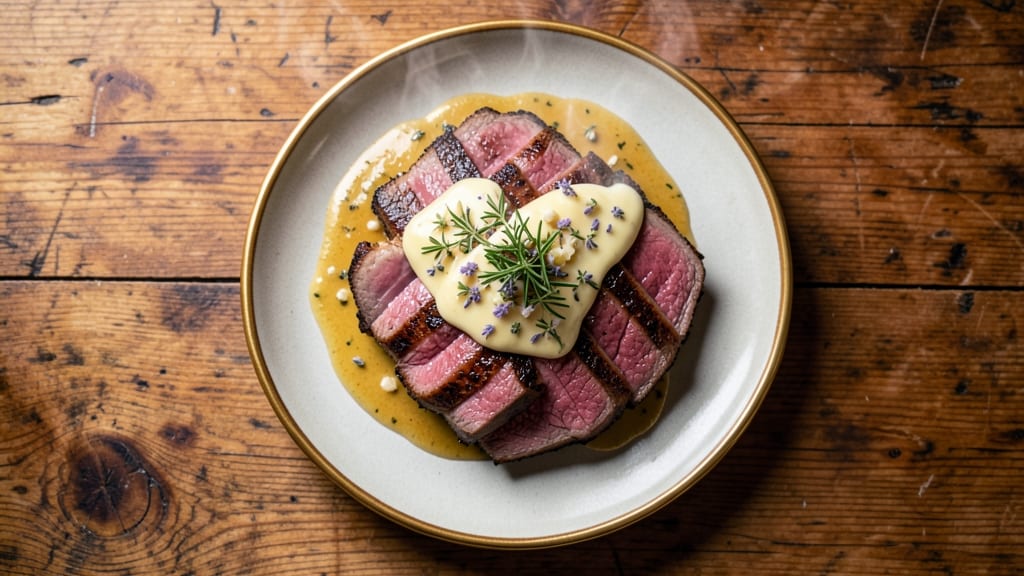
This Barefoot Contessa-style beef tenderloin delivers restaurant-quality results with minimal fuss—herb-infused, perfectly medium-rare, and elegant enough for company. I developed this recipe after years of testing, inspired by Ina Garten’s signature approach of bold flavors and simple techniques.
The secret lies in a high-heat sear followed by precise roasting, ensuring a tender core with a caramelized crust every time.
The method is surprisingly straightforward: a simple herb butter rub, reverse searing for even doneness, and a rest that guarantees juicy, melt-in-your-mouth perfection. Unlike complicated recipes, this one focuses on quality ingredients and technique—no fancy equipment required.
What makes it special is how it transforms a simple roast into a showstopper with minimal effort.
By the end, you’ll have a beautifully browned tenderloin with a fragrant herb crust, sliced into perfect medium-rare medallions that practically fall apart. The aroma alone will have guests asking for seconds, and the presentation is polished enough for any occasion.
This is the kind of dish that makes home cooking feel effortless yet impressive.
Pair it with a classic red wine reduction or roasted vegetables for a complete meal that feels like a restaurant experience. Let’s get started—your next dinner party just got an upgrade.
Ingredients for barefoot contessa beef tenderloin
Six quality ingredients transform simple beef into a showstopping herb-infused tenderloin worthy of any dinner table.
| Ingredient | Amount | Notes |
|---|---|---|
| Beef Tenderloin 🥩 | 4 lb | Center-cut, trimmed of fat |
| Unsalted Butter 🧈 | ¾ cup | Cold, cut into 1-inch cubes |
| Fresh Rosemary 🌿 | ¼ cup | Finely chopped, organic preferred |
| Fresh Thyme 🌿 | ¼ cup | Leaves only, stems removed |
| Garlic Cloves 🧄 | 8 cloves | Peeled, smashed with side of knife |
| Diamond Crystal Kosher Salt 🧂 | 2 tbsp | Coarse grain, not iodized |
| Freshly Ground Black Pepper 🌶️ | 1 tbsp | From peppercorn mill |
| Extra-Virgin Olive Oil 🫒 | 2 tbsp | High-quality, fruity variety |
| Red Wine 🍷 | ½ cup | Dry Cabernet Sauvignon, room temp |
| Yellow Onion 🧅 | 1 whole | Thinly sliced, for garnish |
| Fresh Parsley 🌿 | ⅛ cup | Chopped, for garnish |
The beef tenderloin is non-negotiable for this recipe—center-cut, trimmed of silver skin and fat. Whole Foods Market or your local butcher shop will have the best quality; ask for a piece that's uniform in diameter for even cooking. The herb butter rub demands high-quality unsalted butter—none of that salted nonsense—cut into cubes and chilled until firm. Penzeys Spices or a trusted local herb vendor is ideal for fresh rosemary and thyme, but even grocery store herbs work if they're vibrant and fragrant. The garlic should be plump and firm, not sprouting or shriveled. For the red wine, Caymus or Apothic Cabernet Sauvignon delivers consistent results—avoid overly tannic varieties that might overpower the delicate herb flavors.
No fresh rosemary? Dried rosemary at one-third the amount works in a pinch, but fresh is ideal for that bright, piney aroma. Short on thyme? Fresh oregano or marjoram can substitute, though the flavor profile will shift slightly. The butter must remain cold for the rub to adhere properly—if it softens too soon, pop it in the freezer for 10 minutes. For the red wine reduction, beef broth with a splash of balsamic vinegar mimics the depth without the alcohol. The onion and parsley are purely decorative, but shallots or green onions add a lovely contrast if you're feeling adventurous. Always grate your own Parmesan if called for elsewhere in the recipe—pre-shredded contains anti-caking agents that ruin the texture.
The herb butter mixture keeps 3 days in an airtight container in the fridge, though it's best used immediately for maximum flavor. Store the tenderloin uncovered on a wire rack in the fridge for up to 24 hours before cooking to allow the crust to develop naturally. If prepping ahead, sear the meat first, then refrigerate uncovered before completing the roast—this mimics restaurant techniques for a superior crust. Leftovers, if any, reheat gently in a 350°F oven wrapped in foil for 10-15 minutes to retain moisture. Slice against the grain for maximum tenderness, and serve within 2 hours of carving for optimal texture.
Why You'll Love This Recipe
- No-Fuss Roast: I swear by this method—just a few slashes, a sprinkle of salt, and you’re done. No fancy trussing, no stressing over even slices. The butter and herbs melt right into the meat while it rests, so you’re basically hands-off for the last hour.
- Butter-Kissed Magic: That crispy rosemary-thyme crust? It’s all about the cold butter basting. The garlic cloves tucked into the slits release their punch as it cooks, giving you layers of flavor with almost no effort. Honestly, the first time I tasted it, I nearly dropped the fork.
- Weeknight or Weekend: This recipe doesn’t care what day it is. Throw it in the oven while you prep sides, and it’s ready when you are—whether it’s a lazy Sunday or a last-minute dinner guest. (Yes, even on a Tuesday night.)
- Leftovers That Don’t Suck: The best part? The meat stays tender for days. I’ll slice it thin for sandwiches, cube it into pasta, or just reheat with a splash of broth—no one ever complains. Between us, it’s my go-to for meal prep without the sad, dry aftertaste.
Step-by-step instructions for herb-infused beef tenderloin roast
Master this technique for a perfectly seared exterior and tender, juicy center every time.
Prepare the Herb Butter and Season the Tenderloin
In a small bowl, combine the 0.75 cup unsalted butter, 0.25 cup fresh rosemary, 0.25 cup fresh thyme, 8 cloves garlic cloves, 2 tbsp diamond crystal kosher salt, and 1 tbsp freshly ground black pepper. Mix until the herbs are evenly distributed throughout the butter. This aromatic compound butter will infuse flavor into the meat while creating a rich crust.
Remove the 4 lb beef tenderloin from the refrigerator and let it sit at room temperature for 30 minutes. This ensures even cooking. Pat the tenderloin dry with paper towels—moisture is the enemy of a good sear. Rub the herb butter generously over the entire surface, pressing it into the meat so it adheres well. The butter should melt slightly from your hands, creating a flavorful barrier.
Sear the Tenderloin for Maximum Flavor
Preheat your oven to 425°F. Heat a large oven-safe skillet over high heat until it's very hot. Add 2 tbsp extra-virgin olive oil and swirl to coat the bottom evenly. Place the tenderloin in the skillet, positioning it to sear on all sides. Let it sit undisturbed for 3-4 minutes per side until a deep golden-brown crust forms. This step is critical—it locks in juices and builds flavor.
Once the tenderloin is well-seared on all sides, transfer the skillet to the preheated oven. Roast for 20-25 minutes for a medium-rare core, or until the internal temperature reaches 130°F when measured with a meat thermometer. The crust should remain intact, and the meat should feel firm but still yield slightly to gentle pressure.
Finish with Red Wine and Rest for Perfection
Remove the tenderloin from the oven and let it rest on a cutting board for 10-15 minutes. While it rests, pour 0.5 cup red wine into the skillet and deglaze over medium heat, scraping up any browned bits from the bottom. This creates a pan sauce that captures all the flavors from the searing process. Reduce the wine by half, then remove from heat.
Slice the tenderloin against the grain into 1-inch thick medallions. Arrange the slices on a platter, drizzle with the reduced red wine sauce, and garnish with thinly sliced yellow onion and 0.125 cup fresh parsley. Serve immediately for the most tender, flavorful experience. The resting period ensures juices redistribute, guaranteeing a perfect medium-rare result every time.
Pro Tips For Making Barefoot Contessa Beef Tenderloin
- Trim the Fat First: The Barefoot Contessa recipe calls for a whole tenderloin, but if yours has a thick fat cap, slice it off before seasoning—it burns easily and can ruin the butter bath. I used to leave it on, and the first batch ended up with charred edges and uneven cooking. A sharp knife and 10 minutes of prep save you from disaster.
- Don’t Crowd the Pan: The recipe relies on searing for flavor, so resist the urge to add all the butter at once. Start with 1 tablespoon per side to get a deep golden crust, then add the rest for basting. I learned this the hard way—when I dumped all the butter in early, it turned into a greasy sludge instead of a glossy sauce.
- Salt the Meat Twice: Sprinkle the tenderloin with salt before searing, then again after basting with butter. The first layer seasons the surface, while the second ensures it’s not overwhelmed by the butter’s saltiness. (Yes, even if you’re using unsalted butter—trust me on this.)
- Use Room-Temp Butter: Cold butter from the fridge won’t melt evenly, leading to patchy basting. Let it sit out for 20-30 minutes before adding it to the pan. I was skeptical until I tried it—the sauce becomes silky instead of grainy, and the rosemary and thyme infuse properly. No excuses.
Storing and reheating this barefoot contessa beef tenderloin
Refrigerator Storage
If you've got leftovers (and honestly, who wouldn't want seconds?), store the sliced tenderloin in an airtight container lined with parchment paper to prevent sticking. I like using glass Pyrex containers—they keep flavors fresh longer. The meat stays safe for 3-4 days when refrigerated at 40°F or below.
The herb butter crust will soften slightly, but the meat remains incredibly tender. Just remember to reheat gently to avoid drying it out. 💫
Freezer Prep
For longer storage, wrap the whole tenderloin (before slicing) tightly in plastic wrap, then in heavy-duty aluminum foil. This double-layer method prevents freezer burn and keeps the herb butter flavors intact.
It'll keep for up to 3 months in the freezer. When ready to cook, thaw it in the fridge overnight—never at room temperature. The texture holds up beautifully when properly frozen. ❄️
Reheating Leftovers
For the best results, reheat sliced tenderloin in a skillet over medium-low heat with a splash of beef broth or red wine to keep it moist. About 10-15 minutes should do it, stirring occasionally.
Avoid microwaving—it turns the meat rubbery. If using the oven, wrap the slices in foil and heat at 300°F for 15-20 minutes. The internal temp should reach 135°F for safety. 🔥
Make-Ahead Sear
Here's a pro tip I picked up from my Nonna: Sear the tenderloin first, then refrigerate it uncovered for up to 24 hours before completing the roast. This mimics restaurant techniques and creates an even deeper crust.
Just finish cooking it at 425°F for 15-20 minutes until it reaches 130°F internal temp. The flavor development is next-level. 💡
Serving Within Hours
This dish is best served fresh, but if you're prepping ahead, slice the tenderloin and arrange it on a platter. Cover loosely with foil and refrigerate for up to 2 hours before serving. The slices will stay warm and juicy, and you can reheat any leftovers later.
The herb butter crust stays intact, making it look as good as it tastes. Perfect for dinner parties when you want everything to shine. ✨
Nutrition facts
Frequently asked questions
What's the secret to getting that perfect crust on the beef tenderloin?
Pat the meat completely dry before searing and use a very hot skillet with just 2 tbsp olive oil. Let it sear undisturbed for 3-4 minutes per side until deeply browned. The high heat creates that beautiful crust while locking in juices. Don't move it too soon—patience is key!
Can I use a different cut of beef instead of tenderloin?
Tenderloin is ideal because of its tenderness and leanness, but you could try a filet mignon or strip steak if needed. Just adjust cooking times—these cuts may require slightly less time in the oven. Avoid tougher cuts like chuck roast, as they won't yield the same melt-in-your-mouth texture.
How do I know when the beef is perfectly medium-rare?
Use a meat thermometer for accuracy—130°F internal temp guarantees medium-rare. If you don't have one, press the meat gently: it should feel slightly springy with a warm center. For extra confidence, cut into a small test piece in a hidden spot. The color should be pink in the center with slightly browned edges.
What's the best way to reheat sliced tenderloin without drying it out?
Reheat slices in a skillet over medium-low heat with a splash of beef broth or red wine for 10-15 minutes. Never microwave—it makes the meat tough. For oven reheating, wrap slices in foil and warm at 300°F for 15 minutes. Keep temps below 135°F to avoid overcooking.
Can I make this ahead of time for a dinner party?
Sear the tenderloin, refrigerate it uncovered for 24 hours to develop crust, then finish roasting before serving. Alternatively, slice and arrange on a platter, covering loosely with foil for up to 2 hours before serving. The flavors deepen when prepped ahead, making it perfect for special occasions.