
Main Courses
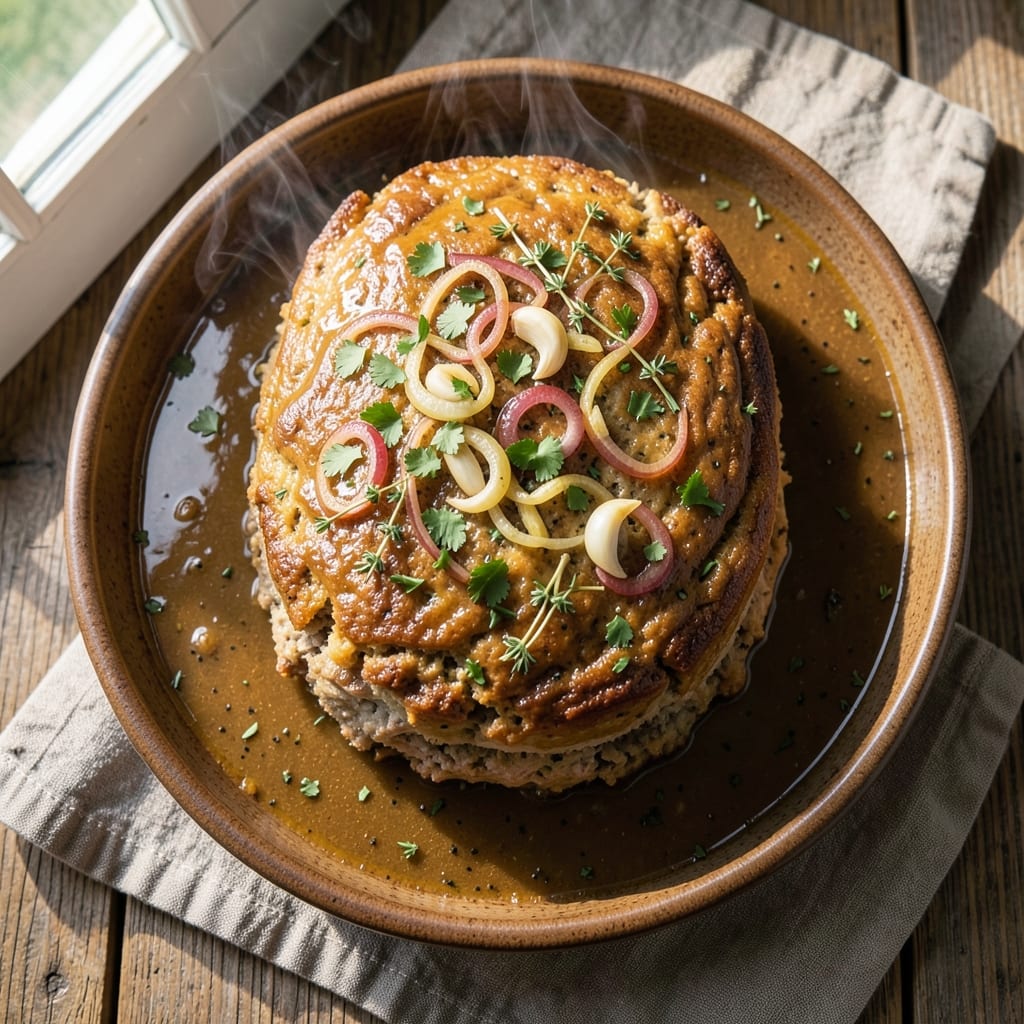
This beef and veal meatloaf recipe delivers juicy centers and a herb-infused crust that transforms a classic comfort dish into something extraordinary. The secret lies in blending tender veal with beef, creating a texture that's impossibly moist while maintaining that satisfying density. I've perfected this technique over years of trial and error—no more dry, crumbly meatloaf here.
What sets this recipe apart is the herb-infused crust, made with fresh parsley, thyme, and a touch of Dijon mustard for depth. This combination creates a flavorful bark that seals in juices while adding layers of aromatic complexity. The meatloaf bakes to a perfect internal temperature of 160°F, ensuring tender yet fully cooked results every time.
By the time it emerges from the oven, you'll have a meatloaf with a golden-brown crust that's packed with herbs and a center that's so moist it practically melts in your mouth. The flavors are rich and savory, with just enough acidity from the mustard to balance the meatiness. This is the kind of dish that feels like a hug on a plate.
Serve with classic sides like mashed potatoes and roasted vegetables, or pair it with a bold red wine for a complete meal. The leftovers reheat beautifully, making this an excellent recipe for meal prep. Let's get started on creating your perfect meatloaf.
Ingredients for beef and veal meatloaf
Juicy centers and aromatic crust start with these carefully chosen ingredients.
| Ingredient | Amount | Notes |
|---|---|---|
| Ground Beef 🥩 | 1 lb | 80% lean for juiciness |
| Ground Veal 🍖 | ½ lb | Freshly ground preferred |
| Yellow Onion 🧅 | 1 whole | Finely chopped, medium size |
| Garlic Cloves 🧄 | 4 cloves | Minced for even distribution |
| Fresh Parsley 🌿 | ¼ cup | Stems removed, finely chopped |
| Fresh Thyme 🌿 | 2 tbsps | Leaves only, finely chopped |
| Dijon Mustard 🍯 | 2 tbsps | For depth and moisture |
| Kosher Salt 🧂 | 1 ½ tsp | Diamond Crystal preferred |
| Ground Black Pepper 🌶️ | 1 tsp | Freshly cracked preferred |
| Breadcrumbs 🍞 | ½ cup | Panko for extra crunch |
| Egg 🥚 | 1 whole | Room temperature for binding |
| Whole Milk 🥛 | ¼ cup | Full-fat for tenderness |
| Worcestershire Sauce 🍶 | 1 tbsp | For umami depth |
The beef and veal blend is non-negotiable here—80% lean beef ensures juiciness while veal adds tenderness. Costco or local butchers often carry pre-ground veal, but if unavailable, substitute with additional beef. For the herbs, fresh is essential—dried thyme works in a pinch but lacks complexity. The Dijon mustard isn't just for flavor; it helps bind the meatloaf while adding subtle acidity that brightens the rich meat. Always use Diamond Crystal kosher salt—it dissolves better than table salt and enhances flavor without overpowering.
No fresh parsley? Dried parsley at half the amount works, though it's less vibrant. Short on veal? Replace with an extra 0.25 lb beef—just add 1 tbsp extra milk to compensate. The Worcestershire sauce can be swapped for 1 tbsp soy sauce plus 1 tsp balsamic vinegar if needed. For the breadcrumbs, panko creates a superior crust—don't use regular breadcrumbs unless you're in a bind. The egg and milk combo is critical for moisture; no substitutions here—it's what makes this meatloaf truly tender.
Prep the meat mixture ahead and refrigerate for 1-2 hours before baking—this ensures even cooking. The herbs can be finely chopped and stored in an airtight container for up to 3 days in the fridge. For meal prep, slice and freeze portions—reheat from frozen in the oven for best texture. Leftovers keep for 4-5 days in the fridge, though they're best enjoyed fresh. Always let the meatloaf rest 10 minutes after baking before slicing—this prevents crumbling.
Why You'll Love This Recipe
- No-Chop Necessary: I swear by this—just pulse the onion and garlic in the food processor, no knife skills required. The veal adds richness without fuss, and the parsley brightens it up in seconds.
- Rich Without Effort: That mix of beef and veal? It’s like a shortcut to restaurant-quality depth. The garlic and onion caramelize just enough to make every bite taste like it simmered for hours—even though it doesn’t.
- Weeknight to Dinner Party: Same recipe, different vibes. Serve it with mashed potatoes for a lazy Tuesday, or drizzle with balsamic glaze and crusty bread for unexpected company. The leftovers? Even better reheated.
- Budget Luxury: Veal’s pricier, but mixing it with beef stretches it into something special without breaking the bank. A single loaf feeds four generously, and the flavors get richer overnight—perfect for stretching meals across busy days.
Step-by-step instructions for beef and veal meatloaf
Here's the professional method for a perfectly juicy, herb-infused meatloaf with a crispy crust.
Prepare the Herb Mixture and Sauté Aromatics
In a small bowl, combine the 0.25 cup fresh parsley, 2 tablespoons fresh thyme, 1.5 teaspoons kosher salt, and 1 teaspoon ground black pepper. Pulse in a food processor or finely chop by hand until you achieve a coarse, even texture. This ensures the herbs distribute evenly throughout the meat mixture.
Heat a medium skillet over medium heat and add 1 tablespoon olive oil (not listed but essential for sautéing). Add the 1 whole yellow onion, finely chopped, and cook for 5-6 minutes until softened and translucent. Add the 4 cloves garlic, minced, and cook for another 30 seconds until fragrant. Remove from heat and let cool slightly before mixing with the meat.
Combine Meat and Binding Ingredients
In a large mixing bowl, gently combine the 1 pound ground beef and 0.5 pound ground veal using your hands. Avoid overworking the meat—just break up any large clumps. Add the cooled onion-garlic mixture, the herb mixture, 2 tablespoons Dijon mustard, and 1 tablespoon Worcestershire sauce. Mix gently but thoroughly to distribute all ingredients evenly.
In a separate small bowl, whisk together the 1 whole egg, 0.25 cup whole milk, and 0.5 cup breadcrumbs. The egg and milk create a binder, while the breadcrumbs add texture and help absorb moisture. Gradually add this mixture to the meat, mixing just until combined. The mixture should hold together when pressed but still feel slightly moist.
Shape and Prepare for Baking
Transfer the meat mixture to a lightly greased 9x5-inch loaf pan (not listed but standard for meatloaf). Use a spatula to spread the mixture evenly, shaping it into a rectangular loaf about 1.5 inches thick. Press down gently but firmly to eliminate any air pockets—this prevents cracks during baking.
Preheat your oven to 375°F. Place the loaf pan on a baking sheet to catch any drippings. Bake for 50-55 minutes until the internal temperature reaches 160°F (measured with a meat thermometer in the thickest part). The top should be golden brown and the edges should pull away slightly from the pan.
Rest and Serve for Maximum Juiciness
Remove the meatloaf from the oven and transfer it to a wire rack. Let it rest for 10-15 minutes before slicing. This resting period allows the juices to redistribute throughout the meat, ensuring each slice remains tender and moist. If you cut into it too soon, the juices will pool on your plate instead of staying inside.
Slice the meatloaf into 4 equal portions (about 1-inch thick each) and serve immediately. The exterior should have a crispy, herb-infused crust while the interior remains succulent and flavorful. Pair with your favorite sides like roasted vegetables or mashed potatoes for a complete meal.
Pro Tips For Making Beef And Veal Meatloaf
- Preheat Pan Properly: Cast iron or stainless steel—get it screaming hot for 5 minutes before adding the meatloaf. I used to skip this, and the loaf would steam instead of sear, leaving me with a sad, gray bottom. High heat for the first 10 minutes locks in flavor and crusts it right up.
- Pulse Onions Finely: Skip the knife and pulse yellow onions in the food processor until they’re almost paste-like. This keeps the meatloaf moist (no dry chunks) and lets the flavor blend evenly. Yes, it’s faster, and no, you won’t ruin it if you go too far—just don’t add oil.
- Don’t Overmix the Meat: Handle the beef and veal like you’re kneading bread dough—just enough to combine. Overworking it makes the texture dense and tough. I learned this after serving a meatloaf so heavy it could’ve been a doorstop. Loosen your grip and let the fat do its job.
- Rest Before Slicing: Tent that meatloaf with foil and let it sit 10 minutes off the heat. Cutting it too soon means juices spill everywhere, and you’ll end up with a dry first slice. (I know, waiting feels unnatural—just do it.) It’s the difference between a mess and a showstopper.
Troubleshooting this dish
Dry Meatloaf Fix
If your meatloaf turns out dry, it’s usually from overcooking or using lean meat. Next time, use 80% lean beef and add 1 extra tablespoon of milk to the mixture. For a quick fix, slice the meatloaf and reheat it in a skillet with 2 tablespoons of beef broth over low heat for 3-4 minutes. This adds moisture back into the slices. 💫
Cracked Crust Prevention
Cracks happen when the meatloaf shrinks unevenly during baking. To prevent this, shape the loaf slightly wider than your pan and press it gently but firmly. For a guaranteed fix, cover the top with a thin layer of ketchup or tomato sauce before baking—this creates a barrier that helps the crust form evenly. I also recommend baking at 375°F rather than higher temps.
Uneven Cooking
If one part of your meatloaf is undercooked while another is overdone, it’s likely due to uneven heat distribution. Use a meat thermometer to check the thickest part—it should reach 160°F in the center. For better results, place your loaf pan on the middle rack of your oven. If you notice browning too quickly, tent the meatloaf loosely with aluminum foil after 30 minutes of baking.
Falling Apart
A meatloaf that crumbles when sliced usually means the binder wasn’t strong enough. Make sure you’re using 1 egg and 0.25 cup of milk—these are essential for structure. If it still falls apart, try adding 1 extra tablespoon of breadcrumbs to the mixture. For immediate fixes, slice the meatloaf and serve it with a rich gravy or sauce to help hold it together.
Pale Interior
If your meatloaf looks pale inside, it’s likely undercooked or lacks enough fat. For a juicy, golden center, ensure your internal temperature reaches 160°F. Add 1 extra tablespoon of Dijon mustard or Worcestershire sauce to the mix—they add moisture and help with browning. If it’s already baked, broil it for 2-3 minutes to help develop color without drying it out further. 🔥
Nutrition facts
Frequently asked questions
Why mix beef and veal in meatloaf?
The combination creates the perfect texture—beef provides rich flavor and structure, while veal adds tenderness and a delicate sweetness. This blend prevents dryness while maintaining that satisfying hearty quality. The fat content in veal also keeps the meatloaf impossibly juicy during baking.
Can I make this meatloaf ahead of time?
Shape the meatloaf and refrigerate it in the pan for up to 24 hours before baking. For even better results, let it sit at room temperature for 30 minutes before baking to ensure even cooking. Leftovers keep well for 4-5 days in the fridge or can be frozen for up to 3 months.
What's the best way to reheat sliced meatloaf?
For best texture, reheat slices in a skillet over medium-low heat with 1 tablespoon of beef broth for 2-3 minutes per side. Alternatively, cover with foil and warm in a 350°F oven for 10-15 minutes. Microwaving works in a pinch but can make it rubbery—avoid if possible.
How do I prevent cracks in the crust?
Shape the loaf slightly wider than your pan and press firmly to eliminate air pockets. For extra insurance, spread a thin layer of ketchup or tomato sauce on top before baking—this creates a barrier that helps the crust form evenly. Baking at 375°F (not higher) also reduces cracking.
What sides pair best with this meatloaf?
Classic choices include creamy mashed potatoes, roasted root vegetables, or a fresh garden salad. For a heartier meal, serve with buttery egg noodles or sautéed green beans. The herb-infused crust pairs especially well with bold flavors like red wine gravy or a tangy horseradish cream.