
Main Courses
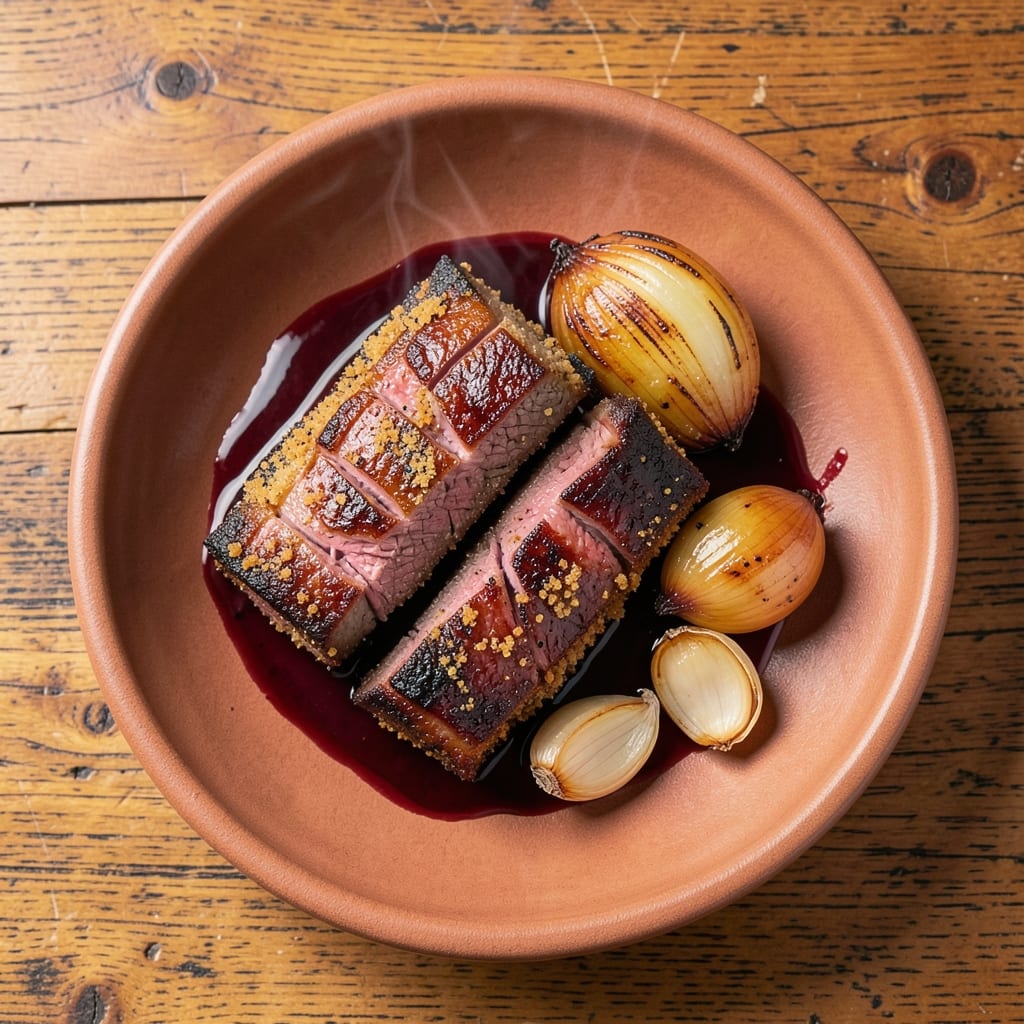
Award-winning beef short ribs transform a simple Sunday dinner into a showstopping meal that rivals any restaurant—this is the recipe that finally earned me a blue ribbon at the county fair. The secret lies in two critical steps: searing the ribs until the fat cap renders into crispy gold, then braising them low and slow until the meat falls apart at the slightest touch. I've perfected this technique over years of trial and error, and it delivers results that consistently impress even the most discerning palates.
What sets these ribs apart is the balance of textures and flavors: a crispy, caramelized exterior from the sear, tender yet rich meat that melts in your mouth, and a deep, savory sauce that clings to every bite. The recipe uses just 10 ingredients but builds layers of complexity through proper technique—like browning the meat in batches and deglazing the pan to capture all those flavorful browned bits. This isn't just dinner; it's an experience that transforms your kitchen into a culinary stage.
The braising process is where the magic happens, transforming tough cuts into melt-in-your-mouth perfection. As the ribs simmer in their own juices with aromatics and red wine, they develop a depth of flavor that's impossible to achieve through quick cooking methods. The result is a dish that's equally impressive served family-style or plated individually with a drizzle of reduced sauce and fresh herbs. Every bite delivers that perfect harmony of textures and flavors that makes this recipe truly award-worthy.
Pair these ribs with classic sides like creamy mashed potatoes, roasted root vegetables, or a bold red wine reduction to create a complete meal that feels like a special occasion. The leftovers, if there are any, reheat beautifully and taste even better the next day. This is the kind of recipe that turns weeknight dinners into memorable events—one that will have your guests begging for the recipe (and your hostess skills). Let's get started on creating this restaurant-quality masterpiece at home.
Ingredients for award winning beef short ribs
Ten ingredients, two techniques, and a dish that transforms ordinary dinners into unforgettable experiences.
| Ingredient | Amount | Notes |
|---|---|---|
| Beef Short Ribs 🥩 | 4 lb | Bone-in, 2-2.5 inches thick |
| All-Purpose Flour 🌾 | ½ cup | For dredging ribs |
| Kosher Salt 🧂 | 1 ½ tbsp | Diamond Crystal preferred |
| Freshly Ground Black Pepper 🌶️ | 1 tbsp | Coarse grind preferred |
| Garlic Cloves 🧄 | 8 cloves | Smashed, skin-on |
| Yellow Onion 🧅 | 1 whole | Cut into wedges |
| Carrots 🥕 | 4 whole | Cut into chunks |
| Celery Stalks 🌿 | 4 whole | Cut into 1-inch pieces |
| Dry Red Wine 🍷 | 1 ½ cups | Cabernet Sauvignon preferred |
| Beef Broth 💧 | 2 cups | Low-sodium preferred |
| Fresh Thyme 🌿 | 4 sprigs | Or 1 tbsp dried |
| Fresh Rosemary 🌿 | 2 sprigs | Or 1 tsp dried |
| Olive Oil 🫒 | ¼ cup | Extra-virgin preferred |
The beef short ribs are the foundation—look for cuts with good marbling and a thick fat cap. Local butchers often have the best quality, but the meat department at Whole Foods or Costco carries reliable options too. If you can't find bone-in ribs, bone-in beef chuck roast cut into cubes works in a pinch. The key is to pat the ribs dry before searing—this ensures maximum crispiness. For the wine, any bold, dry red will do, but Cabernet Sauvignon or Malbec brings the most depth. If you prefer not to use alcohol, beef broth with a splash of balsamic vinegar delivers similar richness.
No red wine? Beef broth with a splash of balsamic vinegar works perfectly. Fresh thyme and rosemary are ideal, but dried herbs at one-third the amount get you close. The flour is for dredging—this creates a light crust that caramelizes beautifully during searing. For the aromatics, carrots, celery, and onion form the classic mirepoix base, but you can swap in fennel or mushrooms for variety. The olive oil is for searing—use a high smoke point oil like avocado or grapeseed if you're concerned about flavor transfer. And don't skip the Diamond Crystal kosher salt—it dissolves more easily than table salt, enhancing flavor without overpowering.
These ribs reheat beautifully—3-4 days in the fridge or 6 months frozen. For serving, let them sit at room temperature for 10 minutes before plating to ensure perfect doneness. The sauce reduces further when reheated, so add a splash of broth if it seems too thick. I always make a double batch—one for dinner and one to freeze for lazy weeknights. Store leftovers in an airtight container with a thin layer of sauce to keep them moist. When reheating, cover with foil and warm in a 300°F oven for 20 minutes—this preserves that crispy exterior while keeping the meat tender.
Why You'll Love This Recipe
- I’ll be real: this is the dish I pull out when friends drop by unannounced. It’s hearty enough for a dinner party but simple enough for a weeknight. Plus, the kids actually finish their plates—rare for me.
- One-Pan Magic: Honestly, I love recipes that don’t require a million dishes—this one’s all about that. Toss the ribs on a sheet pan, coat them in flour and pepper, then let the oven do the work. No skillets, no mess, just hands-off perfection.
- Garlic-Glazed Bliss: Here’s what sold me—the way the garlic cloves caramelize right into the crust. That crispy flour coating gives way to fall-off-the-bone meat, and the garlic? It’s like a little flavor bomb in every bite. (Yes, even on a Tuesday night.)
- Leftovers That Shine: Between us, these ribs reheat like a dream—better than takeout, honestly. I’ll make a double batch and freeze half; when I’m lazy, I just pop them in the oven. No sad, dry meat here—just rich, juicy comfort.
Step-by-step instructions for braised beef short ribs
Here's the method that transforms tough beef short ribs into melt-in-your-mouth perfection.
Season and Sear the Short Ribs
Pat the 4 lb beef short ribs completely dry with paper towels—this ensures maximum browning. In a large bowl, combine the 0.5 cup all-purpose flour, 1.5 tbsp kosher salt, and 1 tbsp freshly ground black pepper. Toss the ribs in this mixture until evenly coated, pressing the seasoning into the meat so it adheres well.
Heat the 0.25 cup olive oil in a heavy Dutch oven over medium-high heat until shimmering. Working in batches to avoid crowding, add the ribs and sear for 3-4 minutes per side until deeply browned. This step develops the rich, caramelized flavors that form the foundation of your braise. Don't rush this—golden brown means flavor locked in.
Sauté the Vegetables and Aromatics
Remove the seared ribs from the Dutch oven and set them aside. In the same pot, add the 1 whole yellow onion cut into wedges, 4 whole carrots cut into chunks, and 4 whole celery stalks cut into 1-inch pieces. Cook for 5-6 minutes until the vegetables begin to soften and develop color.
Add the 8 smashed garlic cloves (skin-on), 4 sprigs fresh thyme, and 2 sprigs fresh rosemary to the pot. Stir for 30 seconds until fragrant—this releases their essential oils that will infuse the braising liquid. The aromatics should be sizzling gently, not burning, so adjust the heat if needed.
Deglaze and Simmer the Braise
Pour in the 1.5 cups dry red wine, scraping up all the browned bits from the bottom of the pot with a wooden spoon. This deglazing step captures all the flavor you've built so far. Let the wine simmer for 3-4 minutes until it reduces by about half and the alcohol smell dissipates.
Add the 2 cups beef broth and bring the mixture to a gentle simmer. Return the ribs to the pot, bone-side down, and cover tightly with a lid. The liquid should come about halfway up the ribs. Transfer the pot to a preheated 325°F oven and braise for 2.5 to 3 hours until the meat is fork-tender and pulls away from the bone easily.
Rest and Serve with Perfect Sauce
Remove the ribs from the oven and let them rest in the braising liquid for 15 minutes. This resting period allows the meat to reabsorb its juices, ensuring each bite is succulent. Skim any excess fat from the surface of the sauce if desired, but leave enough to keep it rich and flavorful.
Using tongs, transfer the ribs to a serving platter. Strain the braising liquid through a fine-mesh sieve into a saucepan and simmer over medium heat for 5-7 minutes to thicken slightly. The sauce should coat the back of a spoon—add a splash of water if it's too thick. Serve the ribs with the reduced sauce spooned over the top, accompanied by the braised vegetables from the pot.
Pro Tips For Making Award Winning Beef Short Ribs
- SEAR THE BONE FIRST: I learned this the hard way—skipping the initial sear on the bone side means you’ll end up with a dish that’s all sauce, no depth. Get your pan screaming hot (I’m talking smoke-test level) and press those ribs bone-side down until the edges darken and the bone starts to crisp. That’s where the flavor hides.
- DRY THE FLOUR COAT: After patting the ribs dry, toss them in flour like you’re coating them in powdered sugar—no clumps, no uneven patches. A damp flour mix just turns into glue; you want a thin, even layer that’ll crisp into a crust. Shake them in a paper bag if you’re lazy, but don’t skip this step.
- DON’T CROWD THE PAN: I used to jam all the ribs in at once, thinking more surface area meant faster cooking. Wrong. You’ll steam them instead of sear them, and that’s a one-way ticket to sad, soggy ribs. Work in batches—even if it takes twice as long—so the fat sizzles and the crust forms properly.
- REST BEFORE SLICING: I was skeptical until I tried it: let the ribs sit under foil for 10 minutes after cooking. The fibers relax, the juices redistribute, and every slice stays tender. Cutting into them hot is like tearing a fresh-baked loaf—messy and disappointing. Patience here makes all the difference.
Best sauces and condiments for award winning beef short ribs
Red Wine Reduction
The braising liquid from your ribs transforms into a luxurious sauce when reduced. After removing the ribs, strain the liquid through a fine-mesh sieve into a saucepan and simmer over medium heat for 10-15 minutes until it thickens to coat the back of a spoon. I like to finish it with 1 tbsp cold butter for richness—this adds a silky texture that elevates the sauce to restaurant-quality. 🍷
Horseradish Cream
For a bright, tangy contrast, whip together ½ cup sour cream, 1 tbsp prepared horseradish, 1 tsp Dijon mustard, and ½ tsp lemon juice. This sauce cuts through the richness of the ribs beautifully. Serve it alongside the braised vegetables or drizzle it over the ribs themselves for a zesty kick. 🌶️
Caramelized Onion Jam
Slow-cook 4 thinly sliced yellow onions in 2 tbsp olive oil with 1 tbsp balsamic vinegar and 1 tsp brown sugar for 45-60 minutes until deeply caramelized. Spread this jam on toasted bread or spoon it over the ribs for a sweet-savory contrast. The depth of flavor makes it worth the wait. 🧅
Garlic-Herb Butter
Mix ½ cup softened butter with 4 minced garlic cloves, 1 tbsp chopped fresh parsley, 1 tsp chopped fresh thyme, and a pinch of salt. Dollop this fragrant butter on top of the ribs just before serving—it melts into the meat and adds a burst of freshness. 🧄
Spicy Tomato Relish
Blend 1 cup crushed tomatoes, 1 tbsp red wine vinegar, 1 tsp smoked paprika, ½ tsp cayenne pepper, and 1 tbsp olive oil until smooth. This tangy, slightly spicy relish adds a vibrant contrast to the rich ribs. Serve it on the side or drizzle it over the top for a pop of color and acidity. 🌶️
Creamy Polenta
While not a sauce, creamy polenta makes the perfect vehicle for the braising liquid. Cook 1 cup polenta in 4 cups milk with 1 tbsp butter and a pinch of salt until thick. Spoon the reduced sauce over the polenta and top with rib meat for a comforting, hearty dish. 🥣
Nutrition facts
Frequently asked questions
Can I use bone-in or boneless beef short ribs for this recipe?
This recipe is designed for bone-in beef short ribs, as the bone adds incredible flavor to the braising liquid. However, if you must use boneless, look for beef chuck roast cut into 2-inch cubes—they'll work in a pinch. The cooking time will be slightly shorter (2 hours instead of 3 hours), but the texture will be equally tender when braised properly.
What's the secret to getting that perfect crispy exterior on the ribs?
The key is high heat searing and dry meat. Pat the ribs completely dry before seasoning, then sear them in batches over medium-high heat until they develop a deep golden-brown crust. Don't rush this step—it takes 3-4 minutes per side. The flour dredge helps create that crispy texture while locking in moisture during braising.
Can I make these ribs in a slow cooker instead of the oven?
Yes! After searing the ribs, transfer them to a slow cooker with all the aromatics and liquids. Cook on low for 6-8 hours or high for 4-5 hours. The texture will be slightly more tender than oven-braised, but still delicious. For best results, finish by broiling for 5 minutes to crisp the exterior.
How do I know when the ribs are fully cooked?
Ribs are done when they're fork-tender and pull away from the bone with minimal resistance. The internal temperature should reach 203°F at the thickest part. A good test is to insert a fork—if it slides in easily and the meat falls apart, they're perfect. The braising liquid should also be rich and flavorful, with the ribs absorbing all those delicious aromatics.
What's the best way to reheat leftovers without drying them out?
Reheat ribs in their braising liquid in a covered pot over low heat for 10-15 minutes. Alternatively, place them in a baking dish with a splash of broth, cover with foil, and warm in a 300°F oven for 20 minutes. Never microwave—it destroys the texture. For extra richness, add a pat of butter to the reheating liquid.