
Main Courses
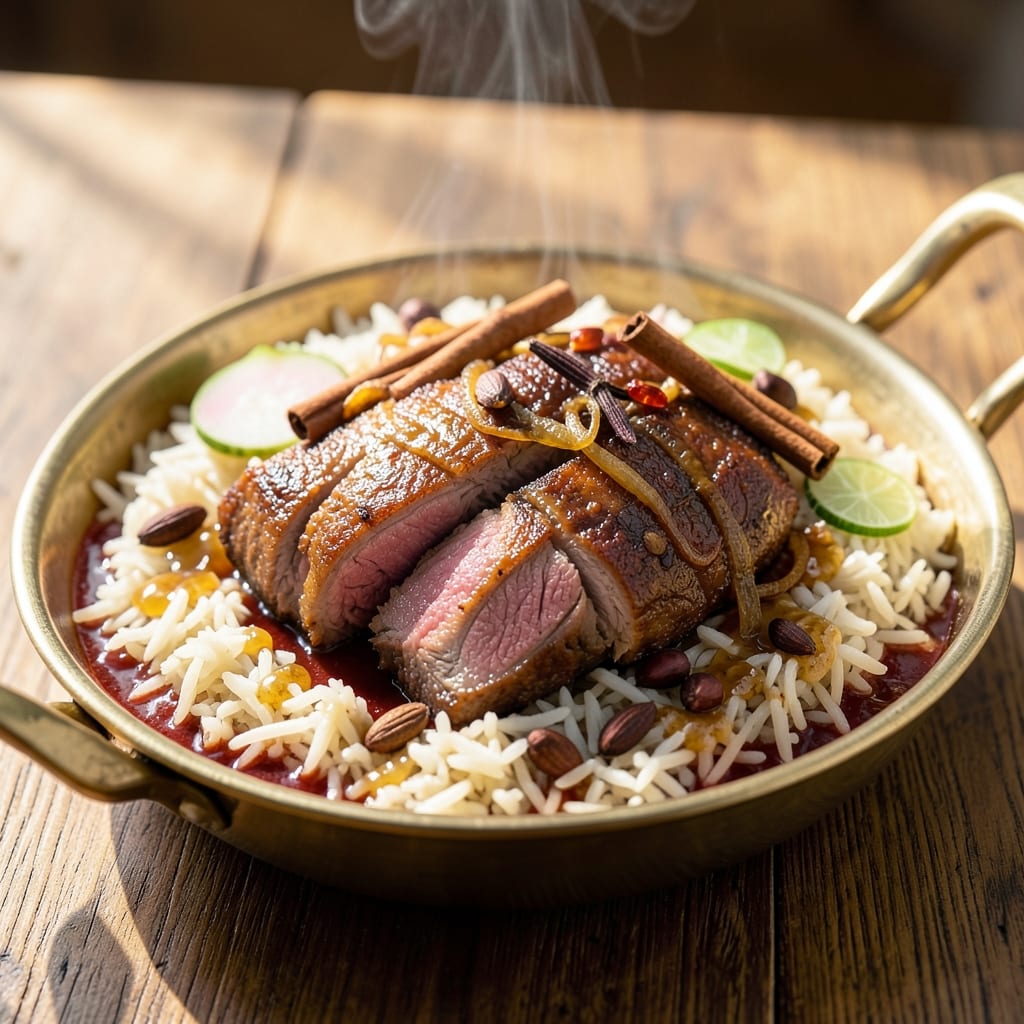
This Bannu beef pulao recipe transforms simple ingredients into a fragrant, golden dish where tender beef and basmati rice marry in a symphony of spices. The secret lies in slow-cooked meat infused with ginger, garlic, and mild chili heat—just like the traditional Bannu style. This isn't just a recipe; it's a sensory experience that brings warmth to any table.
The magic begins with a well-marinated beef cut, layered with whole spices that bloom into deep, aromatic flavors as they cook. Basmati rice absorbs these essences, emerging fluffy and infused with saffron's golden hue. Unlike other pulao recipes, this method ensures the beef remains tender while the rice stays perfectly separate—no mushy grains here.
What you'll achieve is a dish that smells like home and tastes like celebration: fragrant saffron rice with melt-in-your-mouth beef, each bite bursting with layered spices. The slow cooking process develops rich, complex flavors that store-bought spices can't replicate. This is comfort food at its finest—elegant enough for guests but simple enough for weeknight dinners.
Perfect for special occasions or lazy Sundays, this pulao scales beautifully for crowds. The leftovers? Even better the next day as flavors meld further. Ready to master this traditional dish? Let's begin with the ingredients that will change your rice game forever.
Ingredients for bannu beef pulao
Sixteen ingredients blend into a symphony of spices for this fragrant Bannu beef pulao.
| Ingredient | Amount | Notes |
|---|---|---|
| Beef Chuck Roast 🥩 | 2 ½ lb | Cut into 1.5-inch cubes |
| Basmati Rice 🍚 | 2 cups | Uncooked, long-grain preferred |
| Whole Milk 🥛 | 3 cups | Full-fat for creaminess |
| Ghee 🧈 | ½ cup | Or clarified butter |
| Garlic Cloves 🧄 | 8 cloves | Finely minced |
| Fresh Ginger 🌿 | 2 tbsp | Grated, aromatic variety |
| Green Chilies 🌶️ | 4 whole | Slit lengthwise, mild heat |
| Whole Cinnamon Sticks 🌿 | 2 pieces | 2-inch lengths |
| Bay Leaves 🍃 | 2 whole | Fresh for best flavor |
| Cardamom Pods 🌿 | 6 whole | Lightly crushed |
| Cloves 🌿 | 4 whole | Whole, aromatic |
| Saffron Threads 🧡 | ¼ tsp | High-quality strands |
| Ground Cumin 🌿 | 1 tbsp | Toasted for depth |
| Ground Coriander 🌿 | 1 tbsp | Freshly ground preferred |
| Turmeric Powder 🧂 | ½ tsp | Bright yellow hue |
| Kosher Salt 🧂 | 1 ½ tsp | Adjust to taste |
| Black Peppercorns 🌶️ | ½ tsp | Freshly cracked |
| Lemon Juice 🍋 | 2 tbsp | Freshly squeezed |
The beef cut is everything here. Chuck roast delivers that melt-in-your-mouth tenderness when cooked low and slow, while basmati rice from Whole Foods' bulk section or Indian grocery stores ensures perfect grains. For the spices, Penzeys Spices or local Indian markets offer the freshest whole spices—cardamom and cloves should smell vibrant, not dusty. Look for ghee labeled 'pure' or 'clarified' at Costco or specialty stores; it makes all the difference in flavor development. Fresh ginger and garlic? Trader Joe's has great quality at reasonable prices—just check the dates.
No whole spices? Ground cumin and coriander work in a pinch, though the texture won't be the same. The green chilies can be swapped for 1 tbsp chopped jalapeño if you prefer more heat. Running low on saffron? Turmeric at half the amount gives color, though it lacks saffron's floral notes. For the milk, whole milk is non-negotiable—reduced-fat versions won't give that creamy finish. The beef cubes should be evenly sized (1.5 inches) so they cook uniformly; trim any large fat deposits. And if you can't find fresh bay leaves, dried at half the quantity suffices.
Store the whole spices in a dark, airtight container for up to 6 months—they lose potency fast once opened. The cooked pulao reheats beautifully; just add a splash of warm water or milk to restore moisture. Keeps for 3-4 days in the fridge, though the flavors deepen overnight. For leftovers, portion into glass containers with a tight lid to preserve that fragrant aroma. Freezes for 3 months if you wrap it tightly in parchment paper first.
Why You'll Love This Recipe
- One-Pot Magic: I swear by this—just brown the beef, layer in the rice, and let it simmer. No chopping veggies into oblivion, no separate pots, no stress. The ghee and milk do all the heavy lifting while you sip tea and pretend you’re not cooking.
- Garlic-Ghee Bomb: That first bite? Rich, caramelized beef with garlic so tender it melts, all wrapped in creamy milk and nutty basmati. Honestly, the aroma alone makes my kitchen smell like a Pakistani wedding feast—no exaggeration.
- Leftovers That Beg: This dish improves overnight. The beef gets even more fall-apart tender, and the rice soaks up all the juices. Pack it for lunch? Yes. Freeze half for a lazy Sunday? Absolutely. My kids fight over it for days.
- Budget Feast: A whole roast and a bag of rice stretch for six servings, and the ghee and milk make it feel luxurious without breaking the bank. I’ll be real: this is my go-to when I want restaurant-quality but don’t want to spend $50 on takeout.
Step-by-step instructions for Bannu beef pulao
Master this aromatic dish with perfectly tender beef and fragrant saffron rice.
🍳 Step 1: Marinate and Sear the Beef
In a large bowl, combine the 2.5 lb Beef Chuck Roast cut into 1.5-inch cubes with 1 tbsp ground cumin, 1 tbsp ground coriander, 0.5 tsp turmeric powder, 1.5 tsp kosher salt, and 0.5 tsp black peppercorns. Massage the spices into the beef until fully coated, then let it marinate for at least 30 minutes (or up to 4 hours for deeper flavor).
Heat 0.25 cup ghee in a heavy pot over medium-high heat. Working in batches, sear the marinated beef until deep golden brown on all sides—this develops rich flavor and ensures tender meat. Remove the beef and set aside, leaving the rendered spices in the pot. This step is crucial for building the pulao's complex taste profile.
🍳 Step 2: Build the Aromatic Base
In the same pot with the beef spices, add 2 pieces whole cinnamon sticks, 2 whole bay leaves, 6 whole cardamom pods, and 4 whole cloves. Sauté for 1 minute until fragrant. Add 8 cloves garlic cloves and 2 tbsp fresh ginger, cooking for 2 minutes until the garlic turns golden. This aromatic foundation is the soul of Bannu beef pulao.
Stir in 4 whole green chilies (slit lengthwise) and cook for 30 seconds until slightly softened. Pour in 3 cups whole milk and bring to a gentle simmer. Let it reduce by half—this creates a creamy, flavorful liquid that tenderizes the beef. Meanwhile, rinse the 2 cups basmati rice under cold water until the water runs clear, then soak for 20 minutes to remove excess starch.
🥘 Step 3: Layer and Cook the Pulao
Drain the soaked rice and add it to the pot with the beef and milk mixture. Stir gently to combine, then bring to a boil. Once boiling, reduce heat to low, cover tightly with a lid (or foil), and cook for 20 minutes. This initial layering ensures the rice absorbs the beef's rich flavors while maintaining its texture.
After 20 minutes, gently fluff the rice with a fork, then add the seared beef back into the pot. Distribute the beef evenly throughout the rice. Sprinkle the 0.25 tsp saffron threads dissolved in 2 tbsp warm water over the top—this adds the signature color and delicate floral aroma. Cover again and cook for another 20 minutes on low heat.
⏰ Step 4: Rest and Finish
Turn off the heat and let the pulao rest, covered, for 10 minutes. This resting period allows the flavors to meld and the rice to steam perfectly. After resting, gently fluff the pulao again with a fork, then stir in 2 tbsp lemon juice for a bright, tangy finish. The lemon juice cuts through the richness of the ghee and beef, balancing the dish.
Serve immediately, garnished with additional whole cilantro if desired. Each bite should deliver perfectly tender beef infused with aromatic spices, paired with fragrant saffron rice. The dish tastes even better the next day as the flavors deepen, but the texture is best enjoyed fresh.
Pro Tips For Making Bannu Beef Pulao
- Sear the Beef First: After cutting the chuck roast into chunks, don’t skip the initial sear in ghee—high heat for 3-4 minutes per side until deep brown. I learned this the hard way: skipping it means bland, gray beef that soaks up the milk instead of standing up in the pulao. The crust locks in flavor and keeps the meat tender.
- Rinse Rice Twice: Basmati rice for pulao needs a quick rinse—twice in cold water, swirling until the water runs nearly clear. My grandmother swore by this, and she was right: it removes excess starch so the grains stay separate and fluffy, not gummy. Skip this, and your pulao turns into a gluey mess.
- Simmer Milk Low: Reduce the whole milk to a thick, creamy consistency—about half its original volume—before adding it to the rice. After burning three batches, I finally figured out: boiling it hard makes the pulao watery and dull. Keep the heat at a bare simmer, stirring often, until it coats the back of a spoon.
- Layer Rice Last: Don’t dump rice on top of the beef and milk all at once—add it in thin, even layers. I was skeptical until I tried it: this lets the steam penetrate every grain, giving you perfectly cooked rice from edge to edge. Yes, it looks weird, but it works every single time.
Common mistakes when making this dish
Overcooking the Beef
One of the biggest mistakes is cooking the beef too long, which turns it tough instead of tender. Bannu beef pulao relies on slow, gentle cooking—never rush the 40-45 minutes total cooking time for the beef. I've seen beginners crank the heat high to speed things up, but this causes the beef to dry out. Always maintain low heat after the initial sear. 🌡️
Skipping the Resting Time
Rushing the 10-minute rest after cooking is a common error that ruins the texture. This resting period lets the rice steam evenly and the beef reabsorb its juices. I once served pulao immediately after cooking, and the rice was dry while the beef was overcooked. Be patient—this step is non-negotiable for perfect results.
Using Wrong Rice
Substituting basmati rice with jasmine or short-grain rice changes the entire dish. Basmati's long grains stay separate and absorb flavors beautifully. I tried using jasmine once, and the pulao turned mushy. Stick to long-grain basmati—it's worth seeking out at Indian grocery stores or specialty markets.
Ignoring the Milk Reduction
Many recipes skip reducing the milk, but this crucial step creates a creamy sauce that tenderizes the beef. If you don't reduce it by half, the rice will turn out dry. I learned this the hard way—my first attempt had bland, dry rice because I rushed this step. Let the milk simmer until it thickens slightly for that signature Bannu richness. 🥛
Overcrowding the Pot
Using a pot that's too small leads to uneven cooking and steamed rice. The ideal pot should have enough space for the beef and rice to cook evenly without steaming too much. I recommend a 6-quart heavy pot for this recipe—it gives the ingredients room to breathe while maintaining moisture. Overcrowding always results in soggy rice.
Underseasoning the Beef
Some cooks hold back on spices, thinking they can add more later. But the beef needs to marinate with cumin, coriander, and turmeric for at least 30 minutes to develop flavor. I've found that beef marinated for 4 hours tastes infinitely better than beef seasoned right before cooking. Don't skimp on the spices—this is what makes Bannu beef pulao unforgettable.
Nutrition facts
Frequently asked questions about Bannu beef pulao
Can I substitute beef with chicken or lamb?
While beef gives Bannu pulao its signature rich flavor, you can adapt this recipe for chicken thighs or lamb shoulder. For chicken, reduce cooking time to 30 minutes after adding meat, and use 1.5 lbs instead of beef. Lamb requires 50 minutes of total cooking time due to its density. The spice blend remains the same, but adjust salt to taste since lamb is saltier.
How do I make this dish vegetarian?
Replace beef with 1.5 lbs extra-firm tofu or chickpeas for a hearty vegetarian version. Press tofu to remove excess water, then marinate in the same spice blend for 20 minutes. For chickpeas, add them directly to the pot after the milk reduction step and cook for 10 minutes with the rice. Use 1 tbsp extra lemon juice to brighten the dish. The saffron and whole spices will still create that signature aroma.
Why does my pulao turn out mushy?
Mushy rice usually happens from overcooking or using the wrong rice type. Always use long-grain basmati and follow the 40-minute total cooking time precisely. If your pot isn't heavy enough, it can't maintain even heat. Try a 6-quart Dutch oven next time—it distributes heat perfectly. Also, never stir the rice while cooking; this breaks the grains.
Can I make this recipe in an Instant Pot?
Yes! Sear the beef as directed, then add all ingredients except saffron to the Instant Pot. Cook on high pressure for 12 minutes, then quick-release. Stir in saffron and lemon juice. The texture will be slightly different (more tender beef, slightly firmer rice), but the flavors remain authentic. For best results, use the manual setting and avoid natural release.
What's the best way to reheat leftovers?
Reheat in a skillet with 2 tbsp ghee over low heat for 5-7 minutes, stirring gently to avoid drying. Add 1-2 tbsp warm water or milk if needed to restore moisture. Microwaving works too—cover with a damp paper towel and heat in 1-minute intervals until warmed through. The dish actually improves overnight as flavors meld further.