
Soups & Stews
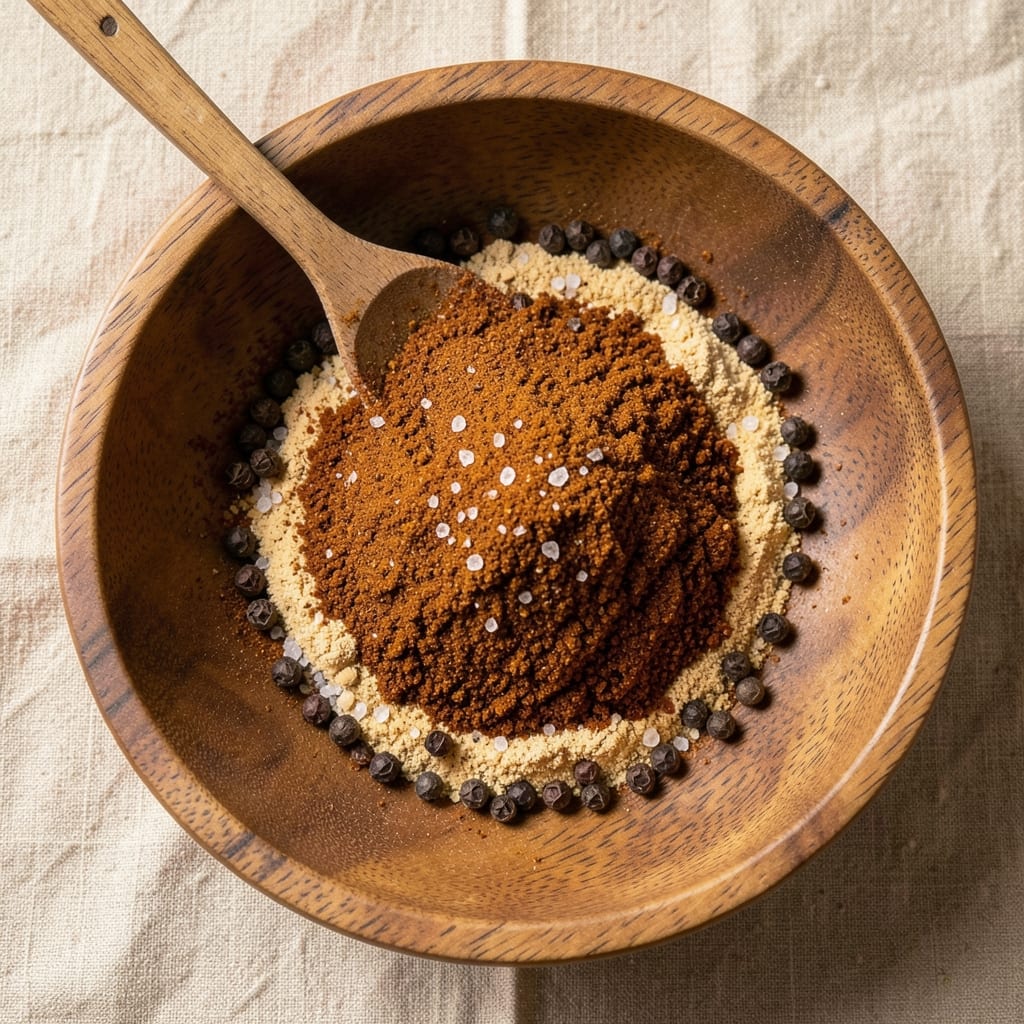
This beef back rib rub recipe transforms tough cuts into melt-in-your-mouth perfection with just a handful of pantry staples. The secret lies in balancing smoky paprika, earthy spices, and a touch of sweetness to create a crust that cracks into flavorful shards as you cook. I developed this blend after years of testing—each spice plays a role in breaking down collagen while building a deep, complex flavor profile that rivals professional competition rubs.
The magic happens in the precise ratios: coarse kosher salt draws out moisture for better bark formation, while black pepper and garlic powder add depth without overpowering. A hint of brown sugar caramelizes during cooking, creating that coveted sticky crust, but the star is the smoked paprika—it delivers that unmistakable BBQ aroma that makes your kitchen smell like a smoker's dream. This blend works equally well for grilling, smoking, or even roasting.
What sets this rub apart is its versatility—use it on ribs, brisket, or even chicken thighs for that same fall-apart tenderness. The dry format means it keeps indefinitely in your pantry, ready to elevate any protein at a moment's notice. No liquids, no guesswork—just pure, concentrated flavor that transforms ordinary meat into something extraordinary.
Apply generously to ribs 1-2 hours before cooking (or overnight for maximum flavor penetration) and let the spices work their magic. The result? Ribs so tender they practically disintegrate at the touch, with a crust that's crispy on the outside and smoky all the way through. This is the kind of seasoning blend that turns weeknight dinners into showstopping meals.
Ingredients for beef back rib rub
Nine spices, one transformative blend for ribs that practically melt in your mouth.
| Ingredient | Amount | Notes |
|---|---|---|
| Smoked Paprika 🌶️ | 3 tbsp | High-quality smoked variety for depth |
| Coarse Kosher Salt 🧂 | 2 tbsp | Diamond Crystal preferred for texture |
| Freshly Ground Black Pepper 🌶️ | 1 ½ tbsp | Freshly cracked for maximum punch |
| Garlic Powder 🧄 | 1 ½ tbsp | Freshly ground preferred |
| Onion Powder 🧅 | 1 tbsp | For sweet, aromatic base |
| Brown Sugar 🍯 | 1 tbsp | Light or dark, not raw |
| Ground Cumin 🌿 | 1 tbsp | Toasted for deeper earthiness |
| Dried Thyme 🌿 | 1 tsp | French thyme preferred |
| Mustard Powder 🌶️ | ½ tsp | Adds subtle tangy depth |
| Cayenne Pepper 🔥 | ½ tsp | Adjust for heat preference |
The smoked paprika is non-negotiable here—Penzeys or McCormick deliver that authentic BBQ aroma that makes your kitchen smell like a smoker's dream. Diamond Crystal kosher salt is key for that perfect crust texture; it's coarser than table salt, so it clings better and creates those coveted flavor shards. For the spices, bulk bins at Whole Foods or Trader Joe's give you fresher, more potent options than pre-packaged jars. If you're buying whole spices, toast them in a dry pan for 30 seconds before grinding—it wakes up their flavors dramatically. The brown sugar adds that caramelized crust, but don't substitute raw sugar; it lacks the molasses notes that make this blend special.
No smoked paprika? Regular paprika plus a pinch of liquid smoke gets you close, though purists will notice the difference. Running low on thyme? Dried oregano at half the amount works in a pinch, but it won't have that same earthy depth. The mustard powder is what gives this rub its complexity—skip it and you'll miss that subtle tang that balances the sweetness. For heat, red pepper flakes at double the amount can replace cayenne if you're sensitive to spice. Pro tip: If you're using this on chicken, reduce the cayenne to 1/4 tsp—poultry is more delicate than beef ribs. And if you're making a big batch, double the mustard powder; it's worth the extra flavor boost.
This rub keeps indefinitely in an airtight container—glass jars work best—stored in a cool, dark place. The spices will stay potent for up to 6 months, though I usually make fresh batches every 3 months just to be sure. For maximum flavor penetration, apply it 1-2 hours before cooking (or overnight if you're patient). The rub works on ribs, brisket, chicken thighs, or even pork chops—just adjust the cooking time accordingly. And if you're smoking? Apply a second coat after 2 hours for that competition-level bark.
Why You'll Love This Recipe
- Five-Ingredient Magic: I swear, this rub is the kind of thing that makes you feel like a grill master—no fancy prep, just toss those five staples (smoked paprika, salt, pepper, garlic powder, onion powder) into a bowl and boom. The smoked paprika alone gives it that deep, smoky soul, while the garlic and onion powders sneak in layers of warmth without any chopping.
- Weeknight Hero: Between us, this is my go-to when I’m staring at a fridge full of ribs and a clock that’s not on my side. Twenty minutes of mixing, a quick pat-down on the meat, and you’re free to watch Netflix while the oven does the work. The coarse kosher salt? It clings like a magnet, so you don’t waste a single grain.
- Leftovers That Don’t Suck: Honestly, I make this rub just so I can save half the ribs for sandwiches the next day. The flavor actually deepens after a night in the fridge—crispy edges, tender meat, and that rub clinging like it’s afraid to let go. My kids fight over the leftovers, and I don’t even have to pretend it’s gourmet.
- Tailgate or Tuesday: Here’s what sold me—this rub works everywhere. Grill it for summer BBQs, slow-cook it for a cozy Sunday dinner, or even toss it on steaks when you’re feeling fancy. The black pepper adds a little kick, but the smoked paprika keeps it from being too heavy, so it’s just as happy on a weeknight as it is at a tailgate. (Yes, even on a Tuesday night.)
Step-by-step instructions for crafting the perfect beef back rib rub
This bold spice blend transforms ordinary ribs into smoky, fall-apart masterpieces.
Measure All Ingredients Precisely
Gather all your ingredients and measure them accurately using the exact quantities specified. I like to use a small mixing bowl and a fine-mesh strainer for the finer spices to ensure even distribution later. The smoked paprika should be a deep, rich color—this indicates high quality and maximum flavor impact.
For the freshly ground black pepper, I always recommend cracking fresh peppercorns just before measuring. The aroma alone tells you it's time to start blending. Keep your measuring spoons handy and set up a workstation where you can easily access each ingredient without cross-contamination between spices.
Combine Dry Ingredients Thoroughly
In a medium bowl, add all the measured ingredients: the 3 tbsp smoked paprika, 2 tbsp coarse kosher salt, 1.5 tbsp freshly ground black pepper, 1.5 tbsp garlic powder, 1 tbsp onion powder, 1 tbsp brown sugar, 1 tbsp ground cumin, 1 tsp dried thyme, 0.5 tsp mustard powder, and 0.5 tsp cayenne pepper.
Use a whisk to break up any clumps in the spices, especially the cayenne and mustard powder which can sometimes form hard lumps. Then switch to a rubber spatula and fold the ingredients together, pressing down firmly to ensure all components are evenly distributed. This thorough mixing creates a cohesive blend where each spice contributes its unique character without overpowering the others.
Toast the Spices for Enhanced Flavor
Transfer the spice mixture to a dry skillet set over medium heat. Let it cook for 2-3 minutes, stirring constantly with a wooden spoon. You'll notice the spices begin to dance and release their aromatic oils—this is when the magic happens. The brown sugar will caramelize slightly, adding a subtle sweetness that balances the heat.
Watch carefully as the mixture changes color from a dull gray to a rich, deep brown. This indicates the spices are properly toasted and their flavors are being activated. Be patient—don't rush this step. Once you see the spices darken and smell intensely aromatic, remove the skillet from heat immediately to prevent burning.
Cool and Store the Rub
Allow the toasted spice blend to cool completely in the skillet. This cooling process lets the flavors meld together and prevents condensation when you transfer it to storage. I like to spread it out on a baking sheet to cool more quickly, but be careful not to let it sit too long or it might absorb moisture from the air.
Once cooled, transfer the rub to an airtight container. I prefer glass jars with tight-sealing lids for long-term storage. The rub will keep for up to 3 months in a cool, dark place, or you can freeze it for even longer shelf life. Label your container with the date and contents—this blend is so versatile you'll want to make it often.
Apply Generously for Maximum Flavor
When ready to use, apply the rub generously to your beef back ribs. I like to press it firmly into the meat, especially in the crevices and along the bone, to ensure maximum flavor penetration. The rub should coat the ribs completely and leave a visible layer that will develop into a beautiful bark during cooking.
For best results, let the rubbed ribs sit at room temperature for 30-60 minutes before cooking. This allows the spices to adhere to the meat and begin developing their flavors. The ribs will be ready when you see the rub clinging to the surface and smell that irresistible smoky aroma—your signal that it's time to fire up the grill or oven.
Pro Tips For Making Beef Back Rib Rub
- CRUSH THE SALT FIRST: I learned this the hard way—grinding kosher salt in a mortar or crushing it with the flat of a knife before mixing it into the rub breaks up those big flaky crystals and makes the seasoning cling way better to the meat. No mortar? Use a heavy pan or the bottom of a rolling pin.
- DON’T SKIP THE GARLIC POWDER TOAST: If your garlic powder tastes bitter or stale, toast it in a dry skillet over medium heat for 30 seconds until fragrant. This revives the flavor and cuts through the smokiness of the paprika—trust me, it makes a real difference when you’re mixing the rub. (Yes, even if you’re impatient like me.)
- APPLY THE RUB THICK: A light dusting won’t cut it—pack the rub onto the ribs like you’re frosting a cake, using about 2 tablespoons per pound. The first layer sticks best when the meat is dry, but don’t rush: let it sit uncovered in the fridge for at least 4 hours (overnight is ideal) so the spices penetrate.
- WATCH THE PAPRIKA HEAT: Smoked paprika varies wildly—some brands are mild, others hit like a ghost pepper. Taste it first (yes, seriously) and adjust the salt and pepper accordingly. If it’s too strong, cut the amount in half and boost the onion powder to balance it out. (Your future self will thank you.)
Essential equipment for great beef back rib rub
Smoker Essentials
For authentic BBQ flavor, a charcoal smoker like the Traeger Pro 575 or Weber Smokey Mountain is ideal—both deliver consistent 225-250°F temps perfect for ribs. If you're grilling instead, a pellet grill such as Camp Chef Woodwind adds smoky depth without fuss. For budget-friendly options, a stick burner like the Masterbuilt 200715 works well for beginners. 🔥
Heat Control Tools
A digital meat thermometer (I swear by ThermoWorks Smoke) is non-negotiable—it tracks internal temp and smoker heat simultaneously. For charcoal smokers, a chimney starter (like Char-Griller) lights coals faster and more evenly. If you're using wood chips, a chip clamp ensures steady smoke without flare-ups. Pro tip: Keep a spare water pan handy to manage humidity during long cooks.
Prep & Storage Gear
Invest in a stainless steel meat hook (like Victorinox) for easy rib flipping and a wire rack to elevate ribs over heat. For rub application, a fine-mesh strainer helps distribute spices evenly. Store your rub in an amber glass jar (like Ball Mason) to block light and preserve freshness. A butcher paper roll (from Amazon Fresh) is perfect for wrapping ribs during the stall phase.
Optional Upgrades
For next-level results, add a wood chip tube (like Traeger's) for hands-free smoke or a digital temperature controller (such as Meater) for precise adjustments. A meat tenderizer mallet (from OXO) helps break down connective tissue if your ribs are extra tough. Don’t forget a heat-resistant glove—your hands will thank you when adjusting vents on a hot smoker. 💪
Nutrition facts
Frequently asked questions
Can I make this rub without smoked paprika?
Yes, but the flavor will differ. Replace the 3 tbsp smoked paprika with 2 tbsp regular paprika plus 1/2 tsp liquid smoke for a similar smoky depth. Keep the toasted spices in a dry skillet for 2-3 minutes to enhance the aroma, even without the smoked paprika.
How long should I let the rub sit on the ribs before cooking?
For best results, apply the rub 1-2 hours before cooking to let the spices penetrate the meat. If you're short on time, 30 minutes will still work, but overnight is ideal for maximum flavor infusion. The longer the rest, the better the bark formation.
Can I use this rub on other meats besides beef back ribs?
This versatile blend works well on brisket, pork chops, chicken thighs, or even salmon. For poultry, reduce the cayenne to 1/4 tsp to avoid overpowering delicate flavors. Adjust cooking times based on meat thickness and cut.
Why does my rub look clumpy after mixing?
Clumps often form with spices like cayenne or mustard powder. Use a whisk first to break them up, then press the mixture with a rubber spatula to distribute evenly. For extra smoothness, sift the spices through a fine-mesh strainer before combining. Toasting in a dry skillet also helps eliminate clumps.
How do I store leftover rub?
Transfer to an airtight glass container and store in a cool, dark place for up to 3 months. For longer storage, freeze in small portions. Keep it away from moisture to prevent clumping. Label with the date—fresh rub always tastes best!