
Soups & Stews
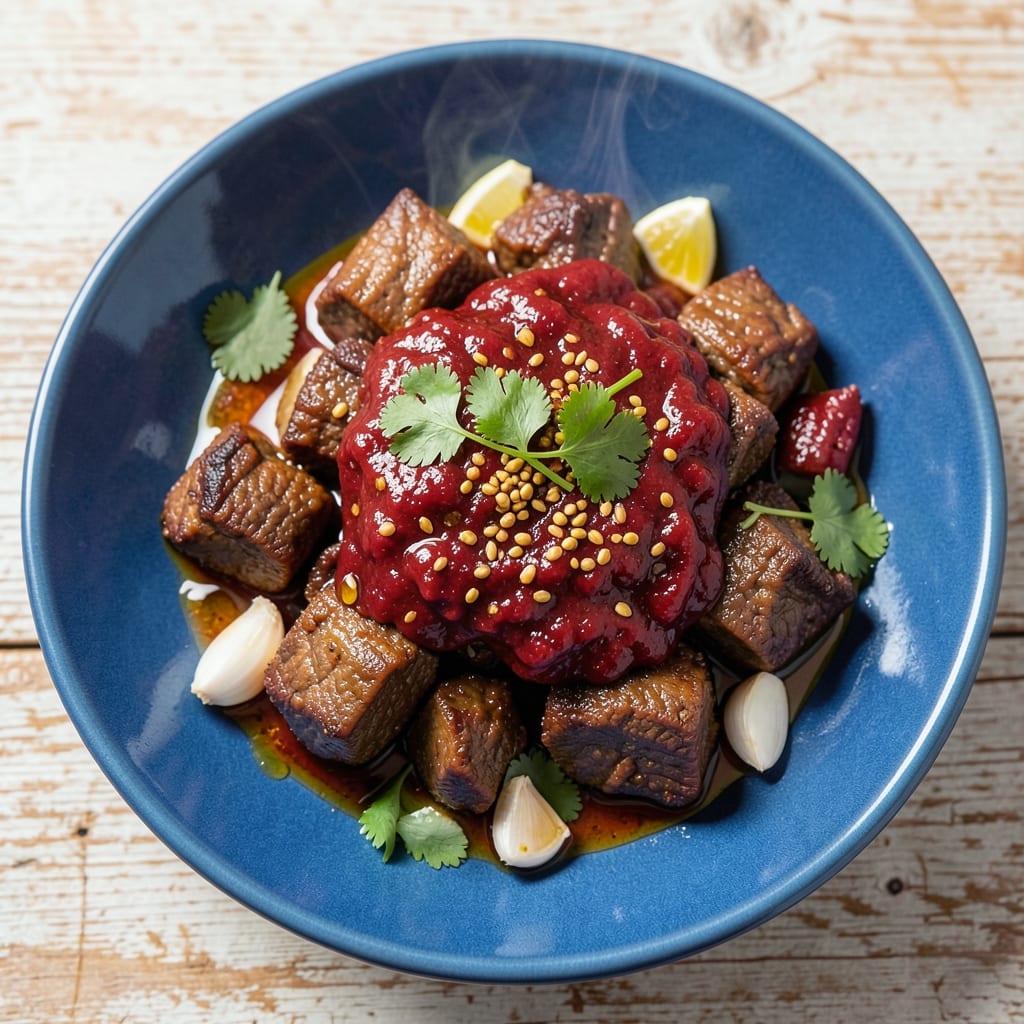
This Bangladeshi Chinese beef chili recipe merges two culinary worlds into one unforgettable bowl of spiced coconut-wok crunch and deep umami heat. 🌟 The fusion begins with beef seared in mustard oil—a Bangladeshi staple—before wok-frying with garlic, ginger, and five-spice powder for that signature Chinese depth. What makes this dish special is the balance: smoky chili heat from bhut Jolokia meets the creamy richness of coconut milk, all tied together with a soy-fermented broth that simmers until rich and velvety.
The secret lies in the technique: high-heat wok searing locks in beef juices while caramelizing aromatics, then slow reduction of the broth creates layers of complexity. Traditional panch phoron (Bangladeshi five-spice blend) adds warmth, while Chinese chili bean paste delivers that addictive, slightly sweet heat. Every bite delivers crispy edges from the wok, tender beef, and a sauce that's both creamy and packed with umami—proof that fusion cooking can be better than the sum of its parts.
By the time you serve this chili, your kitchen will smell like a street food stall in Dhaka meets a Cantonese wokhouse. The dish pairs beautifully with steamed jasmine rice or fluffy luchi (Bangladeshi flatbread) to soak up every last drop of that aromatic sauce. What starts as a simple beef and vegetable stir-fry transforms into a restaurant-quality bowl that's hearty enough for a cold evening but light enough for a weeknight dinner.
Whether you're serving this to guests or treating yourself to a homemade feast, the key is patience—letting flavors meld while you work through the steps. The result is a dish that's bold, comforting, and impossible to resist. Ready to bring this fusion masterpiece to your table? Let's get cooking.
Ingredients for bangladeshi chinese beef chili
Mustard oil, panch phoron, and bhut Jolokia kick off this fusion masterpiece—where wok heat meets Bangladeshi spice.
| Ingredient | Amount | Notes |
|---|---|---|
| Beef Chuck Roast 🥩 | 1 ½ lb | Cut into 1-inch cubes |
| Mustard Oil 🫒 | ¼ cup | For authentic searing |
| Garlic Cloves 🧄 | 8 cloves | Minced for aromatic base |
| Fresh Ginger 🌿 | ¼ cup | Finely grated, peeled |
| Panch Phoron 🌶️ | 1 tbsp | Bangladeshi five-spice blend |
| Chinese Chili Bean Paste 🌶️ | 2 tbsp | For deep umami heat |
| Bhut Jolokia Chili 🔥 | 1 tsp | Adjust for heat preference |
| Coconut Milk 🥥 | 1 can | 13.5 oz can, full-fat |
| Soy Sauce 🍶 | ¼ cup | Light or dark preferred |
| Carrots 🥕 | 2 medium | Julienned for texture |
| Green Bell Pepper 🧅 | 1 whole | Sliced into strips |
| Onion 🧅 | 1 large | Thinly sliced |
| Tomato Paste 🍅 | 2 tbsp | Concentrated flavor |
| Salt 🧂 | 1 ½ tsp | Kosher or sea salt |
| Black Pepper 🌶️ | ½ tsp | Freshly ground |
The beef is non-negotiable—chuck roast delivers that melt-in-your-mouth texture after wok-frying. Grab the pre-cubed version from Costco or your butcher for convenience, but if buying whole, cube it yourself for even cooking. Mustard oil is the star here—look for authentic brands at Indian grocery stores like Patel Brothers or Apna Bazaar. If you can't find it, avocado oil works in a pinch, but the flavor won't be the same. For the chili, bhut Jolokia is the holy grail, but habanero or ghost pepper will give you that smoky heat if you're adventurous.
No panch phoron? Mix 1 tsp each of cumin, fennel, fenugreek, mustard, and nigella seeds—toast them in a dry pan first for depth. Running short on coconut milk? Full-fat canned coconut milk is ideal, but light coconut milk works if you strain it. The chili bean paste? Lao Gan Ma is the gold standard, but any brand with no additives will do. For the veggies, julienned carrots add crunch—use a mandoline if you're fancy, or hand-cut for rustic texture. The bell pepper can be swapped for shishito peppers if you're feeling fancy, but green stays classic.
This dish tastes even better the next day—portion into containers before serving so everyone gets their own bowl of sauce heaven. Keeps for 4-5 days in the fridge, or 3 months frozen if you're prepping for a crowd. The sauce thickens as it cools, so add a splash of water or broth when reheating. Serve with jasmine rice (steamed to perfection) or luchi (Bangladeshi flatbread) for the full experience. Leftovers make killer lunches—just microwave for 2 minutes with a splash of water.
Why You'll Love This Recipe
- One-Pot Magic: I swear by this recipe when I’m too tired to wash dishes—just sear the beef, toss in the spices, and let it simmer. That mustard oil hits the pan with a bold aroma, and suddenly, cleanup is just scraping a single pot.
- Flavor Bomb: The combo of panch phoron and ginger? It’s like a spice party in your mouth. That deep, smoky chili kick from the mustard oil and garlic makes every bite feel like a hug—especially when the beef gets tender.
- Leftovers That Win: This dish actually improves the next day. The flavors meld into something richer, and I always have enough to pack for lunch. Honestly, I make a double batch on Sundays just so I don’t have to cook again.
- Budget Beef Boost: Beef chuck roast is cheap, and this recipe stretches it far without sacrificing taste. I’ll be real: my wallet thanks me, but my taste buds get the better deal—especially when I stretch it with rice or roti.
Step-by-step instructions for Bangladeshi Chinese beef chili
Here's how to create this bold fusion dish with perfect texture and layered flavors.
🔥 Step 1: Sear the Beef in Mustard Oil
Heat the 0.25 cup mustard oil in a heavy-bottomed wok or Dutch oven over medium-high heat until it shimmers. Add the 1.5 lb beef chuck roast cut into 1-inch cubes, working in batches if needed to avoid crowding. Let the beef sear undisturbed for 3-4 minutes per side until it develops a deep golden crust.
This initial sear locks in juices and builds that essential wok hei flavor. You'll notice the beef releases easily when properly browned. Once all pieces are seared, transfer them to a plate and set aside. Don't drain the oil—those flavorful browned bits are the foundation of your sauce.
👨🍳 Step 2: Build the Aromatic Base
In the same wok, reduce heat to medium and add the 8 cloves minced garlic and 0.25 cup finely grated ginger. Cook for 30-45 seconds until fragrant but not browned—you should smell that pungent, fresh aroma. Immediately add the 1 tbsp panch phoron and 2 tbsp Chinese chili bean paste, stirring constantly for 1 minute until the spices bloom and fill your kitchen with their complex scent.
Here's where the magic happens: the chili bean paste adds deep umami while the panch phoron brings those signature Bangladeshi spice notes. If you're sensitive to heat, reduce the 1 tsp bhut jolokia chili to ½ tsp—this is where you can adjust to your preference. Stir in the 2 tbsp tomato paste next, cooking for another 1 minute until it darkens slightly.
🍳 Step 3: Develop the Sauce with Vegetables
Add the 1 large thinly sliced onion, 2 medium julienned carrots, and 1 whole sliced green bell pepper to the wok. Stir-fry for 4-5 minutes until the vegetables soften but still maintain their texture—you want them tender-crisp, not mushy. Pour in the 0.25 cup soy sauce and 1.5 tsp salt, stirring to combine. Let this mixture cook for 2 minutes to allow the soy sauce to reduce slightly and deepen in flavor.
This is your flavor bridge—where the sweetness of the bell pepper and carrots balances the heat from the chili. The soy sauce should coat the vegetables evenly. If you notice the vegetables sticking, add 1-2 tablespoons water to deglaze, scraping up any browned bits from the bottom of the wok for maximum flavor extraction.
🥘 Step 4: Finish with Coconut Milk and Simmer
Return the seared beef to the wok along with any accumulated juices. Pour in the 1 can coconut milk and add the 0.5 tsp black pepper. Bring everything to a gentle simmer, then reduce heat to low-medium. Let it cook uncovered for 25-30 minutes, stirring occasionally, until the beef is fork-tender and the sauce has thickened slightly. You're looking for beef that easily pulls apart with two forks.
I like to check the sauce consistency at the 20-minute mark—if it's too thin, let it reduce longer. If it's too thick, add 1-2 tablespoons water to reach your desired consistency. The coconut milk should create a creamy, velvety texture that balances the heat and umami perfectly. The dish should smell rich, slightly sweet, and deeply aromatic.
⏰ Step 5: Rest and Serve with Crunch
Remove the wok from heat and let the beef chili rest for 5 minutes. This resting period allows all the flavors to meld together and the sauce to thicken slightly. For that signature wok crunch, I like to serve this dish with a side of crispy fried shallots or toasted cashews—just sprinkle them over each serving right before eating.
Serve immediately with steamed jasmine rice or fluffy basmati to soak up that delicious sauce. Each bite should deliver perfect texture contrast—tender beef, crisp vegetables, and a creamy-spicy sauce that lingers. The mustard oil adds that authentic Bangladeshi depth, while the coconut milk brings a subtle sweetness that rounds out all the bold flavors. Enjoy while it's hot!
Pro Tips For Making Bangladeshi Chinese Beef Chili
- Sear the Beef First: After cutting the chuck roast into chunks, don’t rush the sear—let that pan get screaming hot first. I learned this the hard way when my beef turned out gray instead of caramelized. Two minutes per side until deep brown, then pull it out and set aside. That crust locks in flavor when the chili sauce later cooks down.
- Bloom the Panch Phoron: Toss the whole panch phoron seeds (not ground powder) into the mustard oil before adding garlic or ginger. Let them sizzle for 10 seconds—just until they darken slightly but don’t burn. This releases their magic aroma; skipping this step means missing half the soul of the dish.
- Control the Mustard Oil: Mustard oil burns faster than you think. Once you add the beef, keep the heat medium—not high—so the oil infuses without turning bitter. I used to crank it up, and the whole batch ended up tasting like soap. Lower heat = better flavor, even if it takes a few extra minutes.
- Deglaze with Ginger-Garlic Paste: Instead of scraping burnt bits with water, mix 2 tablespoons of fresh ginger-garlic paste into a splash of water for deglazing. The paste dissolves the fond while adding depth, and you won’t need extra oil. (Yes, even if you’re impatient like me—this saves cleanup and adds layers of flavor.)
Common mistakes when making great bangladeshi chinese beef chili
Overcrowding the Wok
One of the biggest mistakes is overcrowding your wok during the searing stage. When you add too much beef at once, the temperature drops and you end up steaming instead of searing. This leads to greasy, unevenly cooked beef that lacks that essential wok hei flavor. I always work in batches—no more than 1 lb of beef at a time in a 14-inch wok. This ensures each piece gets that perfect golden crust. 🔥
Skipping the Mustard Oil
Mustard oil isn't just flavor—it's the soul of this dish. If you substitute it with regular vegetable oil, you'll miss that signature Bangladeshi depth and nutty aroma. The oil should be heated until it shimmers but not smoking—this is when it releases its full flavor profile. I recommend using authentic mustard oil from Indian grocery stores like Patel Brothers for the real experience. If you must substitute, avocado oil is the closest alternative, though it lacks the same complexity.
Undercooking the Beef
This chili requires patience—beef that's not fully tender will make the dish tough and unsatisfying. The beef should reach an internal temperature of 195-203°F for that melt-in-your-mouth texture. I always check doneness with a meat thermometer and let it simmer until it easily pulls apart with two forks. Rushing this step means missing out on the rich, beefy flavor that makes the dish sing. 💪
Ignoring the Resting Time
Letting the chili rest for 5 minutes after cooking might seem like a small detail, but it's crucial. This allows the sauce to thicken slightly and the flavors to meld together. Skipping this step means serving a dish where the sauce is too thin and the flavors are still fighting for dominance. I've found that even 10 extra minutes of resting can make a noticeable difference in the final texture and taste.
Neglecting the Aromatics
The garlic, ginger, and spices need proper attention—they're the flavor foundation. Cooking them too long turns them bitter, while undercooking leaves them raw and harsh. I aim for 30-45 seconds for the garlic and ginger until they're fragrant but not browned. The panch phoron and chili bean paste should bloom immediately—stirring constantly for that 1 minute is non-negotiable. This is where the magic happens, so don't rush it. ✨
Balancing the Heat
The bhut Jolokia brings serious heat, and it's easy to overdo it. If you're new to this chili, start with ½ tsp and adjust to taste. The coconut milk helps balance the heat, but it's not a cure-all. I've learned the hard way—once I made this with the full 1 tsp without enough coconut milk, and it was overwhelming. Taste as you go and adjust gradually. The goal is a harmonious blend of heat, umami, and creaminess, not a spicy disaster. 🌶️
Nutrition facts
Frequently asked questions
What makes this dish a fusion of Bangladeshi and Chinese flavors?
The recipe combines mustard oil and panch phoron (Bangladeshi staples) with Chinese techniques like wok searing and chili bean paste for umami depth. The coconut milk adds a creamy texture while balancing the heat from bhut Jolokia—a fusion of South Asian spice with Chinese wok cooking methods.
Can I make this recipe without bhut Jolokia chili?
For milder heat, substitute with ½ tsp habanero or ½ tsp cayenne pepper. If you prefer no heat, omit it entirely—just reduce the chili bean paste to 1 tbsp to maintain umami. The coconut milk will still create a creamy base, though the dish will be less complex.
How do I substitute mustard oil if I can't find it?
Use avocado oil for the closest flavor, though it won't have the same nutty depth. For a lighter option, neutral oil like vegetable or canola works, but add ½ tsp toasted cumin seeds to mimic some of the aroma. Heat it until shimmering (not smoking) to maximize flavor extraction.
Is this dish spicy enough for heat lovers?
With the full 1 tsp bhut Jolokia and chili bean paste, it delivers serious heat—but the coconut milk softens the burn. For extra spice, add ½ tsp extra chili bean paste or a pinch of Sichuan peppercorns (toasted and crushed) for a numbing kick. Serve with extra rice to balance the heat.
Can I prepare this ahead of time?
Yes! The flavors improve overnight. Let it cool, then refrigerate for up to 5 days or freeze for 3 months. Reheat gently on the stove with 1-2 tbsp water to restore creaminess. The sauce thickens as it cools, so add extra water when reheating if needed.