
Sauces & Condiments
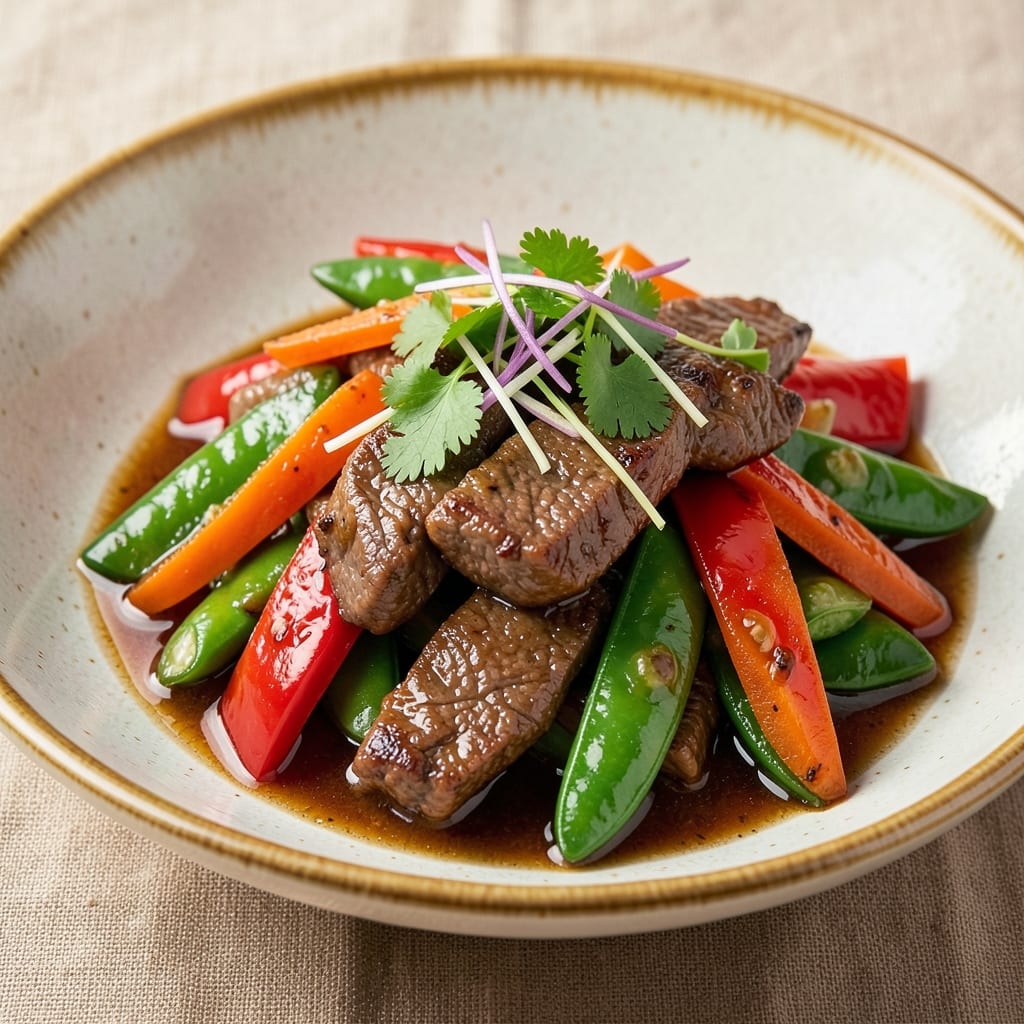
This beef and vegetable stir-fry sauce recipe delivers the perfect balance of savory, sweet, and aromatic flavors that elevate any stir-fry. The combination of soy sauce, ginger, garlic, and oyster sauce creates a rich, umami-packed sauce that clings beautifully to beef and vegetables. I've developed this recipe over years of testing, ensuring it's foolproof and adaptable to any stir-fry. The sauce is simple to make with just a few pantry staples, yet it transforms ordinary ingredients into something extraordinary. A touch of sugar balances the saltiness, while a cornstarch slurry adds the perfect thickness for tossing. The aroma alone will have your kitchen smelling like a bustling Asian restaurant. What makes this sauce special is its versatility—it works equally well with tender beef strips, crisp vegetables, or even tofu. The flavors meld together beautifully, creating a harmonious blend that's both comforting and exciting. Once you try this, you'll never reach for store-bought stir-fry sauce again. Ready in just 10 minutes, this sauce is perfect for weeknight dinners or meal prep. Let's get started!
Ingredients for beef and vegetable stir fry sauce
Pantry staples that transform into a restaurant-worthy stir-fry sauce in minutes.
| Ingredient | Amount | Notes |
|---|---|---|
| Soy Sauce 🍶 | ½ cup | High-quality, preferably Japanese |
| Oyster Sauce 🦪 | ¼ cup | Thick, rich variety preferred |
| Fresh Ginger Root 🌿 | 1 tbsp | Finely grated, aromatic |
| Garlic Cloves 🧄 | 4 cloves | Minced, fresh preferred |
| Granulated Sugar 🍚 | 1 tbsp | White or brown sugar |
| Cornstarch 🌾 | 1 tbsp | For perfect slurry |
| Sesame Oil 🫒 | 1 tsp | Toasted, for aroma |
| Vegetable Oil 🫒 | 1 tbsp | For initial deglazing |
| Red Pepper Flakes 🌶️ | ½ tsp | Adjust for heat preference |
| Green Onion 🧅 | 2 whole | Thinly sliced, for garnish |
The soy sauce is where the magic happens—Japanese brands like Kikkoman or Japanese Market selections pack the most umami. Oyster sauce? Lee Kum Kee is the gold standard, but any thick, rich variety works. Ginger and garlic should be fresh—no powdered shortcuts. I always buy ginger root and grate it myself; it makes a world of difference. For the sugar, brown sugar adds a subtle caramel note, but white works fine if that's what you've got. Sesame oil is non-negotiable for that authentic aroma—toasted, not the cheap stuff.
No oyster sauce? Hoisin sauce at half the amount gets you close, though it's sweeter. Fresh ginger too pricey? Ground ginger at one-third the amount, but it lacks the zing. The cornstarch slurry is your secret weapon—mix it with 2 tbsp cold water before adding to the sauce. Red pepper flakes? Cayenne at half the amount if you want more heat. Green onions are optional but add that fresh finish—use the white and green parts for maximum flavor. This sauce is all about balance, so taste as you go!
Store any leftovers in an airtight container in the fridge for up to 5 days. The flavors actually deepen overnight, so it's perfect for meal prep. Freezes beautifully for 3 months—just thaw in the fridge before using. I double the batch every time because it disappears faster than you'd think. The sauce reheats perfectly, so it's ideal for those busy weeknights when you need flavor fast. Garnish with extra green onions or a drizzle of sesame oil right before serving for that restaurant touch.
Why You'll Love This Recipe
- Pantry Magic: I swear by this sauce—no fancy shopping required. Just soy, oyster sauce, and a handful of spices I already had. Honestly, the moment I realized how few ingredients worked, I never looked back.
- Umami Bomb: That combo of oyster and soy sauce? It’s like flavor crack for stir-fries. The ginger and garlic sizzle just right, and the sugar? Just enough to balance the savory punch without making it sweet.
- Weeknight Hero: Between us, this is my go-to when I’m too tired to plan. Toss it with whatever veggies are lurking in the fridge—bell peppers, snap peas, whatever—and it still tastes ridiculously good. (Yes, even on a Tuesday night.)
- Budget-Friendly Power: A little goes a long way—this sauce stretches to feed four for under $10. And the leftovers? They reheat like a dream, so I’m never scrambling for dinner ideas. My wallet and my taste buds both win.
Step-by-step instructions for beef and vegetable stir fry sauce
This sauce delivers bold umami depth with perfect balance—where soy and oyster sauces harmonize with aromatic ginger and garlic.
Bloom the Aromatics in Vegetable Oil
Heat the 1 tablespoon vegetable oil in a small saucepan over medium heat until shimmering but not smoking. Add the 1 tablespoon finely grated fresh ginger root and 4 minced garlic cloves, stirring constantly. Cook for 1-2 minutes until the garlic becomes fragrant and just begins to turn golden—this prevents bitterness while unlocking their full flavor potential.
Watch closely here: ginger burns faster than garlic. If you see the garlic turning brown too quickly, reduce heat to medium-low. The goal is to develop aroma without charring. Once fragrant, remove from heat immediately to preserve their delicate flavors.
Combine Sauce Bases and Simmer
Return the pan to medium heat and add the 0.5 cup soy sauce and 0.25 cup oyster sauce, stirring to combine. Bring to a gentle simmer and cook for 3-4 minutes until slightly reduced by about 25%—this concentrates the flavors. Add the 1 tablespoon granulated sugar and 0.5 teaspoon red pepper flakes, stirring until the sugar dissolves completely.
Here's where the magic happens: the sugar caramelizes slightly, adding subtle depth while balancing the sauce's saltiness. If you notice the sauce thickening too quickly, add 1 tablespoon water to maintain proper consistency. Taste and adjust seasoning—you might want to add a pinch more soy sauce for saltiness or sugar for sweetness.
Thicken with Cornstarch Slurry
In a small bowl, whisk together the 1 tablespoon cornstarch with 2 tablespoons cold water until completely dissolved—this creates your thickening agent. Return the sauce to a gentle simmer and slowly pour in the cornstarch mixture while stirring continuously with a wooden spoon.
Stir vigorously for 1-2 minutes until the sauce reaches your desired consistency—it should coat the back of a spoon but still flow smoothly. If it thickens too quickly, add another 1 tablespoon water to adjust. Remove from heat immediately once thickened to prevent overcooking.
Finish with Sesame Oil and Garnish
Off the heat, stir in the 1 teaspoon sesame oil—this adds that signature nutty aroma that elevates the sauce. The heat will dissipate quickly, so work fast. Taste again and make any final adjustments: a splash more soy sauce for saltiness, or a pinch of sugar if you want more balance.
Transfer the sauce to a serving bowl and garnish with the 2 thinly sliced green onions. Let it sit for 5 minutes before serving to allow all the flavors to meld completely. This sauce keeps well in the refrigerator for up to 5 days, making it perfect for meal prep.
Pro Tips For Making Beef And Vegetable Stir Fry Sauce
- Bloom the Ginger: Thinly slice that ginger—no, not just chopped—into paper-thin sheets. Toss it straight into the hot wok with the garlic and let it sizzle for 10 seconds before adding anything else. I learned this the hard way: raw ginger chunks just sit there like sad little rocks while the garlic burns. Thin slices release flavor instantly and don’t need to be cooked to oblivion.
- Salt the Soy First: Mix your soy sauce and oyster sauce before adding them to the wok, then let it sit for 2 minutes. This lets the umami compounds wake up and blend properly—no more clinging to the beef in separate salty blobs. (Yes, even if you’re impatient like me, resist the urge to toss it in raw.)
- Sugar Last, Not Early: Add the granulated sugar after the beef is mostly cooked, not at the start. If you dump it in with the garlic, it’ll caramelize into a sticky mess before the sauce even forms. Toss it in during the last 30 seconds to balance the flavors without turning your stir-fry into a glaze.
- High Heat, Then Low Finish: Crank the wok to max heat for the first 2 minutes—this sears the garlic and ginger for depth. Then drop the heat to medium-low for the sauce to thicken. I used to keep it hot the whole time, and my sauce always ended up thin and watery. (Your future self will thank you.)
Flavor customization for beef and vegetable stir fry sauce
Sweet Heat Balance
Adjust the sugar-to-spice ratio to match your preference—I like starting with 1 tablespoon sugar and ½ teaspoon red pepper flakes, but you can double the heat with 1 teaspoon cayenne or triple the sweetness with 2 tablespoons honey. For a smoky twist, add ½ teaspoon smoked paprika or a dash of chili oil. I find that 1:1 sugar-to-spice ratio works perfectly for most palates. 🌶️
Umami Boosters
For deeper umami flavor, stir in 1 teaspoon fish sauce or 1 tablespoon mushroom powder after simmering the base. If you love richness, add 1 tablespoon hoisin sauce or a splash of dark soy sauce for color and depth. I’ve also had great success with ½ teaspoon MSG (just a pinch!) for that restaurant-quality punch. These tweaks are especially useful if your soy sauce isn’t particularly bold.
Tangy Twist
Brighten the sauce with 1 teaspoon rice vinegar or ½ teaspoon lime juice for a refreshing contrast to the richness. This works beautifully with bell peppers or snap peas in your stir-fry. For a citrusy kick, add 1 teaspoon orange zest along with the sugar—it pairs wonderfully with beef and carrots. I often use this variation when serving the sauce over cold noodles for extra zing. 🍋
Herb Infusions
Fresh herbs elevate the sauce instantly. Try 1 tablespoon chopped cilantro, 1 teaspoon Thai basil, or ½ teaspoon dried oregano for a Mediterranean-inspired twist. For a more traditional Asian flavor, add 1 teaspoon chopped scallions or ½ teaspoon dried shiitake powder. I like to blend in 1 teaspoon fresh cilantro right before serving—it adds a bright, herbal note that cuts through the richness. 🌿
Thickness Control
Need a thinner sauce for tossing? Reduce the cornstarch to ½ tablespoon and add 1 extra tablespoon water to the slurry. For a thicker, glaze-like finish (great for drizzling), increase cornstarch to 2 tablespoons and simmer for an extra 1-2 minutes. I’ve also had success using 1 teaspoon arrowroot powder instead—it thickens gently without altering the flavor. 🍜
Regional Variations
For a Korean-inspired version, swap oyster sauce for 1 tablespoon gochujang and add ½ teaspoon sesame seeds. A Thai-inspired twist uses 1 tablespoon fish sauce and ½ teaspoon lemongrass paste (if available). For a Japanese take, replace oyster sauce with 1 tablespoon mirin and add ½ teaspoon furikake for a nutty finish. Each variation keeps the core balance but shifts the flavor profile dramatically. 🗺️
Nutrition facts
Frequently asked questions
Can I make this sauce without cornstarch?
Yes! For a gluten-free option, use 1 teaspoon arrowroot powder mixed with 2 tablespoons water instead. If you prefer no thickener, simply simmer the sauce longer (up to 10 minutes) until it reduces naturally. Just remember it'll be thinner and best for drizzling rather than tossing.
How much sauce should I make for a typical stir-fry?
This recipe yields about 1 cup of sauce, perfect for 1 pound of beef and 3 cups of vegetables. For a larger batch, double all ingredients—just ensure you simmer the extra sauce for 5-7 minutes to concentrate flavors. Store extras in an airtight container for up to 5 days.
Can I use this sauce for other proteins besides beef?
It works beautifully with chicken, shrimp, or tofu. For seafood, reduce the soy sauce to 0.375 cup to prevent overpowering. With tofu, add ½ teaspoon white pepper to complement the texture. The sauce's balance makes it incredibly versatile across proteins.
Why does my sauce taste too salty?
This usually happens when using low-quality soy sauce or over-simmering. Try adding 1 teaspoon honey or more sugar to balance, or dilute with 1 tablespoon water. For future batches, use Japanese-style soy sauce which has a cleaner, less salty profile than American brands.
Can I make this sauce ahead of time?
Yes! It actually tastes better the next day as flavors meld. Store in an airtight container in the fridge for up to 5 days or freeze for 3 months. Thaw overnight in the fridge—never at room temperature. Reheat gently on low heat with 1 tablespoon water to restore original consistency.