
Main Courses
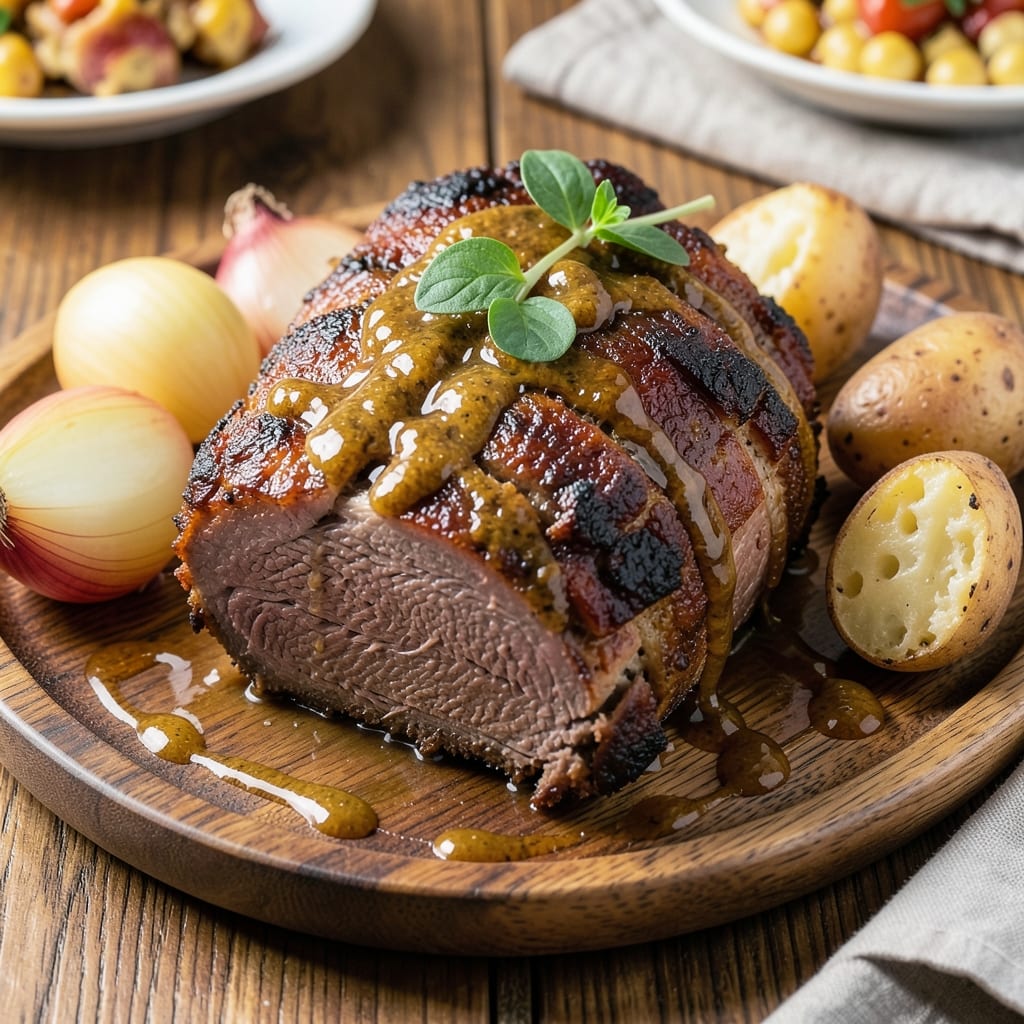
This baked corned beef recipe with mustard delivers the ultimate comfort food experience—crispy golden edges, juicy tender meat, and layers of savory mustard flavor that transform a simple brisket into something extraordinary. The secret lies in the mustard glaze, which caramelizes beautifully while keeping the interior moist, and the potato layers that soak up every drop of flavorful juices. I've perfected this method over years of holiday cooking, ensuring it's foolproof for any occasion, from St. Patrick's Day feasts to Sunday family dinners.
The mustard isn't just for flavor—it plays a crucial role in tenderizing the meat and creating that signature crispy top. You'll start with a 5-pound brisket (or corned beef brisket) that bakes slowly in the oven, surrounded by potatoes and onions, all blanketed in a tangy mustard glaze. The key to success is patience; letting the meat cook low and slow ensures it stays juicy and flavorful, while the mustard glaze develops a deep, caramelized crust that adds texture and complexity. This isn't your average pot roast—it's a showstopper that will have everyone asking for seconds.
By the time you pull this dish from the oven, you'll have a crispy top that shatters at the touch, a brisket so tender it falls apart with a fork, and potatoes that are perfectly creamy with just the right amount of bite. The mustard glaze ties everything together, balancing the richness of the beef with a bright, tangy kick. This recipe is designed to impress, whether you're serving it to a crowd or treating yourself to a cozy meal at home. The best part? Leftovers reheat beautifully, making it the ultimate make-ahead dish for busy weeks.
Pair it with classic sides like coleslaw, pickles, and crusty bread to soak up every last bit of that flavorful juices. The mustard glaze also works wonders on mashed potatoes or even as a quick marinade for grilled meats. Let's get started—your taste buds will thank you.
Ingredients for baked corned beef recipe with mustard
Mustard glaze, crispy edges, and juicy potatoes—this is your ultimate comfort food lineup.
| Ingredient | Amount | Notes |
|---|---|---|
| Corned Beef Brisket 🥩 | 5 lb | Pre-soaked overnight if possible |
| Yellow Onions 🧅 | 4 whole | Large, sliced into wedges |
| Russet Potatoes 🥔 | 3 lb | Cut into 1-inch chunks (peeled) |
| Dijon Mustard 🌶️ | ½ cup | High-quality, smooth variety |
| Honey 🍯 | ¼ cup | For glaze balance |
| Beef Broth 💧 | 2 cups | Low-sodium preferred |
| Garlic Cloves 🧄 | 6 cloves | Minced for maximum flavor |
| Olive Oil 🫒 | ¼ cup | Extra-virgin for richness |
| Fresh Thyme 🌿 | 2 tbsp | Leaves only, chopped |
| Salt 🧂 | 2 tsp | Kosher or sea salt |
| Black Pepper 🌶️ | 1 tsp | Freshly ground |
| Bay Leaves 🍃 | 2 whole | For deep flavor infusion |
| Balsamic Vinegar 🍷 | 1 tbsp | For glaze depth |
The corned beef brisket is the star, and 5 pounds is perfect for a crowd. Costco or Kroger usually have pre-cubed brisket, but if you're buying whole, ask the butcher to trim excess fat. Soaking it overnight in water (changing the water twice) removes some of the saltiness—trust me, it makes a difference. The potatoes should be Russet or Yukon Gold—they hold up best to baking. For the mustard, Dijon is non-negotiable—it's tangier and smoother than regular yellow mustard, which gives that signature crispy top. Grab a high-quality brand like Maille if you can, but any good Dijon works.
No Dijon? Yellow mustard plus 1 tsp vinegar gets you close. Running short on honey? Maple syrup works 1:1. The beef broth can be swapped for water plus 2 tbsp soy sauce if you're avoiding sodium. Fresh thyme? Dried at one-third the amount is fine, but fresh is so much better. The balsamic vinegar adds depth—Trader Joe's has a great affordable bottle that lasts forever. For the olive oil, avoid the cheap stuff. A good extra-virgin like California Olive Ranch makes all the difference in the glaze. And if you're feeling fancy, add a pinch of smoked paprika to the glaze for extra complexity.
This dish is all about patience—3-4 hours in the oven at 300°F. The brisket reheats beautifully, so make extra. Store leftovers in the fridge for up to 5 days or freeze for 3 months. I like to portion it into containers with some of the juices—it reheats like a dream. The potatoes keep well too, but they're best eaten within 3 days for that perfect creamy texture. For serving, I always grab extra mustard and crusty bread—people can't resist dipping those crispy edges!
Why You'll Love This Recipe
- One-Pan Magic: I swear by this—just toss the brisket, potatoes, and onions on a sheet pan, drizzle with mustard and honey, and bake. No pots, no pans, no stress. The onions caramelize right alongside the beef, and honestly? Cleanup is just wiping one tray.
- Sweet-Savory Balance: That Dijon mustard and honey combo is where it’s at—tangy, rich, and just enough sweetness to cut through the saltiness. The potatoes soak up the flavor like sponges, and the brisket? Melts in your mouth with that perfect crust. (Yes, even my picky husband asks for seconds.)
- Game for Any Occasion: Weeknight dinner? Check. Sunday family feast? Double check. The leftovers reheat beautifully for sandwiches or hash, and it’s the kind of dish that feels special without requiring a holiday. Between us, I’ve served this to book clubs, game nights, and even a last-minute dinner party—no one ever guessed how little effort it took.
- Budget-Friendly Feast: A whole brisket feeds six, and the ingredients won’t break the bank. Potatoes stretch the meal, the corned beef is cheaper than steak, and you’re not sacrificing flavor for savings. Plus, the leftovers turn into next-day lunches, so you’re basically getting two meals for the price of one. (My wallet thanks me every time.)
Step-by-step instructions for baked corned beef with mustard
Here's how to create that perfect balance of crispy, caramelized edges and melt-in-your-mouth tenderness.
Prepare the Corned Beef and Potatoes
Start by preheating your oven to 325°F. If you haven't already, soak the 5 lb corned beef brisket overnight in water with any included spices from the package. This step ensures maximum tenderness and flavor infusion. When ready, drain and pat the brisket dry with paper towels—this helps create that coveted crispy exterior.
Next, peel and cut the 3 lb russet potatoes into 1-inch chunks. Toss them in a large bowl with 2 tablespoons chopped fresh thyme, 2 teaspoons salt, 1 teaspoon black pepper, and 2 tablespoons olive oil. Toss until every potato is evenly coated and seasoned. This pre-seasoning step ensures the potatoes absorb all the flavors during baking.
Layer the Potatoes and Corned Beef
Place the seasoned potato chunks in a large, oven-safe roasting pan or Dutch oven. Spread them out evenly in a single layer. The goal is to create a stable base that supports the brisket without getting mushy. I like to arrange them in concentric circles, leaving a slight gap in the center for the brisket.
Position the 5 lb corned beef brisket fat-side up in the center of the potatoes. The fat will render down and baste the meat and potatoes during baking. Pour 2 cups beef broth around the brisket, making sure it doesn't pool directly underneath—this helps create steam for moist potatoes. Add the 2 whole bay leaves to the broth for deep flavor infusion.
Create the Mustard-Honey Glaze
In a small bowl, whisk together ½ cup Dijon mustard, ¼ cup honey, and 1 tablespoon balsamic vinegar until smooth and fully combined. This glaze is what gives your corned beef that signature tangy-sweet flavor and that beautiful golden-brown crust. Spread the glaze evenly over the top of the brisket, making sure to coat all exposed surfaces.
Sprinkle the sliced 4 whole yellow onions around the brisket, arranging them so they partially cover the meat. This creates a flavorful barrier that helps keep the brisket moist. The onions will caramelize beautifully during baking, adding another layer of flavor to your dish.
Bake to Perfect Doneness
Cover the roasting pan tightly with aluminum foil and bake in the preheated 325°F oven for 3 hours. This low-and-slow cooking method is crucial for achieving that tender, juicy corned beef. After 3 hours, remove the foil and increase the oven temperature to 400°F.
Return the brisket to the oven uncovered for 20-30 minutes until the top develops a deep golden-brown crust and the internal temperature reaches 195-205°F. You'll know it's ready when the meat is fork-tender and pulls apart easily. The potatoes should be tender and caramelized, absorbing all the delicious juices from the brisket.
Rest and Serve with Confidence
Remove the brisket from the oven and let it rest in the roasting pan for 15-20 minutes before slicing. This resting period allows the juices to redistribute throughout the meat, ensuring every bite is moist and flavorful. During this time, the potatoes will continue to absorb all those amazing flavors.
Slice the brisket against the grain into ¼-inch thick slices and serve with the caramelized potatoes and onions. The contrast of crispy, caramelized edges on the brisket with the tender, juicy interior creates a truly magical eating experience. Don't forget to spoon some of that flavorful broth from the pan over the top for extra richness!
Pro Tips For Making Baked Corned Beef Recipe With Mustard
- Trim the Fat First: Slice off that thick layer of fat from the corned beef brisket before baking—it’s the only way to guarantee a crispy, golden crust instead of greasy steam. I learned this the hard way after serving a sad, soggy slab of meat that looked like it had been boiled instead of baked.
- Slice Potatoes Thick: Cut those russets into 1-inch chunks, not thin half-moons—thick slices hold their shape and soak up the mustard-honey glaze without turning into mush. Thin slices? They’ll collapse into a sad, watery pile by the end.
- Don’t Rush the Mustard: Mix the Dijon mustard and honey directly onto the meat in the last 20 minutes of baking, not at the start—this keeps the crust from getting bitter or burning while still letting the flavors penetrate. Slather it on thick; it’s not a glaze, it’s a flavor bomb.
- Check Internal Temp: Use a meat thermometer to pull the corned beef at 195°F, not when it looks done—it’ll keep cooking off the heat and hit the perfect tender spot. I’ve overcooked brisket so many times, and this is the only thing that saves me now.
Troubleshooting perfect results
Mustard Glaze Issues
If your mustard glaze isn't caramelizing properly, try adding 1 tbsp cornstarch to the glaze mixture before applying it. This helps create a thicker, stickier coating that browns beautifully. Also, ensure you're using Dijon mustard—regular yellow mustard lacks the tang and smoothness needed for that signature crispy top. 🌶️
For extra depth, whisk in 1 tsp smoked paprika or ½ tsp cayenne pepper to the glaze. These spices enhance caramelization while adding subtle heat. If the glaze is too runny, simmer it in a small saucepan over low heat for 3-5 minutes to thicken before applying.
Potatoes Too Dry
If your potatoes end up dry or mealy, the issue is likely overcooking or insufficient moisture. Always arrange potatoes in a single layer and pour ½ cup beef broth around them before adding the brisket. For extra insurance, place a small baking dish filled with ½ cup water on the lower oven rack to create steam. 💧
Consider swapping some potatoes for parsnips or carrots—they hold up better to long baking times. If using Yukon Golds, they'll be creamier but may dry out faster than Russets. For best results, cut potatoes into even 1-inch chunks and avoid overcrowding the pan.
Corned Beef Too Tough
The most common cause of tough corned beef is insufficient cooking time or incorrect temperature. Your brisket needs to reach an internal temperature of 195-205°F—this can take 3-4 hours at 325°F. Never rush the process; patience is key for tender meat. Always soak the brisket overnight if possible to reduce saltiness and improve tenderness. 🥩
If your brisket still feels tough after cooking, try the "Texas Crutch" method: Wrap the brisket tightly in pink butcher paper or heavy-duty aluminum foil after 2 hours of cooking. This helps power through the stall phase where evaporative cooling can slow down cooking. Return to the oven uncovered for the final 30 minutes to develop that crispy crust.
Uneven Cooking
Uneven cooking often happens when the brisket isn't positioned properly or the oven temperature fluctuates. Always place the brisket fat-side up in the center of the potatoes to ensure even heat distribution. Use an oven thermometer to verify your oven's accuracy—many home ovens run 25°F hotter or colder than set. 🌡️
For better heat circulation, prop the foil loosely with a wooden spoon or chopstick to allow steam to escape slightly during the first 2 hours of cooking. If your oven has hot spots, rotate the pan halfway through cooking for even results. A Dutch oven distributes heat more evenly than a standard roasting pan.
Broth Not Flavorful
The broth can taste bland if you skip the aromatics. Always include 2 bay leaves, 6 minced garlic cloves, and a pinch of black peppercorns in the broth. For extra depth, add 1 tsp Worcestershire sauce or ½ tsp liquid smoke to the broth before pouring it around the brisket. 🍃
If the broth reduces too quickly, add ¼ cup cold water after the first 2 hours of cooking. This maintains moisture without diluting flavors. For a richer broth, deglaze the pan with 1 tbsp apple cider vinegar after removing the brisket, then simmer to reduce before serving over the potatoes.
Nutrition facts
Frequently asked questions
Why does this recipe use Dijon mustard instead of regular yellow mustard?
Dijon mustard creates that signature crispy top and adds depth of flavor that regular mustard can't match. Its smooth texture helps form a better glaze that caramelizes beautifully, while its tanginess balances the richness of the beef. For a quick substitute, mix regular mustard with 1 teaspoon of vinegar to mimic Dijon's tang.
Can I make this recipe without soaking the corned beef overnight?
Yes, but soaking for at least 4 hours (or overnight) makes a noticeable difference in tenderness and reduces saltiness. If short on time, soak for 2 hours with water changes every 30 minutes. For immediate results, use 1 cup milk or buttermilk instead of water—it helps break down proteins faster.
What's the best way to reheat leftovers?
Slice the brisket and reheat portions in a skillet with 1 tablespoon broth over medium-low heat for 3-5 minutes until warmed through. For potatoes, cover with foil and warm in a 350°F oven for 15-20 minutes. The key is gentle heat—never microwave dry slices or they'll turn rubbery.
How do I adjust this recipe for a smaller group?
Scale down to 3 lb corned beef and 2 lb potatoes, keeping all other ingredients proportional. Use a 9x13-inch baking dish instead of a large roasting pan. The cooking time remains similar, but check the internal temperature at 2 hours—smaller cuts cook faster. For sides, halve the mustard glaze and serve with a small potato dish.
Can I use this mustard glaze on other meats?
This glaze works beautifully on pork shoulder, chicken thighs, or even salmon. For pork, reduce cooking time to 2 hours at 325°F and 30 minutes at 400°F. For fish, bake at 375°F for 15-20 minutes—the glaze adds a sweet-spicy contrast that's perfect with flaky textures.