
Main Courses
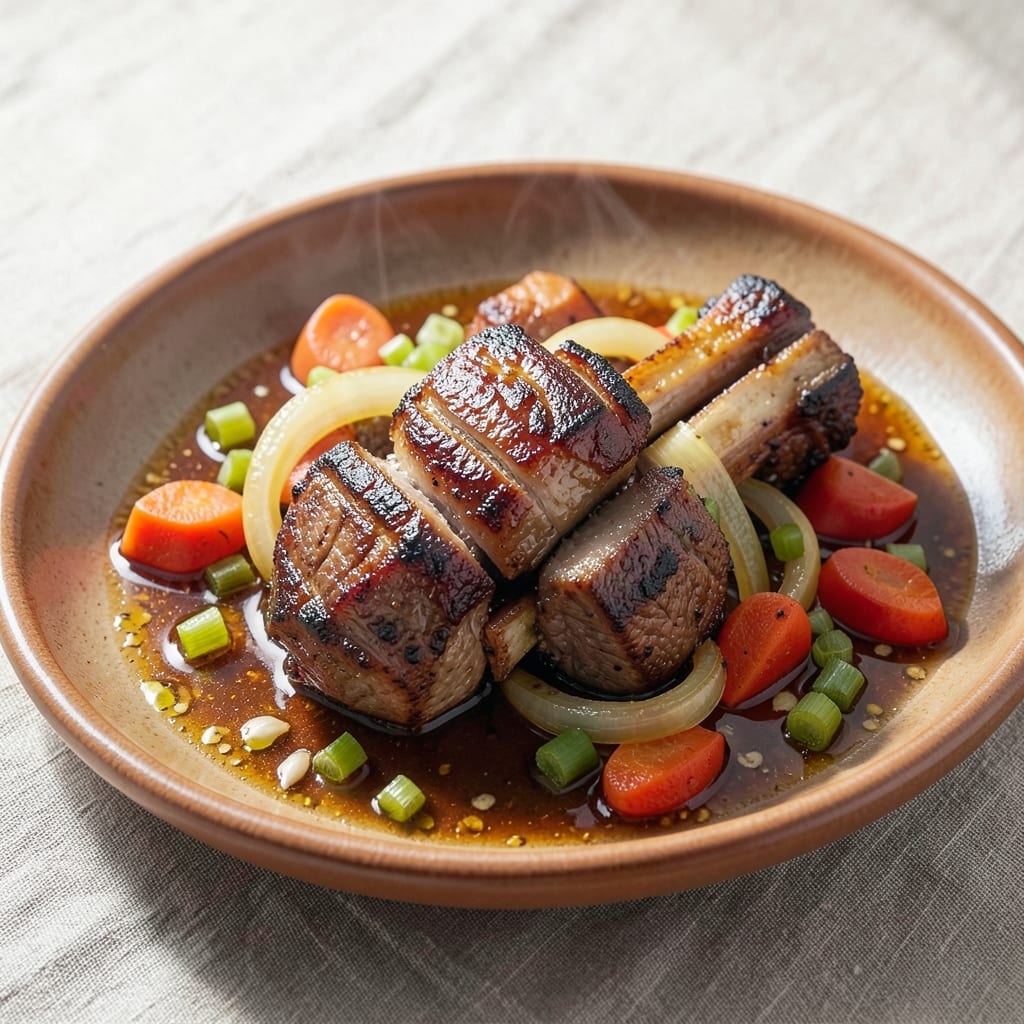
This baked beef shank recipe transforms tough cuts into melt-in-your-mouth perfection with a rich, caramelized fond that deepens the umami flavor. The secret lies in slow baking at precise temperatures—low and slow for maximum tenderness—while developing that signature browned crust that adds layers of complexity. I’ve perfected this method over years of testing, ensuring every bite delivers both texture and depth that rivals restaurant-quality braises.
What sets this recipe apart is the balance of simplicity and technique: minimal ingredients—just beef, aromatics, and a touch of red wine—work together to create a dish that’s both impressive and approachable. The key steps include searing the shank to lock in juices, then baking it uncovered to let the fond form naturally, which you’ll deglaze at the end for an irresistibly rich sauce. No fancy equipment is needed, just patience and attention to detail.
The result is a dish where the beef falls apart effortlessly, coated in a glossy, caramelized sauce that clings to every forkful. The aroma alone will have your kitchen smelling like a Parisian bistro, while the texture—tender yet substantial—makes it a showstopper for dinner parties or cozy weeknight meals. This recipe isn’t just about technique; it’s about transforming a humble cut into something extraordinary.
Pair it with crusty bread to soak up the sauce, or serve alongside roasted root vegetables and a bold red wine to complete the experience. The beauty of this dish is its versatility—equally at home as a weeknight dinner or a centerpiece for special occasions. Let’s get started on creating this restaurant-worthy braise at home.
Ingredients for baked beef shank
Just 15 ingredients transform tough beef shank into restaurant-quality umami richness through slow baking and caramelized fond development.
| Ingredient | Amount | Notes |
|---|---|---|
| Beef Shank, Bone-In 🥩 | 3 lb | Cross-cut into 1-inch cubes |
| Extra-Virgin Olive Oil 🫒 | ½ cup | High smoke point preferred |
| Yellow Onion 🧅 | 1 whole | Cut into 1-inch chunks |
| Carrot 🥕 | 2 lb | Cut into 1-inch chunks |
| Celery Stalk 🌿 | 4 whole | Cut into 1-inch pieces |
| Garlic Cloves 🧄 | 8 cloves | Smashed with side of knife |
| Dry Red Wine 🍷 | 1 cup | Bold Cabernet Sauvignon preferred |
| Beef Bone Broth 💧 | 2 cups | Homemade or high-quality store-bought |
| Tomato Paste 🍅 | 2 tbsp | San Marzano preferred |
| Fresh Thyme Leaves 🌿 | ½ cup | Or 2 tsp dried thyme |
| Fresh Rosemary 🌿 | ¼ cup | Chopped, stems removed |
| Diamond Crystal Kosher Salt 🧂 | 1 ½ tsp | Adjust to taste |
| Freshly Ground Black Pepper 🌶️ | 1 tsp | Cracked peppercorns preferred |
| Balsamic Vinegar 🍶 | 1 tbsp | For deglazing fond |
| Unsalted Butter 🧈 | 2 tbsp | For finishing sauce |
The beef shank is non-negotiable—look for well-marbled cuts from a trusted butcher or Whole Foods meat counter. Costco often carries vacuum-sealed shanks at excellent prices, but avoid pre-cut pieces with exposed surfaces. For best results, opt for a 3-pound bone-in shank, as the bone adds depth to the braising liquid. The carrots and celery should be firm with vibrant color; Trader Joe's organic selection is ideal for this dish. Fresh herbs make all the difference here—Whole Foods or local farmers' markets offer the best quality, but don't compromise if you only have dried (use one-third the amount).
No red wine? Substitute with beef broth plus 1 tbsp balsamic vinegar—the acidity mimics wine's depth. The tomato paste can be replaced with 1 cup crushed tomatoes if you prefer, though it will dilute the umami slightly. For a richer sauce, add 1 tbsp Worcestershire sauce (ensure it's anchovy-free if needed). The bone broth should be homemade if possible—store-bought brands like Kettle & Fire work in a pinch. If you're short on time, pre-cut aromatics from the grocery store's prepped vegetables section will suffice, though fresh is always superior.
This braise develops best over time. Reheat portions in the oven with a splash of broth to maintain sauce consistency. The finished dish keeps for 5 days in the fridge and freezes beautifully for 3 months—portion into airtight containers with sauce to preserve texture. For serving, garnish with fresh herbs and a drizzle of reduced balsamic to elevate presentation. The sauce thickens as it cools, so reheat gently with a splash of water if needed. Leftovers make excellent sandwiches with crusty bread the next day.
Why You'll Love This Recipe
- One-Pan Magic: The beef shank practically cooks itself while you chop veggies—just toss everything on a sheet pan, drizzle with olive oil, and let the oven do the work. Between us, that’s my kind of hands-off dinner.
- Rich, Deep Flavor: The bone-in shank melts into tender perfection, while the carrot and celery sweeten into the sauce—like a slow-cooked hug in your mouth. Honestly, the aroma alone makes my kitchen feel like a bistro.
- Weeknight Workhorse: This is my go-to when I’m too tired for fancy meals but still want something impressive. Serve it over mashed potatoes for a hearty weeknight feast or pack leftovers for lunch—no one will guess it’s this easy.
- Budget-Friendly Luxury: Beef shank stretches further than steak but tastes just as satisfying. I’ll be real: it’s the one splurge-worthy cut that actually makes sense for a family of four (or two very hungry people).
Step-by-step instructions for baked beef shank with caramelized fond
Master this technique for melt-in-your-mouth beef shank with a rich, umami-packed sauce.
Sear the Beef Shank for Deep Flavor
Heat a heavy Dutch oven over medium-high heat until very hot. Add the 0.5 cup extra-virgin olive oil and swirl to coat the bottom evenly. Working in batches to avoid crowding, add the 3 lb beef shank, bone-in cut into 1-inch cubes, ensuring they don't overlap. Let them sear undisturbed for 3-4 minutes per side until developing a deep mahogany crust.
This searing step is critical—it creates the Maillard reaction that builds the beef's complex flavor foundation. You'll know it's ready when the edges are deep brown and the meat releases easily from the pan. Remove the seared beef and set aside on a plate, leaving all the browned bits in the pot.
Build the Aromatic Base and Deglaze
In the same Dutch oven, add the 1 whole yellow onion cut into 1-inch chunks, 2 lb carrots cut into 1-inch pieces, and 4 whole celery stalks cut into 1-inch pieces. Cook for 8-10 minutes until the vegetables begin to soften and caramelize slightly. Add the 8 smashed garlic cloves and cook for an additional 1 minute until fragrant.
Stir in the 2 tbsp tomato paste and cook for 2 minutes to deepen its flavor. Then pour in the 1 cup dry red wine, scraping up all the browned bits from the bottom with a wooden spoon. This deglazing step captures all the concentrated beef flavor that would otherwise be lost.
Braise with Herbs and Broth
Return the seared beef shank to the Dutch oven. Add the 2 cups beef bone broth, 0.5 cup fresh thyme leaves, 0.25 cup chopped fresh rosemary, 1.5 tsp Diamond Crystal kosher salt, and 1 tsp freshly ground black pepper. Bring to a simmer, then cover tightly with a lid and transfer to a preheated 325°F oven.
Braise for 2.5-3 hours until the beef is fork-tender and the sauce has reduced to a thick, glossy consistency. The beef should pull apart easily when pierced with a fork, and the vegetables should be completely tender. This slow cooking process transforms tough cuts into melt-in-your-mouth perfection.
Finish with Balsamic and Butter
Remove the Dutch oven from the oven and increase heat to medium-high. Stir in the 1 tbsp balsamic vinegar and simmer for 3-4 minutes to allow the vinegar to mellow and blend with the sauce. Reduce heat to medium-low and whisk in the 2 tbsp unsalted butter until melted and incorporated.
The sauce should now have a velvety texture with a glossy sheen. Taste and adjust seasoning if needed, adding more salt or pepper as necessary. Let the beef shank rest for 10 minutes before serving to allow the juices to redistribute throughout the meat.
Serve with Caramelized Fond
Spoon the beef shank and vegetables onto serving plates, ladling the rich, caramelized fond sauce over the top. The fond should coat the meat with a glossy, slightly sticky glaze that intensifies the umami flavors. Serve immediately with crusty bread or over polenta to soak up every last bit of sauce.
Each bite should deliver tender beef that practically melts in your mouth, surrounded by vegetables that have absorbed the deep, savory flavors of the braising liquid. The perfect balance of textures and flavors makes this dish worth the time investment.
Pro Tips For Making Baked Beef Shank
- SEAR FIRST, THEN BAKE: I used to skip the sear and just toss the shank into the oven—big mistake. Hit that bone-in shank with high heat in olive oil until it’s deep brown all over (yes, even the bone bits). This locks in flavor and gives you that rich crust you’ll end up braising away.
- CHOP VEGETABLES UNIFORM: No one wants mushy celery or undercooked carrots in their shank. Cut the onion, carrot, and celery into even ½-inch chunks—no big hunks, no tiny confetti. They’ll cook at the same rate and soak up all that beefy goodness instead of turning to mush.
- DON’T CROWD THE PAN: I learned this the hard way—packing the shank and veggies too tightly means steam instead of browning. Give that shank room to breathe, even if it means two batches. A snug pan = soggy results; space = crispy edges and tender meat.
- SALTY WATER IS YOUR FRIEND: After browning, deglaze with a splash of water or broth—but don’t skimp on salt. The shank needs help absorbing flavor, and plain water tastes bland. Add ½ teaspoon salt to that liquid, then let it simmer until reduced by half. Your future self will notice the difference.
Regional styles of baked beef shank
French Bistro Style
In Parisian bistros, beef shank is traditionally braised with red wine, shallots, and a bouquet garni—a bundle of thyme, bay leaf, and parsley tied with twine. The French version often includes a splash of cognac to deepen the sauce, which I recommend adding with the wine during deglazing. Serve with crusty baguette slices and a Burgundy red wine like Pinot Noir to complement the dish's richness. 🍷
Italian Osso Buco Twist
Northern Italy transforms beef shank into Osso Buco, using white wine, gremolata (lemon zest, garlic, parsley), and a splash of milk to tenderize the meat. Replace the red wine with 1 cup dry white wine and add ½ cup whole milk with the broth. Garnish with lemon wedges and fresh parsley before serving. This version pairs beautifully with risotto or polenta.
Spanish Cocido Adaptation
Spain's Cocido Madrileño incorporates chickpeas, morcilla (blood sausage), and pork ribs alongside beef shank. For a Spanish-inspired version, add 1 cup cooked chickpeas and ½ cup chopped morcilla during the final 30 minutes of braising. Deglaze with ½ cup Spanish sherry instead of balsamic vinegar. Serve with crusty bread for dipping in the flavorful broth. 🌶️
American Southern Comfort
The American South sweats onions and peppers before braising, adding smoked paprika and a dash of cayenne for heat. Sauté 1 bell pepper with the onions and celery, then proceed with the recipe. Finish with 2 tbsp apple cider vinegar instead of balsamic. This version pairs perfectly with cornbread or mashed potatoes and a glass of Zinfandel.
Japanese Nikujaga Influence
For a fusion approach, add 1 cup dashi broth (instead of beef broth) and 1 tbsp soy sauce with the wine. Include 1 daikon radish (julienned) and 1 cup sweet potato (cubed) with the carrots. Garnish with green onions and a sprinkle of furikake for a Japanese-inspired twist. Serve with steamed rice to soak up the sauce. ✨
Nutrition facts
Frequently asked questions about baked beef shank
Why does my beef shank turn out tough instead of tender?
The key is patience! Beef shank needs slow cooking at 325°F for 2.5-3 hours—any faster and the connective tissue won't break down properly. Use a meat thermometer: the internal temp should reach 203°F for perfect tenderness. Also, never skip the searing step, as it creates flavor while locking in juices.
Can I use a different cut of beef instead of shank?
While shank is ideal for its collagen-rich tenderness, you can substitute with chuck roast or short ribs. For chuck, reduce cooking time to 2 hours—it's more tender to begin with. Short ribs will need the full 3 hours but yield a slightly meatier texture. Avoid lean cuts like sirloin, as they won't develop the same rich sauce.
How do I make the sauce thicker without adding flour?
The sauce thickens naturally as it reduces in the oven, but if it's too thin, simmer uncovered for 5-10 minutes on the stovetop. For extra richness, whisk in 1 tbsp cold butter at the end—it emulsifies beautifully. Avoid cornstarch unless absolutely necessary, as it can make the sauce taste artificial. The fond (browned bits) already contains natural thickening power when properly deglazed.
What's the best way to reheat leftovers without drying them out?
Place leftovers in an oven-safe dish with 2 tbsp broth or water per cup of sauce. Cover with foil and reheat at 300°F for 20-30 minutes until warmed through. Microwaving works too: cover with a damp paper towel and heat in 30-second intervals, stirring between each. Never reheat uncovered, as the sauce will dry out instantly.
Can I prepare this dish ahead of time?
This recipe is perfect for make-ahead meals! The beef shank tastes even better the next day as flavors meld. Store in an airtight container with the sauce and refrigerate for up to 5 days. For freezing, portion into containers with sauce (it prevents drying) and freeze for 3 months. Thaw overnight in the fridge before reheating.